









• Citric Acid CAS 77-92-9
  • Citric Acid CAS 77-92-9

Citric Acid CAS 77-92-9

Citric Acid, identified by CAS 77-92-9, is a high-purity organic tricarboxylic acid characterized by its strong sequestering capabilities and pH-buffering efficiency. As a versatile citric acid, this technical-grade anhydrous citric acid functions as a primary scale remover and pH regulator in various industrial chelating agent formulation processes. This crystalline 2-hydroxy-1,2,3-propanetricarboxylic acid is valued for its ability to form stable complexes with multivalent metal ions, preventing precipitation and oxidation in industrial cleaning and metal treatment systems. Our facility provides competitive factory pricing and customized specifications regarding granulation sizes to ensure rapid dissolution and compatibility with specific manufacturing streams. For procurement and technical validation, we offer comprehensive MSDS, TDS, COA documentation and maintain consistent bulk supply for large-scale industrial operations.

  • CAS: 77-92-9
  • Synonyms: Anhydrous citric acid, 2-Hydroxy-1,2,3-propanetricarboxylic acid, Hydrogen citrate, Citronyle
  • Einecs: 201-069-1
  • Molecular Formula: C6H8O7
  • Grade: Food Grade / Pharma Grade / Industrial Grade
  • Package: 25kg Kraft Bag, 1000kg Jumbo Bag.
Request a quote
Share:

Product Description

Citric Acid is the most widely used organic acid and pH-control agent in the food and beverage industry. It provides a sharp, clean, tart taste that enhances flavors in soft drinks and candies.

Why choose our Anhydrous Citric Acid?

  1. Pure & Dry: Since it lacks water molecules in its crystal structure, it has a higher active acid content by weight compared to the Monohydrate form.
  2. Anti-Caking: It performs better in dry powder mixes (like seasoning blends or instant drink powders) because it is less prone to absorbing moisture and clumping under standard storage conditions.
  3. Corn Fermentation: Produced from natural corn starch, making it suitable for vegetarian, Halal, and Kosher dietary requirements.
  4. Solubility: It dissolves rapidly in water, releasing protons to lower pH effectively.

Physicochemical Properties

The table below represents the standard specification for Export Grade Anhydrous Citric Acid (BP/USP).

ParameterSpecification
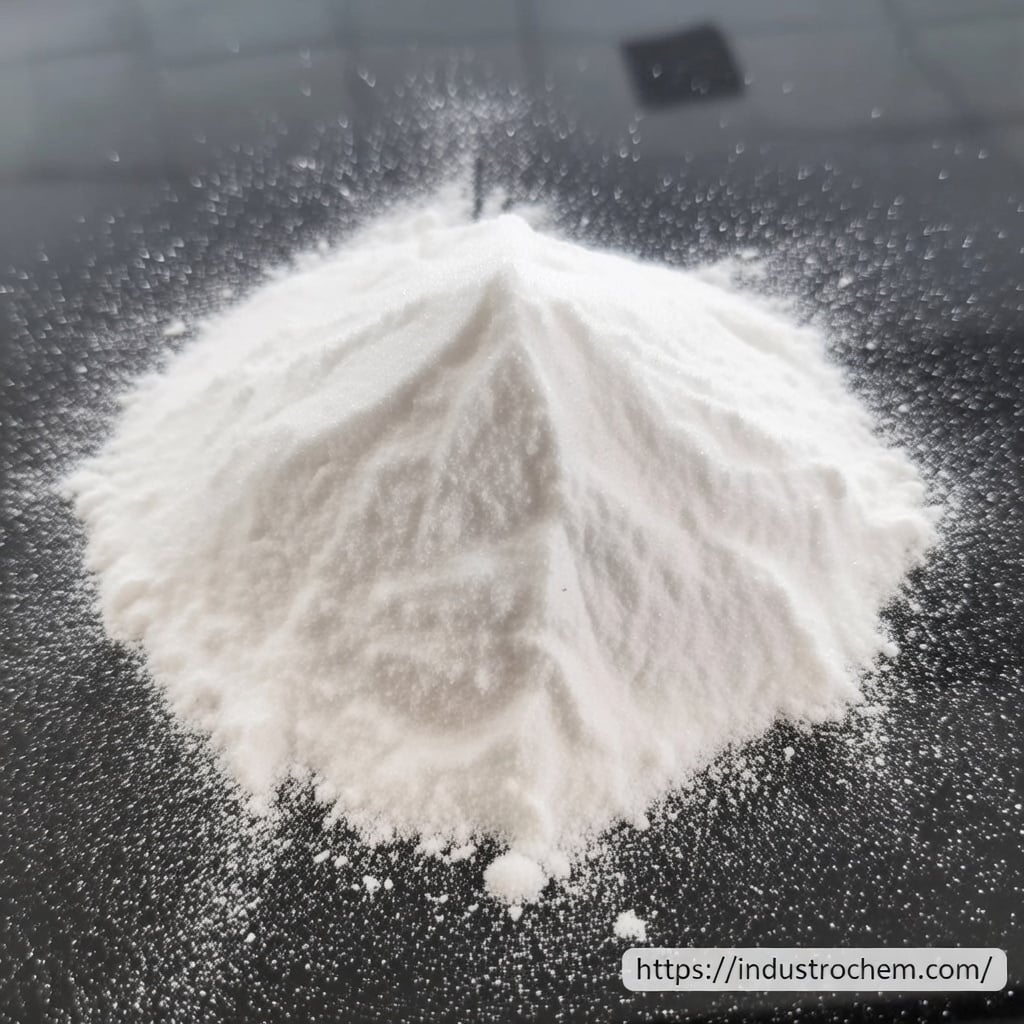
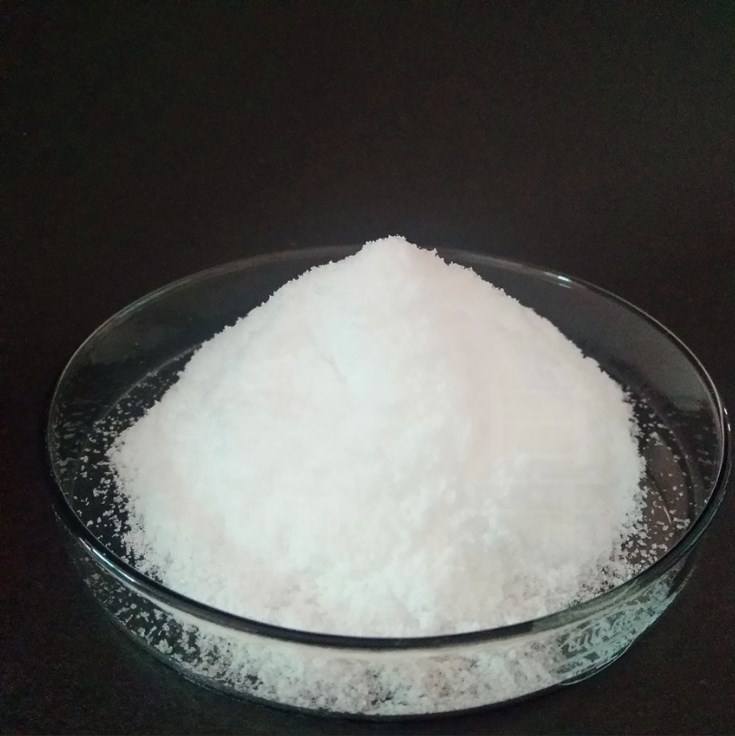
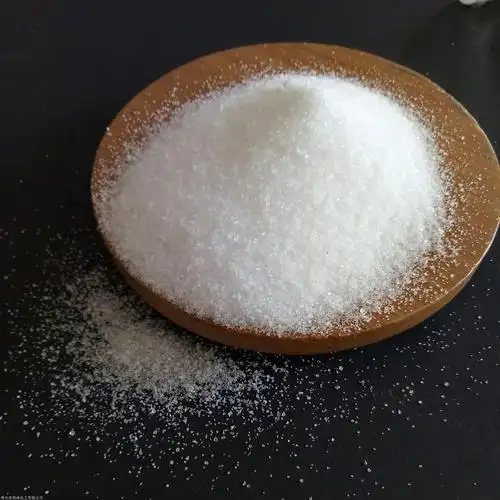
AppearanceWhite crystalline granular or fine powder
Assay (Purity)99.5% – 100.5%
Water Content≤ 0.5% (Strictly controlled)
Sulphated Ash≤ 0.05%
Sulphate≤ 150 ppm
Oxalate≤ 100 ppm
Calcium≤ 200 ppm
Heavy Metals≤ 5 ppm
Lead (Pb)≤ 0.5 ppm
Arsenic (As)≤ 1 ppm
Mercury (Hg)≤ 1 ppm
Aluminum≤ 0.2 ppm
Bacterial Endotoxins< 0.5 IU/mg (For Pharma use)

Applications

  1. Beverages (Carbonated Drinks):
    • Used extensively in colas, sodas, and energy drinks to provide the characteristic “sour” kick and buffer the pH to prevent spoilage.
  2. Confectionery & Food:
    • The white coating on sour gummies is often coarse Citric Acid. It also prevents sugar crystallization in jams and jellies.
  3. Cleaning & Detergents:
    • A powerful chelating agent and builder. It replaces phosphates in eco-friendly dishwasher tablets and laundry detergents to tackle hard water.
  4. Industrial Scaling:
    • Used to remove limescale from boilers and evaporators without corroding the metal equipment.
  5. Construction:
    • Sometimes used as a retarder in concrete and gypsum to slow down the setting time.

Storage Conditions

  • Environment: Store in a cool, dry, and well-ventilated place.
  • Humidity Control: Although Anhydrous is more stable than Monohydrate, relative humidity (RH) should be kept below 50%. If the humidity is too high, the surface of the crystals can absorb moisture and eventually form hard lumps.
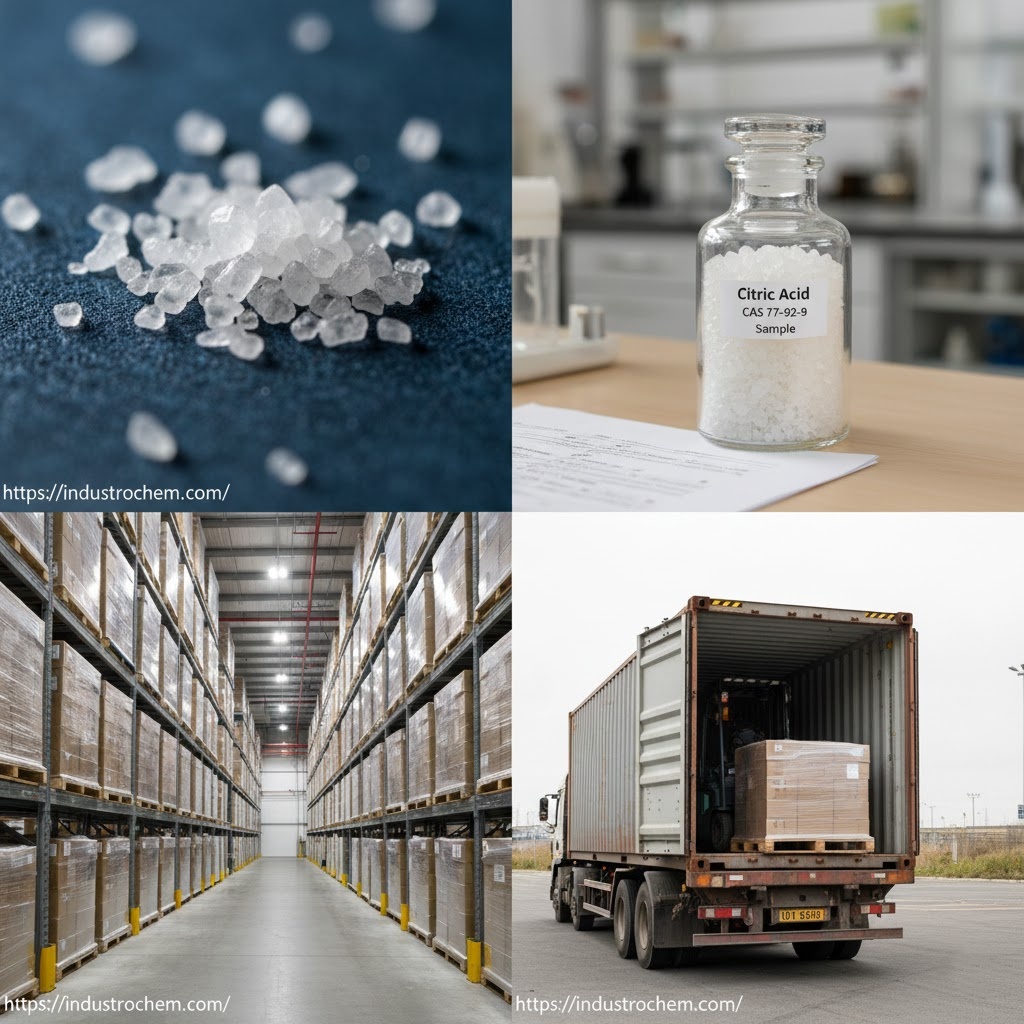
  • Palletizing: Use wooden or plastic pallets. Do not place bags directly on the concrete floor to avoid moisture transfer.
  • Shelf Life: 3 years if the bag remains sealed.

Safety Precautions

  • Eye Irritation: Citric Acid is a strong eye irritant. If dust enters the eyes, it causes immediate stinging. Rinse with plenty of water for 15 minutes.
  • Skin Contact: Generally safe, but prolonged contact with concentrated solutions can cause irritation. Wash with soap and water.
  • Inhalation: Inhaling fine dust can irritate the respiratory tract. Workers should wear dust masks when dumping bags into mixers.
  • Enamel Erosion: Frequent direct consumption of pure citric acid powder can erode tooth enamel due to high acidity.

FAQ - Technical & Supply Chain

  • Q:

    How does the triprotic nature of CAS 77-92-9 facilitate its use in industrial de-scaling?

    A: The multiple carboxylic groups in Citric Acid (CAS 77-92-9) allow it to effectively chelate calcium and magnesium ions in hard water, making it a highly efficient agent for removing mineral scales from industrial heat exchangers and boilers.
  • Q:

    Is this material intended for use as a pH stabilizer in industrial textile processing?

    A: Yes, this bulk material is typically applied in the textile industry to neutralize alkaline residues and stabilize the pH of dyeing baths, ensuring consistent color depth and preventing the degradation of sensitive fiber structures.
Documents

Documents and Product Support

For product review and sourcing evaluation, supporting documents can be coordinated according to the product type, inquiry stage, and order requirements.

  • COA for batch-based quality reference
  • TDS for key physical and chemical information
  • SDS / MSDS for handling, storage, and safety reference
  • Packing information for sample, trial, and bulk orders
  • Technical communication based on application and specification requirements
Quotation

Information to Confirm Before Quotation

Clear sourcing information helps reduce specification mismatch and allows a more accurate quotation before sample or bulk order discussion.

  • Product name and CAS number
  • Application or intended end use
  • Required purity, grade, or specification
  • Sample quantity, trial order, or bulk demand
  • Preferred packing form or net weight
  • Destination country or port
  • Required documents or compliance expectations
Storage & Handling

Packaging, Storage, and Handling Notes

Packaging form, storage conditions, shelf life, and shipment arrangements should be confirmed according to the product characteristics, package size, and destination requirements.

Before order confirmation, buyers are advised to review the corresponding product documents and confirm whether any special storage, labeling, or handling requirements apply.

Supply Support

Sample, Bulk Order and Repeat Supply Support

Support can be arranged for sample discussion, bulk supply planning, packaging confirmation, and routine sourcing communication based on the actual product and order requirements.

For repeat-use formulations or long-term procurement plans, buyers may discuss specification consistency, packaging preferences, delivery expectations, and document coordination in advance.

Contact Form

Use our contact form to send us your questions, suggestions or comments. We will respond as soon as possible.