









• DL-Tartaric Acid CAS 133-37-9

DL-Tartaric Acid CAS 133-37-9

DL-Tartaric Acid is a synthetic racemic dicarboxylic acid and essential chemical additive utilized primarily as a setting retarder in construction materials and gypsum products. Widely recognized in the chemical sector as Racemic tartaric acid or 2,3-Dihydroxysuccinic acid, this crystalline solid serves to prolong the hardening time of cement and plaster, allowing for extended workability in building applications. We offer this industrial-grade synthetic acid with competitive factory pricing to support construction, textile, and leather manufacturing. Our logistics framework ensures reliable bulk supply availability and customized specifications, fully accompanied by MSDS, TDS, COA documentation for strict safety handling and compliance.

  • CAS: 133-37-9
  • Synonyms: Racemic acid, 2,3-Dihydroxysuccinic acid, Uvic acid, Paratartaric acid, DL-2,3-Dihydroxybutanedioic acid
  • Einecs: 205-105-7
  • Molecular Formula: 𝐶4𝐻6𝑂6
  • Grade: food grade
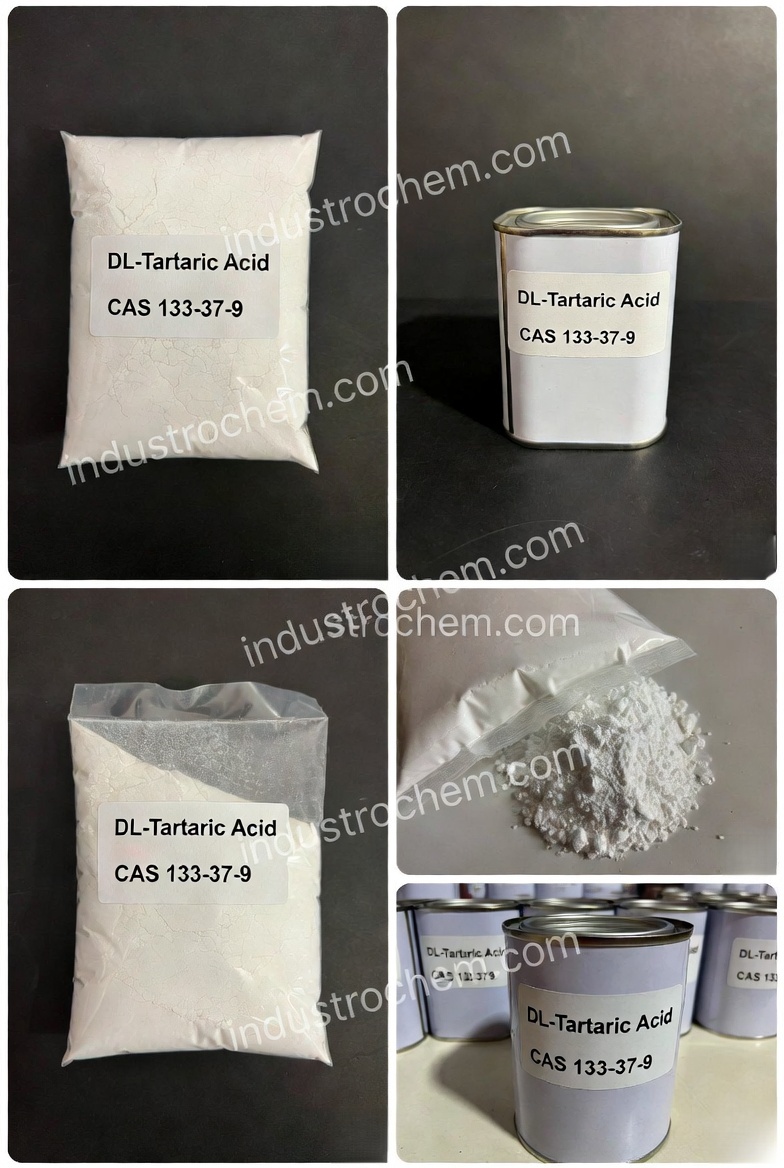
  • Package: 25kg/bag (Plastic woven bag with PE liner) or 500kg/1000kg Jumbo Bag.
Request a quote
Share:

Product Description

1. Physical and Chemical Properties

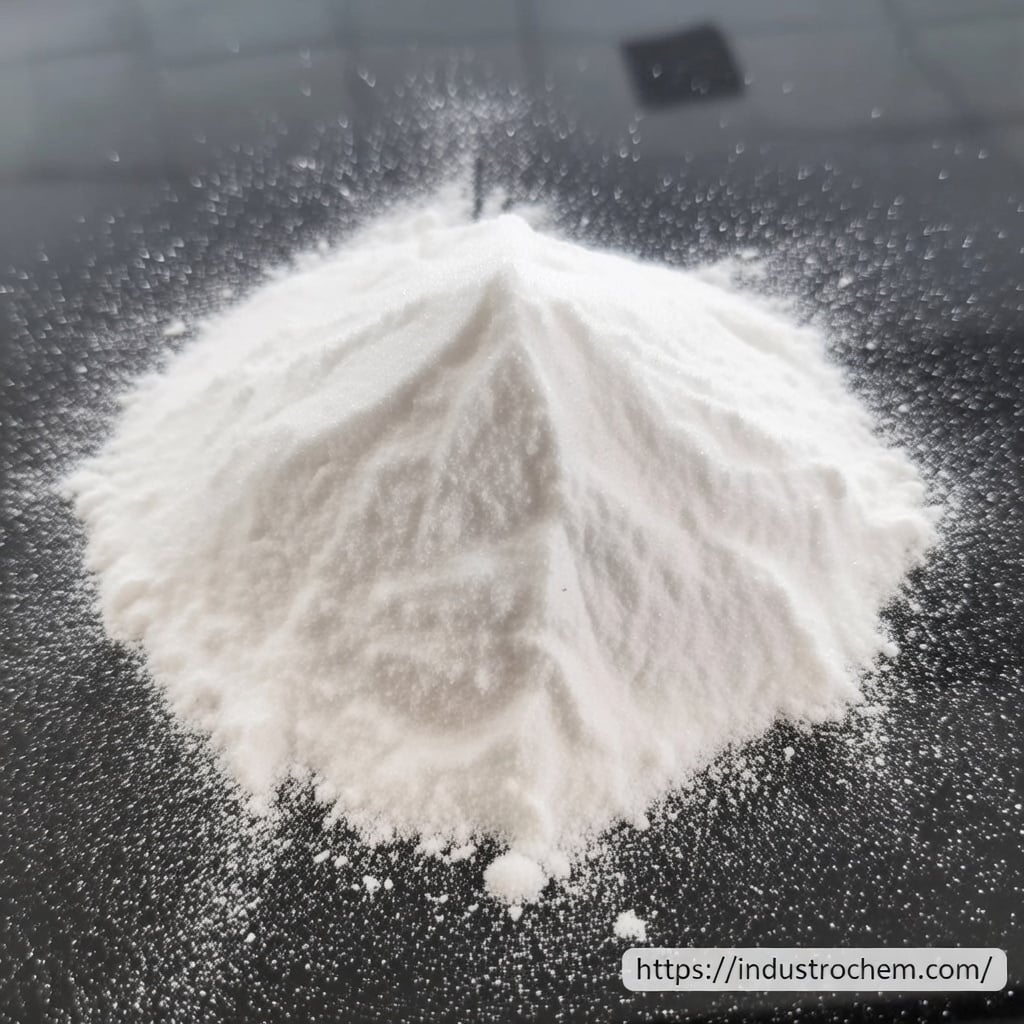
DL-Tartaric Acid is a racemic mixture of L- and D-tartaric acid. Visually, it appears as a white, crystalline powder. It is odorless but carries a sharp, refreshing sour taste.

PropertySpecification / Description
CAS Number133-37-9
Chemical FormulaC4H6O6C4​H6​O6​
Molecular Weight150.09 g/mol
AppearanceWhite crystalline powder or granules
Assay (Purity)≥ 99.5% (Anhydrous basis)
SolubilitySoluble in water (approx. 20.6g/100ml at 20°C); less soluble than L-Tartaric
Melting Point200°C – 206°C (Decomposes upon melting)
Loss on Drying≤ 0.5%

Technical Note: A key distinction is solubility. DL-Tartaric Acid is slightly less soluble in water than its L-isomer counterpart, a trait that can be advantageous in controlled-release applications.


2. Primary Applications: Beyond the Sour Taste

While famous for its sourness, the utility of CAS 133-37-9 spans across totally different industries.

A. Food & Beverage (The Acidulant)

It serves as a potent acidifier and preservative. Because it is synthetic, it is often preferred in manufacturing where cost control is critical but the flavor profile needs to remain sharp.

  • Confectionery: Used in hard candies and gummies to balance sweetness.
  • Soft Drinks: Provides a “clean” sour note.
  • Baking Powder: Acts as the acidic component that reacts with baking soda to release CO2CO2​.

B. Construction Industry (Gypsum & Cement Retarder)

This is the hidden giant of the DL-Tartaric market. It is widely used as a retarder in gypsum plaster and cement.

  • It slows down the setting time of plaster, giving construction workers more time to apply and smooth the material before it hardens.
  • It is preferred over citric acid in some formulations because it affects the strength of the final gypsum product less significantly.

C. Industrial Manufacturing

  • Mirror Industry: Used as a reducing agent in the silvering process of mirrors.
  • Metal Treatment: Acts as a chelating agent to clean and polish metal surfaces (complexing with metal ions).
  • Textiles: Used in printing and dyeing processes to control pH and enhance color fastness.

3. DL-Tartaric vs. L-Tartaric: Which One Do You Need?

This is the most common question we receive.

  • Choose L-Tartaric Acid if you are making premium wines or pharmaceuticals that require specific optical rotation and natural origin labeling.
  • Choose DL-Tartaric Acid if you need a cost-effective acidifier for food, or a technical-grade retarder for construction. Since DL is synthetic, supply is stable year-round and not dependent on grape harvests.

4. Safety Precautions

Although DL-Tartaric Acid is a food-grade additive (E334), handling it in bulk industrial powder form requires safety protocols:

  • Eye Protection: The powder is acidic and can cause severe eye irritation. Safety goggles are mandatory during handling.
  • Dust Control: Inhalation of fine dust can irritate the respiratory tract. Ensure the warehouse is well-ventilated and workers wear N95 dust masks when pouring bags.
  • Skin Contact: Prolonged contact may cause irritation. Wear standard protective gloves and long sleeves.

5. Storage Conditions

To prevent caking and maintain flowability, proper storage is essential:

  • Humidity is the Enemy: Although DL-Tartaric Acid is generally anhydrous, high humidity can cause the powder to clump. Store in a cool, dry area with relative humidity below 60%.
  • Packaging: It is typically shipped in 25kg Kraft paper bags with an inner PE liner. Ensure the liner is tightly sealed after opening.
  • Separation: Store away from strong oxidizing agents and alkalis to prevent unwanted chemical reactions.

Conclusion: Stability in Sourcing

DL-Tartaric Acid (CAS 133-37-9) represents the intersection of chemical efficiency and industrial necessity. Whether you are formulating a gypsum retarder that needs to perform consistently or a beverage that requires a sharp flavor profile at a competitive price, this ingredient is the solution.

By sourcing from established Chinese manufacturers who have mastered the maleic anhydride synthesis route, you ensure a supply chain that is both economical and reliable.

Ready to secure your supply? [Contact us today] for a quote. We offer various mesh sizes (powder to granule) to suit your specific dissolution requirements.

FAQ - Technical & Supply Chain

  • Q:

    How is DL-Tartaric Acid (CAS 133-37-9) chemically distinguished from L(+)-Tartaric Acid?

    A: DL-Tartaric Acid is the racemic (1:1) mixture of enantiomers, identified by CAS 133-37-9. Unlike the naturally occurring L(+)-Tartaric Acid (CAS 87-69-4) found in grapes, the DL-form is typically produced synthetically from maleic anhydride and exhibits different solubility and melting point characteristics suitable for specific industrial applications.
  • Q:

    What is the primary function of DL-Tartaric Acid in the construction industry?

    A: In construction material formulations, this compound is intended for use as a setting retarder. It is added to gypsum plaster and cement systems to effectively delay the hardening process, allowing for extended workability time without compromising the final compressive strength of the material.
Documents

Documents and Product Support

For product review and sourcing evaluation, supporting documents can be coordinated according to the product type, inquiry stage, and order requirements.

  • COA for batch-based quality reference
  • TDS for key physical and chemical information
  • SDS / MSDS for handling, storage, and safety reference
  • Packing information for sample, trial, and bulk orders
  • Technical communication based on application and specification requirements
Quotation

Information to Confirm Before Quotation

Clear sourcing information helps reduce specification mismatch and allows a more accurate quotation before sample or bulk order discussion.

  • Product name and CAS number
  • Application or intended end use
  • Required purity, grade, or specification
  • Sample quantity, trial order, or bulk demand
  • Preferred packing form or net weight
  • Destination country or port
  • Required documents or compliance expectations
Storage & Handling

Packaging, Storage, and Handling Notes

Packaging form, storage conditions, shelf life, and shipment arrangements should be confirmed according to the product characteristics, package size, and destination requirements.

Before order confirmation, buyers are advised to review the corresponding product documents and confirm whether any special storage, labeling, or handling requirements apply.

Supply Support

Sample, Bulk Order and Repeat Supply Support

Support can be arranged for sample discussion, bulk supply planning, packaging confirmation, and routine sourcing communication based on the actual product and order requirements.

For repeat-use formulations or long-term procurement plans, buyers may discuss specification consistency, packaging preferences, delivery expectations, and document coordination in advance.

Contact Form

Use our contact form to send us your questions, suggestions or comments. We will respond as soon as possible.