









Phytic Acid, also called myo-Inositol Hexakisphosphate or IP6, is an organophosphorus acid identified by CAS 83-86-3. Commercial form, concentration, and intended-use suitability require current product-specific confirmation. For an RFQ, state the intended use, required specification, quantity, packaging, destination, and document needs.
Phytic Acid (IP6) CAS 83-86-3
- CAS: 83-86-3
- Synonyms: myo-Inositol Hexakisphosphate; Inositol Hexaphosphate; IP6; Phytate
- Einecs: 201-506-6
- Molecular Formula: C₆H₁₈O₂₄P₆
- Grade: Confirm the current product-specific specification.
- Package: Confirm packaging requirements for the proposed material and destination.
Product Description
Phytic Acid, also called myo-Inositol Hexakisphosphate or IP6, is an organophosphorus acid identified by CAS 83-86-3. Commercial form, concentration, and intended-use suitability require current product-specific confirmation.
Molecular formula: C₆H₁₈O₂₄P₆.
Molar mass: 660.04 g/mol.
CAS Number: 83-86-3.
EC Number: 201-506-6.
Physical-property requirements must be confirmed against the current product-specific specification and applicable SDS.
Application context
Phytic Acid may be evaluated where a chelating organophosphorus acid is required, subject to process compatibility and the current product specification.
Food, preservation, corrosion, and other regulated-use claims require separate documentation; do not infer them from the CAS.
Packaging and storage
Handling, storage, and process requirements must be reviewed against the applicable SDS and current product-specific specification.
FAQ - Technical & Supply Chain
-
Q:
What is Phytic Acid CAS 83-86-3?
A: Phytic Acid, also called IP6 or myo-Inositol hexakisphosphate, is a naturally occurring organophosphorus acid with CAS 83-86-3, molecular formula C6H18O24P6 and molar mass about 660.04 g/mol. It has strong metal-chelating ability and is used in food, surface treatment, water treatment and personal-care applications. -
Q:
Is Phytic Acid usually supplied as a 50% liquid or as a powder?
A: Commercial Phytic Acid is commonly supplied as a light yellow to light brown liquid with assay around 50%, while high-purity powder grades are also available. It is not automatically interchangeable with sodium phytate or other phytate salts, so confirm the physical form, concentration or dry-matter basis before quoting. -
Q:
Which specifications matter for Phytic Acid?
A: Confirm assay and analytical method, inorganic phosphorus, chloride, sulfate, calcium, arsenic, lead, pH, color and density. Food, personal-care and technical grades can have different limits, so the complete batch analysis should be approved for the intended application and regulatory status. -
Q:
What are common uses of Phytic Acid?
A: Phytic Acid is used for metal chelation in water and wastewater treatment, magnesium-alloy corrosion-protection conversion coatings, antioxidant and color-protection effects in food, and as a heat/light stabilizer, flame-retardant or antistatic additive in selected resin and fiber formulations. The suitable grade depends on the application. -
Q:
How should Phytic Acid be stored, packed and handled?
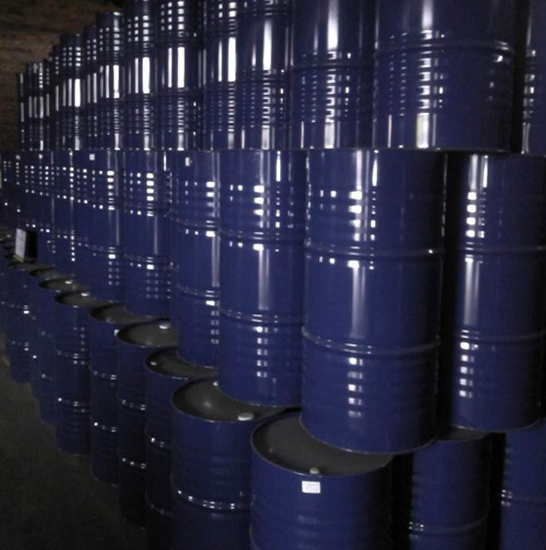
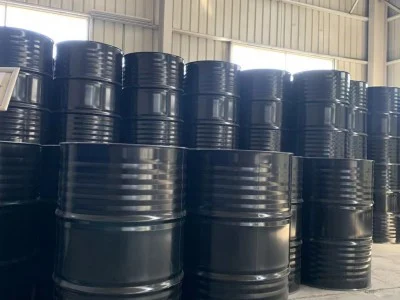
A: Keep Phytic Acid in tightly closed, compatible containers in a cool, dry, well-ventilated area and avoid contamination. Standard packaging can be 25 kg drums or custom containers; during transfer use chemical-resistant equipment and follow the applicable safety information for PPE, ventilation, spill and emergency response.
Ordering & Documentation
Key information for document requests, quotations, and supply planning.
Documents
COA, TDS, SDS/MSDS and packing details are available on request.
Quotation
Send the CAS number, grade, quantity, packing preference and destination.
Sample & Supply
Support is available for samples, trial orders, bulk and repeat supply.
Storage & Shipping
Product-specific conditions are confirmed before order.

