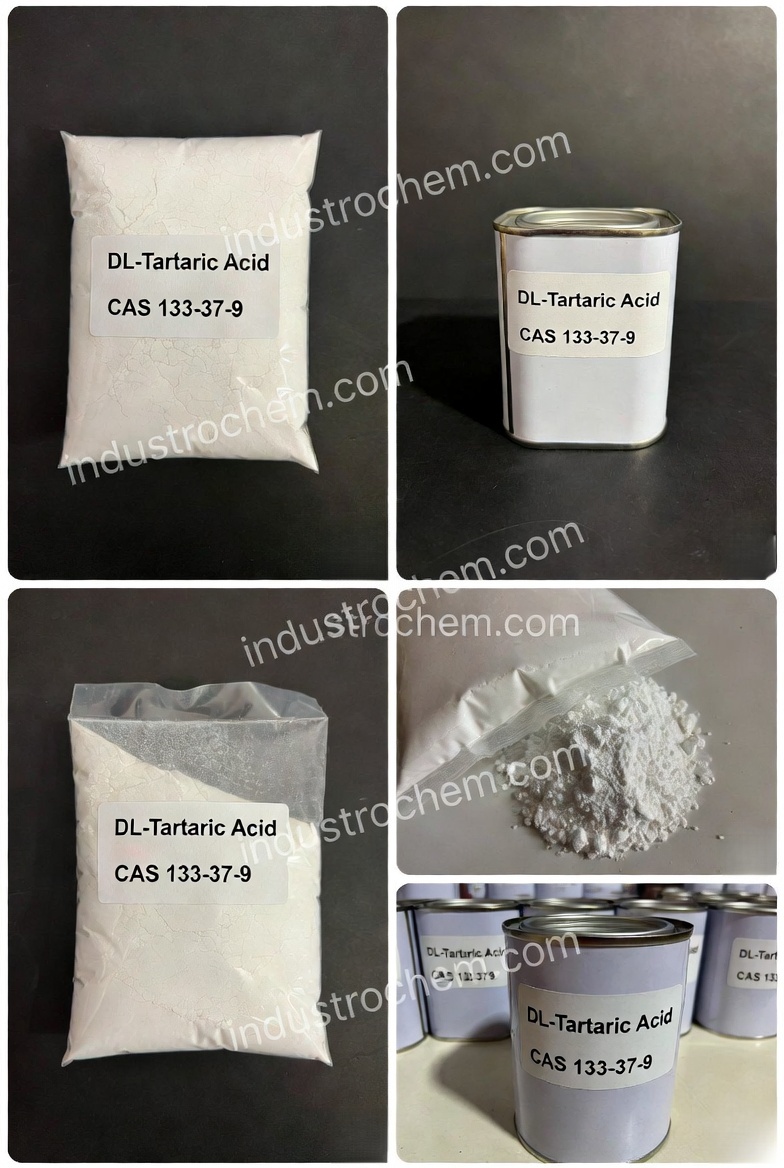










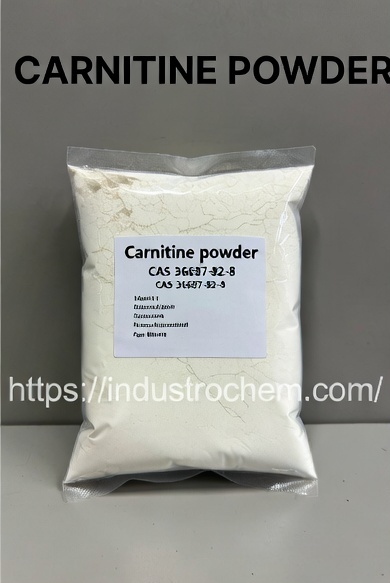
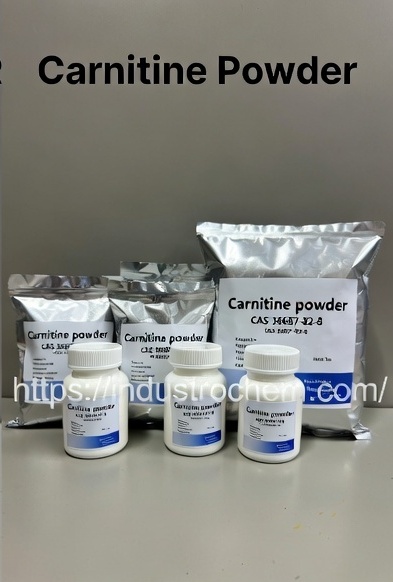
L-Carnitine L-Tartrate CAS 36687-82-8 is a stable salt form of L-carnitine combined with L-tartaric acid , chemically defined as Bis[(3-carboxy-2-hydroxypropyl)trimethylammonium] L-tartrate. Functioning primarily as a highly stable, non-hygroscopic source of L-carnitine in solid dosage forms, this crystalline powder is utilized to enhance fat metabolism in nutritional premixes and serves as a key nutrient in the formulation of sports recovery capsules and functional beverages. We provide professional access to this material with competitive factory pricing and the ability to meet customized specifications for various manufacturing requirements. Our commitment to technical transparency ensures that every shipment is accompanied by comprehensive MSDS, TDS, COA documentation to support your quality assurance protocols, and we maintain capacity for consistent bulk supply to facilitate large-scale industrial operations.
L-Tartrate CAS 36687-82-8
- CAS: 36687-82-8
- Synonyms: L-Carnitine tartrate, L-Carnitine salt with L-tartaric acid (2:1), Bis(3-carboxy-2-hydroxypropyl)trimethylammonium tartrate, Vitamin BT tartrate, Levocarnitine tartrate
- Einecs: 459-550-9
- Molecular Formula: C18H36N2O12
- Grade: Food/Pharma Grade
- Package: 25kg/bag (Plastic woven bag with PE liner) or 500kg/1000kg Jumbo Bag.
Product Description
What is L-Carnitine L-Tartrate?
Simply put, this compound is a salt of L-Carnitine and Tartaric Acid.
Standard L-Carnitine base is famous for being incredibly hygroscopic—meaning it pulls moisture from the air rapidly. For a manufacturer, this is a nightmare. It causes clumping in machinery and reduces the shelf-life of the final product.
L-Carnitine L-Tartrate (LCLT) solves this. By combining carnitine with tartaric acid, the resulting powder is stable, pleasant-tasting (slightly acidic/citrusy rather than “fishy”), and absorbs much faster into the body compared to other forms.
Physicochemical Properties
For the R&D team and Quality Control managers, here are the essential specifications you need to know:
| Property | Description |
|---|---|
| Chemical Name | L-Carnitine L-Tartrate |
| CAS Number | 36687-82-8 |
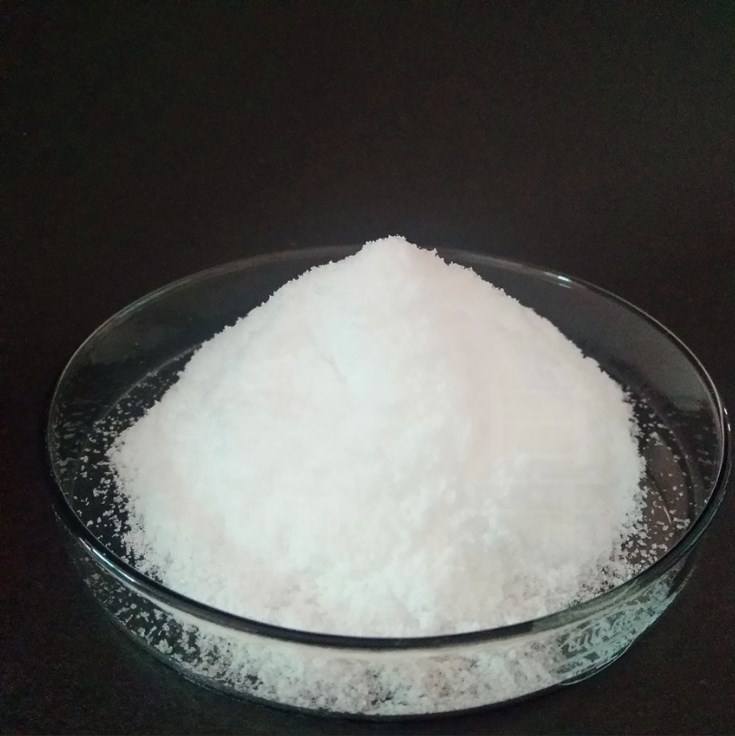
| Appearance | White to off-white crystalline powder |
| Odor | Characteristic, slight acidic odor (no fishy smell) |
| Solubility | Freely soluble in water; slightly soluble in alcohol |
| pH Value | 3.0 – 4.5 (in aqueous solution) |
| Molecular Formula | C18H36N2O12 |
| Molecular Weight | ~472.49 g/mol |
| Melting Point | 169°C – 175°C |
| Carnitine Content | Typically ~68% L-Carnitine / ~32% Tartaric Acid |
Key Application Fields
Why is this specific CAS number requested so frequently? It comes down to versatility.
1. Sports Nutrition & Recovery (The Primary Market) LCLT is the gold standard for muscle recovery. Research suggests it helps reduce muscle tissue damage and soreness (DOMS) after exercise. Because it enters the bloodstream quickly, it is perfect for post-workout powders and capsules.
2. Weight Management Supplements Like all carnitines, it plays a vital role in transporting fatty acids into the mitochondria to be burned for energy. LCLT is often the preferred form for fat burners because it is easy to capsule without anti-caking agents dominating the formula.
3. Functional Beverages Because L-Carnitine L-Tartrate has a pleasant, slightly citrus taste and dissolves easily in water, it is ideal for energy drinks and functional waters where flavor profile is everything.
4. Hair Care and Cosmetics Surprisingly, this ingredient is gaining traction in the personal care industry. It is used in hair follicle treatments to promote energy supply to the hair matrix.
Why Sourcing the Right Quality Matters
When you buy raw materials, you aren’t just buying a chemical; you are buying “run-ability” on your machines.
Low-quality LCLT can still suffer from poor flowability or high moisture content, leading to production downtime. We focus on supplying a crystalline structure that flows freely, ensuring your encapsulation or bottling process runs smooth and fast.
Safety and Precautionary Measures
While L-Carnitine L-Tartrate is generally considered safe and is widely used in food supplements, it is a chemical substance and should be handled with professional care in a manufacturing environment.
- Inhalation: High concentrations of dust may cause respiratory irritation. Always use local exhaust ventilation.
- Skin/Eye Contact: Can cause mild irritation. Operators should wear safety glasses and protective gloves.
- Ingestion: While it is a food supplement, ingestion of pure raw powder in large quantities should be avoided.
- Personal Protective Equipment (PPE): Dust mask (N95 or equivalent), lab coat, and gloves are recommended during weighing and mixing.
Recommended Storage Conditions
To maintain the potency and flowability of the powder, proper storage is non-negotiable.
- Moisture Control: Even though LCLT is less hygroscopic than the base form, it is still sensitive to humidity. Keep containers tightly closed when not in use.
- Temperature: Store in a cool, dry place, ideally below 25°C (77°F). Avoid direct sunlight or heat sources.
- Packaging: It should be stored in original sealed drums (usually 25kg fiber drums) with a double polyethylene inner liner to prevent moisture ingress.
FAQ - Technical & Supply Chain
-
Q:
Is CAS 36687-82-8 the correct specification for manufacturing liquid carnitine shots?
A: While possible, CAS 36687-82-8 (L-Carnitine L-Tartrate) is primarily engineered for solid dosage forms (capsules and tablets) due to its superior flowability and lack of hygroscopicity. For liquid formulations, pure L-Carnitine Base (CAS 541-15-1) is typically the preferred industrial standard due to its higher solubility and neutral taste profile, though Tartrate can be used if specific pH buffering is required. -
Q:
Does this material contain synthetic D-Carnitine impurities?
A: Our industrial supply of L-Carnitine L-Tartrate is strictly controlled to ensure optical purity. Analytical verification confirms the configuration is the biologically active L-isomer, adhering to strict impurity limits to exclude the inactive and potentially harmful D-isomer often found in lower-grade, non-stereospecific synthesis routes.
Documents and Product Support
For product review and sourcing evaluation, supporting documents can be coordinated according to the product type, inquiry stage, and order requirements.
- COA for batch-based quality reference
- TDS for key physical and chemical information
- SDS / MSDS for handling, storage, and safety reference
- Packing information for sample, trial, and bulk orders
- Technical communication based on application and specification requirements
Information to Confirm Before Quotation
Clear sourcing information helps reduce specification mismatch and allows a more accurate quotation before sample or bulk order discussion.
- Product name and CAS number
- Application or intended end use
- Required purity, grade, or specification
- Sample quantity, trial order, or bulk demand
- Preferred packing form or net weight
- Destination country or port
- Required documents or compliance expectations
Packaging, Storage, and Handling Notes
Packaging form, storage conditions, shelf life, and shipment arrangements should be confirmed according to the product characteristics, package size, and destination requirements.
Before order confirmation, buyers are advised to review the corresponding product documents and confirm whether any special storage, labeling, or handling requirements apply.
Sample, Bulk Order and Repeat Supply Support
Support can be arranged for sample discussion, bulk supply planning, packaging confirmation, and routine sourcing communication based on the actual product and order requirements.
For repeat-use formulations or long-term procurement plans, buyers may discuss specification consistency, packaging preferences, delivery expectations, and document coordination in advance.