









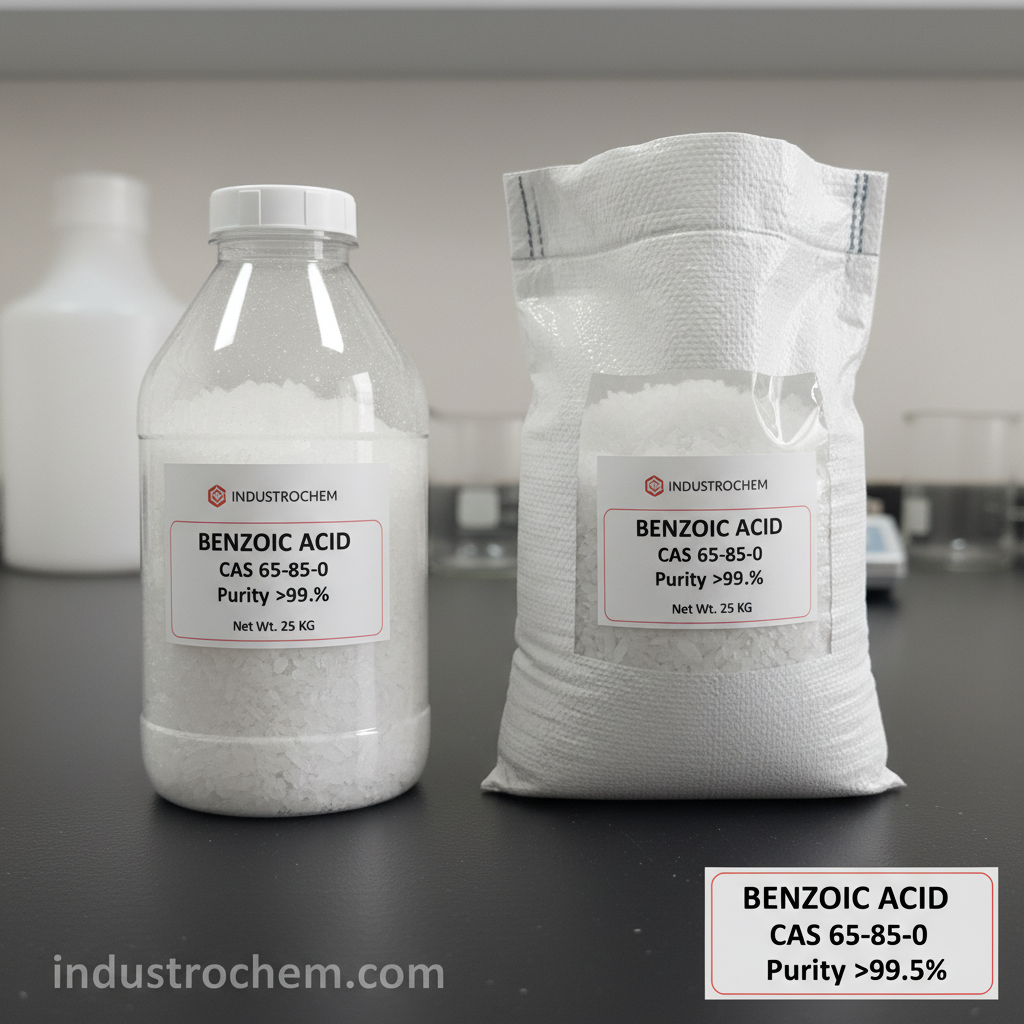
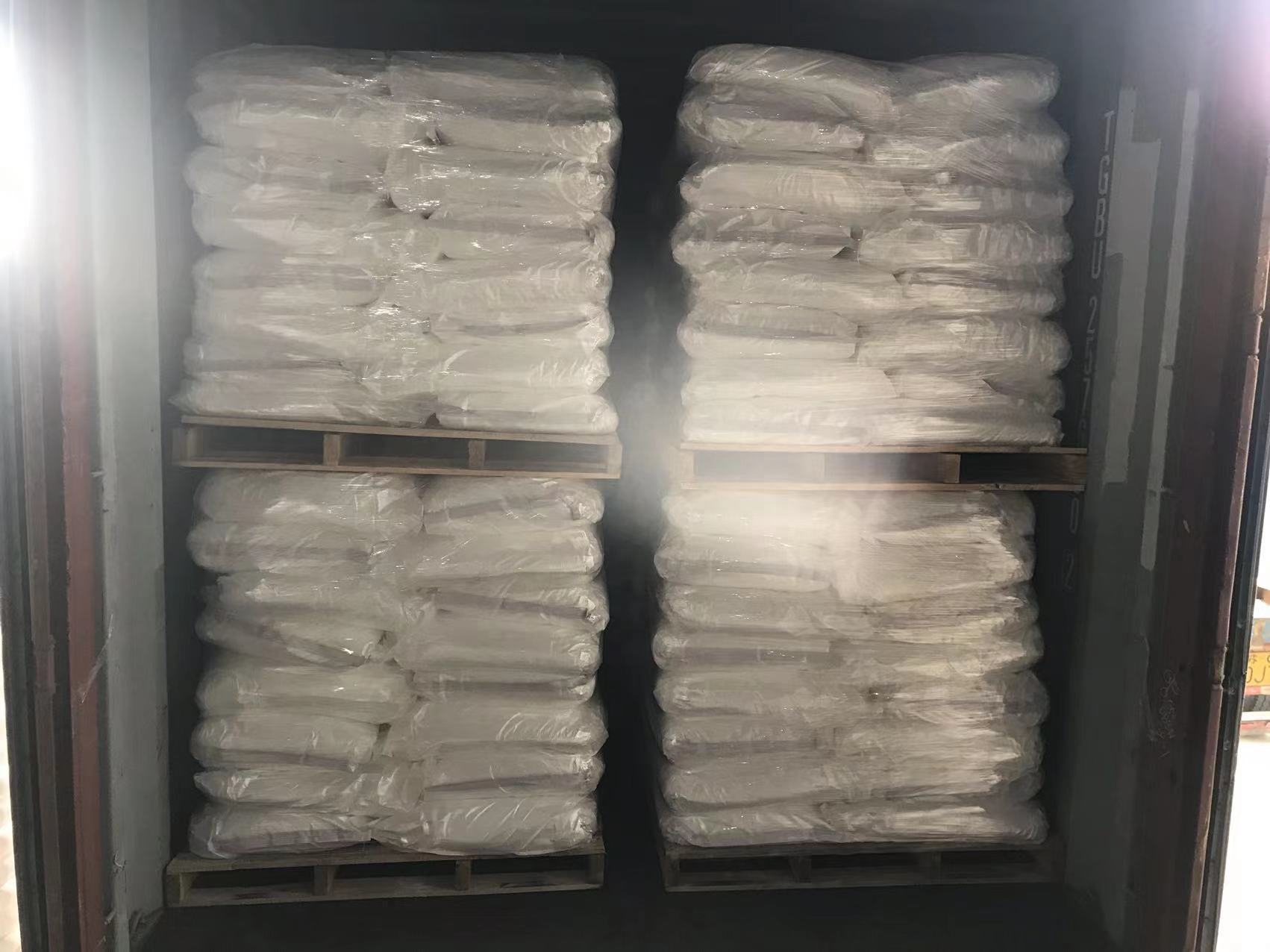
• Benzoic Acid CAS 65-85-0
  • Benzoic Acid CAS 65-85-0
  • Benzoic Acid CAS 65-85-0

Benzoic Acid CAS 65-85-0

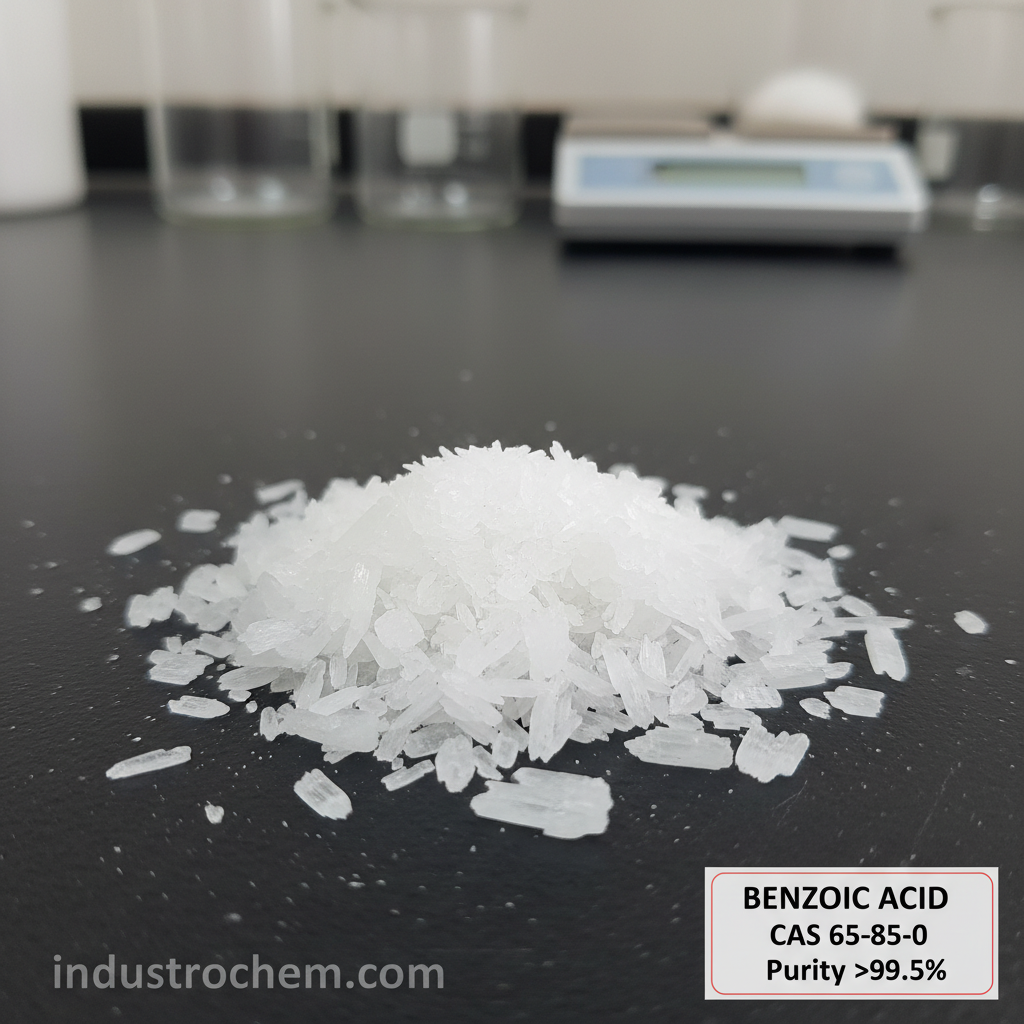
Benzoic Acid CAS 65-85-0 is a crystalline aromatic carboxylic acid chemically defined as benzenecarboxylic acid, functioning primarily as a precursor for the synthesis of sodium benzoate preservatives and a chain-stopping agent in alkyd resin production. Also known as Dracylic acid or Carboxybenzene, this organic solid is utilized to regulate polymerization molecular weight in industrial coating formulations and serves as a pH adjuster and antimicrobial intermediate in cosmetic and pharmaceutical processing. We provide professional access to this material with competitive factory pricing and the ability to meet customized specifications for various manufacturing requirements. Our commitment to technical transparency ensures that every shipment is accompanied by comprehensive MSDS, TDS, COA documentation to support your quality assurance protocols, and we maintain capacity for consistent bulk supply to facilitate large-scale industrial operations.

  • CAS: 65-85-0
  • Synonyms: Benzenecarboxylic acid, Carboxybenzene, Dracylic acid, Phenylformic acid, Benzeneformic acid
  • Einecs: 200-618-2
  • Molecular Formula: C6H5COOH
  • Grade: Food/Pharma Grade
  • Package: 25kg/bag (Plastic woven bag with PE liner) or 500kg/1000kg Jumbo Bag.
Request a quote
Share:

Product Description

Physical & Chemical Properties

Benzoic Acid typically appears as white, silk-like scales or needles. While it is solid at room temperature, its behavior under heat and in solvents defines its utility.

PropertySpecification / Description
Chemical NameBenzoic Acid
CAS Number65-85-0
Molecular FormulaC7H6O2
AppearanceWhite crystalline powder, scales, or needles
Molar Mass122.12 g/mol
Melting Point122.4°C (252.3°F)
Boiling Point249.2°C (480.6°F)
Solubility (Water)Slightly soluble in cold water (2.9 g/L at 20°C); Soluble in hot water
Solubility (Solvents)Soluble in alcohol, ether, and benzene
Flash Point121°C (Closed Cup)
SublimationBegins to sublime at approx. 100°C

Key Applications

Benzoic Acid is rarely the end product; it is the catalyst for performance in other sectors.

1. Plasticizers and Resins (Industrial Grade)

This is the largest consumption sector. Benzoic Acid is a primary raw material for benzoate plasticizers, which are increasingly popular as eco-friendly alternatives to phthalates in PVC and other polymers. It is also used in Alkyd Resins to improve the gloss, adhesion, and hardness of paints and coatings.

2. Food & Beverage Preservation (Food Grade)

Known as preservative E210, Benzoic Acid and its salts (Sodium Benzoate) inhibit bacteria, yeast, and mold. It is highly effective in acidic environments, making it the standard for soft drinks, fruit juices, pickles, and barbecue sauces.

3. Pharmaceutical Intermediates

It serves as a precursor for various drugs and is used directly in antifungal ointments (such as Whitfield’s Ointment) to treat fungal skin diseases.

4. Chemical Synthesis

It is the starting material for Benzoyl Chloride, a critical intermediate used in the production of peroxides (for polymerization initiation) and dyes.

Safety and Prevention Measures

While Benzoic Acid is widely used, it is categorized as an irritant. Proper handling protocols are non-negotiable to ensure worker safety.

  • Dust Hazards: The fine powder form can generate dust clouds. In high concentrations, organic dust can be combustible. Facilities must use grounded equipment and explosion-proof ventilation.
  • Inhalation: Inhaling the dust causes irritation to the nose and throat. Staff should always use NIOSH-approved dust masks (N95 or equivalent).
  • Skin & Eye Contact: It can cause mild to moderate irritation. Safety goggles and protective gloves are standard requirements.
  • First Aid: In case of contact with eyes, rinse immediately with plenty of water for at least 15 minutes.

Storage and Handling Conditions

One of the most common issues buyers face with Benzoic Acid is “caking”—where the powder clumps together into hard blocks. This usually happens due to poor storage.

To maintain the free-flowing nature of the material:

  1. Humidity Control: Store in a dry area. Relative humidity should be kept low.
  2. Temperature: Keep in a cool, well-ventilated place, away from direct sunlight and heat sources. The melting point is relatively low; excess heat can encourage caking.
  3. Separation: Store away from strong oxidizers (like fluorine or oxygen) and strong bases.
  4. Packaging Integrity: Most exports from China come in 25kg woven bags with PE liners. Ensure the inner liner is sealed tight after partial use to prevent moisture absorption.

FAQ - Technical & Supply Chain

  • Q:

    Does Benzoic Acid (CAS 65-85-0) dissolve directly in cold aqueous formulations?

    A: No. Benzoic Acid exhibits poor solubility in cold water (approximately 2.9 g/L at 20°C). For industrial aqueous formulations, it typically requires heating to dissolve or is neutralized with a base (such as sodium hydroxide) to form a water-soluble salt (Sodium Benzoate) before incorporation into the liquid phase.
  • Q:

    What is the technical function of Benzoic Acid in alkyd resin manufacturing?

    A: In the production of alkyd resins and polyesters, this material is intended for use as a chain terminator. It is added during the polymerization process to control the molecular weight growth and viscosity of the resin, thereby improving the gloss, hardness, and drying time of the final coating application.
Documents

Documents and Product Support

For product review and sourcing evaluation, supporting documents can be coordinated according to the product type, inquiry stage, and order requirements.

  • COA for batch-based quality reference
  • TDS for key physical and chemical information
  • SDS / MSDS for handling, storage, and safety reference
  • Packing information for sample, trial, and bulk orders
  • Technical communication based on application and specification requirements
Quotation

Information to Confirm Before Quotation

Clear sourcing information helps reduce specification mismatch and allows a more accurate quotation before sample or bulk order discussion.

  • Product name and CAS number
  • Application or intended end use
  • Required purity, grade, or specification
  • Sample quantity, trial order, or bulk demand
  • Preferred packing form or net weight
  • Destination country or port
  • Required documents or compliance expectations
Storage & Handling

Packaging, Storage, and Handling Notes

Packaging form, storage conditions, shelf life, and shipment arrangements should be confirmed according to the product characteristics, package size, and destination requirements.

Before order confirmation, buyers are advised to review the corresponding product documents and confirm whether any special storage, labeling, or handling requirements apply.

Supply Support

Sample, Bulk Order and Repeat Supply Support

Support can be arranged for sample discussion, bulk supply planning, packaging confirmation, and routine sourcing communication based on the actual product and order requirements.

For repeat-use formulations or long-term procurement plans, buyers may discuss specification consistency, packaging preferences, delivery expectations, and document coordination in advance.

Contact Form

Use our contact form to send us your questions, suggestions or comments. We will respond as soon as possible.