









Calcium Glycerophosphate CAS 27214-00-2 is a water-soluble organic mineral salt chemically defined as the calcium salt of glycerophosphoric acid , functioning primarily as a highly bioavailable source of calcium and phosphorus in nutritional supplements and an anti-caries agent in oral care formulations. Also known as Calcium glycerylphosphate or Glycerol phosphate calcium salt, this fine white powder is utilized to neutralize plaque acidity in toothpaste manufacturing and serves as a mineral fortification agent in food processing that does not precipitate as readily as inorganic calcium salts. We provide professional access to this material with competitive factory pricing and the ability to meet customized specifications for various manufacturing requirements. Our commitment to technical transparency ensures that every shipment is accompanied by comprehensive MSDS, TDS, COA documentation to support your quality assurance protocols, and we maintain capacity for consistent bulk supply to facilitate large-scale industrial operations.
Calcium Glycerophosphate CAS 27214-00-2
- CAS: 27214-00-2
- Synonyms: Calcium glycerylphosphate, Glycerophosphoric acid calcium salt, Calcium glycerinophosphate, 1,2,3-Propanetriol mono(dihydrogen phosphate) calcium salt, Neurosin
- Einecs: 248-328-5
- Molecular Formula: C3H7CaO6P
- Grade: Food/Pharma Grade
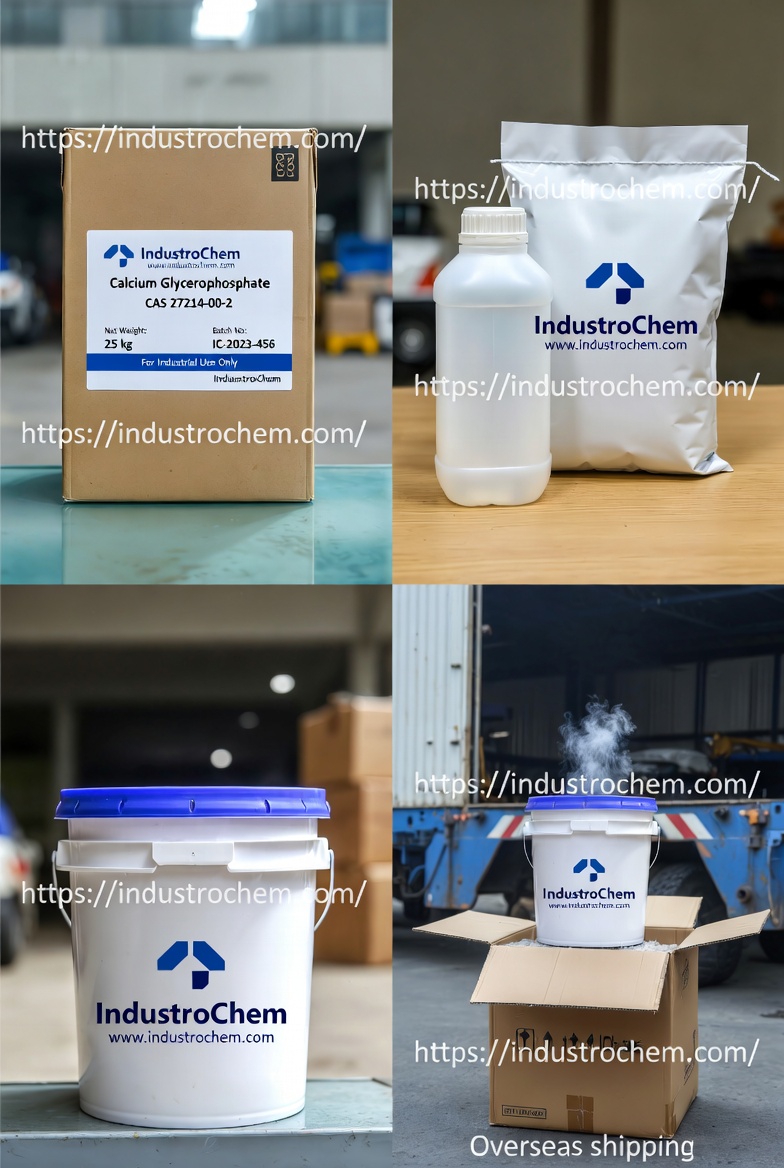
- Package: 25kg/bag (Plastic woven bag with PE liner) or 500kg/1000kg Jumbo Bag.
Product Description
Physical & Chemical Properties
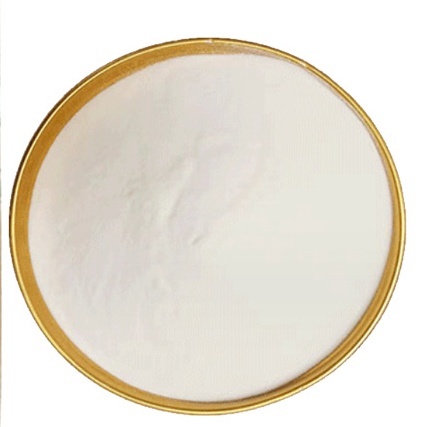
Calcium Glycerophosphate is a white or slightly yellowish crystalline powder. Its key advantage over other calcium salts is its solubility profile and amphoteric nature, making it versatile in various pH environments.
| Property | Specification / Description |
|---|---|
| Product Name | Calcium Glycerophosphate |
| CAS Number | 27214-00-2 |
| Molecular Formula | C3H7CaO6P |
| Molecular Weight | 210.14 g/mol |
| Appearance | White or slightly white crystalline powder |
| Odor | Odorless |
| Assay (Dry Basis) | 98.0% – 102.0% |
| Solubility | Slightly soluble in water; Soluble in dilute acids; Insoluble in alcohol |
| pH Value | Typically alkaline (saturated solution) |
| Loss on Drying | ≤ 12.0% (depending on hydration state) |
| Stability | Stable under normal temperature and pressure |
Key Application Fields
1. Advanced Oral Care (Toothpaste & Mouthwash)
This is the highest-value application for CAS 27214-00-2.
- Plaque Fighter: It helps neutralize the acidic environment in the mouth, which is the primary cause of tooth decay.
- Remineralization: It provides both Calcium and Phosphate ions—the building blocks of enamel. It acts synergistically with fluoride to strengthen teeth more effectively than fluoride alone.
- Sensitivity: It is a key ingredient in “desensitizing” toothpastes.
2. Dietary Supplements & Infant Nutrition
- Bioavailability: Unlike Calcium Carbonate, which requires strong stomach acid to break down, Calcium Glycerophosphate is more easily absorbed by the body.
- Digestive Comfort: It is less likely to cause gas, bloating, or constipation, making it ideal for premium supplement lines targeting sensitive consumers or infants (often used in formula fortification).
3. Food Fortification
Because it is odorless and has a relatively neutral taste profile compared to other calcium salts, it does not alter the flavor of fortified beverages, yogurts, or baked goods.
Safety and Precautionary Measures
Although Calcium Glycerophosphate is widely recognized as safe (GRAS in many jurisdictions) for consumption, handling the raw chemical requires standard industrial safety protocols.
- Inhalation: The powder can be fine. Inhalation may cause respiratory tract irritation. Workers should use N95 dust masks during weighing and mixing.
- Eye Contact: Mechanical irritation is possible. Safety goggles are mandatory in the blending area.
- Ingestion: While safe in food dosages, accidental ingestion of large, concentrated quantities should be managed by drinking water and seeking medical advice.
Storage and Handling Conditions
Proper storage is critical to maintaining the material’s flowability and preventing microbial growth.
- Moisture Sensitivity: The product is slightly hygroscopic (absorbs moisture from the air). If left open, it can clump, which causes issues in automated feeders.
- Environment: Store in a cool, dry, and well-ventilated warehouse. Temperature should ideally be below 25°C.
- Packaging: Standard export packaging from Chinese factories is usually 25kg fiber drums or kraft paper bags with double PE liners. The fiber drum is recommended for ocean transport to prevent compression and moisture ingress.
- Shelf Life: Typically 24 months when stored in original, unopened packaging.
FAQ - Technical & Supply Chain
-
Q:
How does the solubility of Calcium Glycerophosphate (CAS 27214-00-2) compare to standard Calcium Carbonate in liquid formulations?
A: Calcium Glycerophosphate exhibits significantly superior water solubility compared to inorganic salts like Calcium Carbonate or Tricalcium Phosphate. This physical property allows industrial formulators to create clear or semi-transparent liquid calcium supplements and oral care rinses without the sedimentation or chalky texture issues associated with insoluble calcium sources. -
Q:
Why is this specific calcium salt preferred for anti-caries toothpaste formulations?
A: In dental product manufacturing, Calcium Glycerophosphate is selected for its buffering capacity and plaque-suppression mechanism. Unlike abrasive calcium fillers, it functions chemically to reduce the acid solubility of enamel and elevate calcium and phosphate levels in saliva, thereby promoting remineralization in "low-abrasion" sensitive toothpastes.
Documents and Product Support
For product review and sourcing evaluation, supporting documents can be coordinated according to the product type, inquiry stage, and order requirements.
- COA for batch-based quality reference
- TDS for key physical and chemical information
- SDS / MSDS for handling, storage, and safety reference
- Packing information for sample, trial, and bulk orders
- Technical communication based on application and specification requirements
Information to Confirm Before Quotation
Clear sourcing information helps reduce specification mismatch and allows a more accurate quotation before sample or bulk order discussion.
- Product name and CAS number
- Application or intended end use
- Required purity, grade, or specification
- Sample quantity, trial order, or bulk demand
- Preferred packing form or net weight
- Destination country or port
- Required documents or compliance expectations
Packaging, Storage, and Handling Notes
Packaging form, storage conditions, shelf life, and shipment arrangements should be confirmed according to the product characteristics, package size, and destination requirements.
Before order confirmation, buyers are advised to review the corresponding product documents and confirm whether any special storage, labeling, or handling requirements apply.
Sample, Bulk Order and Repeat Supply Support
Support can be arranged for sample discussion, bulk supply planning, packaging confirmation, and routine sourcing communication based on the actual product and order requirements.
For repeat-use formulations or long-term procurement plans, buyers may discuss specification consistency, packaging preferences, delivery expectations, and document coordination in advance.