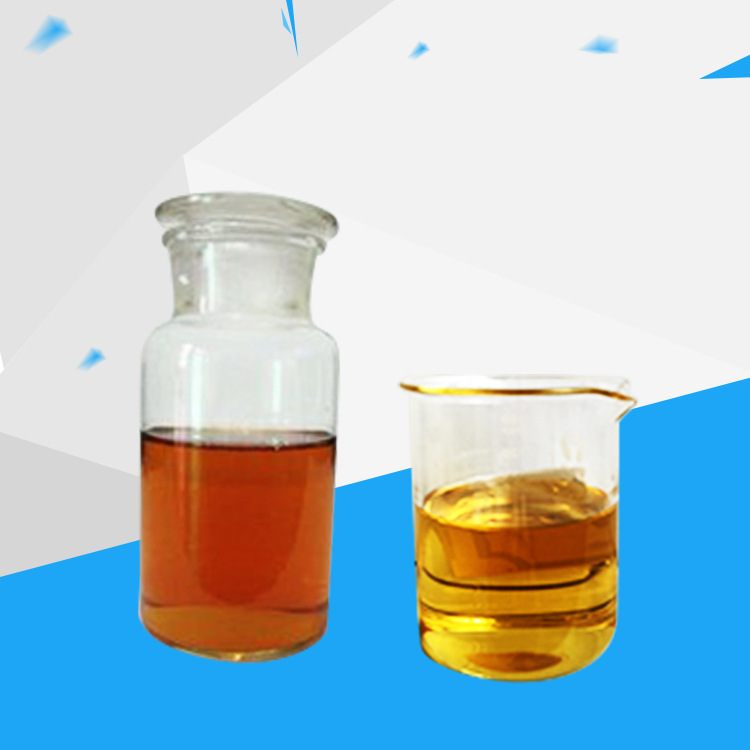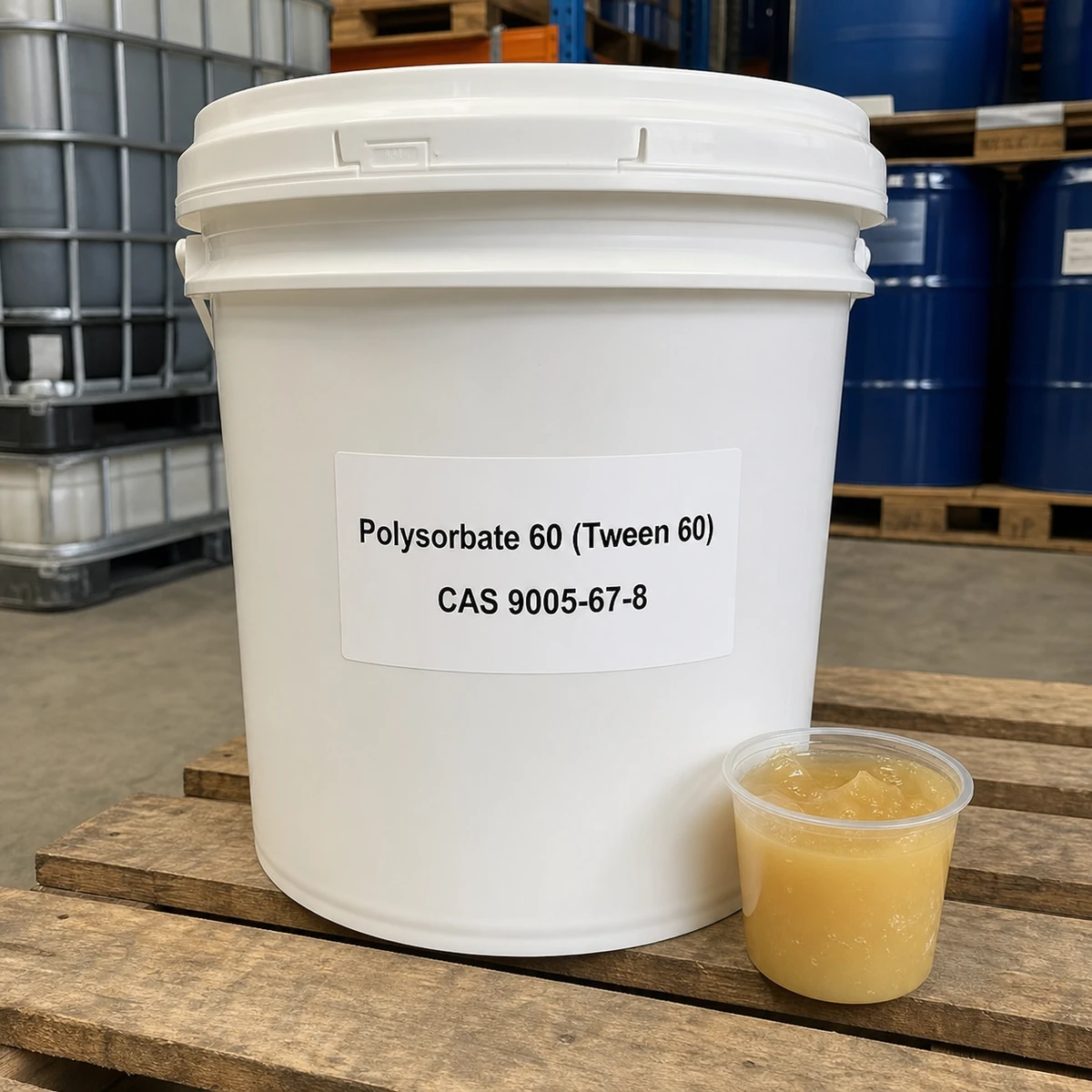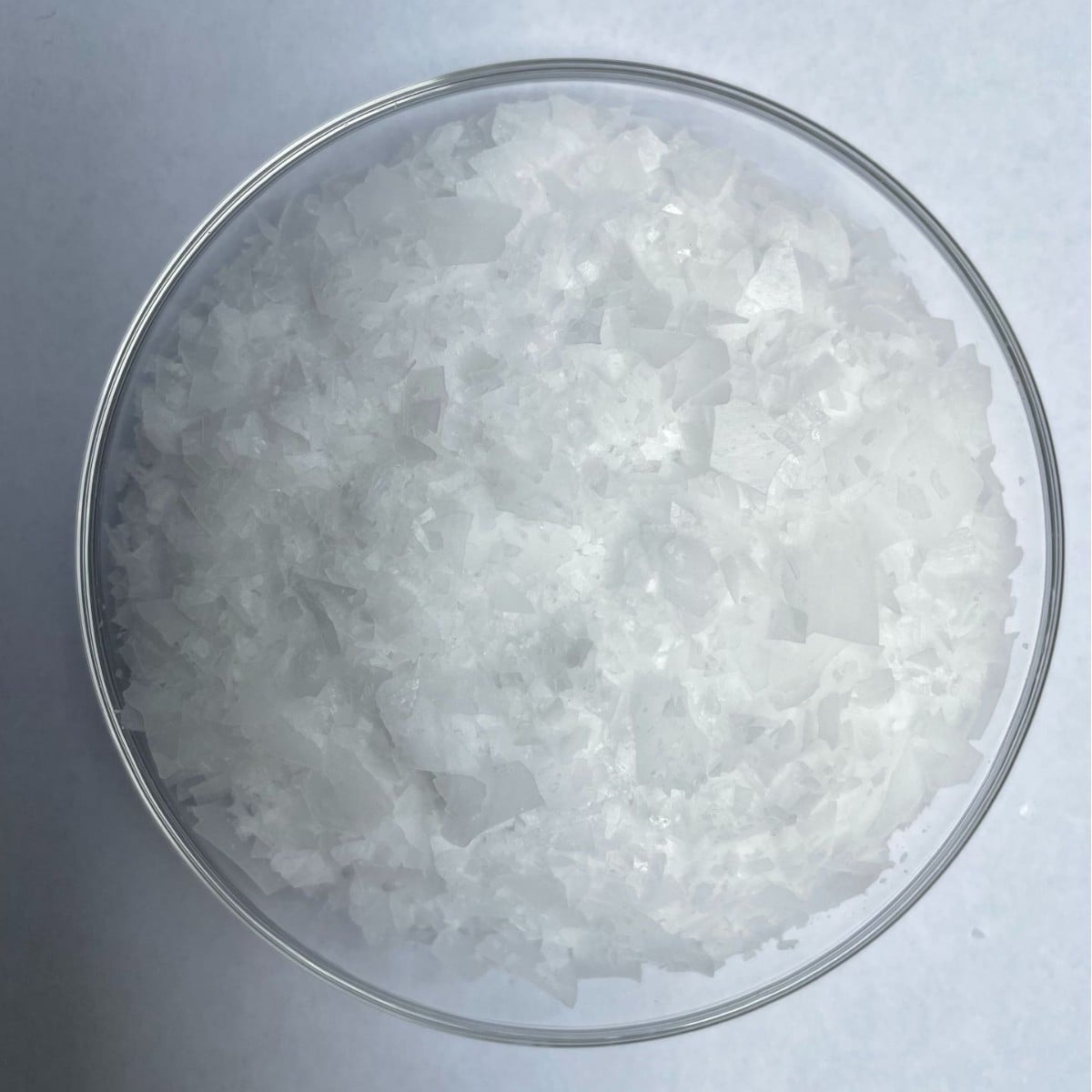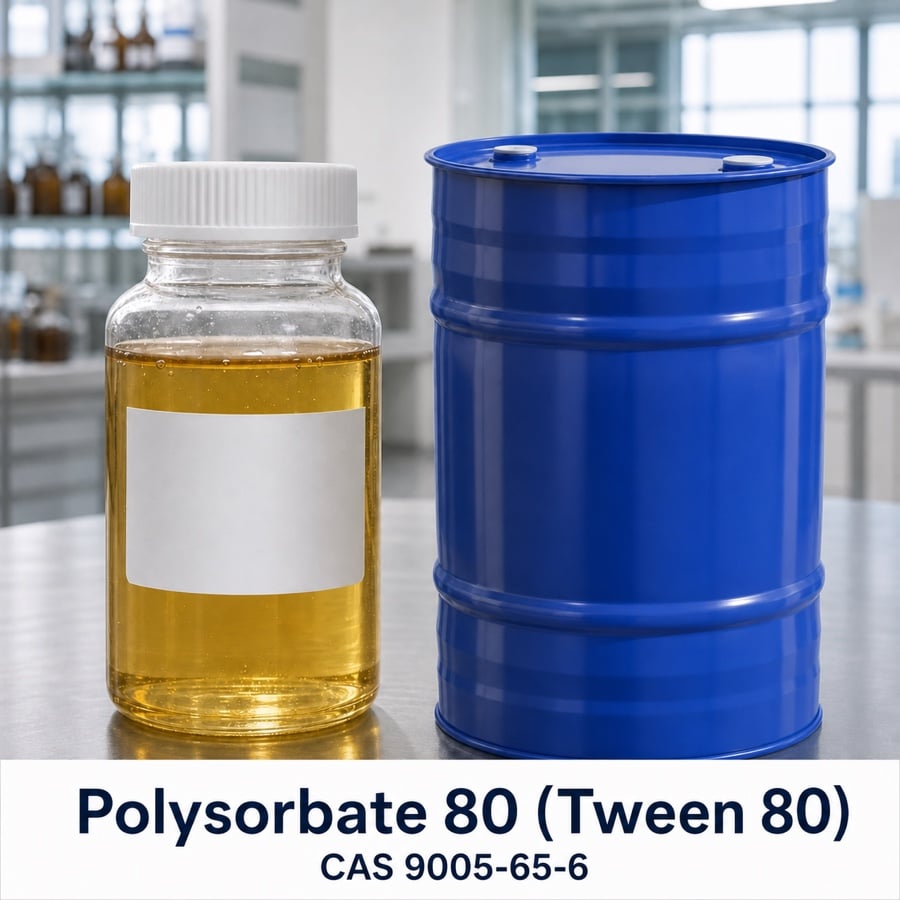
Polysorbate 80 (Tween 80, CAS 9005-65-6, EC/List No. 500-019-9) is an ethoxylated sorbitan oleate distribution used as a hydrophilic nonionic emulsifier and solubilizer. It is not one pure compound with a fixed molecular formula, and it is chemically distinct from non-ethoxylated Span 80. Commercial grades can differ by applicable monograph, fatty-acid and ester distribution, peroxide value, acid, saponification and hydroxyl values, water and impurity controls. The intended application standard and oxidation limits guide grade selection, with physical form and packaging specified for supply. Technical Data Sheet (TDS), Certificate of Analysis (COA) and Safety Data Sheet (SDS) are available for specification and handling information.
Polysorbate 80 (Tween 80) CAS 9005-65-6
- CAS: 9005-65-6
- Synonyms: Polysorbate 80; Polyoxyethylene (20) sorbitan monooleate; PEG-20 sorbitan oleate; Tween 80; Emulsifier T-80
- Molecular Formula: No fixed formula; C₆₄H₁₂₄O₂₆ is a nominal average representation
- Grade: Grade defined by the requested application standard, with fatty-acid profile, oxidation and impurity limits specified
- Package: Packaging and net weight specified in the quotation; storage and handling requirements follow the quoted grade
- EC / List No.: 500-019-9
Product Description
Product overview
Polysorbate 80 (CAS 9005-65-6, EC/List 500-019-9), commonly called Tween 80, is a nonionic surfactant and oil-in-water emulsifier made by ethoxylating sorbitan oleate esters. It is a distribution of polyoxyethylene sorbitan partial oleate esters with approximately 20 oxyethylene units on average; C₆₄H₁₂₄O₂₆ is a nominal average representation rather than an exact molecular formula. Commercial quality is defined by the selected specification, including acid, saponification and hydroxyl values, water, peroxide value, fatty-acid composition and relevant impurities. Food, cosmetic, industrial and pharmaceutical applications can require different grades and documentation.
Technical information
| Product | Polysorbate 80 (Tween 80) CAS 9005-65-6 |
|---|---|
| CAS number | 9005-65-6 |
| EC / list number | 500-019-9 |
| Molecular formula / identity | No fixed formula; C₆₄H₁₂₄O₂₆ is a nominal average representation |
| Synonyms | Polysorbate 80; Polyoxyethylene (20) sorbitan monooleate; PEG-20 sorbitan oleate; Tween 80; Emulsifier T-80 |
| Grade | Grade defined by the requested application standard, with fatty-acid profile, oxidation and impurity limits specified |
| Packaging | Packaging and net weight specified in the quotation; storage and handling requirements follow the quoted grade |
Quality data and analytical methods
GC-FID after fatty-acid methyl ester preparation characterizes the relative fatty-acid composition. Oleic-acid peak area is a proportion of that fatty-acid profile, not whole-product purity. Where residual ethylene oxide and 1,4-dioxane limits apply, headspace GC is a separate impurity test. HPLC-CAD fingerprints can support ester-distribution comparisons for sensitive formulations; the profile and method need to match the comparison being made. Appropriate composition data, chromatograms and test-method information can be provided for the requested specification.
Formulation comparisons
Polysorbate 80 has a typical HLB of about 15; this is a formulation guide, not a guarantee of grade equivalence or stability. Non-ethoxylated Span 80 is more lipophilic and can be combined with Polysorbate 80 when a mixed emulsifier system is suitable. Polysorbate 20 uses a laurate-rich fatty-acid profile, while Polysorbate 60 is based on a stearate-rich profile. These differences affect formulation selection; substitution needs application testing rather than relying on a similar HLB number. Castor Oil Ethoxylate EL-40 is a different nonionic surfactant option for compatible industrial emulsification and solubilization systems.
Handling and documentation
For a quotation, the intended use and required specification help identify the appropriate grade; quantity and destination help determine packaging and delivery details. Keep the product tightly closed and protected from light, following the storage and handling instructions for the quoted grade.
FAQ - Technical & Supply Chain
-
Q:
Does CAS 9005-65-6 by itself identify an equivalent Polysorbate 80 grade?
A: No. CAS 9005-65-6 identifies the Polysorbate 80 material family, not an equivalent commercial grade. Fatty-acid and ester distribution, oxidation limits, water and impurity controls can differ. The quoted specification and its test methods establish which grade is being compared. -
Q:
Why should the intended standard be stated before comparing Polysorbate 80 grades?
A: Food, cosmetic, industrial and pharmacopeial applications can require different identity, impurity and documentary controls. The quoted grade is assessed against the requested standard and intended use. A shared name or CAS number does not establish suitability for every application. -
Q:
Which oxidation-related checks matter for Polysorbate 80 in a sensitive formulation?
A: Peroxide value, appearance, odour and storage protection are useful checks alongside the formulation’s own stability requirements. Polysorbate 80 can develop oxidation products, so a similar HLB number does not establish equivalent oxidation performance. Relevant quality data and handling requirements can be included with the quoted specification. -
Q:
What do Polysorbate 80 chromatograms measure?
A: A GC-FID fatty-acid profile measures relative fatty-acid composition after sample preparation; it is not a whole-product purity percentage. Headspace GC addresses residual ethylene oxide or 1,4-dioxane where the specification requires them. An HPLC-CAD fingerprint serves a different purpose: comparing the ester distribution of suitable raw-material samples.
Ordering & Documentation
Key information for document requests, quotations, and supply planning.
Documents
Tell us which documents your procurement team needs. Before an order, we will check whether the quoted source can provide them for the offered lot.
Quotation
Send the CAS number, grade, quantity, packing preference and destination.
Sample & Supply
Ask whether samples, trial quantities or repeat orders are possible. We will check each request against the sourced product and current offer.
Storage & Shipping
Product-specific conditions are confirmed before order.