
Ceteareth-30 is a nonionic surfactant produced by ethoxylating C16-C18 fatty alcohols to a nominal average of about 30 ethylene oxide units. Identified by CAS No. 68439-49-6 and EC No. 500-212-8, it is a composition distribution rather than one pure molecule. It is commonly evaluated as an oil-in-water emulsifier and solubilizing aid in personal-care and industrial formulations. Physical form and performance depend on the supplied specification and temperature. Industrial and personal-care suitability must be confirmed from the current TDS, SDS, COA and any market-specific documentation.
Ceteareth-30 CAS 68439-49-6
- CAS: 68439-49-6
- Synonyms: Ceteareth-30, Cetearyl Alcohol Ethoxylate, Nonionic Emulsifier, Fatty Alcohol Ethoxylate
- Einecs: 500-212-8
- Grade: Specify nominal EO, hydroxyl value, water, physical form, melting or conditioning behavior, oil phase, process and application-test criteria; compare the current TDS and batch COA.
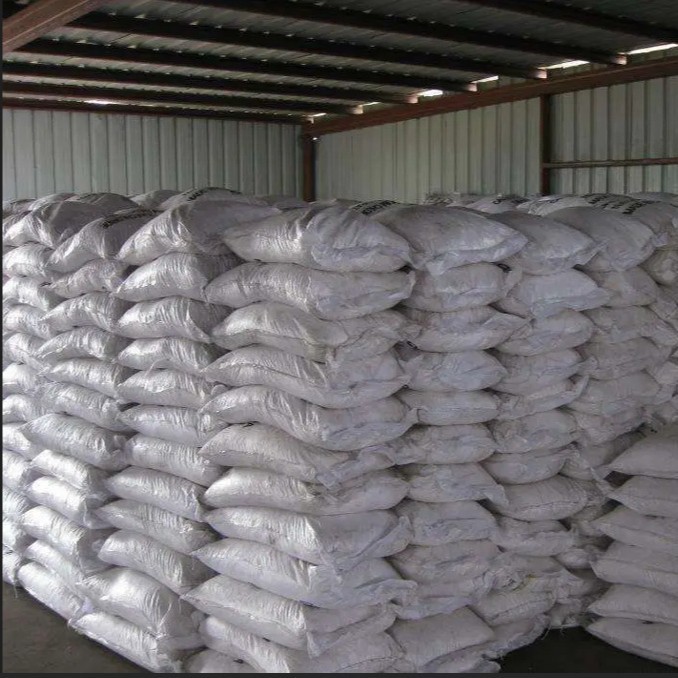
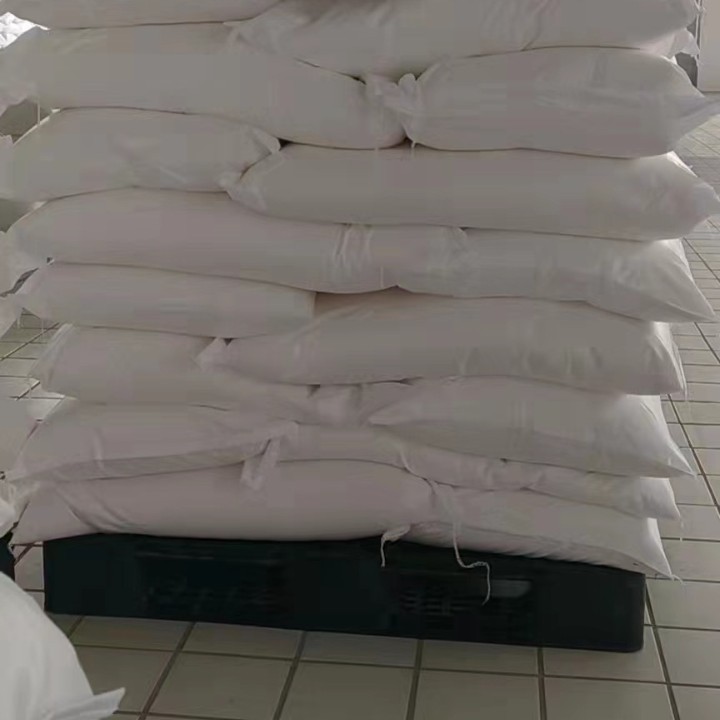
- Package: State required quantity, physical form and destination; confirm the current bag or container, liner, net weight, temperature handling and transport requirements before quotation.
Product Description
Physicochemical profile
| Item | Technical guidance |
|---|---|
| Product identity | Ceteareth-30; C16-C18 fatty alcohol ethoxylate with a nominal average near 30 ethylene oxide units |
| CAS / EC | 68439-49-6 / 500-212-8 |
| Composition | Reaction-product distribution; it does not have one fixed molecular formula or one molecular-purity value |
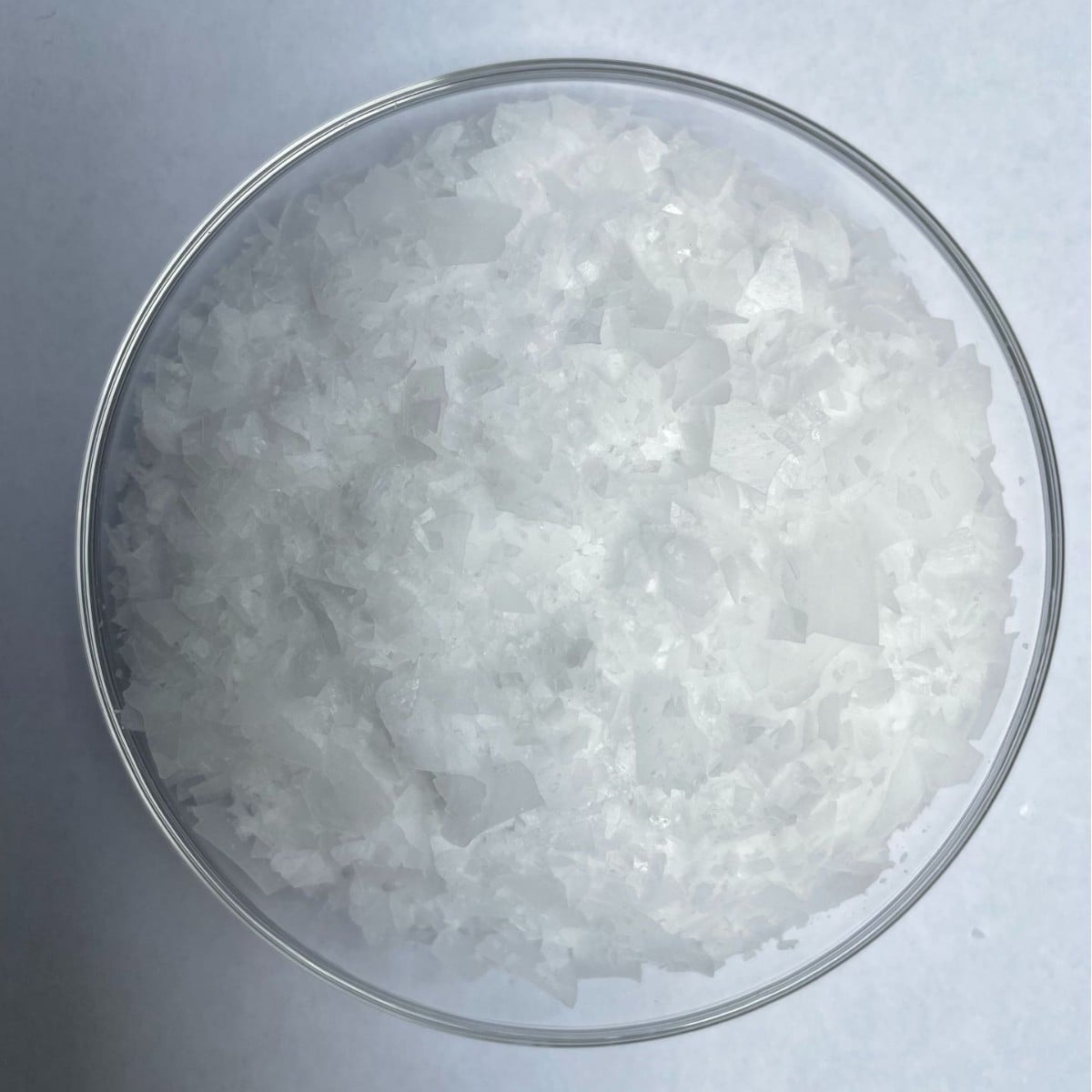
| Typical physical form | White to off-white waxy solid or paste; appearance and handling change with temperature and the supplied grade |
| Key quality controls | Nominal EO level, hydroxyl value, water, appearance, melting behavior and the supplier’s stated test methods |
| Performance qualification | Emulsification, solubilization, dispersion and finished-formulation stability under the buyer’s actual process conditions |
Application and grade selection
Ceteareth-30 is commonly evaluated as an oil-in-water emulsifier and solubilizing aid in personal-care and industrial formulations. Performance depends on the oil phase, total surfactant system, electrolyte level, pH, temperature and manufacturing sequence.
- For a replacement study, compare nominal EO level, hydroxyl value, physical form and melting behavior before running emulsion stability and viscosity trials.
- Personal-care use requires an appropriately documented grade, market-specific ingredient documentation and a finished-product safety assessment.
- Do not use the shared CAS number as proof that two suppliers’ grades have identical composition or application performance.
Storage and handling
Keep the product in its original closed container in a dry, ventilated area away from excessive heat and direct sunlight. Warming or conditioning may be required before charging a waxy grade; follow the temperature limits stated on the current TDS and SDS.
Safety and supply documentation
Use workplace controls and personal protective equipment specified by the current SDS. Toxicity, irritation and biodegradability statements must be supported by data for the exact supplied grade and should not be inferred from the product name alone.
For procurement, request the current specification, COA, TDS and SDS, and state the intended application, quantity, destination, package and any personal-care or other regulated-use documentation required.
For adjacent emulsifier pages used in cream and lotion systems, see Steareth-21, Cetearyl Glucoside, and Polyglyceryl-4 Oleate.
FAQ - Technical & Supply Chain
-
Q:
Does the shared CAS number make Ceteareth-30 interchangeable with lower-EO Ceteareth grades?
A: No. CAS 68439-49-6 covers C16–C18 alcohol ethoxylates across multiple nominal EO levels. Ceteareth-30 has a higher ethoxylation level than grades such as Ceteareth-20, which can change cloud point, hydrophilic balance, physical form, and formulation behavior. Compare the specific grade data. -
Q:
What should an RFQ for Ceteareth-30 include?
A: State nominal EO, hydroxyl value, water, physical form, melting or conditioning requirement, oil phase and process, application-test criteria, quantity, destination and any market-specific documents. A shared CAS number does not establish equivalence with lower-EO Ceteareth grades.
Ordering & Documentation
Key information for document requests, quotations, and supply planning.
Documents
COA, TDS, SDS/MSDS and packing details are available on request.
Quotation
Send the CAS number, grade, quantity, packing preference and destination.
Sample & Supply
Support is available for samples, trial orders, bulk and repeat supply.
Storage & Shipping
Product-specific conditions are confirmed before order.