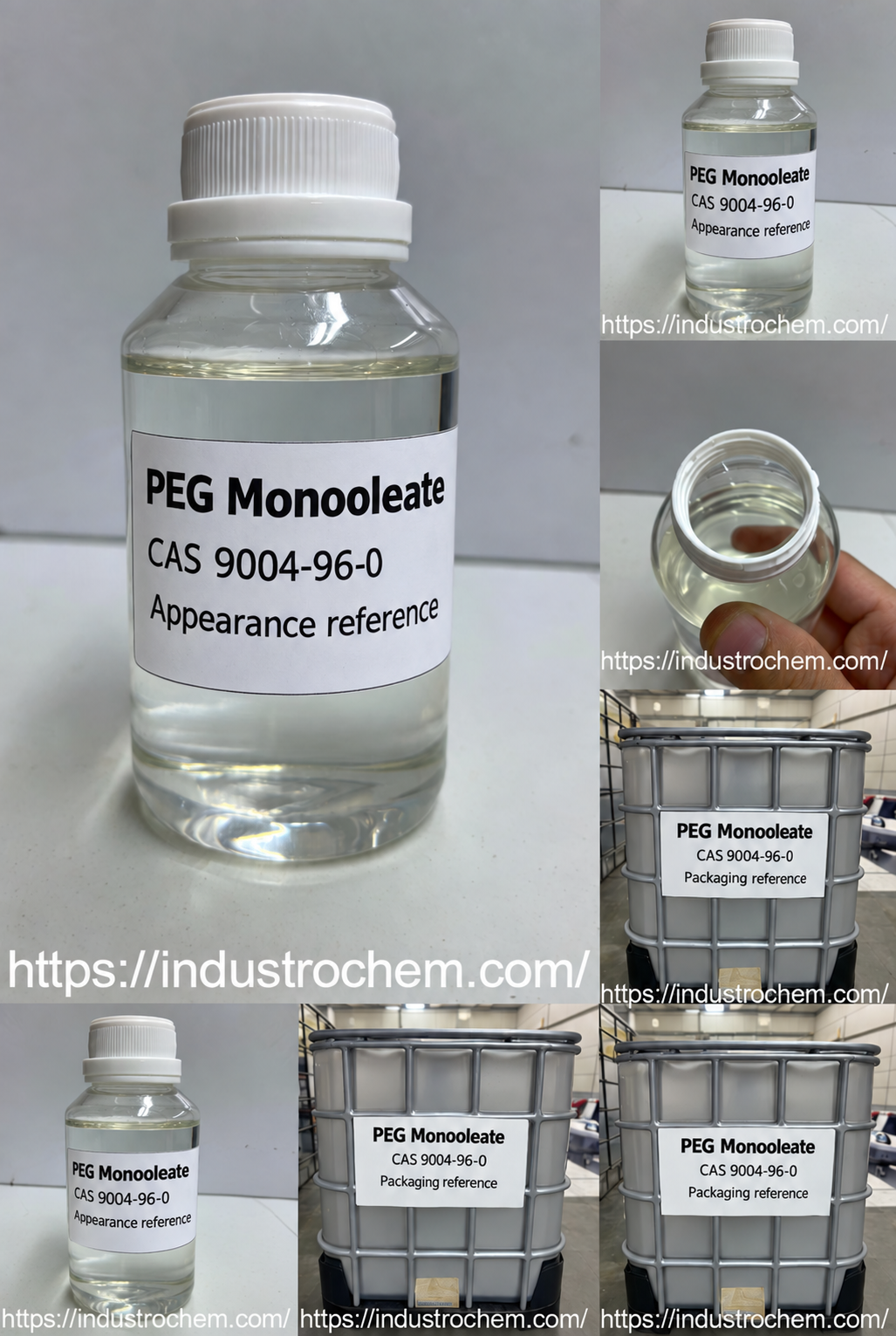
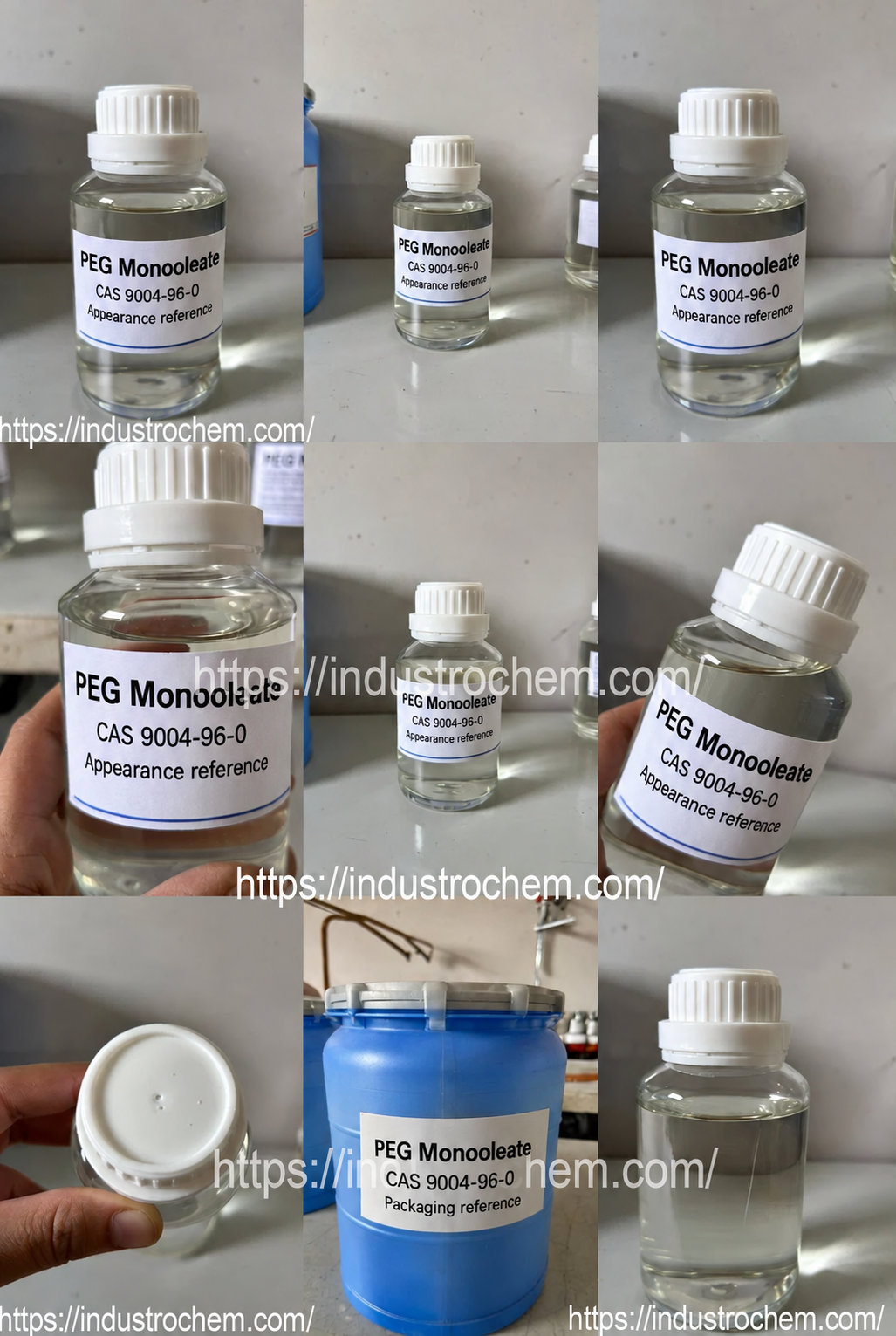
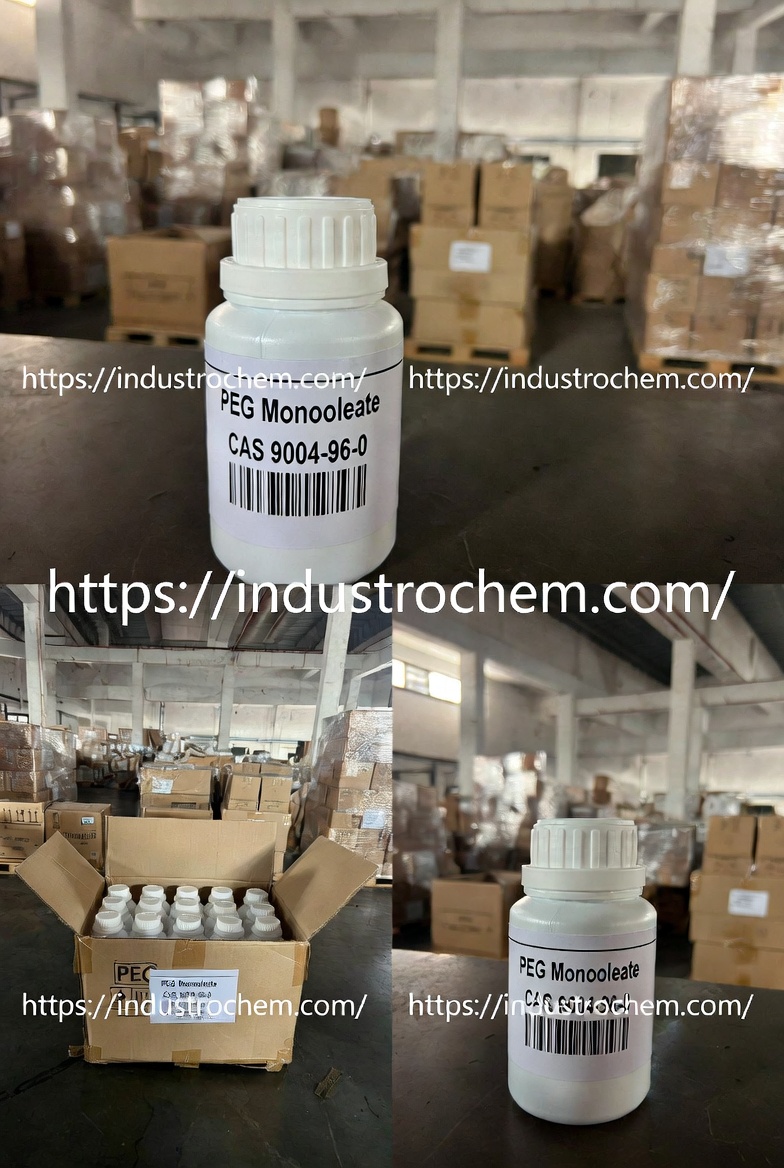
PEG Monooleate, also known as Polyethylene Glycol Oleate, is a nonionic surfactant formed by esterification of polyethylene glycol with oleic acid. Identified by the UVCB CAS No. 9004‑96‑0, it provides effective emulsification and solubilization in aqueous and oil systems. PEG Monooleate is commonly used as an emulsifier and solubilizer in industrial, cosmetic, and technical formulations where good compatibility and stability are required. The product is supplied with standard documentation including MSDS, TDS, and COA.
PEG Monooleate (Polyethylene Glycol Oleate) CAS 9004-96-0
- CAS: 9004-96-0
- Synonyms: PEG Monooleate, Polyethylene Glycol Oleate, PEG Oleate, Nonionic Emulsifier
- Einecs: 500-033-6
- Molecular Formula: C₂₀H₃₈O₃
- Grade: Industrial grade 99%
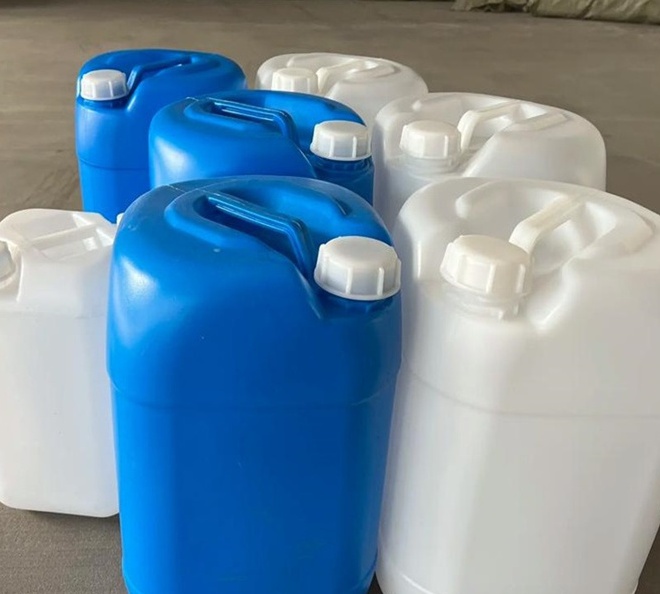
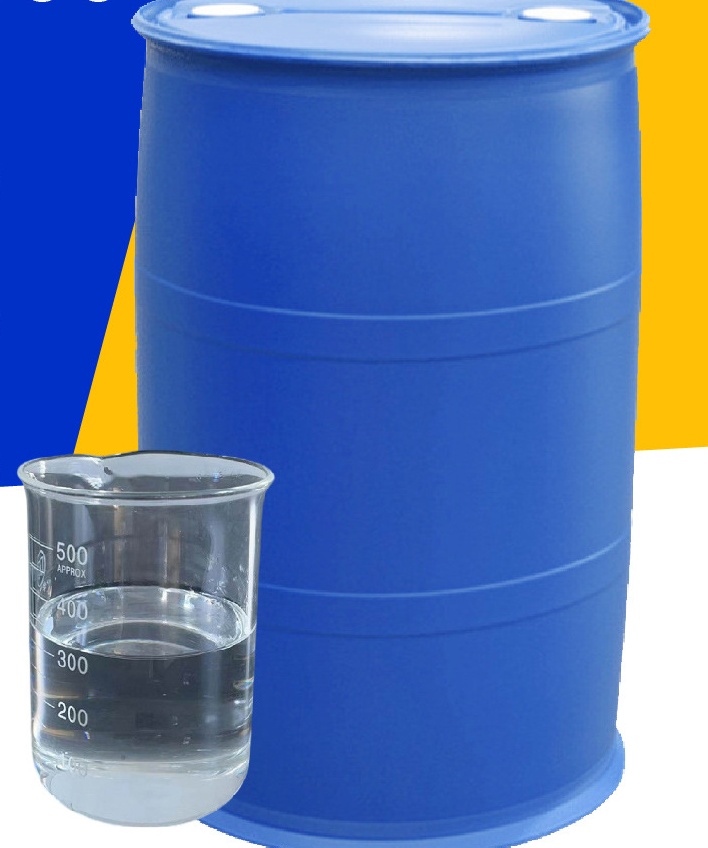
- Package: 200kg iron drum or 50kg plastic drum packaging
Product Description
Physicochemical properties
| Property | Description |
|---|---|
| Molecular Weight | 326.514 |
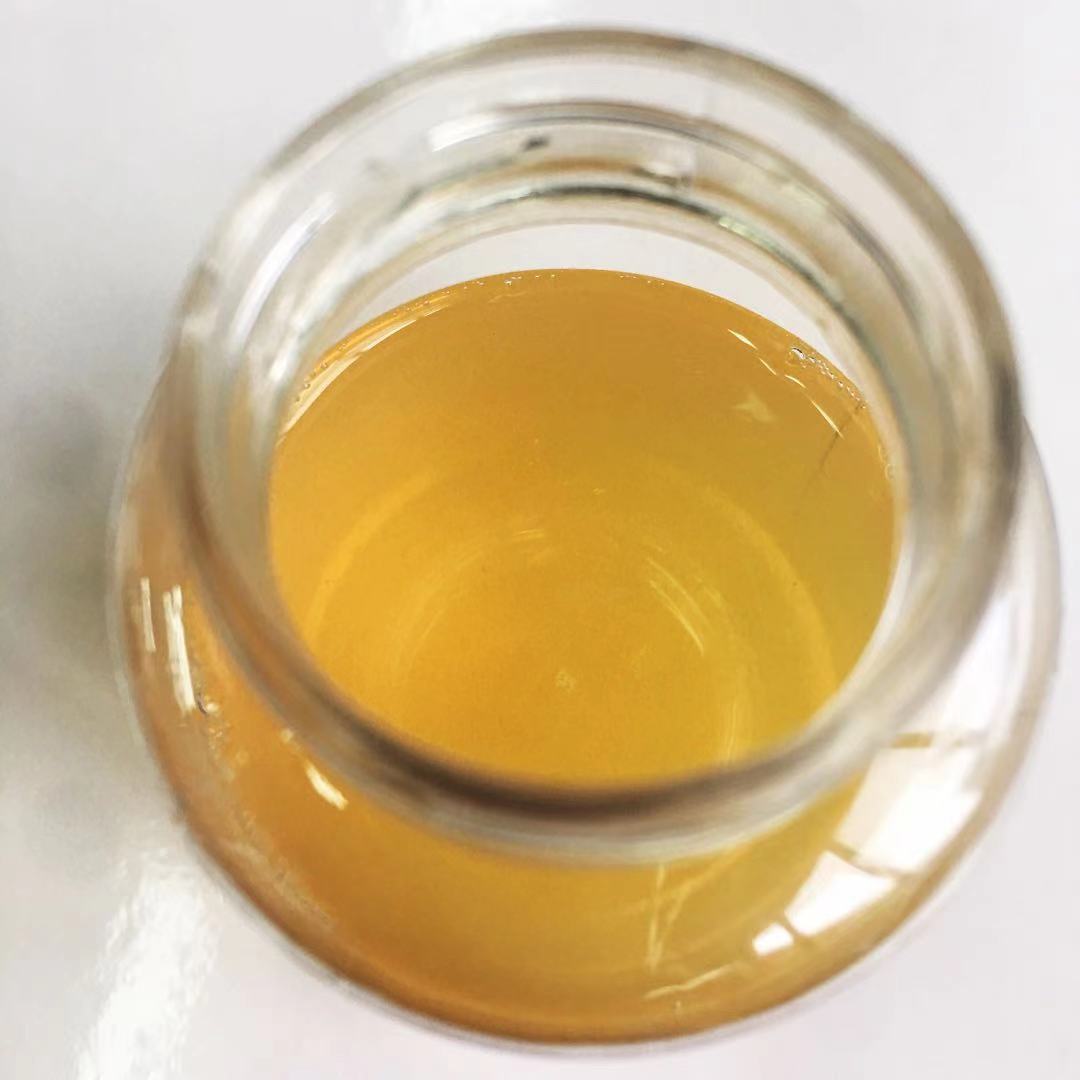
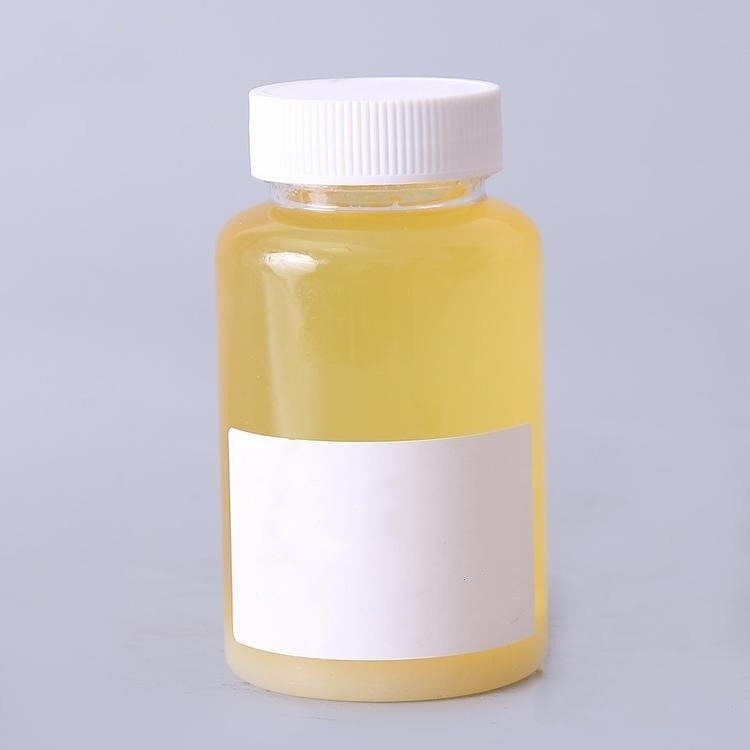
| Appearance | Brown viscous liquid (also described as amber liquid or light yellow oily substance in some sources) |
| Density | 0.924 g/cm³ (at 25℃) |
| Boiling Point | 437.5℃ (at 760 mmHg) |
| Flash Point | 165℃ (also reported as 113℃ in some sources, depending on the testing method) |
| Refractive Index | 1.468 (at 20℃) |
| Solubility | Soluble in toluene, ethanol, and acetone; dispersible in water (also reported as easily soluble in water in some sources) |
| Stability | Stable under normal storage conditions |
| HLB Value | Approximately 6.5 (for Emulsifier A-103, varies depending on the specific product and manufacturer) |
Application Areas
Industry: metal cleaning agents, cutting fluid emulsifiers, plastic antistatic agents.
Textile: Softener, antistatic agent, dyeing auxiliary agent.
Cosmetics: O/W emulsifier (must comply with pharmacopoeia standards).
Pesticides: emulsifier for insecticides, additive for water-soluble coatings.
Storage conditions
It is necessary to maintain a dry and sealed environment to avoid hydrolysis or oxidation caused by moisture or long-term exposure to air. Some manufacturers specifically indicate that it should be placed in a cool and ventilated place, and the temperature should not be too high
Safety precautions
Non-ionic surfactant, generally low toxicity.
Wear protective gloves/goggles during handling.
Dispose of waste according to local regulations.
FAQ - Technical & Supply Chain
-
Q:
Why do different PEG oleate grades share the same CAS number?
A: CAS 9004‑96‑0 represents a UVCB category covering PEG monooleates with different PEG molecular weights. -
Q:
Is PEG Monooleate water soluble?
A: It is dispersible or soluble in water depending on PEG molecular weight and formulation conditions.
Documents and Product Support
For product review and sourcing evaluation, supporting documents can be coordinated according to the product type, inquiry stage, and order requirements.
- COA for batch-based quality reference
- TDS for key physical and chemical information
- SDS / MSDS for handling, storage, and safety reference
- Packing information for sample, trial, and bulk orders
- Technical communication based on application and specification requirements
Information to Confirm Before Quotation
Clear sourcing information helps reduce specification mismatch and allows a more accurate quotation before sample or bulk order discussion.
- Product name and CAS number
- Application or intended end use
- Required purity, grade, or specification
- Sample quantity, trial order, or bulk demand
- Preferred packing form or net weight
- Destination country or port
- Required documents or compliance expectations
Packaging, Storage, and Handling Notes
Packaging form, storage conditions, shelf life, and shipment arrangements should be confirmed according to the product characteristics, package size, and destination requirements.
Before order confirmation, buyers are advised to review the corresponding product documents and confirm whether any special storage, labeling, or handling requirements apply.
Sample, Bulk Order and Repeat Supply Support
Support can be arranged for sample discussion, bulk supply planning, packaging confirmation, and routine sourcing communication based on the actual product and order requirements.
For repeat-use formulations or long-term procurement plans, buyers may discuss specification consistency, packaging preferences, delivery expectations, and document coordination in advance.
Contact Form
Use our contact form to send us your questions, suggestions or comments. We will respond as soon as possible.
Product Categories
Related Products
-
LABSA 96% CAS 27176-87-0 -
C12-14 Alkyl Dimethyl Amine Oxide | CAS 84649-84-3 | Industrial Grade -
Behentrimonium Chloride CAS 17301-53-0 -
Triton X-114 CAS 9036-19-5 -
Sorbitan Monooleate CAS 1338-43-8 -
Pentaerythritol Stearate (PETS) CAS 115-83-3 -
Emulsifier TX-10 CAS 9016-45-9 -
Tween-80 Emulsifier T-80 CAS 9005-65-6