









Chemical products
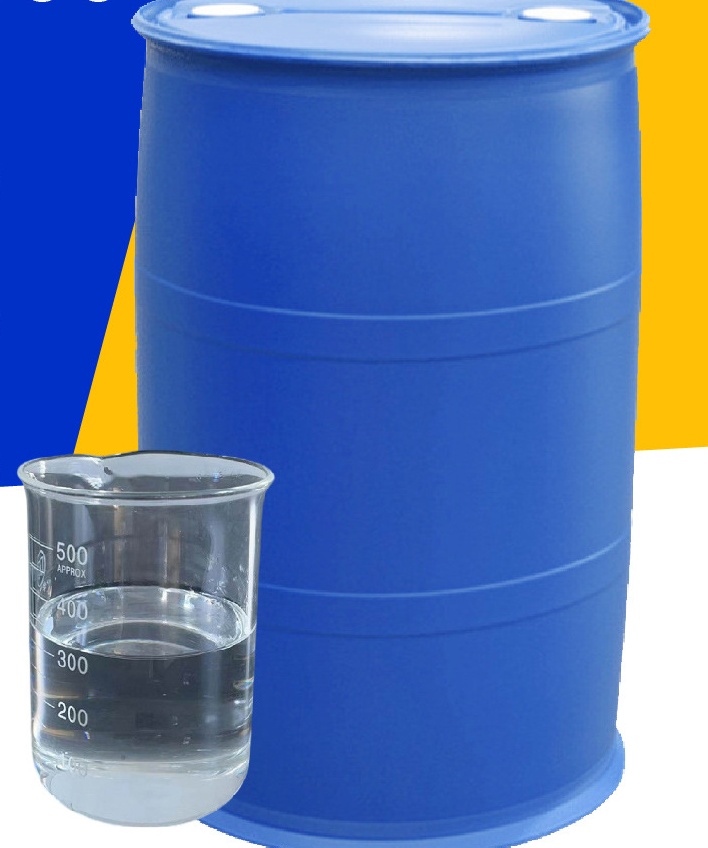
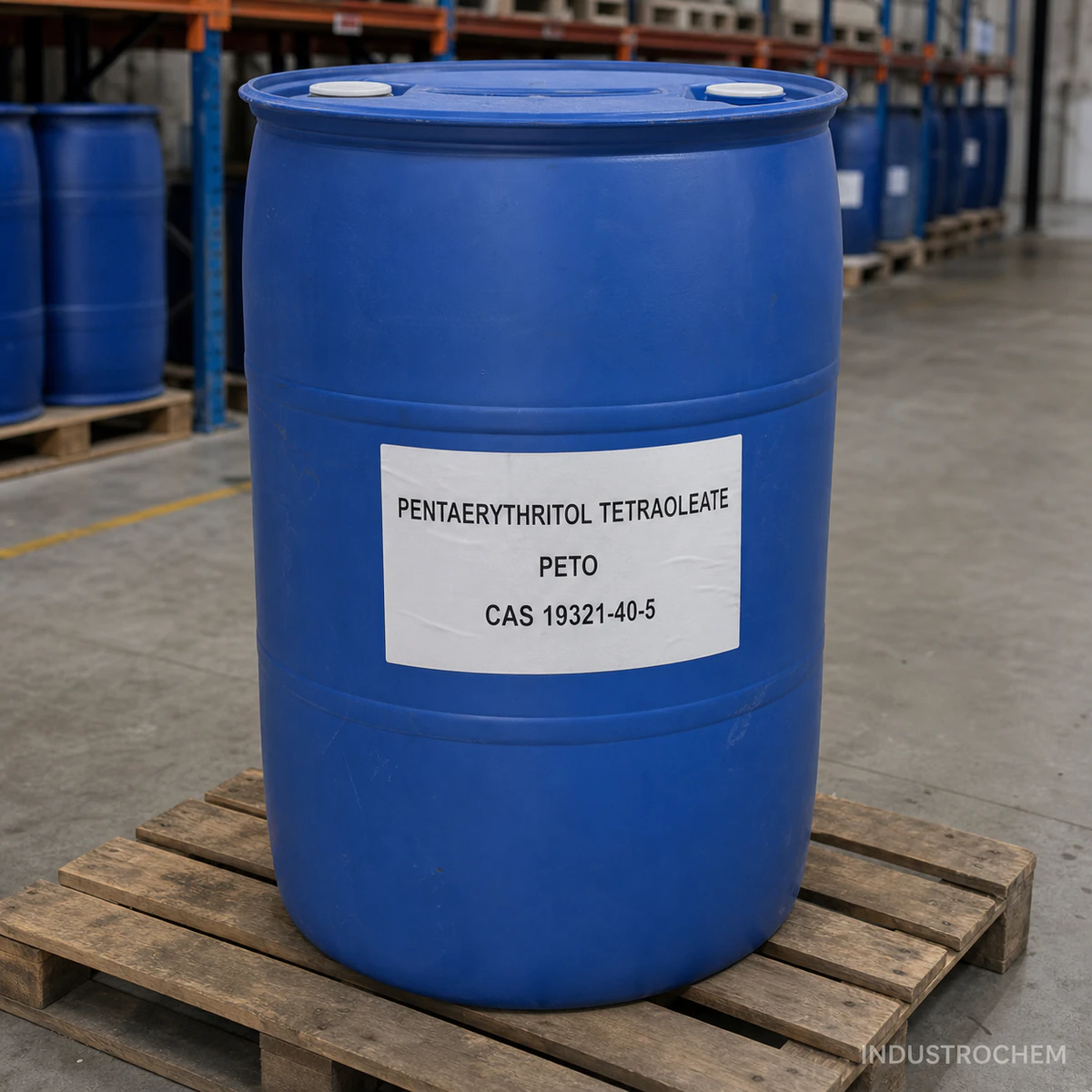
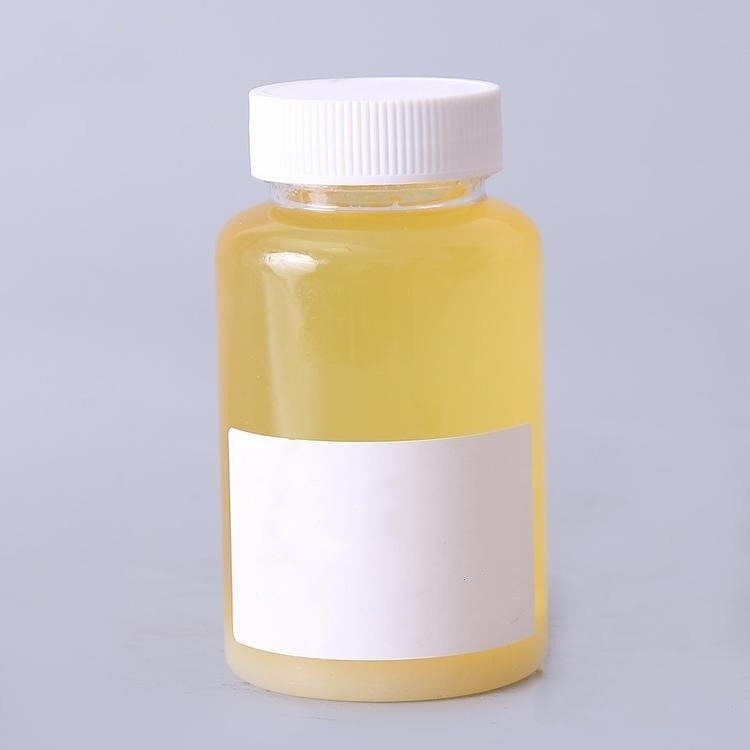
  • PEG 400 Dioleate CAS 9005-07-6
  • PEG 400 Dioleate CAS 9005-07-6
  • PEG 400 Dioleate CAS 9005-07-6

PEG 400 Dioleate CAS 9005-07-6

PEG 400 dioleate is a commercial distribution of polyethylene glycol 400 diesters of oleic acid used as a nonionic emulsifier and formulation aid. PEG 600 Dioleate is a related grade with a higher nominal PEG chain length; selection should follow the offered specification. It is not a single compound with one molecular weight: a fully esterified nominal average is about 930 g/mol. Suitability must be confirmed from the supplied grade’s acid value, hydroxyl value, saponification value, water content, TDS and batch COA.

  • CAS: 9005-07-6
  • Synonyms: Polyethylene glycol 400 dioleate; PEG-400 dioleate; PEG dioleate; polyoxyethylene dioleate
  • Einecs: 618-407-2
  • Molecular Formula: PEG-400 dioleate distribution; no single molecular formula or molecular weight. A fully esterified nominal average is approximately 930 g/mol.
  • Grade: Confirm the commercial grade code, ester composition, acid, hydroxyl and saponification values, water and physical form against the current TDS and COA.
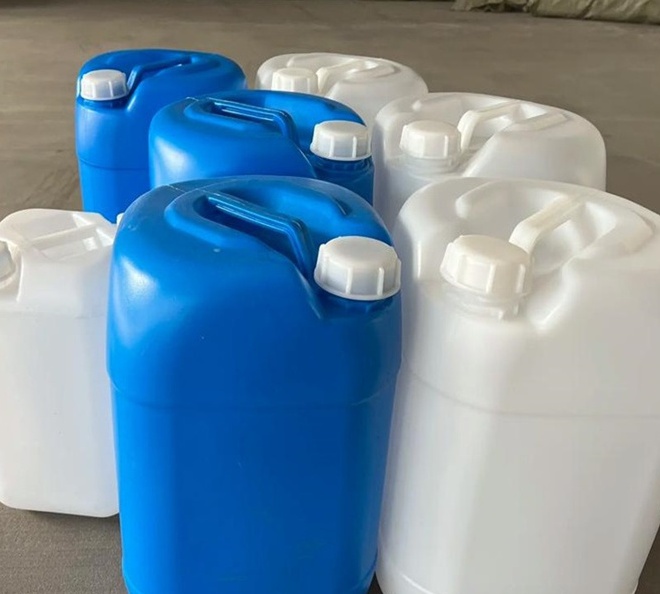
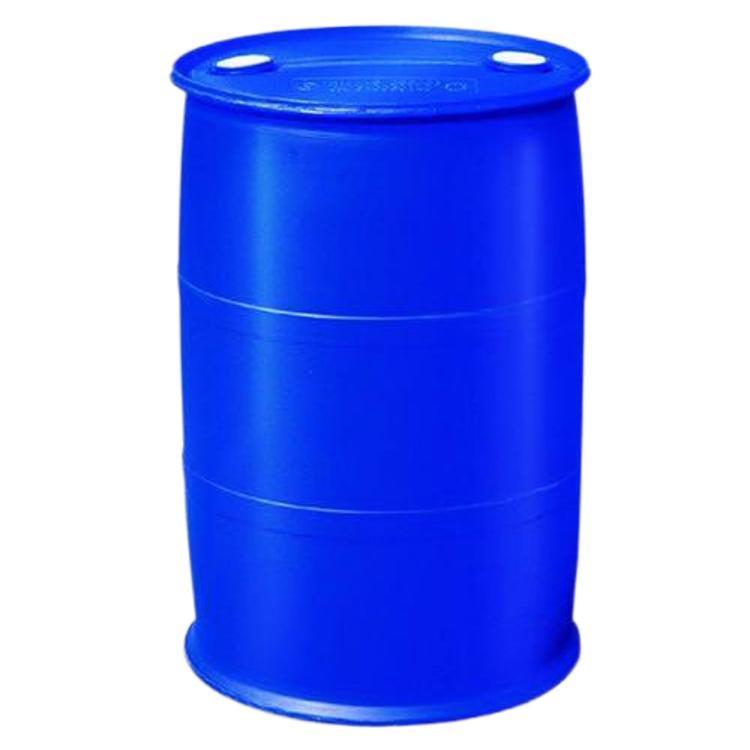
  • Package: State required quantity, physical form and destination; confirm the current bag or container, liner, net weight, temperature handling and transport requirements before quotation.
Request a quote
Share:

Product Description

Parameters

CAS Number9005-07-6
EC / List No.618-407-2
Identity / FormulaPEG-400 dioleate distribution; no single molecular formula or molecular weight. A fully esterified nominal average is approximately 930 g/mol.
Grade / SpecificationCommercial PEG-400 dioleate; specify acid value, hydroxyl value, saponification value, water and active/ester content on the COA. Do not describe as a single pure compound.
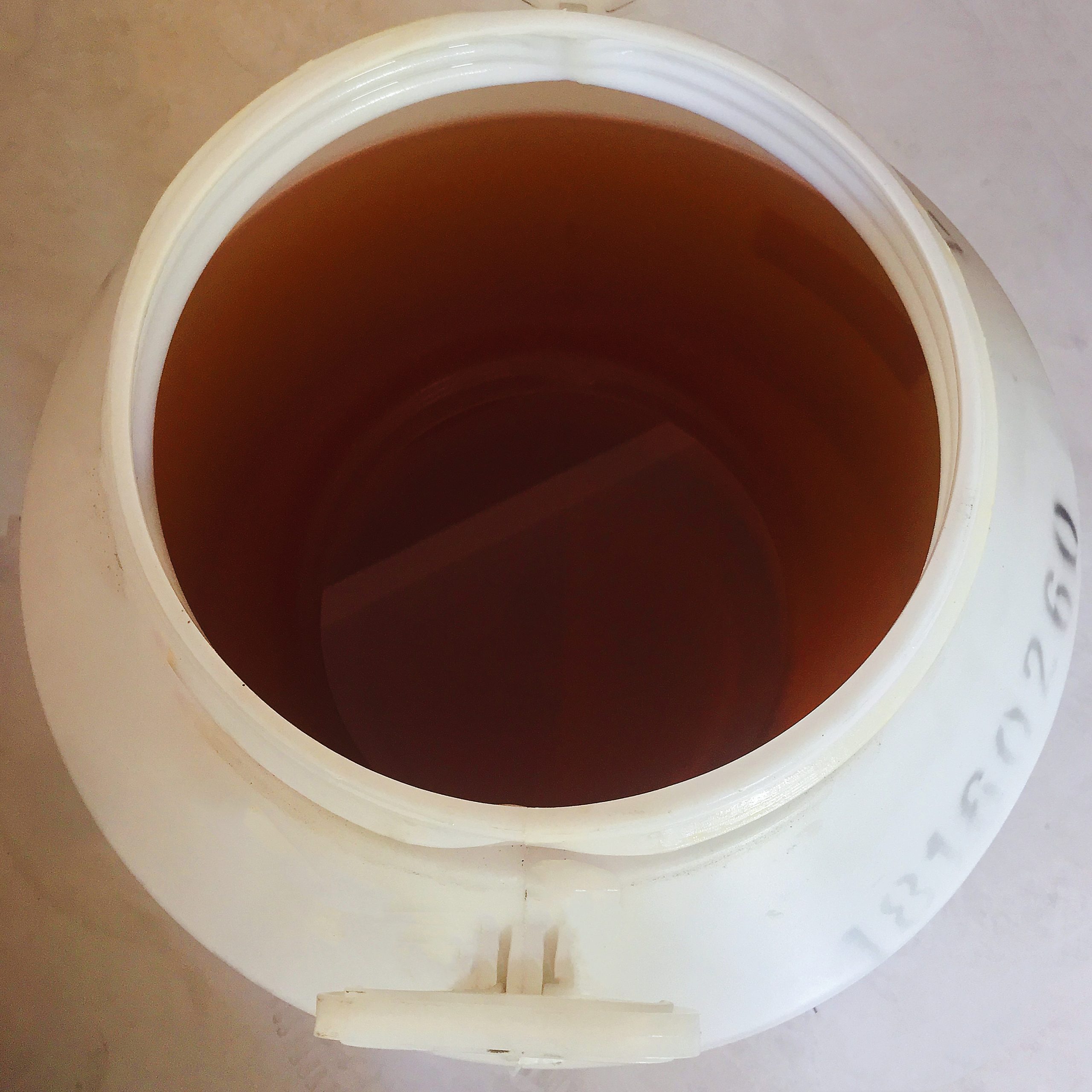
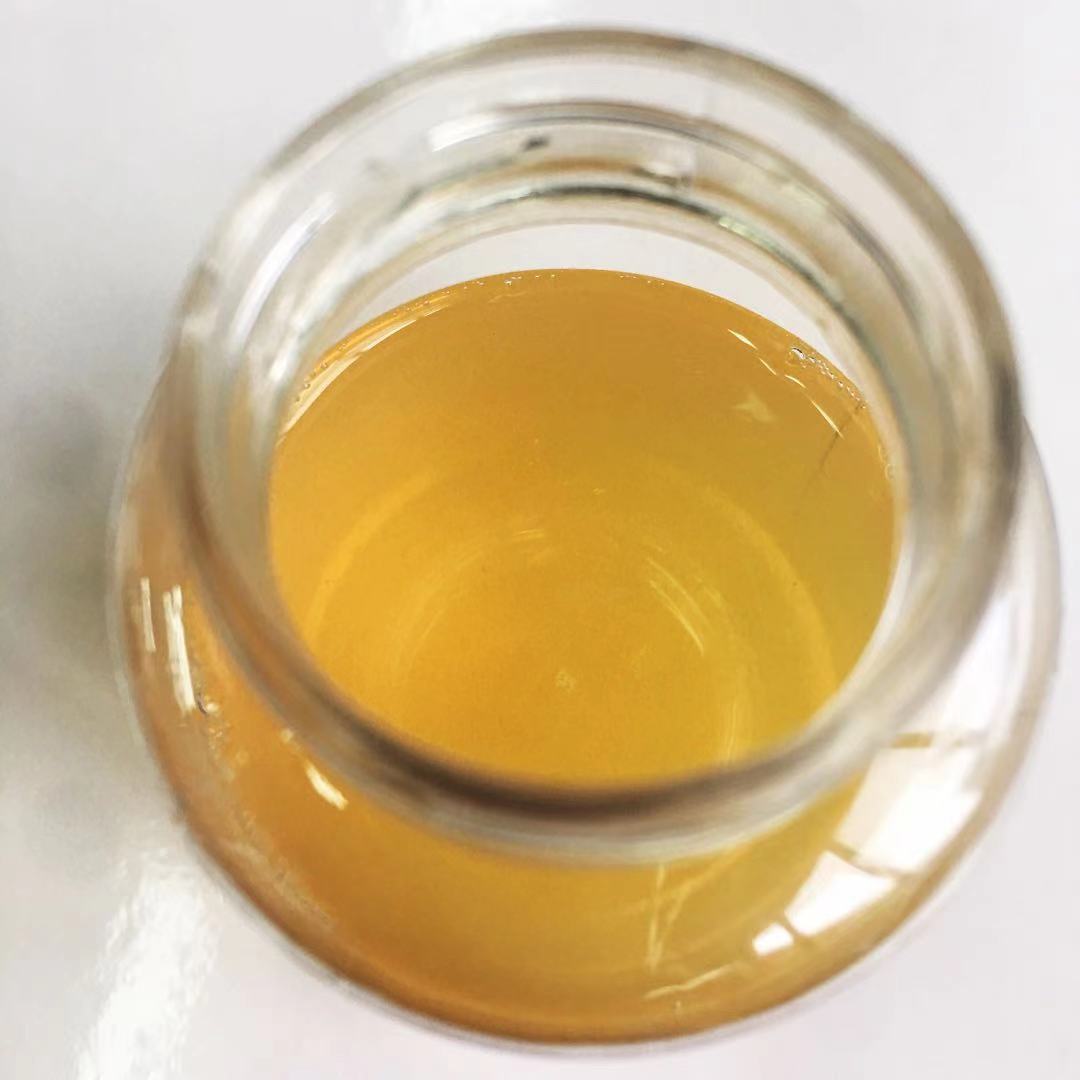
Key physical dataLiquid at ambient temperature; molecular-weight and cloud/pour-point data are grade-specific. Confirm TDS/COA.
PackagingPackaging is order- and grade-dependent. Confirm the current container, liner, net weight, material compatibility and handling requirements before ordering.

Applications

Evaluate as a nonionic emulsifier or formulation aid in compatible oil-phase emulsions, metalworking fluids, lubricants and textile auxiliaries. Validate emulsion type, dosage and finished-system performance in the buyer’s formulation.

Storage

Store in the original tightly closed compatible container in a cool, dry, ventilated area, away from heat, ignition sources, moisture and incompatible materials. Prevent contamination and follow the supplier SDS.

Safety / Regulatory

Use the current supplier SDS, workplace controls and buyer risk assessment. Confirm classification, transport status and destination requirements before handling or shipment.

FAQ - Technical & Supply Chain

  • Q:

    Is PEG 400 Dioleate the same commercial material as PEG 400 monooleate?

    A: No. They differ in esterification and can therefore differ in hydroxyl value, saponification value, polarity and formulation behaviour. The shared PEG 400 basis does not make them interchangeable. The required monoester or diester identity, composition-related controls and use in the intended formulation must be stated before comparing offers.
  • Q:

    Why cannot a nominal molecular weight define a PEG 400 Dioleate grade?

    A: PEG 400 Dioleate is a commercial distribution of polyethylene-glycol chains and oleate ester species, not one discrete molecule. A nominal fully esterified average is only a reference. It does not replace control of acid value, hydroxyl value, saponification value, water, appearance and the specified methods used to determine them.
  • Q:

    Which confirmation is needed before adopting a different PEG 400 Dioleate source?

    A: Compare the agreed analytical specification and the proposed material in the intended system. The relevant checks can include emulsion behaviour, dispersion, lubricity, viscosity, separation and finished-product appearance. A similar CAS number, HLB statement or nominal PEG chain length does not by itself establish performance equivalence.

Ordering & Documentation

Key information for document requests, quotations, and supply planning.

Documents

COA, TDS, SDS/MSDS and packing details are available on request.

Quotation

Send the CAS number, grade, quantity, packing preference and destination.

Sample & Supply

Support is available for samples, trial orders, bulk and repeat supply.

Storage & Shipping

Product-specific conditions are confirmed before order.

Contact Form

Use our contact form to send us your questions, suggestions or comments. We will respond as soon as possible.