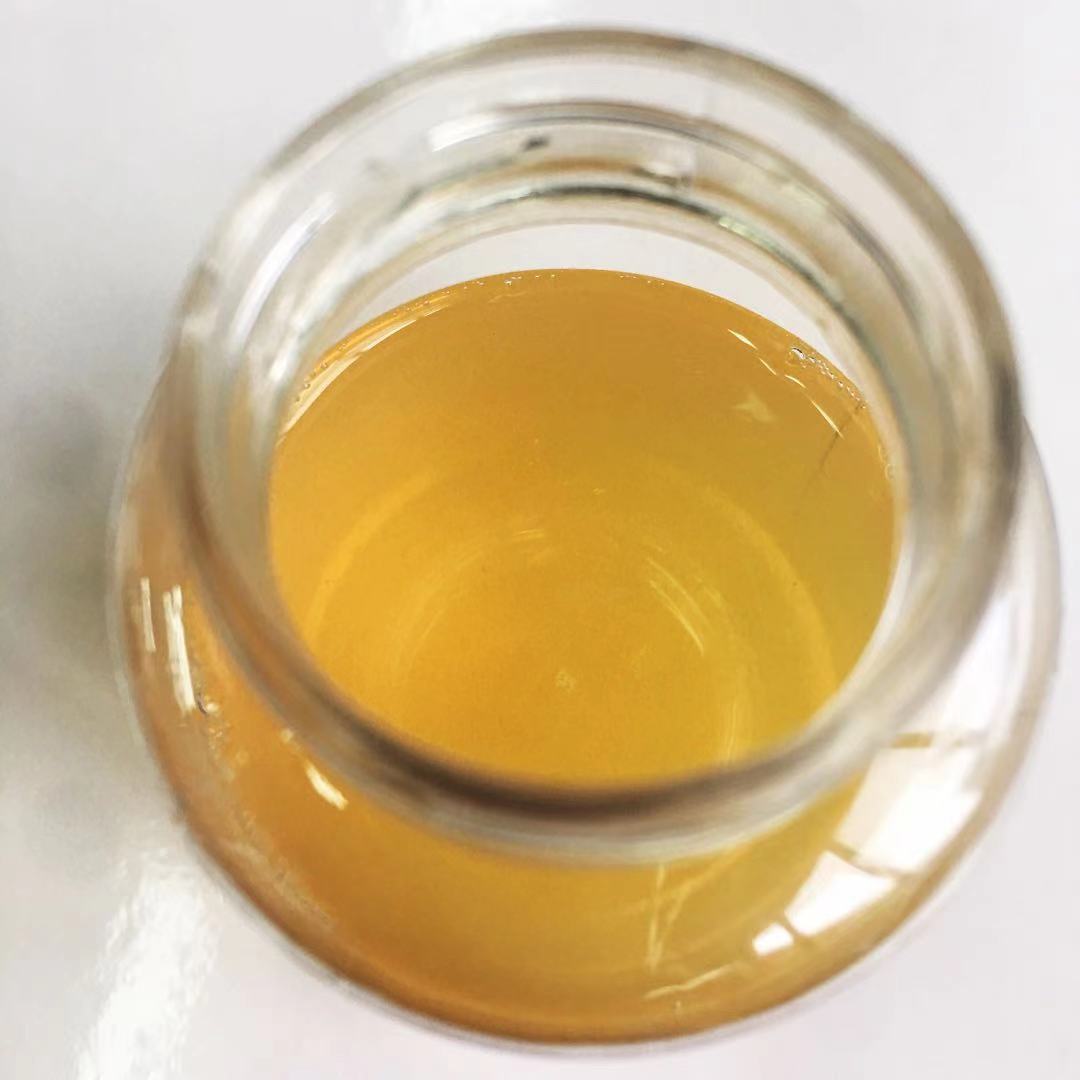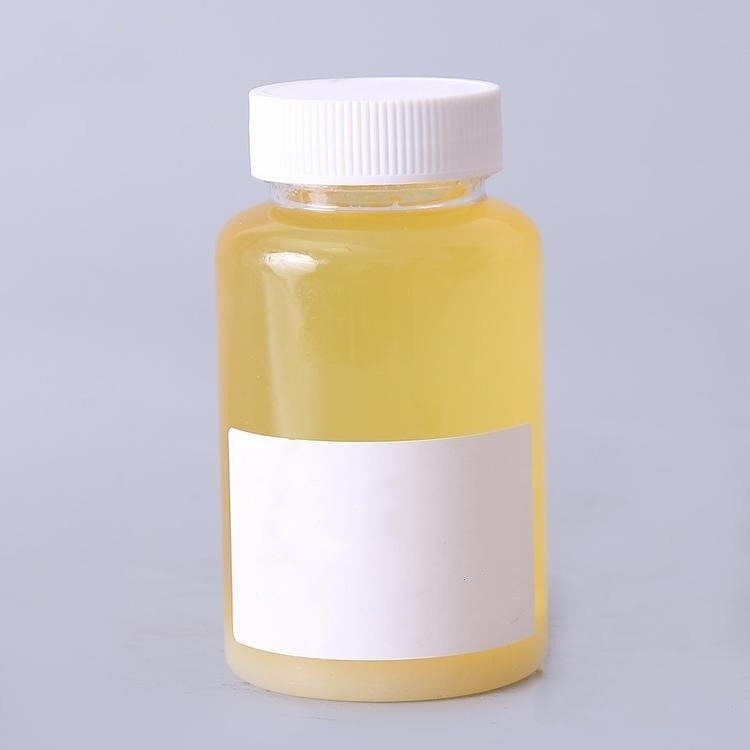










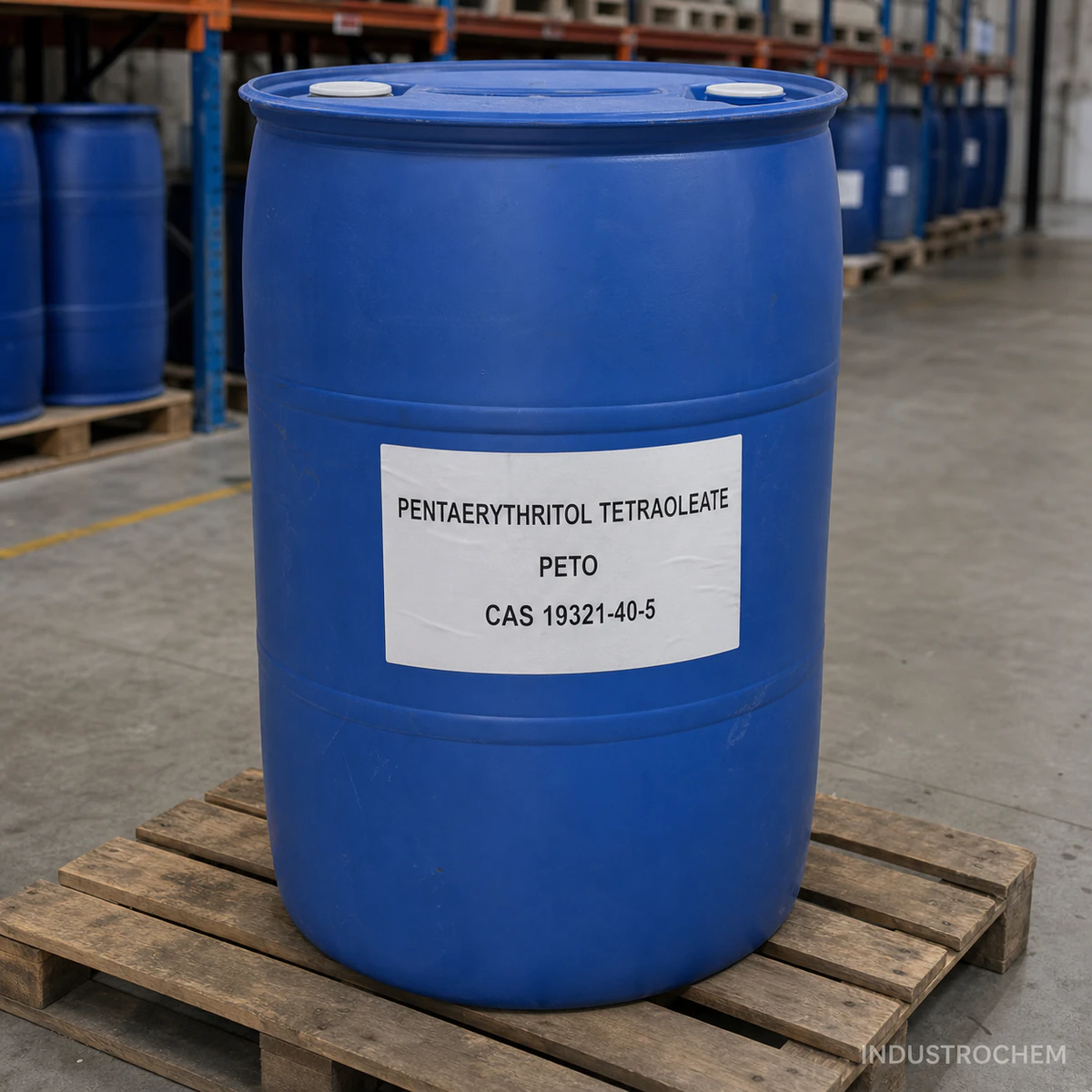
Pentaerythritol Tetraoleate (PETO) , also called pentaerythrityl tetraoleate , is a synthetic polyol ester identified by CAS No. 19321-40-5 and EC No. 242-960-5 . The defined tetraoleate has formula C77H140O8 , while commercial lubricant grades must still be controlled by their acid, hydroxyl and saponification values, viscosity, water, color and low-temperature performance. PETO is evaluated as a base fluid or lubricity component in specialty lubricants and metalworking formulations.
Pentaerythritol Tetraoleate (PETO) CAS 19321-40-5
- CAS: 19321-40-5
- Synonyms: Pentaerythritol Tetraoleate, Pentaerythrityl Tetraoleate, PETO, Oleic Acid Pentaerythritol Tetraester, Synthetic Polyol Ester
- Einecs: 242-960-5
- Molecular Formula: C₇₇H₁₄₀O₈
- Grade: Confirm the commercial grade code, ester composition, acid, hydroxyl and saponification values, water and physical form against the current TDS and COA.
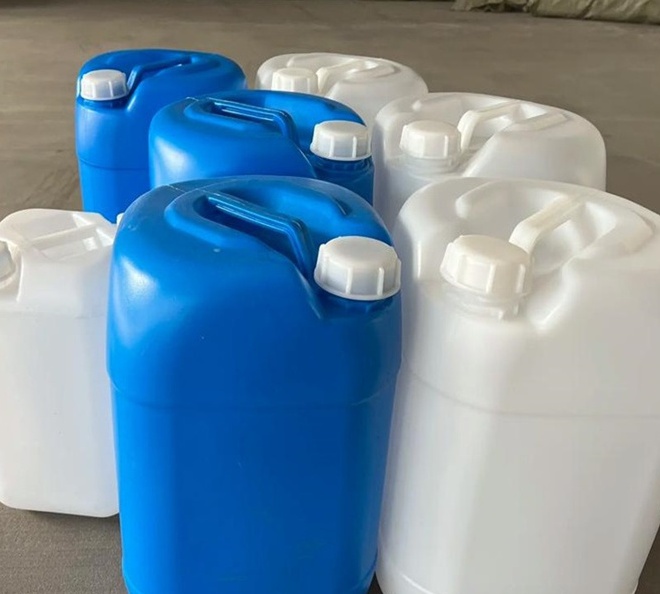
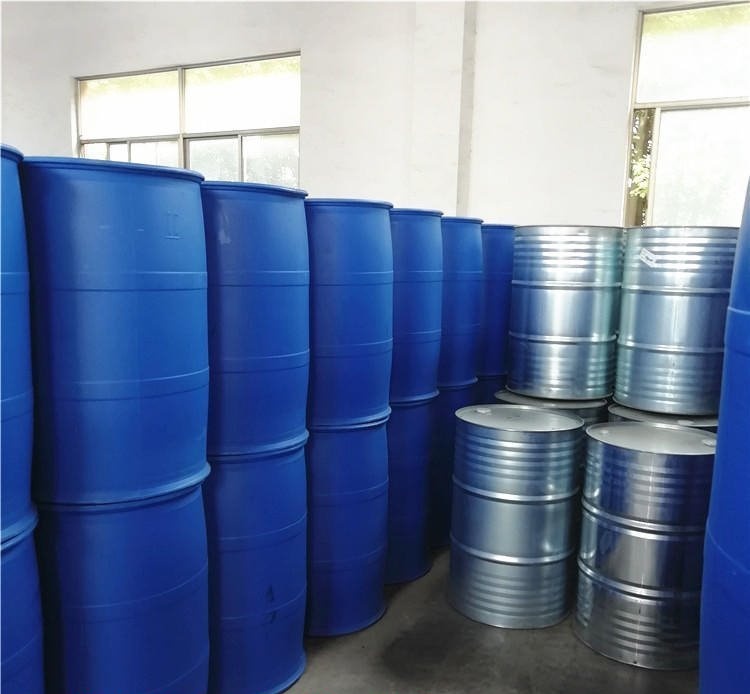
- Package: State required quantity, physical form and destination; confirm the current bag or container, liner, net weight, temperature handling and transport requirements before quotation.
Product Description
Identity and physicochemical profile
| Item | Technical guidance |
|---|---|
| Product identity | Pentaerythritol Tetraoleate (PETO), also called pentaerythrityl tetraoleate |
| CAS / EC | 19321-40-5 / 242-960-5 |
| Molecular formula | C₇₇H₁₄₀O₈ for the defined tetraoleate |
| Commercial quality | Synthetic ester grade controlled by esterification-related values and performance; the name alone does not establish a universal lubricant specification |
| Key quality controls | Acid, hydroxyl and saponification values, viscosity at stated temperatures, viscosity index where reported, water, color and low-temperature behavior |
Applications and grade selection
PETO is evaluated as a synthetic ester base fluid, oiliness agent or lubricity component in hydraulic, compressor, chain, metalworking and other specialty lubricant formulations. Final performance depends on fatty-acid quality, residual functionality, additive package and the complete blend.
- Compare viscosity at the actual operating temperatures, not only one room-temperature value.
- Hydrolytic and oxidative stability, lubricity, elastomer compatibility and low-temperature flow must be tested in the buyer’s finished formulation.
- Biodegradability, fire-resistance or environmentally acceptable lubricant claims require supporting test data for the exact grade and final product.
For a related oleate-ester raw material, see Glycerol Trioleate.
Storage and handling
Store sealed in a dry, ventilated area away from excessive heat, moisture and incompatible materials identified in the SDS. Limit prolonged air and water exposure where oxidation or hydrolysis control is important, and mix bulk material before representative sampling when required.
Safety, documentation and procurement
Use the current SDS for PPE, spill response, transport and disposal. For sourcing, provide viscosity grades and test temperatures, acid and water limits, reference COA, required performance tests, volume, package, destination and any environmental or regulatory documentation needed.
For related oleate ester and lubricant pages, see PEG 400 Dioleate, PEG 600 Dioleate, and Glyceryl Monooleate.
FAQ - Technical & Supply Chain
-
Q:
Which PETO specifications matter for lubricant formulation?
A: Compare viscosity at 40 and 100 degrees Celsius, viscosity index, acid value, water, saponification value, color, pour point and flash point using stated methods. The required limits depend on the finished lubricant and duty. -
Q:
How should a new Pentaerythritol Tetraoleate source be approved?
A: After matching the analytical profile, run side-by-side blends with the complete additive package. Evaluate viscosity-temperature behavior, lubricity, oxidation and hydrolytic stability, low-temperature flow, seal compatibility and the relevant bench or equipment test. -
Q:
Does PETO automatically make a lubricant biodegradable or fire-resistant?
A: No. These are test-based claims for a defined ester grade or finished fluid. Specify the required standard and acceptance limit, review supporting data for the offered product and validate the completed formulation before making a claim. -
Q:
What information is required for a PETO quotation?
A: Send the lubricant application, target viscosity and test temperatures, acid and water limits, performance standard, reference COA, trial and annual volume, package and destination. Add any biodegradability or environmental documentation required by the market.
Ordering & Documentation
Key information for document requests, quotations, and supply planning.
Documents
COA, TDS, SDS/MSDS and packing details are available on request.
Quotation
Send the CAS number, grade, quantity, packing preference and destination.
Sample & Supply
Support is available for samples, trial orders, bulk and repeat supply.
Storage & Shipping
Product-specific conditions are confirmed before order.