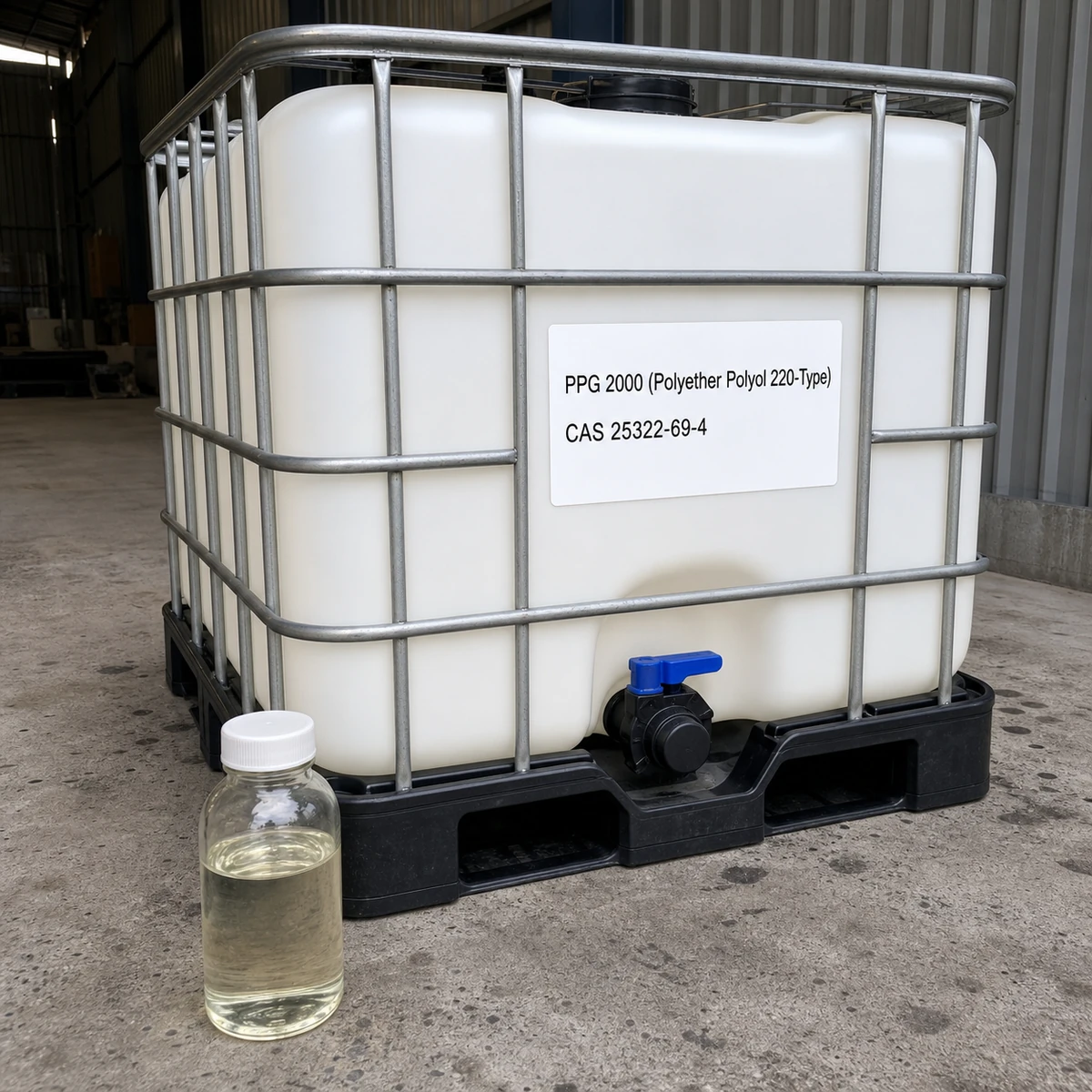
PPG 2000, chemically known as Polypropylene Glycol or Polypropylene Oxide, is a polyether polyol specifically polymerized to an average molecular weight of 2000. This liquid polymer functions as a reactive soft segment intermediate, primarily reacting with isocyanates to create flexible linkages in polyurethane foam formulations, elastomers, and adhesives. It is typically applied in the production of flexible slabstock foams, reaction injection molding (RIM) systems, and industrial sealants. We ensure bulk supply with competitive factory pricing for industrial clients. Our inventory is managed to support customized specifications, and every shipment is accompanied by complete MSDS, TDS, COA documentation.
PPG 2000 (Polyether Polyol 220) CAS 25322-69-4
- CAS: 25322-69-4
- Synonyms: Polypropylene Glycol 2000, Polyoxypropylene Glycol, Poly(propylene oxide), PPG Polyol, Polyether Polyol
- Einecs: 200-338-0
- Grade: Industrial grade 99%
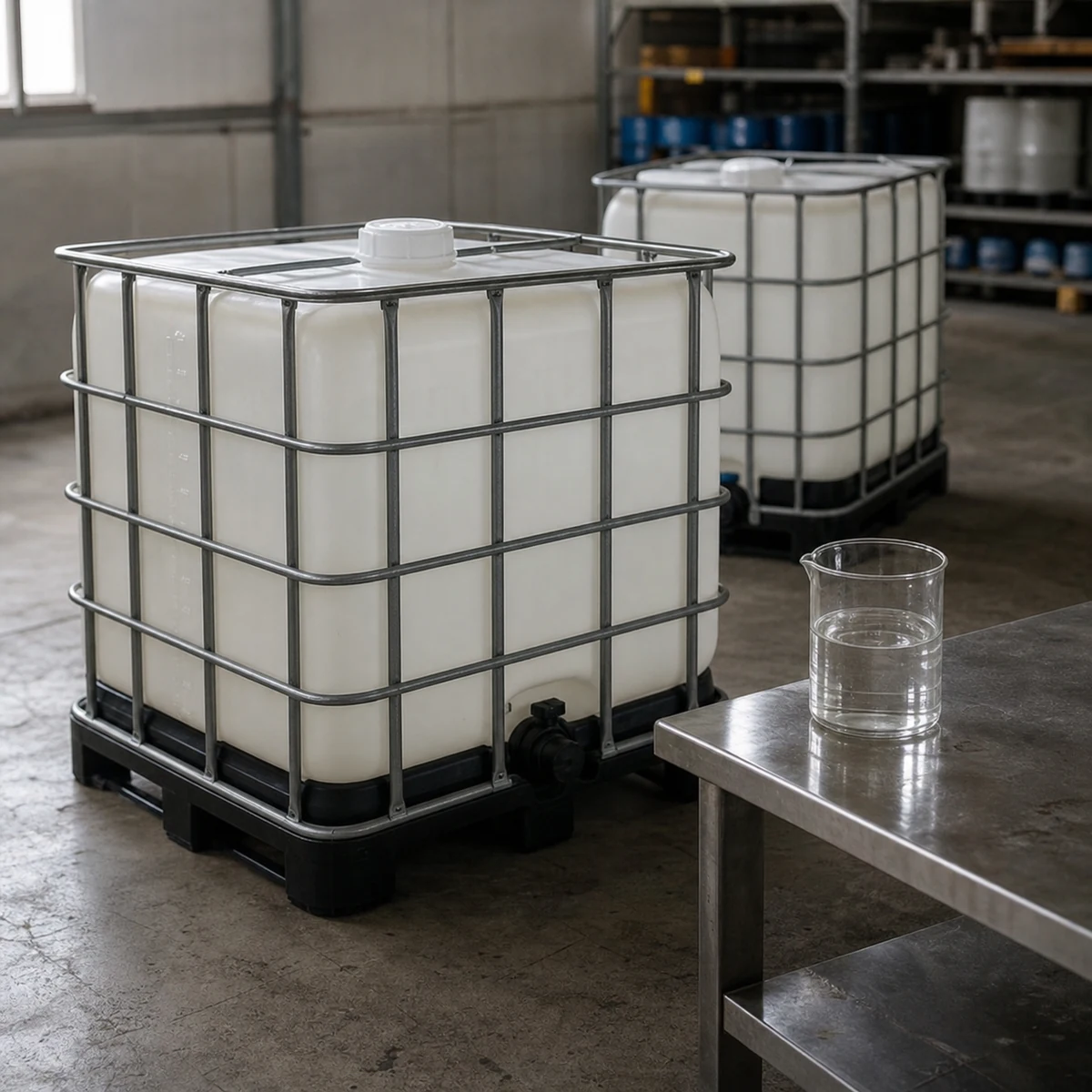
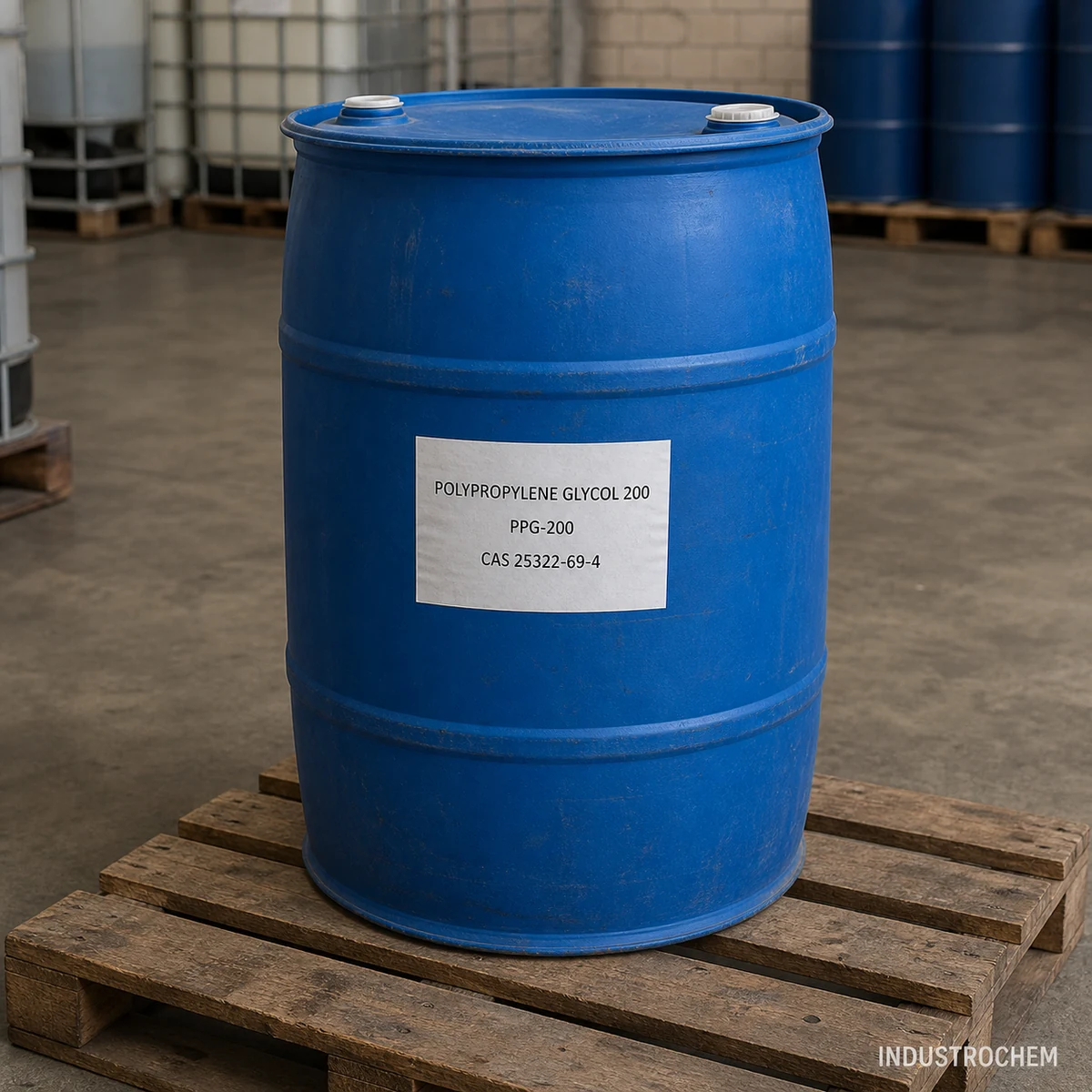
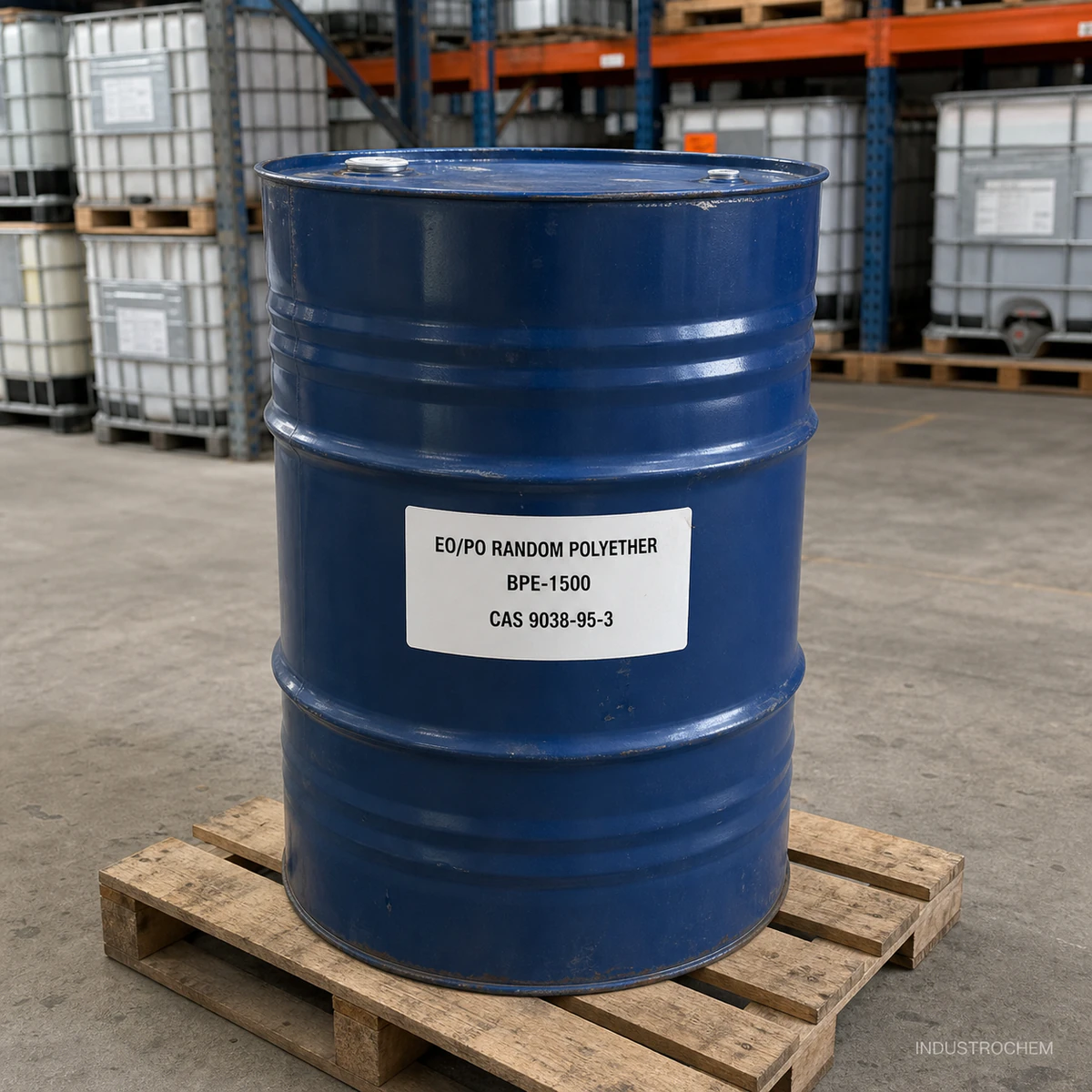
- Package: 200kg iron drum or 50kg plastic drum packaging
Product Description
Physicochemical properties
| Property | Description |
|---|---|
| Other Names | Polyether Polyol 220, PPG-2000, Polypropylene Glycol 2000 |
| CAS Number | 25322-69-4 |
| EINECS Number | 200-338-0 |
| Average Molecular Weight | 1800–2200 g/mol |
| Appearance | Colorless to pale yellow transparent viscous liquid |
| Density | ~1.004 g/cm³ (25°C) |
| Viscosity | 80–120 mPa·s (25°C) |
| pH (1% aq. solution) | 5.0–7.0 |
| Hydroxyl Value | 51–62 mgKOH/g |
| Acid Value | ≤0.5 mgKOH/g |
| Water Content | ≤0.5% |
| Solubility | Insoluble in water (low molecular weight grades partially soluble) |
| Flash Point | 113°C (closed cup) |
| Pour Point | < -30°C |
| Stability | Stable under normal conditions; avoid strong oxidizing agents |
Application Areas
Antifoaming agent for coatings, hydraulic oils, and heat transfer fluids.
Defoaming agent in the processing of synthetic rubber and latex.
Lubricants, plasticizers, mold release agents, and base materials for daily chemical products.
Storage conditions
Environment
Storage temperature: Store at room temperature (18-25℃), avoid high temperatures (>35℃) or low temperatures (<-40℃) to prevent decomposition or solidification.
Ventilation: Store in a dry, well-ventilated area, away from sources of fire, heat, and oxidizing substances (such as strong acids and alkalis).
Light exposure: Avoid direct sunlight to prevent accelerated degradation caused by ultraviolet rays.
Container requirements
Store in the original sealed container, ensuring that the container is tightly closed to prevent the entry of air, moisture, or impurities.
It is prohibited to use unlabeled containers to avoid confusion or misuse.
Disposal of waste
Empty containers may retain residual products and should be disposed of as hazardous waste. Reuse or random disposal is prohibited.
Waste should be handed over to qualified disposal units in accordance with local environmental regulations.
Safety precautions
Operation protection
Personal protective equipment (PPE):
Wear chemical-resistant gloves (such as nitrile rubber gloves), goggles, and protective clothing to prevent skin or eye contact.
Emergency Management
Skin contact: Immediately remove contaminated clothing and rinse with plenty of water for at least 15 minutes. Seek medical attention if necessary.
Eye contact: Lift the eyelid and rinse with running clean water or saline for at least 15 minutes, and seek medical assistance.
Inhalation: Quickly move to a place with fresh air and keep the respiratory tract unobstructed. If breathing is difficult, administer oxygen and seek medical attention.
Fire protection measures
Fire extinguishing method: Use dry powder, carbon dioxide, or foam extinguishers. Direct water spray is prohibited (may cause spreading fire).
Fire Risk: May decompose and generate toxic gases such as carbon monoxide and carbon dioxide at high temperatures. Wear a self-contained breathing apparatus.
FAQ - Technical & Supply Chain
-
Q:
Is CAS 25322-69-4 specific to PPG 2000?
A: CAS 25322-69-4 is the general registry number for Polypropylene Glycol polymers of all chain lengths. "PPG 2000" refers specifically to the grade with an average molecular weight of 2000, which falls under this CAS registration but possesses specific viscosity and hydroxyl value specifications required for formulation. -
Q:
What is the primary role of PPG 2000 in polyurethane systems?
A: It is intended for use as the polyol component in polyurethane synthesis. It reacts with diisocyanates to form the polymer backbone, providing flexibility and elasticity to the final industrial product, such as flexible foams or elastomers.
Documents and Product Support
For product review and sourcing evaluation, supporting documents can be coordinated according to the product type, inquiry stage, and order requirements.
- COA for batch-based quality reference
- TDS for key physical and chemical information
- SDS / MSDS for handling, storage, and safety reference
- Packing information for sample, trial, and bulk orders
- Technical communication based on application and specification requirements
Information to Confirm Before Quotation
Clear sourcing information helps reduce specification mismatch and allows a more accurate quotation before sample or bulk order discussion.
- Product name and CAS number
- Application or intended end use
- Required purity, grade, or specification
- Sample quantity, trial order, or bulk demand
- Preferred packing form or net weight
- Destination country or port
- Required documents or compliance expectations
Packaging, Storage, and Handling Notes
Packaging form, storage conditions, shelf life, and shipment arrangements should be confirmed according to the product characteristics, package size, and destination requirements.
Before order confirmation, buyers are advised to review the corresponding product documents and confirm whether any special storage, labeling, or handling requirements apply.
Sample, Bulk Order and Repeat Supply Support
Support can be arranged for sample discussion, bulk supply planning, packaging confirmation, and routine sourcing communication based on the actual product and order requirements.
For repeat-use formulations or long-term procurement plans, buyers may discuss specification consistency, packaging preferences, delivery expectations, and document coordination in advance.