









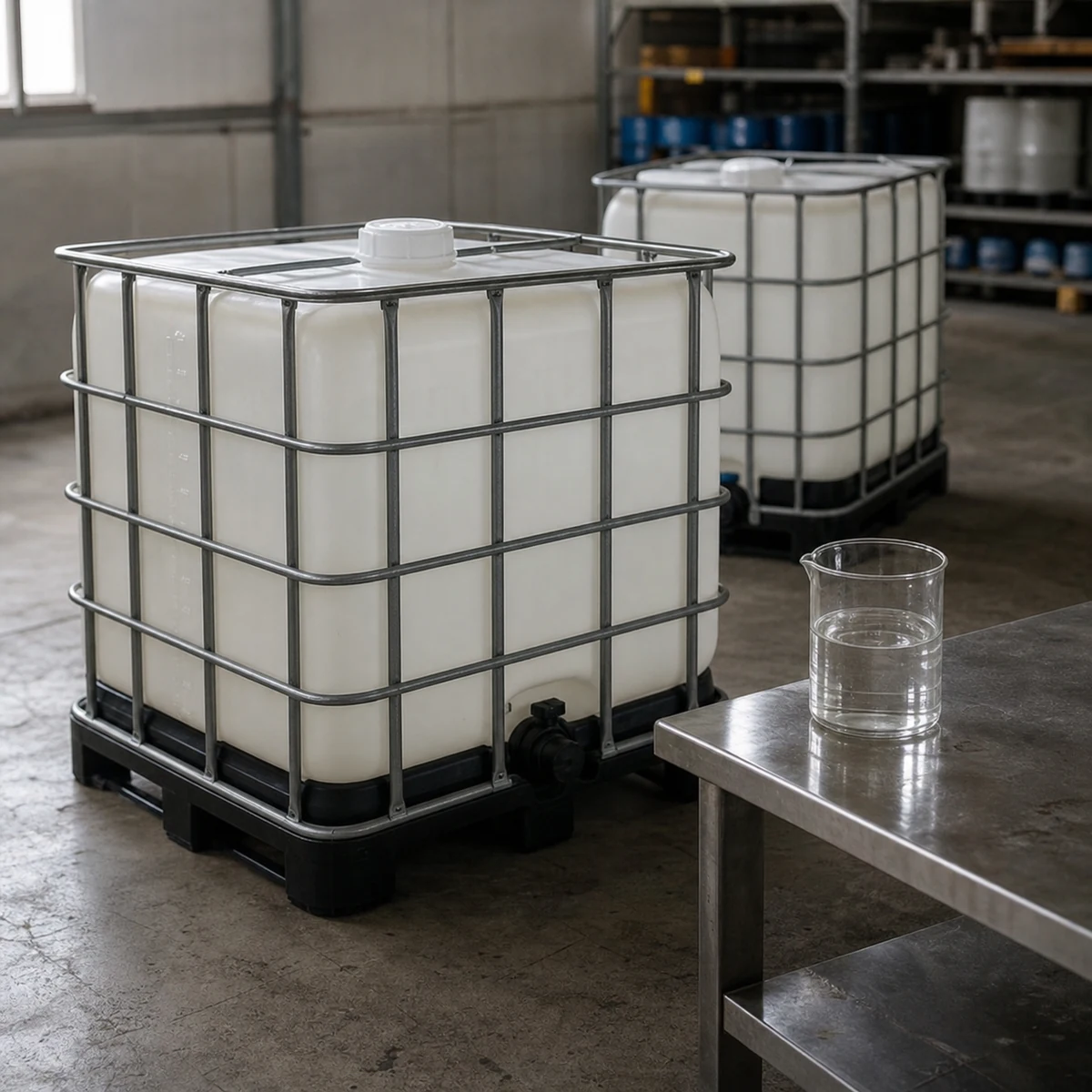
Polypropylene Glycol 1000 (PPG‑1000) is a low‑molecular‑weight polyether polyol with an average molecular weight of approximately 1000. Identified by CAS No. 25322‑69‑4, it is characterized by good lubricity, low volatility, and compatibility with a wide range of industrial formulations. PPG‑1000 is commonly used as a lubricant base, plasticizer, and formulation intermediate in chemical processing applications. The product is supplied for industrial use with standard documentation including MSDS, TDS, and COA.
Polypropylene Glycol 1000 CAS 25322-69-4
- CAS: 25322-69-4
- Synonyms: Polypropylene Glycol 1000, PPG-1000, Polypropylene Oxide Polyol, Polyether Polyol
- Einecs: 500‑039‑2
- Molecular Formula: H–(C₃H₆O)ₙ–OH
- Grade: 99%
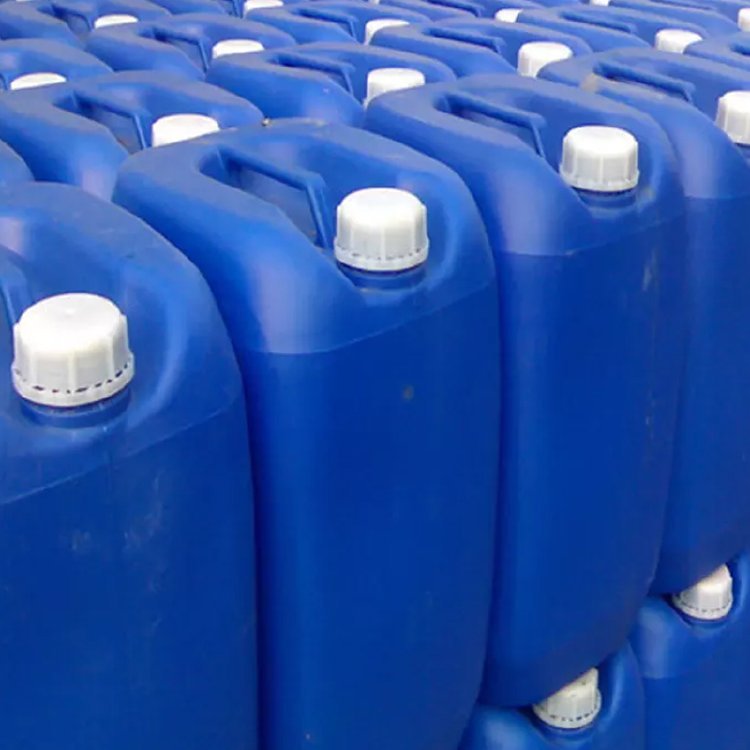
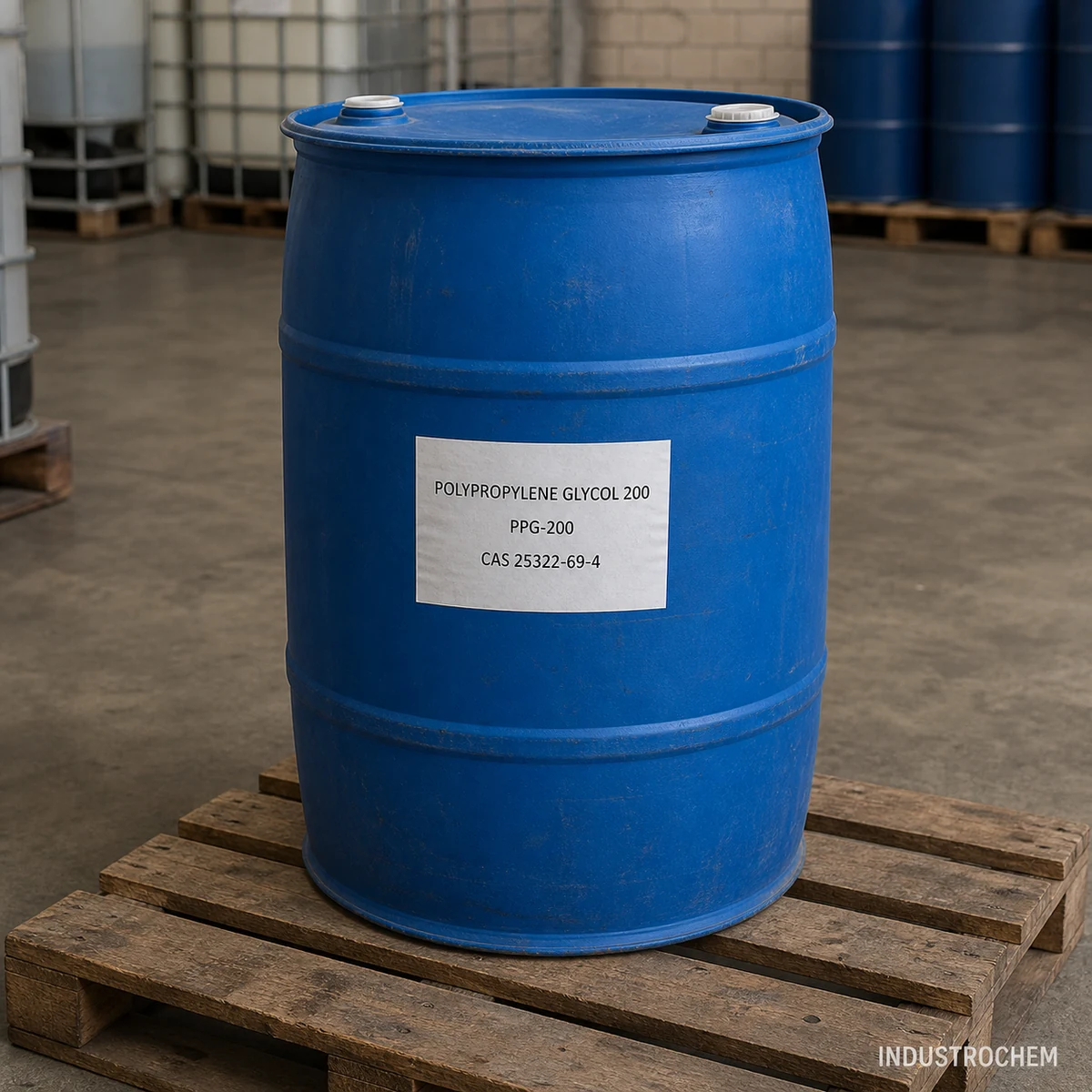
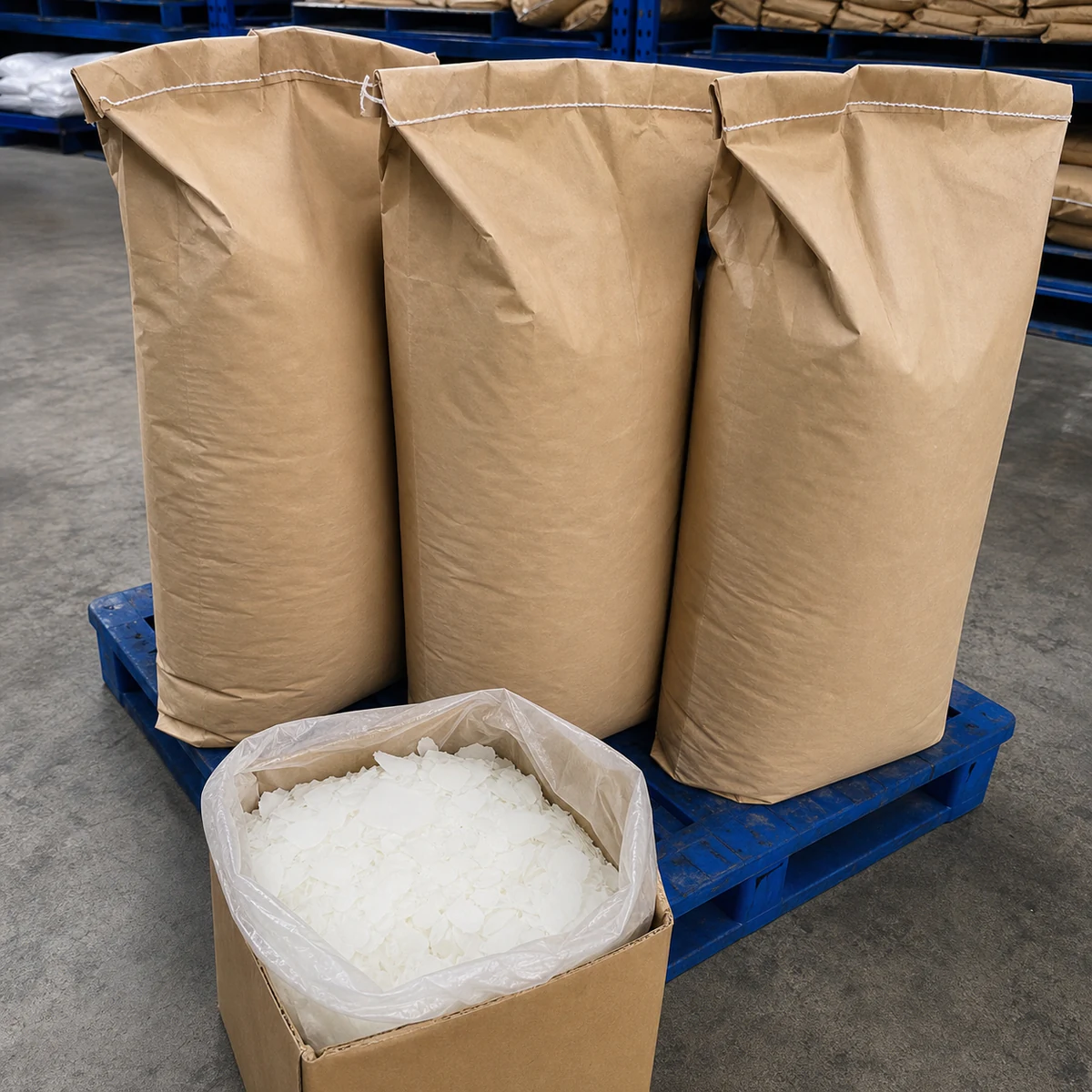
- Package: 200kg iron drum or 50kg plastic drum packaging
Product Description
Physicochemical properties
| Property | Specification |
|---|---|
| Appearance | Colorless to pale yellow transparent viscous liquid |
| Odor | Slight characteristic odor |
| Melting Point | -31°C to -40°C (depending on the source) |
| Boiling Point | >230°C (some sources indicate 234.2°C at 760 mmHg) |
| Density | 1.004–1.05 g/cm³ (at 20–25°C) |
| Refractive Index | 1.4495–1.4520 (at 20°C) |
| Viscosity | 100–200 mPa·s (at 25°C) |
| Flash Point | 230°C (open cup) |
| Vapor Pressure | <0.01 mmHg (at 20°C) |
| Solubility | – Soluble in water (low molecular weight polymers), alcohols, ketones, esters, and aromatic hydrocarbons. – Insoluble in ethers and most aliphatic hydrocarbons. |
| Stability | Stable under normal conditions; avoid contact with strong oxidizing agents. |
| Hydroxyl Value | 107–117 mg KOH/g |
| Water Content | ≤0.05% |
| Acid Value | ≤0.05 mg KOH/g |
| Potassium Ion Content | ≤5 ppm |
Application Areas
In the field of medicine, it is often used as a drug carrier, utilizing its water solubility and biocompatibility to protect drugs and help effectively reach the target site in drug delivery systems.
Cosmetics industry: mainly used as moisturizers, softeners, and lubricants in cosmetics, such as improving skin smoothness in skincare products.
Industrial sector
Solvent and additive: Used for the preparation of solvents for vegetable oils, resins, and paraffin wax, and is also an important component of lubricating oils and plasticizers.
Defoamer: It can inhibit the production of foam in the processing of hydraulic oil and synthetic rubber.
Lubrication: Used as a high-temperature lubricant or internal and external lubricant for rubber processing.
Storage conditions
When storing, keep away from sources of fire, avoid direct sunlight and rain, and store in a cool, ventilated, and dry environment.
Validity period: The shelf life of unopened products is usually two years, please refer to the storage period indicated on the product packaging for details
Safety precautions
Operation and transportation: During transportation, it is necessary to ensure that the container is sealed, moisture-proof, and avoid contact with strong acids and alkalis
Overflow treatment: Cover with adsorbent materials such as sawdust and yellow sand and clean up to avoid entering groundwater (as they are not easily biodegradable)
Toxicity: classified as mildly toxic
Inhalation risk: Aerosol generated by high temperatures may cause central nervous system excitement or arrhythmia, and prolonged inhalation should be avoided
Skin contact: generally does not irritate the skin, but needs to reduce transdermal absorption
FAQ - Technical & Supply Chain
-
Q:
Does Polypropylene Glycol 1000 have a fixed molecular formula?
A: No. PPG‑1000 is a polymeric material with an average molecular weight and does not have a single fixed molecular formula. -
Q:
Is PPG‑1000 water soluble?
A: PPG‑1000 is partially soluble in water and fully miscible with many organic solvents, depending on temperature and formulation.
Documents and Product Support
For product review and sourcing evaluation, supporting documents can be coordinated according to the product type, inquiry stage, and order requirements.
- COA for batch-based quality reference
- TDS for key physical and chemical information
- SDS / MSDS for handling, storage, and safety reference
- Packing information for sample, trial, and bulk orders
- Technical communication based on application and specification requirements
Information to Confirm Before Quotation
Clear sourcing information helps reduce specification mismatch and allows a more accurate quotation before sample or bulk order discussion.
- Product name and CAS number
- Application or intended end use
- Required purity, grade, or specification
- Sample quantity, trial order, or bulk demand
- Preferred packing form or net weight
- Destination country or port
- Required documents or compliance expectations
Packaging, Storage, and Handling Notes
Packaging form, storage conditions, shelf life, and shipment arrangements should be confirmed according to the product characteristics, package size, and destination requirements.
Before order confirmation, buyers are advised to review the corresponding product documents and confirm whether any special storage, labeling, or handling requirements apply.
Sample, Bulk Order and Repeat Supply Support
Support can be arranged for sample discussion, bulk supply planning, packaging confirmation, and routine sourcing communication based on the actual product and order requirements.
For repeat-use formulations or long-term procurement plans, buyers may discuss specification consistency, packaging preferences, delivery expectations, and document coordination in advance.