









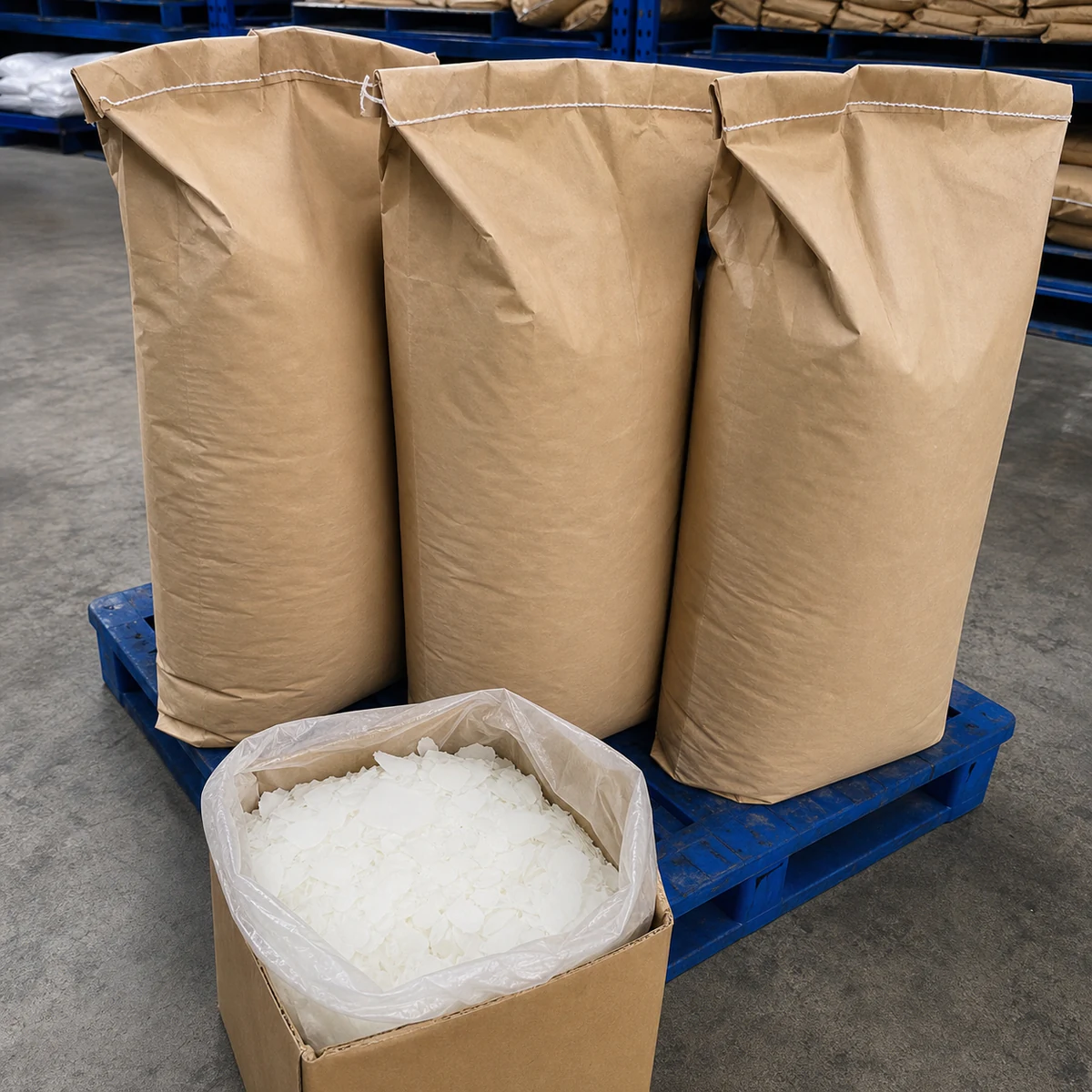
• Polyethylene Glycol 1500 (PEG‑1500)  CAS 25322‑68‑3
  • Polyethylene Glycol 1500 (PEG‑1500)  CAS 25322‑68‑3

Polyethylene Glycol 1500 (PEG‑1500) CAS 25322‑68‑3

Polyethylene Glycol 1500 (PEG‑1500) is a medium‑molecular‑weight polyether polyol with an average molecular weight of approximately 1500. Identified by CAS No. 25322‑68‑3, it is characterized by good water solubility, low volatility, and chemical stability. PEG‑1500 is commonly used as a solvent, binder, and formulation intermediate in industrial and technical applications. The product is supplied for industrial use with standard documentation including MSDS, TDS, and COA.

  • CAS: 25322-68-3
  • Synonyms: Polyethylene Glycol 1500, PEG-1500, Polyethylene Oxide Polyol, PEG Polyether
  • Einecs: 500‑038‑2
  • Molecular Formula: HO(CH₂CH₂O)ₙH
  • Grade: 99%
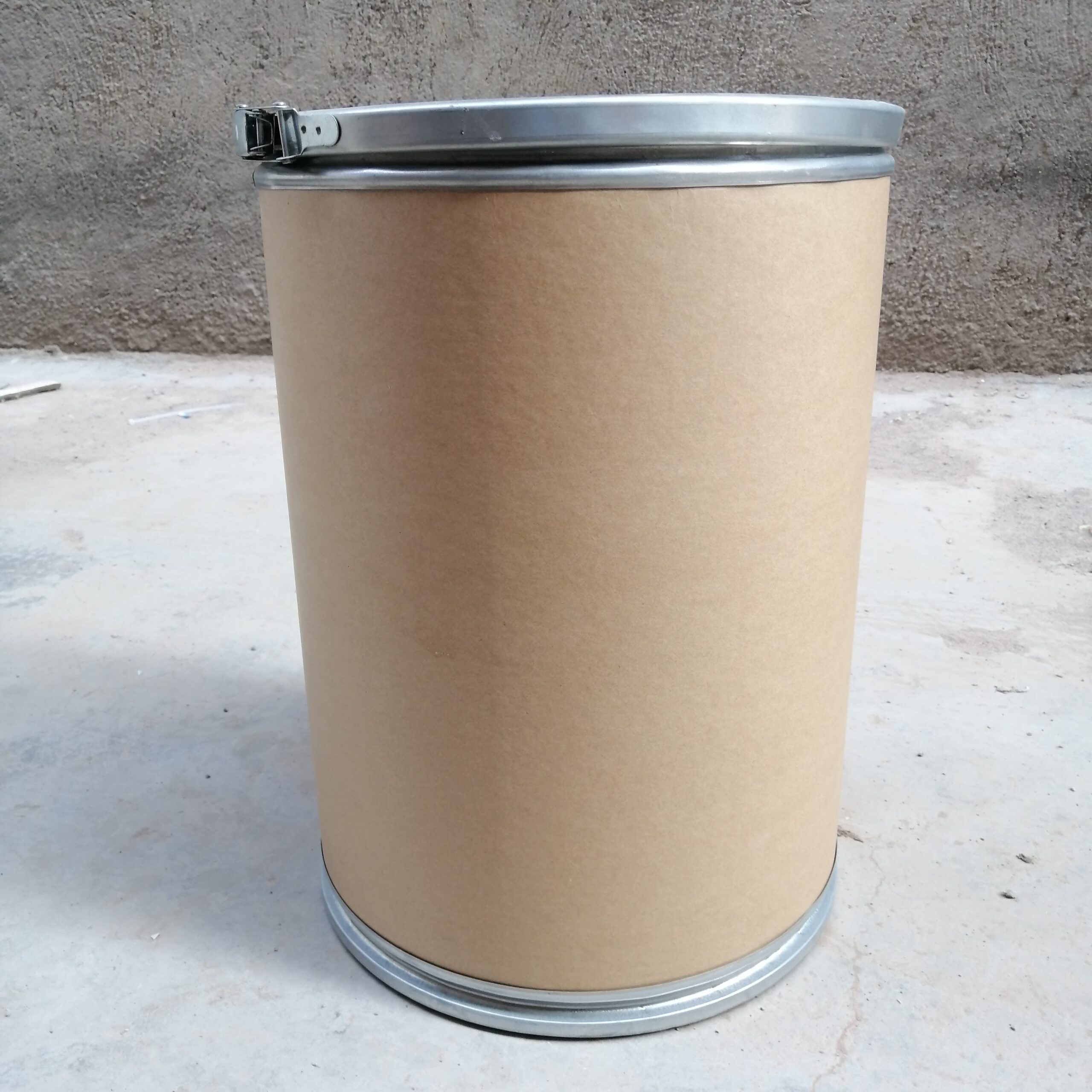
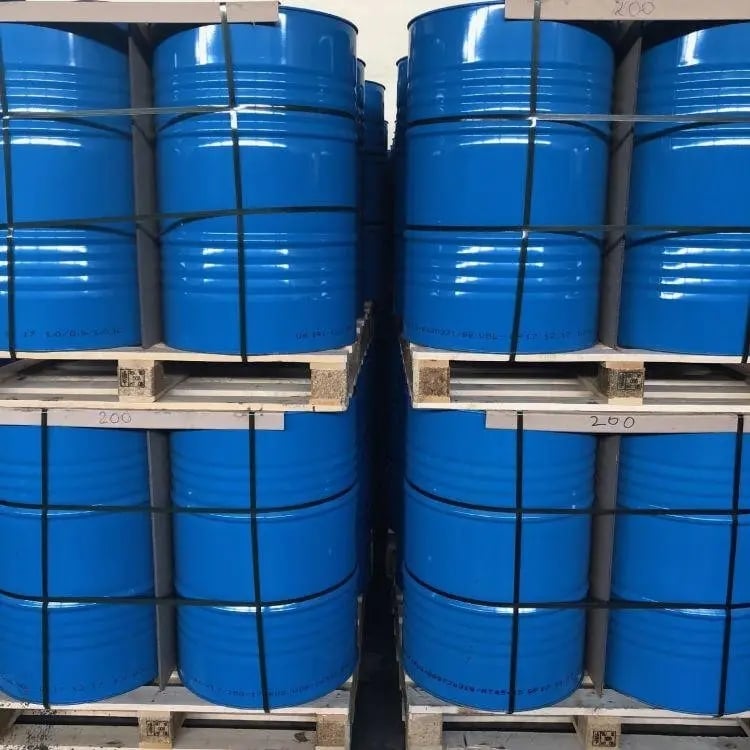
  • Package: 200kg iron drum or 50kg plastic drum packaging
Request a quote
Share:

Product Description

Physicochemical properties

PropertySpecification
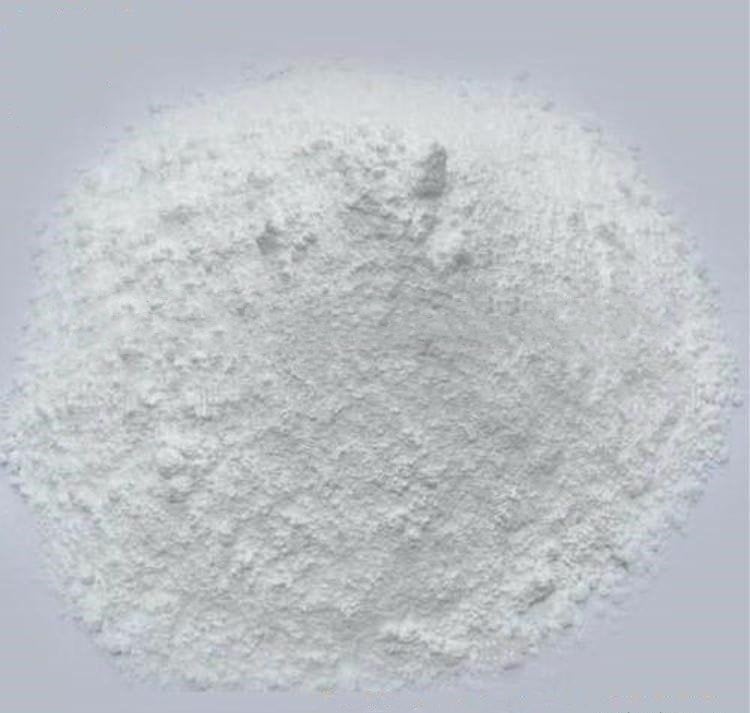
AppearanceWhite or pale yellow soft waxy semi-solid or flake-like
OdorSlightly characteristic odor.
Melting Point41–46℃.
Boiling Point>250℃.
Density (25℃)1.125 g/cm³.
Refractive Index1.458–1.461.
Viscosity (40℃)3.0–4.0 mm²/s.
pH (50 g/L in H₂O, 25℃)5.0–7.0.
Solubility– Soluble in water and ethanol.
– Insoluble in diethyl ether and most aliphatic hydrocarbons.
– Miscible with alcohols, ketones, chloroform, glycerol esters, and aromatic hydrocarbons.
StabilityThermally stable; non-reactive with most chemicals; does not hydrolyze.
HygroscopicitySlightly hygroscopic.
ReactivityIncompatible with strong oxidizing agents. Can participate in esterification and etherification reactions.

Application Areas

In the pharmaceutical field, it is used as a base for ointments, lubricants, moisturizers, and dispersants. It plays a role in improving texture, enhancing skin feel, and contributing to drug stability and targeting in pharmaceutical formulations. ‌
In the field of cosmetics, as an emulsifier, moisturizer, and softener, it helps to mix oil and water phases, maintain skin moisture balance, and improve the texture and texture of cosmetics. ‌
Coatings and inks: As dispersants and viscosity modifiers, they enhance pigment dispersibility and flowability, reduce dye volatility, and are suitable for viscosity adjustment of wax paper, printing pad ink, and ballpoint pen ink. ‌
Textile and Leather: As a softener and lubricant, it reduces fiber friction and enhances textile comfort; Used in leather processing to improve surface smoothness.

Storage conditions

Seal and store in a dry and ventilated place.
Suggested storage temperature is 2-8 ℃
Shelf life: The general shelf life is 2 years (depending on the product label).
Transportation: Storage and transportation of general chemicals, non flammable.

Safety precautions

Personal protection: Wear protective gloves, masks, and goggles during operation to avoid skin contact and inhalation of dust. Avoid direct contact with eyes or mucous membranes. ‌
Medical use: The dosage should be strictly controlled according to medical advice to avoid allergic reactions (such as rash, difficulty breathing). ‌
Industrial use: Avoid prolonged contact with the skin and clean promptly after operation. ‌

FAQ - Technical & Supply Chain

  • Q:

    Does PEG‑1500 have a fixed molecular formula?

    A: No. PEG‑1500 is a polymeric material with an average molecular weight and does not have a single fixed molecular formula.
  • Q:

    What physical form does PEG‑1500 typically have?

    A: PEG‑1500 is usually supplied as a white to off‑white waxy solid or flakes at room temperature.
Documents

Documents and Product Support

For product review and sourcing evaluation, supporting documents can be coordinated according to the product type, inquiry stage, and order requirements.

  • COA for batch-based quality reference
  • TDS for key physical and chemical information
  • SDS / MSDS for handling, storage, and safety reference
  • Packing information for sample, trial, and bulk orders
  • Technical communication based on application and specification requirements
Quotation

Information to Confirm Before Quotation

Clear sourcing information helps reduce specification mismatch and allows a more accurate quotation before sample or bulk order discussion.

  • Product name and CAS number
  • Application or intended end use
  • Required purity, grade, or specification
  • Sample quantity, trial order, or bulk demand
  • Preferred packing form or net weight
  • Destination country or port
  • Required documents or compliance expectations
Storage & Handling

Packaging, Storage, and Handling Notes

Packaging form, storage conditions, shelf life, and shipment arrangements should be confirmed according to the product characteristics, package size, and destination requirements.

Before order confirmation, buyers are advised to review the corresponding product documents and confirm whether any special storage, labeling, or handling requirements apply.

Supply Support

Sample, Bulk Order and Repeat Supply Support

Support can be arranged for sample discussion, bulk supply planning, packaging confirmation, and routine sourcing communication based on the actual product and order requirements.

For repeat-use formulations or long-term procurement plans, buyers may discuss specification consistency, packaging preferences, delivery expectations, and document coordination in advance.

Contact Form

Use our contact form to send us your questions, suggestions or comments. We will respond as soon as possible.