









Chemical products
  • Polyethylene Glycol 6000 (PEG-6000) Powder CAS 25322-68-3
  • Polyethylene Glycol 6000 (PEG-6000) Powder CAS 25322-68-3
  • Polyethylene Glycol 6000 (PEG-6000) Powder CAS 25322-68-3

Polyethylene Glycol 6000 (PEG-6000) Powder CAS 25322-68-3

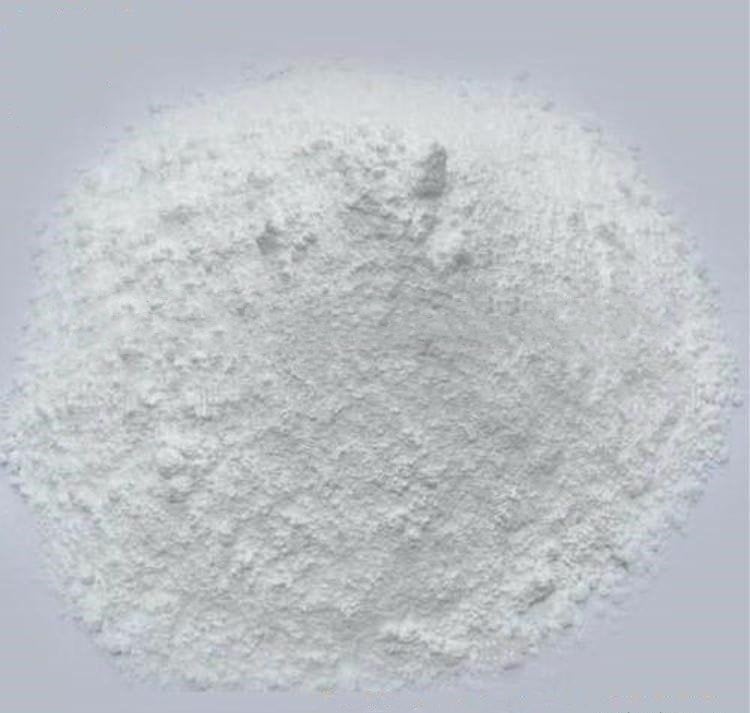
PEG 6000 is a polyethylene glycol polymer distribution with nominal average molecular weight 6000. It may be supplied as powder or flakes according to grade. Identity and suitability must be defined by the actual MW range, melting range, water, pH/test method, particle form, TDS and batch COA. Any pharmaceutical-excipient or pharmacopeial claim applies only when the supplied grade is documented as complying with the named monograph. It is not a single compound of single-compound purity. For a lower nominal molecular-mass grade with softer wax-like handling, PEG-1500 is a related polyethylene glycol option to compare against melt range and formulation requirements.

  • CAS: 25322-68-3
  • Synonyms: Polyethylene glycol 6000; PEG-6000; Macrogol 6000
  • Einecs: 500-038-2
  • Molecular Formula: HO(CH₂CH₂O)nH; polymer distribution with nominal average molecular weight 6000, not a single compound.
  • Grade: Confirm the commercial grade code, average molecular mass or composition distribution, hydroxyl or viscosity data, water and physical form against the current TDS and COA.
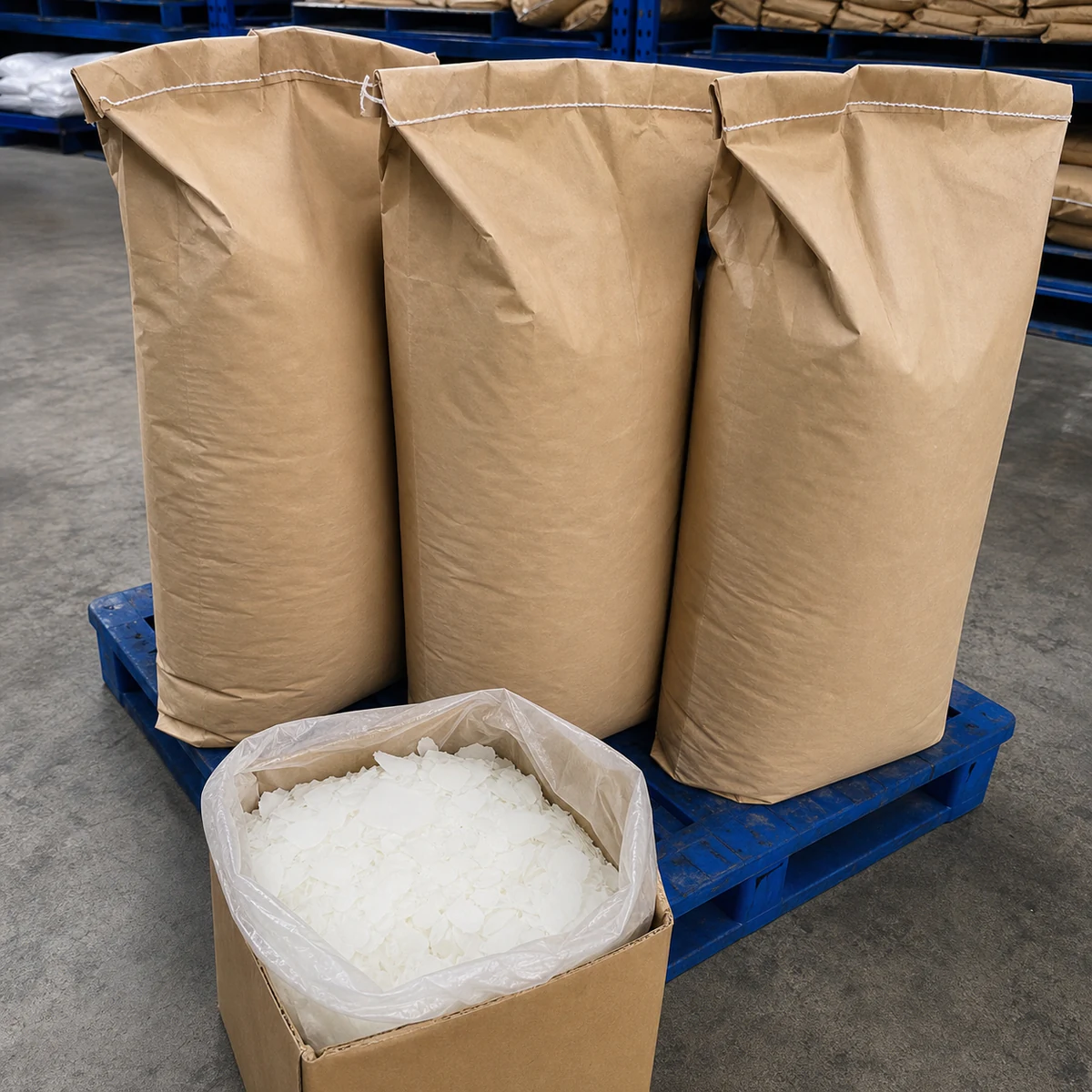
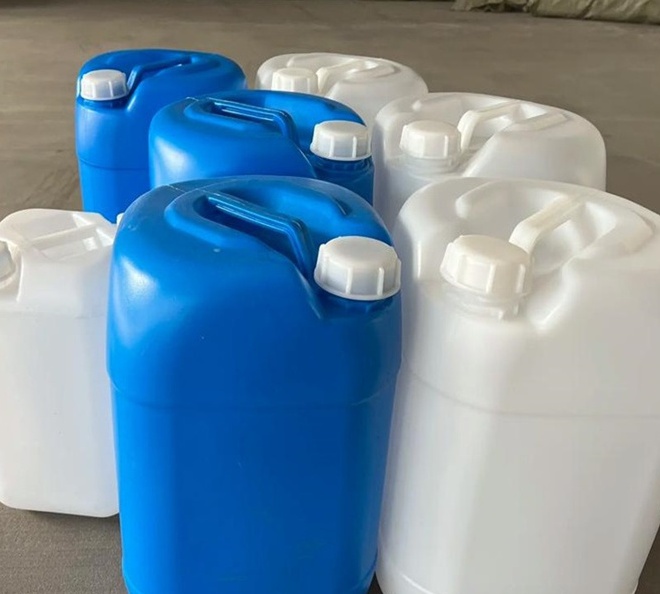
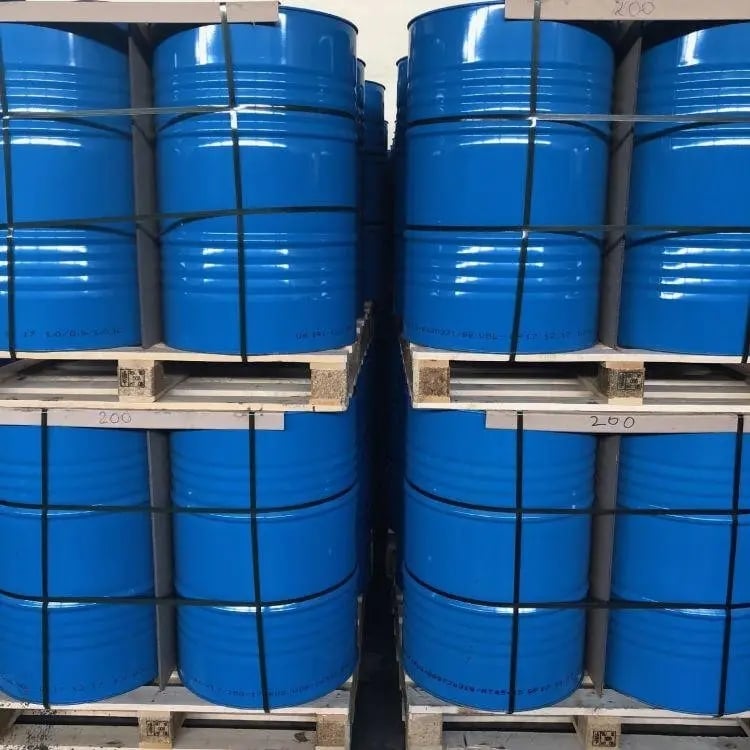
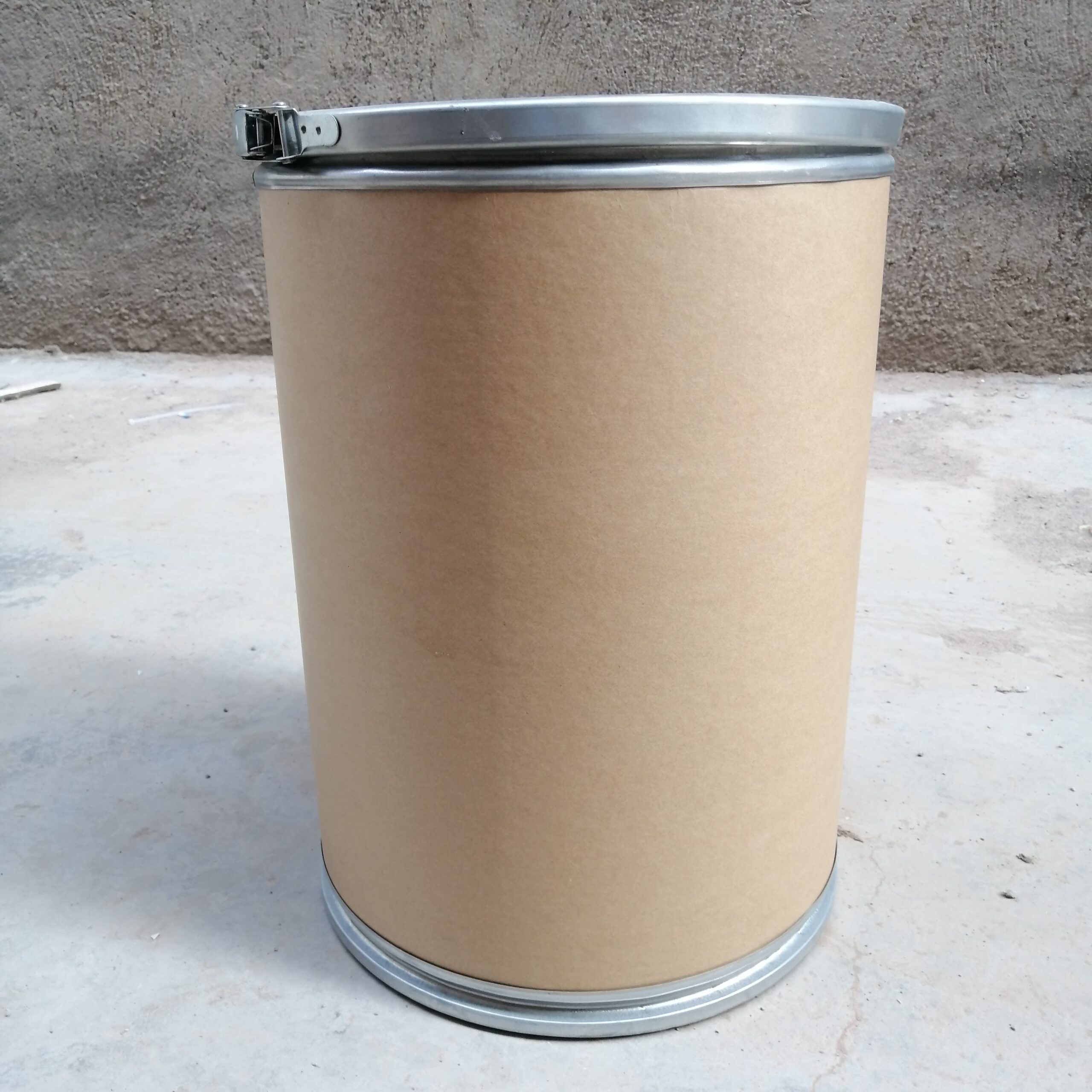
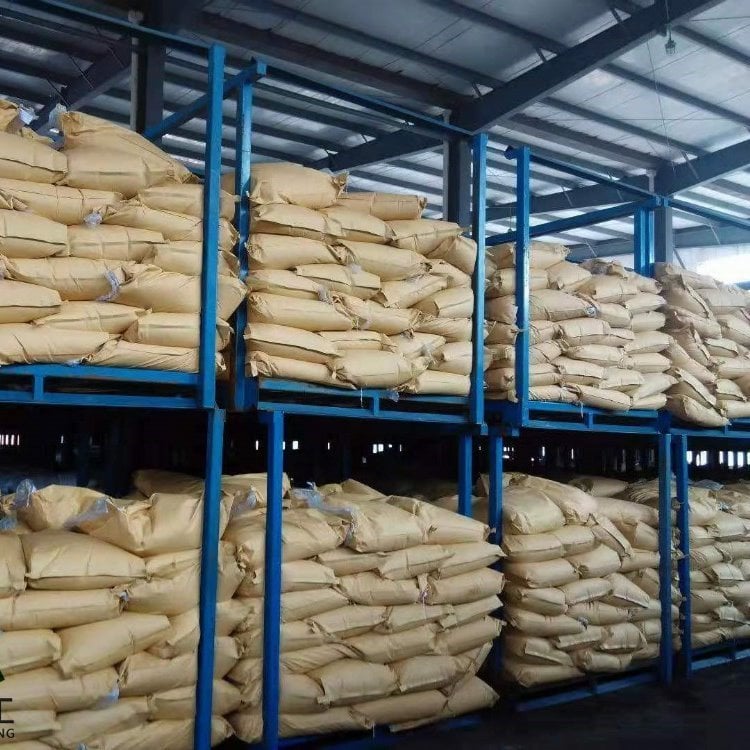
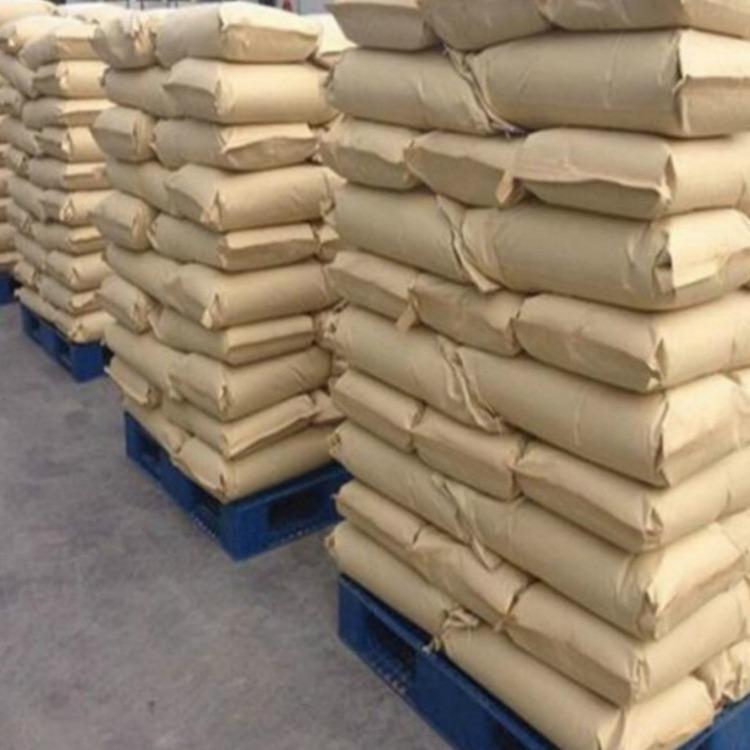
  • Package: State required quantity, physical form and destination; confirm the current bag or container, liner, net weight, temperature handling and transport requirements before quotation.
Request a quote
Share:

Product Description

Parameters

CAS Number25322-68-3
EC / List No.500-038-2
Identity / FormulaHO(CH₂CH₂O)nH; polymer distribution with nominal average molecular weight 6000, not a single compound.
Grade / SpecificationNominal MW 6000. State industrial or named compendial grade, MW range, melting range, water and COA; do not describe as a single pure compound.
Key physical dataNominal average MW 6000. Melting range, particle-size distribution, water and bulk density are grade- and test-method-specific; confirm the offered TDS/COA.
PackagingPackaging depends on the selected grade and order. Confirm the current bag or drum, liner, net weight, moisture protection and suitability before ordering.

Applications

Evaluate for compatible industrial binding, solubility or viscosity modification and process-aid uses. Pharmaceutical or excipient use requires a documented grade conforming to the named monograph and the buyer’s product-specific regulatory assessment.

Storage

Keep tightly closed in a dry, clean area and protect from moisture, heat and contamination. Reseal promptly after opening and follow the supplier SDS and any compendial storage requirements for the named grade.

Safety / Regulatory

Use the current supplier SDS, workplace controls and buyer risk assessment. Confirm classification, transport status and destination requirements before handling or shipment.

FAQ - Technical & Supply Chain

  • Q:

    Does “6000” mean every PEG 6000 molecule has a molecular weight of 6000?

    A: No. Polyethylene glycol 6000 is a polymer distribution, not one discrete compound. The designation is a nominal average molecular-mass class. The offered grade should therefore state its specified average-mass range and method, together with relevant controls such as hydroxyl value, water, appearance and melting range where applicable.
  • Q:

    Can a PEG 6000 powder be replaced solely because it shares CAS 25322-68-3?

    A: No. The shared CAS identifies polyethylene glycol but does not establish an identical molecular-mass distribution or commercial grade. Compare the agreed average-mass range, hydroxyl value, water, physical form, melting range and the stated methods. The proposed material should then be assessed in the intended processing or formulation system.
  • Q:

    Is PEG 6000 powder automatically suitable where a pharmacopoeial or regulated grade is specified?

    A: No. Powder form and CAS number do not establish compliance with a named monograph or a destination-specific requirement. Identify the intended use and applicable standard, then confirm the offered grade’s documentary status, specification and batch data. The final suitability assessment remains specific to the finished product and market.

Ordering & Documentation

Key information for document requests, quotations, and supply planning.

Documents

COA, TDS, SDS/MSDS and packing details are available on request.

Quotation

Send the CAS number, grade, quantity, packing preference and destination.

Sample & Supply

Support is available for samples, trial orders, bulk and repeat supply.

Storage & Shipping

Product-specific conditions are confirmed before order.

Contact Form

Use our contact form to send us your questions, suggestions or comments. We will respond as soon as possible.