









GPE 3000, chemically described as Polyoxyethylene Polyoxypropylene Glycerol Ether, is a nonionic polyether material supplied as an industrial ingredient for formulated chemical systems. Identified by CAS No. 9082-00-2, this glycerol‑initiated EO/PO copolymer exhibits controlled hydrophilic‑lipophilic balance, low foaming behavior, and formulation compatibility in aqueous and mixed systems. It is commonly applied in nonionic surfactant formulations where dispersing performance, wetting control, and processing stability are required at the industrial production level. Supply availability includes competitive factory pricing, support for customized molecular weight ranges, and full documentation such as MSDS, TDS, COA for bulk supply.
GPE 3000 CAS 9082-00-2
- CAS: 9082-00-2
- Synonyms: GPE 3000 , Polyoxyethylene Polyoxypropylene Glycerol Ether, Glycerol EO PO Ether, Nonionic Polyether
- Einecs: 500-036-1
- Molecular Formula: C₃H₅(OH)₃–(C₂H₄O)ₐ–(C₃H₆O)ᵦ (average)
- Grade: 99%
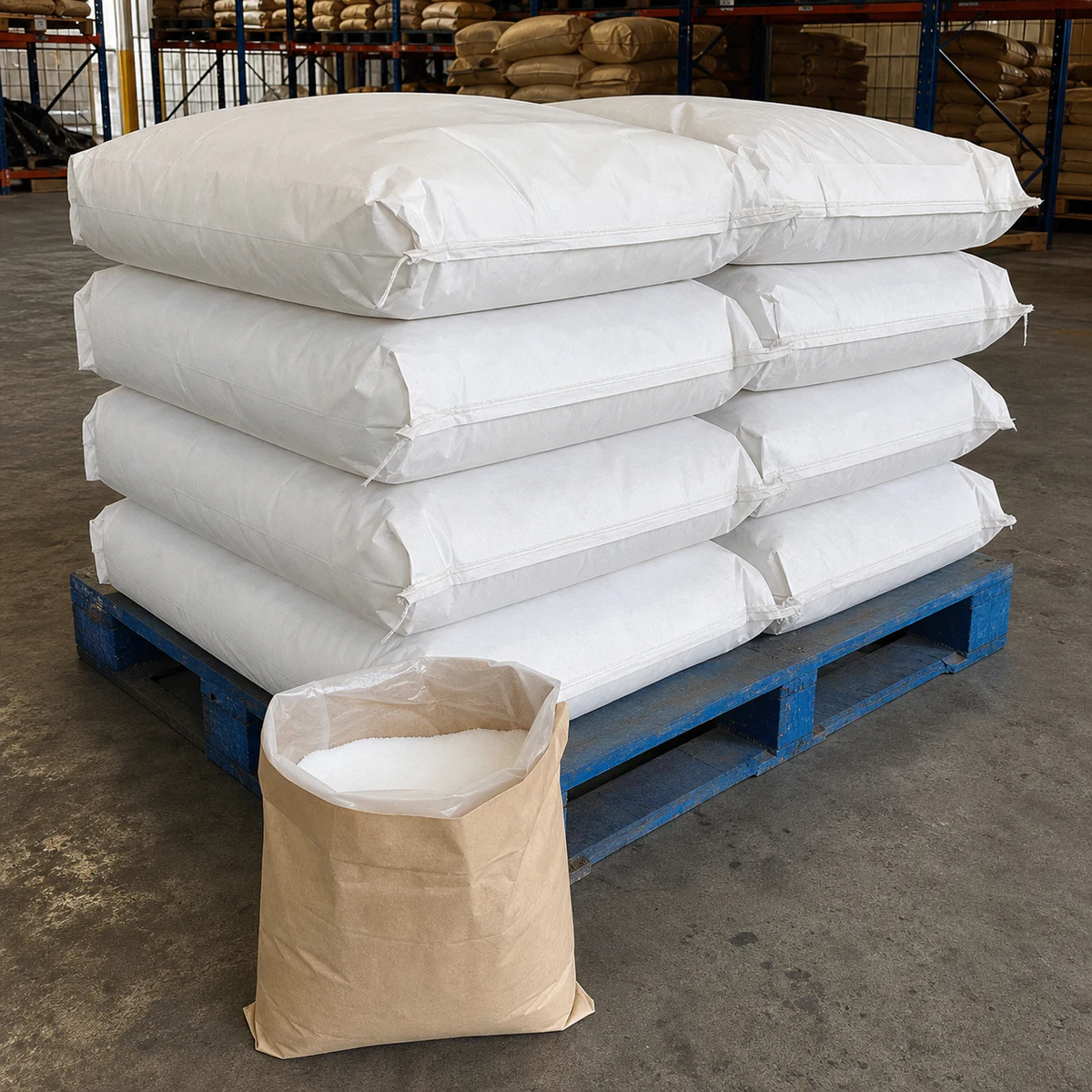
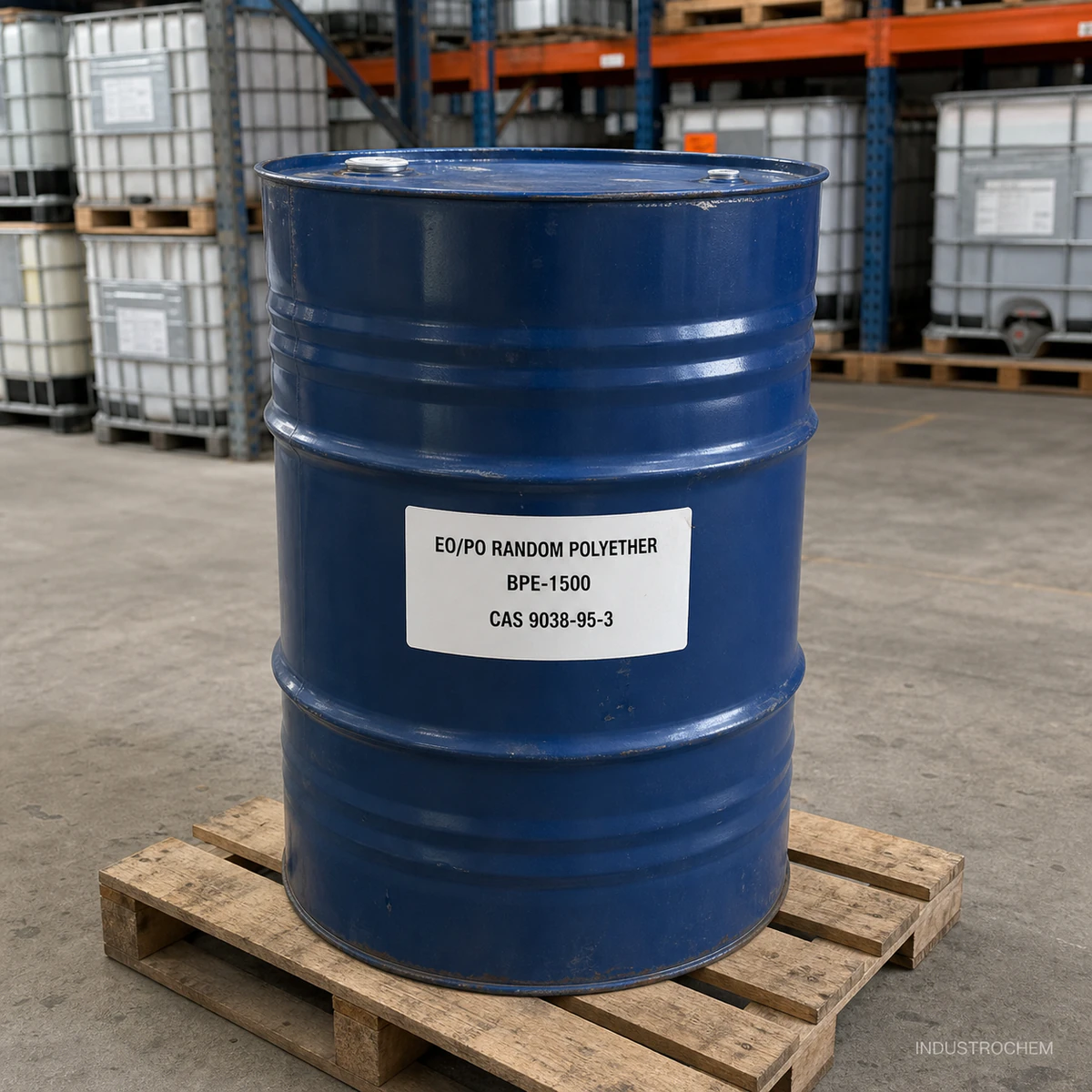
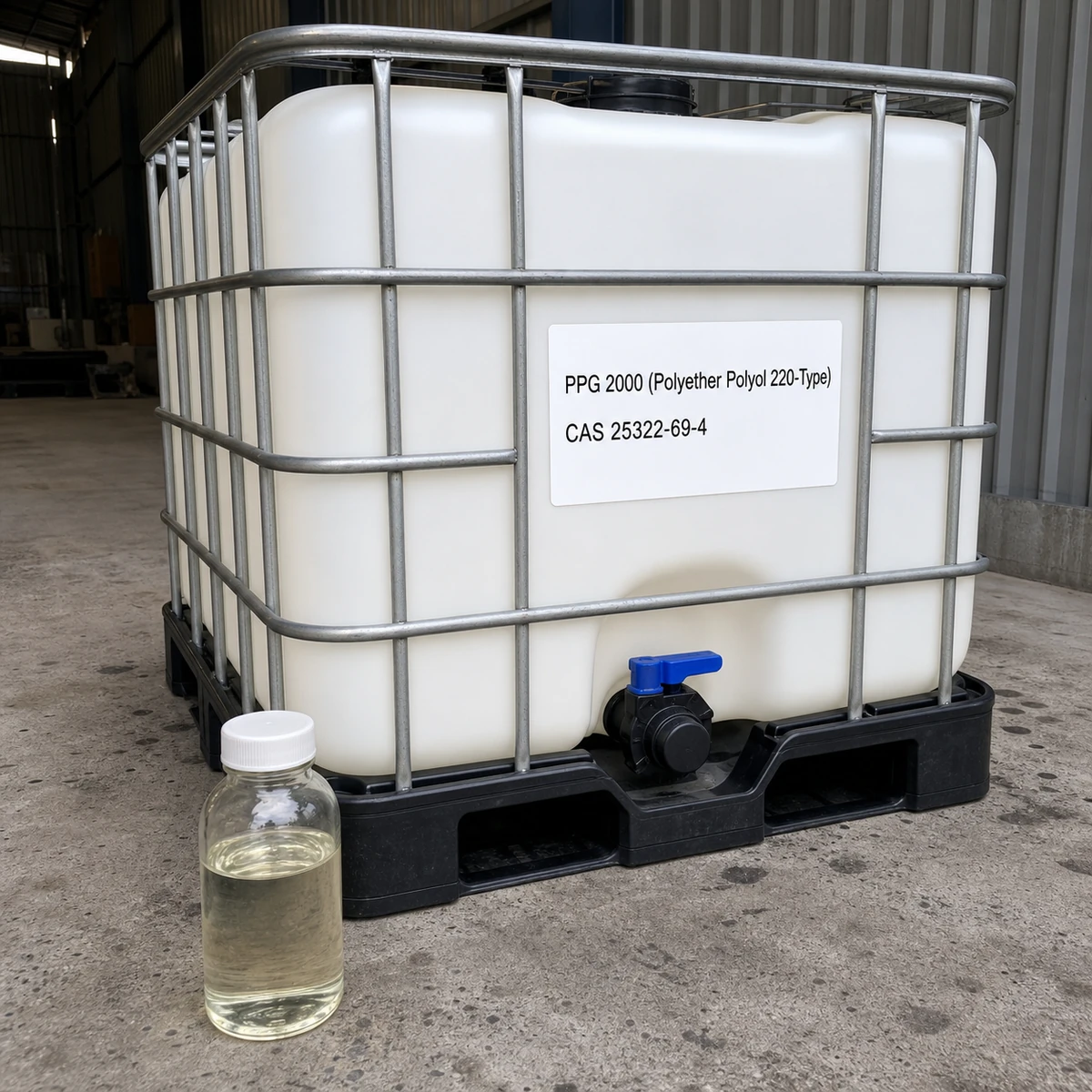
- Package: 200kg iron drum or 50kg plastic drum packaging
Product Description
Polyoxyethylene Polyoxypropylene Glycerol Ether GPE-3000 is supplied as a nonionic polyether material based on a glycerol-initiated EO/PO copolymer structure. It is more appropriate to position this product as an industrial polyether surfactant and formulation ingredient rather than as a broad consumer-care material, because the page content consistently emphasizes low-foam processing, wetting control, dispersing performance, and industrial system compatibility.
This product is suitable for detergent systems, metalworking fluids, textile auxiliaries, defoaming-related applications, and other industrial formulations where process stability and nonionic compatibility are required. Technical documents such as COA, TDS, and SDS may be provided according to the supplied grade.
| Product Name | Polyoxyethylene Polyoxypropylene Glycerol Ether GPE-3000 |
| CAS Number | 9082-00-2 |
| Synonyms | GPE-3000; Polyoxyethylene Polyoxypropylene Glycerol Ether; Glycerol EO/PO Ether; Nonionic Polyether |
| EINECS | 500-036-1 |
| Product Identity | Glycerol-initiated nonionic EO/PO polyether |
| Primary Functions | Wetting, dispersion, low-foam processing, and formulation compatibility |
| Application Type | Industrial surfactant and process formulation ingredient |
| Documentation | COA, TDS, and SDS may be provided according to the supplied grade |
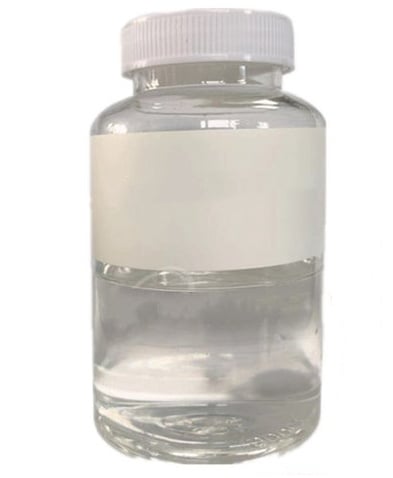
| Appearance | Colorless to pale yellow transparent viscous liquid |
| Color (Pt-Co) | ≤ 20 |
| Density (25°C) | Approximately 1.02 g/mL |
| pH (1% Aqueous Solution) | 5.0–7.0 |
| Solubility | Soluble in water, alcohols, and ethers; not suitable for non-polar solvent systems such as petroleum ether |
| Stability | Stable under normal storage conditions when sealed and protected from light and incompatible materials |
- Used in low-foam detergent systems where controlled surface activity and process cleanliness are required.
- Suitable for metal cutting fluids and related industrial processing systems requiring wetting and compatibility.
- Applied in textile auxiliaries such as leveling, antistatic, and process support formulations.
- Used in defoaming-related systems in paper, textile, and coating process environments.
- Suitable for industrial formulations where glycerol-based nonionic polyether structure is selected for dispersing and processing stability.
Standard packaging may be supplied in 200 kg iron drums, 50 kg plastic drums, or other industrial packaging formats according to grade and shipment arrangement.
Packaging type and net weight may vary depending on order specification, export handling, and storage requirements.
- Store sealed in a cool, dry, and well-ventilated area.
- Recommended storage temperature should avoid excessive heat and freezing conditions.
- Protect from direct light exposure and excess moisture during storage.
- Keep away from strong oxidizers and other incompatible materials.
- Use appropriate gloves, eye protection, and standard industrial handling measures.
- Avoid direct contact with skin and eyes during operation.
- If accidental contact occurs, rinse thoroughly with water and follow the applicable SDS instructions.
- Refer to the current SDS before storage, transport, handling, or formulation use.
FAQ - Technical & Supply Chain
Documents and Product Support
For product review and sourcing evaluation, supporting documents can be coordinated according to the product type, inquiry stage, and order requirements.
- COA for batch-based quality reference
- TDS for key physical and chemical information
- SDS / MSDS for handling, storage, and safety reference
- Packing information for sample, trial, and bulk orders
- Technical communication based on application and specification requirements
Information to Confirm Before Quotation
Clear sourcing information helps reduce specification mismatch and allows a more accurate quotation before sample or bulk order discussion.
- Product name and CAS number
- Application or intended end use
- Required purity, grade, or specification
- Sample quantity, trial order, or bulk demand
- Preferred packing form or net weight
- Destination country or port
- Required documents or compliance expectations
Packaging, Storage, and Handling Notes
Packaging form, storage conditions, shelf life, and shipment arrangements should be confirmed according to the product characteristics, package size, and destination requirements.
Before order confirmation, buyers are advised to review the corresponding product documents and confirm whether any special storage, labeling, or handling requirements apply.
Sample, Bulk Order and Repeat Supply Support
Support can be arranged for sample discussion, bulk supply planning, packaging confirmation, and routine sourcing communication based on the actual product and order requirements.
For repeat-use formulations or long-term procurement plans, buyers may discuss specification consistency, packaging preferences, delivery expectations, and document coordination in advance.