









Glycerol Ethoxylate G-18 (Glycereth-18), CAS 31694-55-0, is a nonionic, glycerol-based polyethylene glycol ether with a nominal average of about 18 EO units in total across three arms. The commercial material contains a distribution of chain lengths rather than one discrete molecule. Glycereth-18 is used as a humectant and skin-conditioning ingredient in personal-care formulations; grade selection depends on the required specification and performance in the finished formula.
Glycerol Ethoxylate G-18 / Glycereth-18 CAS 31694-55-0
- CAS: 31694-55-0
- Synonyms: Glycereth-18; Glycerol Ethoxylate G-18; Ethoxylated glycerol G-18
- Einecs: See the offered grade's SDS for its applicable EC/List identification
- Molecular Formula: Three-arm glycerol polyether distribution; nominal average x+y+z≈18 EO; no single fixed molecular formula
- Grade: G-18 / Glycereth-18; nominal average about 18 total EO units; grade-specific hydroxyl value, water and viscosity
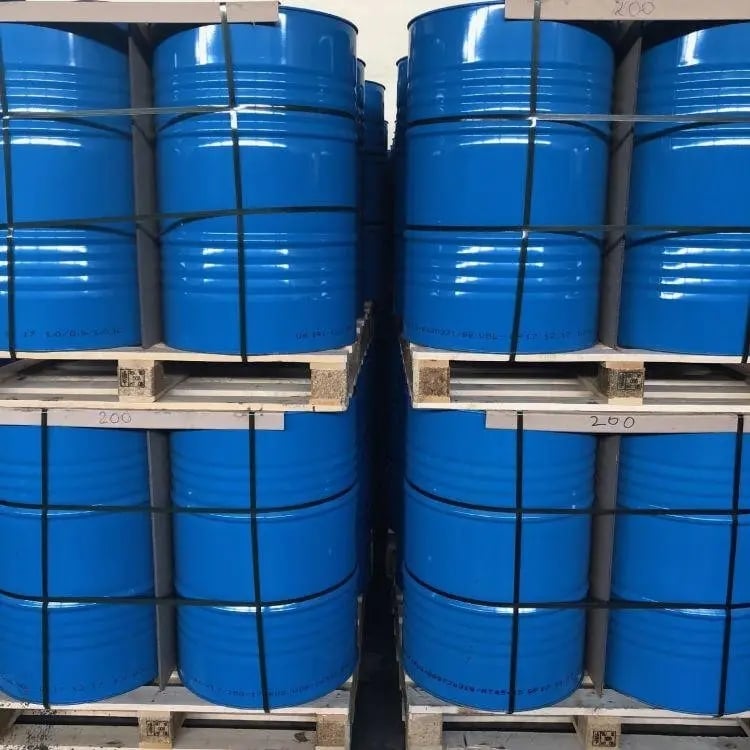
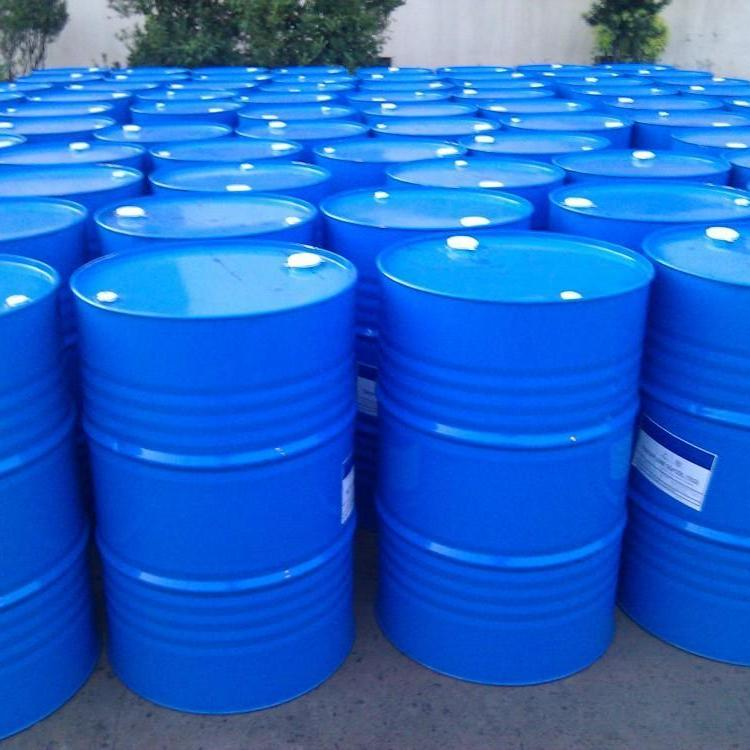
- Package: Packaging and net weight specified in the quotation for the offered grade
Product Description
Product overview
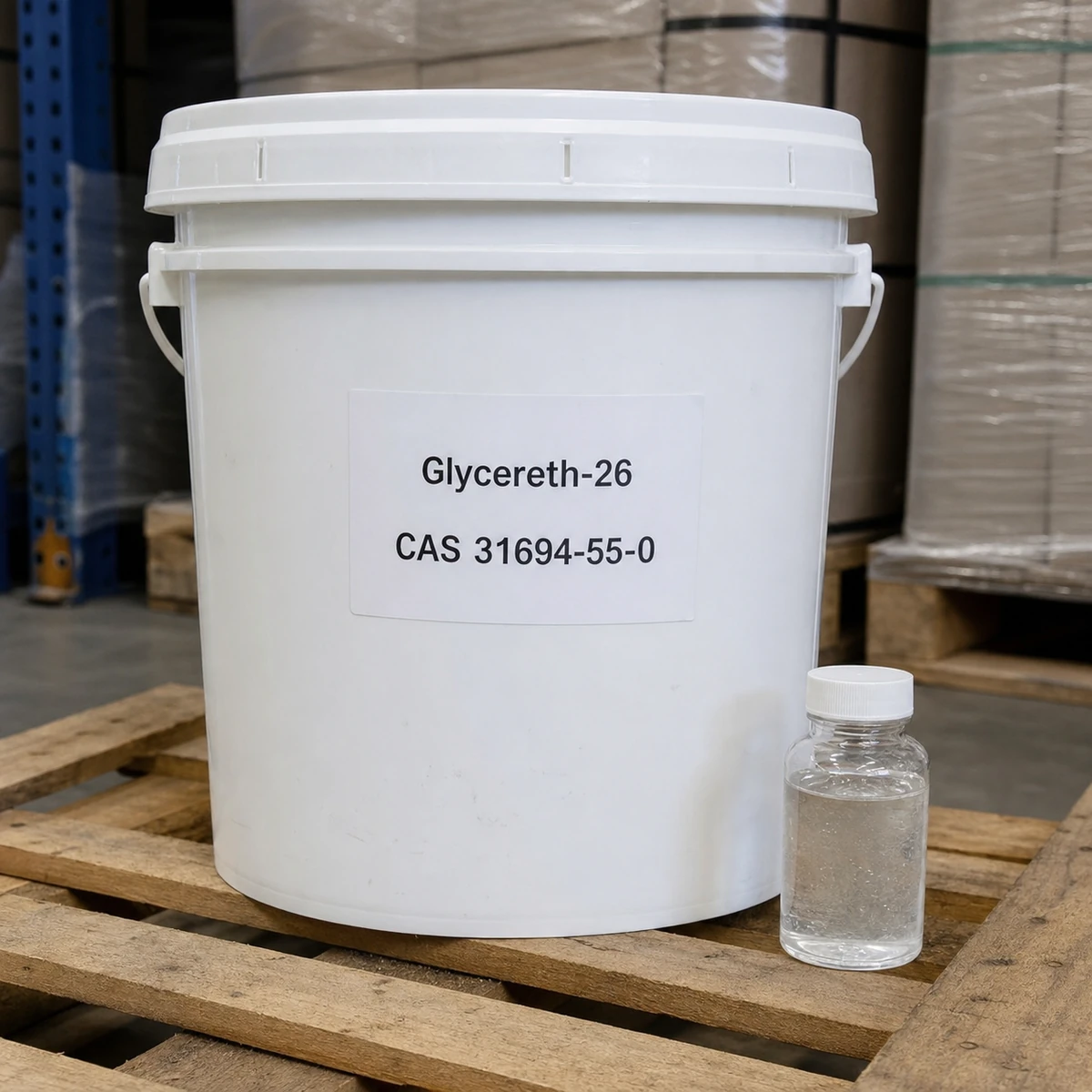
G-18 and Glycereth-26 belong to the same glycerol ethoxylate family but have different average EO levels. CAS 31694-55-0 identifies the family, so it does not establish equivalence between the two grades. Compare hydroxyl value, water, viscosity and formulation performance before considering a substitution.
Glycerol is the starting triol; PEG-300 is a linear polyethylene glycol rather than a three-arm glycerol ether. Propylene Glycol is a small-molecule humectant and solvent used in personal-care formulations. These ingredients offer useful formulation comparisons, but each needs a suitable grade and assessment in the finished formula; none is a weight-for-weight G-18 replacement by name alone.
Technical information
| Product | Glycerol Ethoxylate G-18 / Glycereth-18 CAS 31694-55-0 |
|---|---|
| CAS number | 31694-55-0 |
| EC / list number | See the offered grade’s SDS for its applicable EC/List identification |
| Molecular formula / identity | Three-arm glycerol polyether distribution; nominal average x+y+z≈18 EO; no single fixed molecular formula |
| Synonyms | Glycereth-18; Glycerol Ethoxylate G-18; Ethoxylated glycerol G-18 |
| Grade | G-18 / Glycereth-18; nominal average about 18 total EO units; grade-specific hydroxyl value, water and viscosity |
| Packaging | Packaging and net weight specified in the quotation for the offered grade |
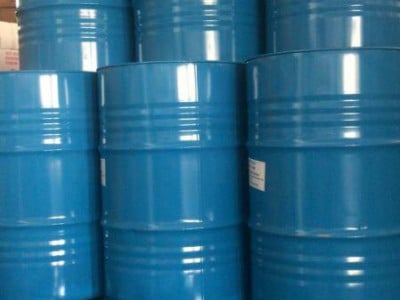
To compare G-18 grades, review the stated average EO basis, hydroxyl value (mg KOH/g), water content, appearance and viscosity. Viscosity results need the measurement temperature, method and units: dynamic mPa·s and kinematic cSt are different quantities. If the product is diluted, the carrier and active-content basis also matter. A single purity percentage does not define the whole polyether distribution.
For applications with residual ethylene oxide or 1,4-dioxane limits, specify each analyte and the required limit or reporting basis. Residual free ethylene oxide is distinct from the EO units incorporated into the polyether. We can arrange relevant test documentation and, where the selected test uses chromatography, the corresponding chromatogram for an appropriately documented grade; the method and reporting limit must suit the product and application.
Documentation and quotation
We can provide a COA (Certificate of Analysis), TDS (Technical Data Sheet) and SDS (Safety Data Sheet) for the offered grade. The COA records batch test results, the TDS describes the grade specification and the SDS covers handling and storage.
For a quotation, send the intended use, required G-18 specification, quantity and destination. Include any critical quality limits and packaging preference so the offer can match your application.
FAQ - Technical & Supply Chain
-
Q:
Does Glycereth-18 mean 18 EO units on each arm?
A: No. The nominal 18 EO units are the average total across the three glycerol-derived arms. Individual molecules have different chain lengths, so G-18 is a distribution rather than a single compound with one fixed molecular formula. -
Q:
Can Glycereth-18 replace Glycereth-26 because they share a CAS number?
A: They are different average EO grades in the same glycerol ethoxylate family. Compare hydroxyl value, water, viscosity and formulation performance before considering a substitution. The shared CAS number alone does not establish equivalence. -
Q:
Which quality parameters matter when purchasing G-18?
A: Specify G-18 or Glycereth-18 alongside the CAS number, then compare the offered hydroxyl value (mg KOH/g), water content, appearance and viscosity at a stated temperature and in stated units. For a diluted grade, include the carrier and active-content basis. Application-specific residual limits need their own analytes and test documentation. -
Q:
Can you provide COA, TDS, SDS and chromatograms for G-18?
A: We can provide the offered grade’s COA, TDS and SDS. For a required residual-ethylene-oxide or 1,4-dioxane test, include the analyte, limit and reporting basis in your inquiry. A chromatogram is relevant when the selected test uses chromatography; it is not a universal measure of G-18 purity or total EO count.
Ordering & Documentation
Key information for document requests, quotations, and supply planning.
Documents
Tell us which documents your procurement team needs. Before an order, we will check whether the quoted source can provide them for the offered lot.
Quotation
Send the CAS number, grade, quantity, packing preference and destination.
Sample & Supply
Ask whether samples, trial quantities or repeat orders are possible. We will check each request against the sourced product and current offer.
Storage & Shipping
Product-specific conditions are confirmed before order.