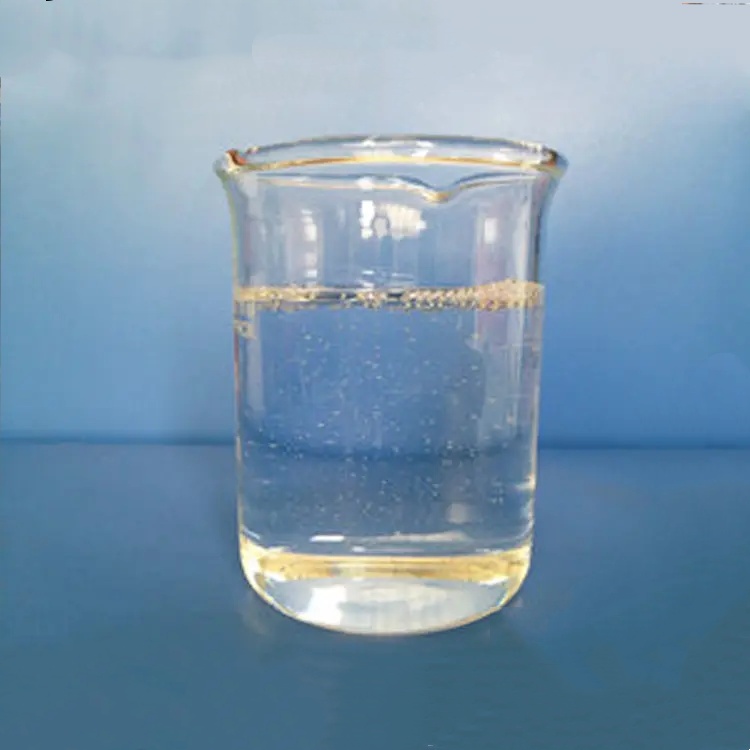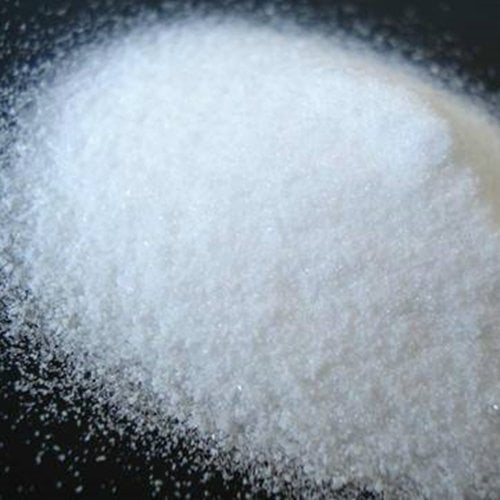










Glycerol (Glycerin), CAS 56-81-5, is also known as 1,2,3-propanetriol. It is a polyol used as a humectant, solvent, plasticizer and chemical intermediate across industrial formulations. Confirm source or origin, grade, water content, physical form, packaging and required documents before requesting quotation.
Glycerol (Glycerin) CAS 56-81-5
- CAS: 56-81-5
- Synonyms: Glycerol; Glycerin; Glycerine; 1,2,3-Propanetriol
- Einecs: 200-289-5
- Molecular Formula: C₃H₈O₃
- Grade: Confirm source or origin, grade, water content, physical form, packaging and required documents.
- Package: Confirm packaging compatible with the offered form and destination requirements.
Product Description
Product name: Glycerol (Glycerin)
Synonyms: Glycerol; Glycerin; Glycerine; 1,2,3-Propanetriol
Molecular formula: C₃H₈O₃
Molecular weight: 92.09
CAS number: 56-81-5
EC number: 200-289-5
Chemical identity: Glycerol (Glycerin), CAS 56-81-5, is a polyol also called glycerin or glycerine.
Identity boundary: CAS does not establish vegetable origin, source, food grade, USP status or an exact water-content specification.
Commercial form: Confirm the offered physical form in the current product-specific specification.
Physical data: Confirm current physical-property data in the product-specific specification.
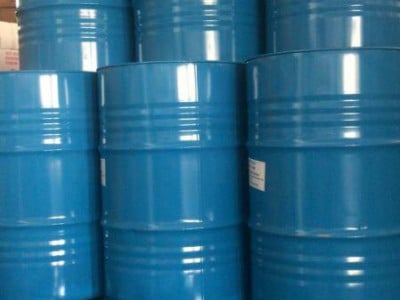
Packaging: Confirm packaging compatible with the offered form and destination requirements.
Application boundary: It is used across industrial formulations, but the buyer must confirm suitability for the intended process.
Material suitability: It is used across industrial formulations, but the buyer must confirm suitability for the intended process.
Regulatory check: Confirm local regulatory suitability for the intended use before procurement.
RFQ information: State the required form, quantity, intended use, destination and required documents in the RFQ.
FAQ - Technical & Supply Chain
-
Q:
Are Glycerol and Glycerin the same product name?
A: Yes. Glycerol and glycerin identify CAS 56-81-5, propane-1,2,3-triol. The name alone does not define concentration, feedstock or grade: crude, 85%, 96%, 99.5%, technical and regulated grades are not interchangeable. State the required concentration and grade. -
Q:
What is Glycerol used for?
A: Glycerol is used across industrial formulations as a humectant, solvent, plasticizer and chemical intermediate. The buyer must confirm suitability for the intended process and local regulatory use, because the chemical identity does not establish food, pharmaceutical or cosmetic suitability. -
Q:
Which specifications should be agreed for industrial Glycerol?
A: Confirm glycerol content, water, colour, density or refractive index, acidity, ash, chloride, sulfate, methanol, ethylene glycol, diethylene glycol and related impurities with the methods. Where relevant, also state vegetable, synthetic or biodiesel-derived origin. -
Q:
What should be confirmed before bulk Glycerol delivery?
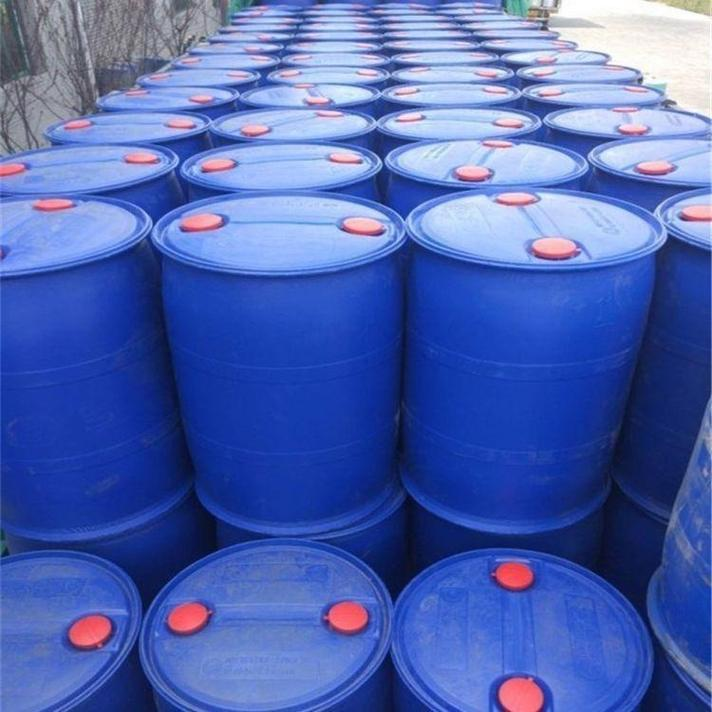
A: Confirm drum, IBC, flexibag or tank format, net weight, previous cargo where applicable, moisture protection and unloading arrangements. Concentrated glycerol is hygroscopic and highly viscous, especially when cool, so align transport temperature, pumping and container compatibility. -
Q:
How do vegetable-derived, synthetic and crude/biodiesel-derived Glycerol differ?
A: CAS 56-81-5 does not identify the production route. Vegetable-derived glycerin is typically a renewable co-product of fat/oil processing or biodiesel, synthetic glycerin may come from petrochemical routes, and crude or technical grades generally contain more water, salts, methanol and colour than refined USP/BP grades. State the required source or origin and grade in the purchase specification.
Ordering & Documentation
Key information for document requests, quotations, and supply planning.
Documents
Tell us which documents your procurement team needs. Before an order, we will check whether the quoted source can provide them for the offered lot.
Quotation
Send the CAS number, grade, quantity, packing preference and destination.
Sample & Supply
Ask whether samples, trial quantities or repeat orders are possible. We will check each request against the sourced product and current offer.
Storage & Shipping
Product-specific conditions are confirmed before order.