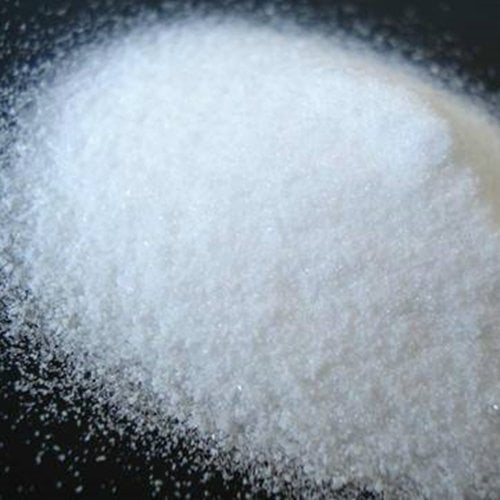
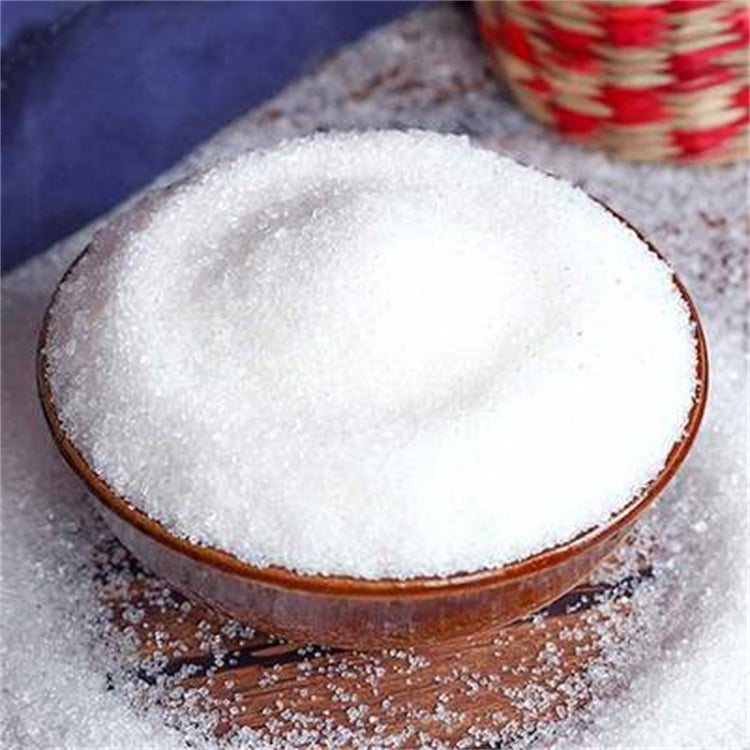
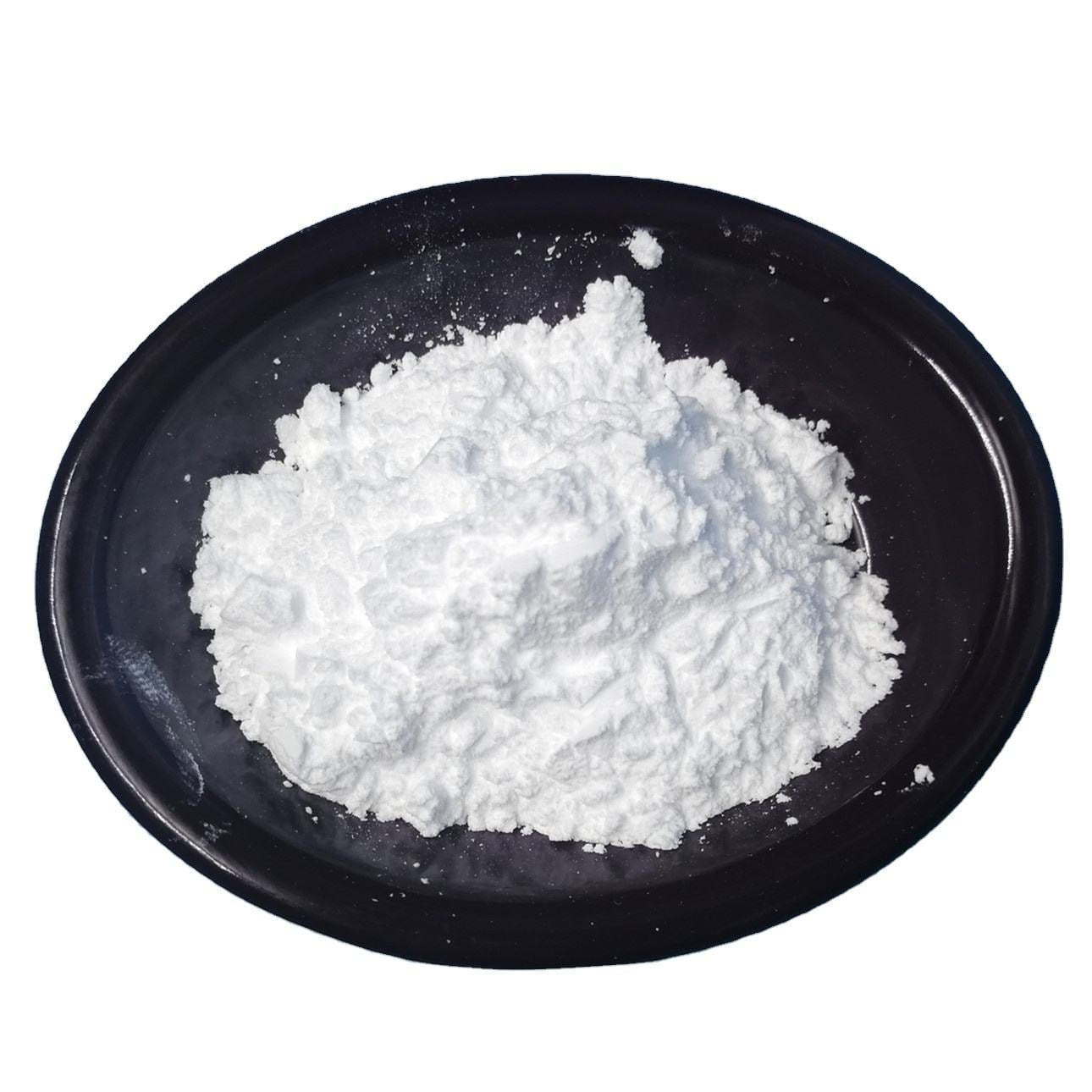
Ethyl Carbamate (Urethane), CAS 51-79-6, is also known as carbamic acid ethyl ester. It is a discrete low-molecular-weight carbamate ester, not a polyurethane resin. This material is safety-sensitive, so confirm lawful intended use, local compliance and handling requirements, together with identity, form, specification, packaging and current safety documents, before requesting quotation.
Ethyl Carbamate (Urethane), CAS 51-79-6
- CAS: 51-79-6
- Synonyms: Ethyl carbamate; Urethane; Carbamic acid ethyl ester
- Einecs: 200-123-1
- Molecular Formula: C₃H₇NO₂
- Grade: Confirm chemical identity, form, specification, intended use, packaging and current safety-document needs.
- Package: Confirm packaging compatible with the offered form and destination requirements.
Product Description
Product name: Ethyl Carbamate (Urethane)
Synonyms: Ethyl carbamate; Urethane; Carbamic acid ethyl ester
Molecular formula: C₃H₇NO₂
Molecular weight: 89.09
CAS number: 51-79-6
EC number: 200-123-1
Chemical identity: Ethyl Carbamate (Urethane), CAS 51-79-6, is a low-molecular-weight carbamate ester also called urethane.
Identity boundary: In this context urethane is a synonym for ethyl carbamate; it is not polyurethane.
Commercial form: Confirm the offered physical form in the current product-specific specification.
Physical data: Confirm current physical-property data in the product-specific specification.
Handling and storage: Review current product-specific SDS and legal requirements before handling or requesting a quotation.
Grade and content: Confirm chemical identity, form, specification, intended use, packaging and current safety-document needs.
Application boundary: Ethyl carbamate is safety-sensitive; the buyer must confirm lawful intended use, local compliance and handling requirements before procurement.
FAQ - Technical & Supply Chain
-
Q:
What is Ethyl Carbamate, and is it the same as polyurethane?
A: Ethyl carbamate, CAS 51-79-6, is a discrete low-molecular-weight carbamate ester with formula C3H7NO2 and is also called urethane or carbamic acid ethyl ester. In this context, urethane is a synonym for the single compound; it is not a polyurethane resin or a normal polyurethane feedstock. -
Q:
What authorized uses should be confirmed for Ethyl Carbamate?
A: Ethyl carbamate may be requested for controlled chemical synthesis, analytical-reference work or other specifically authorized applications. It is not a general-purpose chemical and is not a normal resin raw material, so the buyer must confirm lawful intended use, local compliance and handling requirements before procurement. -
Q:
Which specifications should be checked when purchasing Ethyl Carbamate?
A: Confirm assay and method, appearance, melting range, water, residue, related impurities, residual solvents and any required trace-metal limits against the offered batch specification. Grade requirements depend on the application, so the quotation and product specification should use the same analytical basis. -
Q:
How should Ethyl Carbamate be stored, handled and shipped?
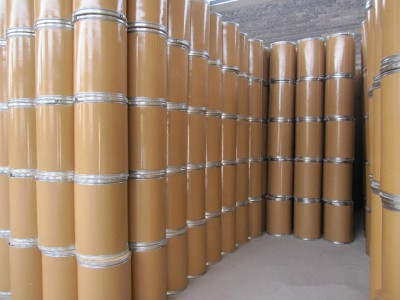
A: Store it in tightly closed, cool, dry, well-ventilated conditions away from incompatible materials and unauthorized use. Review the safety classification and destination regulatory controls before dispatch, and confirm suitable packaging, net quantity, labelling and required transport or compliance documents. -
Q:
What are the typical physical properties of Ethyl Carbamate?
A: Ethyl carbamate CAS 51-79-6, C3H7NO2 and molecular weight 89.09, is normally a colorless crystalline solid or white powder with a melting range near 48-51 C and a boiling point near 182-184 C. Reported density is about 0.986 g/cm3 and flash point about 92 C; confirm the actual batch specification and purity because analytical and synthesis grades can differ.
Ordering & Documentation
Key information for document requests, quotations, and supply planning.
Documents
Tell us which documents your procurement team needs. Before an order, we will check whether the quoted source can provide them for the offered lot.
Quotation
Send the CAS number, grade, quantity, packing preference and destination.
Sample & Supply
Ask whether samples, trial quantities or repeat orders are possible. We will check each request against the sourced product and current offer.
Storage & Shipping
Product-specific conditions are confirmed before order.