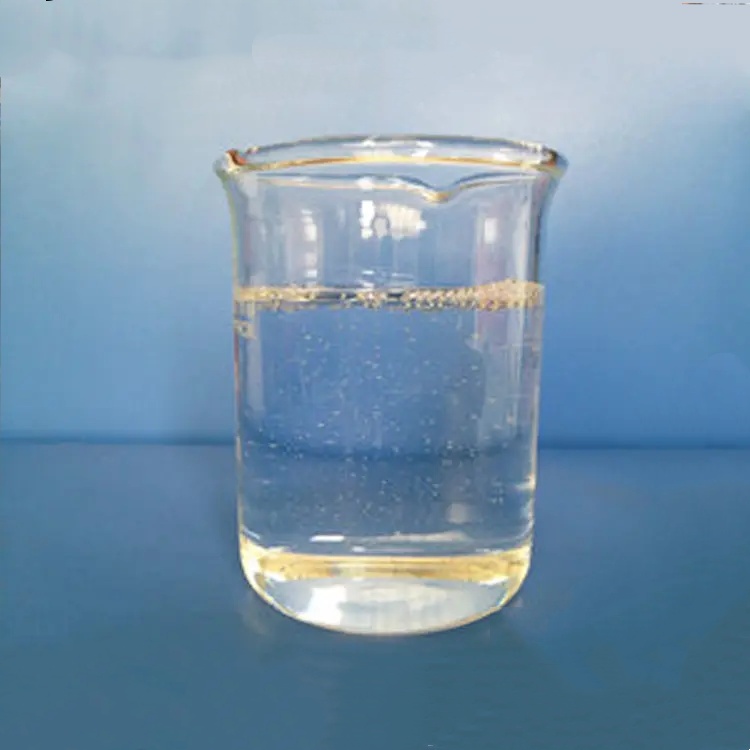










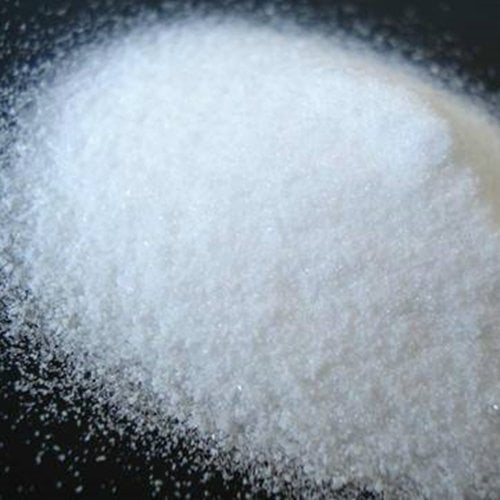
Hydroxyethyl Urea (CAS 2078-71-9) is a hygroscopic organic compound utilizing a modified urea structure, primarily applied as a highly effective humectant in cosmetic formulations and personal care products. This non-ionic 2-Hydroxyethylurea agent functions by retaining moisture within the stratum corneum, providing superior hydration and sensory properties compared to glycerin without introducing tackiness or stickiness. As a hydrolytically stable N-(2-Hydroxyethyl)urea ingredient, it is engineered for compatibility across a wide pH range and temperature conditions, serving as a critical Mono(2-hydroxyethyl)urea component in shampoos, lotions, and skin conditioning systems. We provide this moisturizing raw material with competitive factory pricing to support personal care manufacturing and ensure bulk supply availability for large-scale production. Our facility accommodates customized specifications for concentration (typically 50% solution) and biological stability, while every shipment is fully documented with MSDS, TDS, COA files to ensure global regulatory compliance.
Hydroxyethyl Urea CAS 2078-71-9
- CAS: 2078-71-9
- Synonyms: N-(2-Hydroxyethyl)urea, 2-Hydroxyethylurea, 1-(2-Hydroxyethyl)urea, Mono(2-hydroxyethyl)urea
- Einecs: 640-848-4
- Molecular Formula: C₃H₈N₂O₂
- Grade: Cosmetic / Personal Care Grade, typical purity ≥ 98.0% (solid)
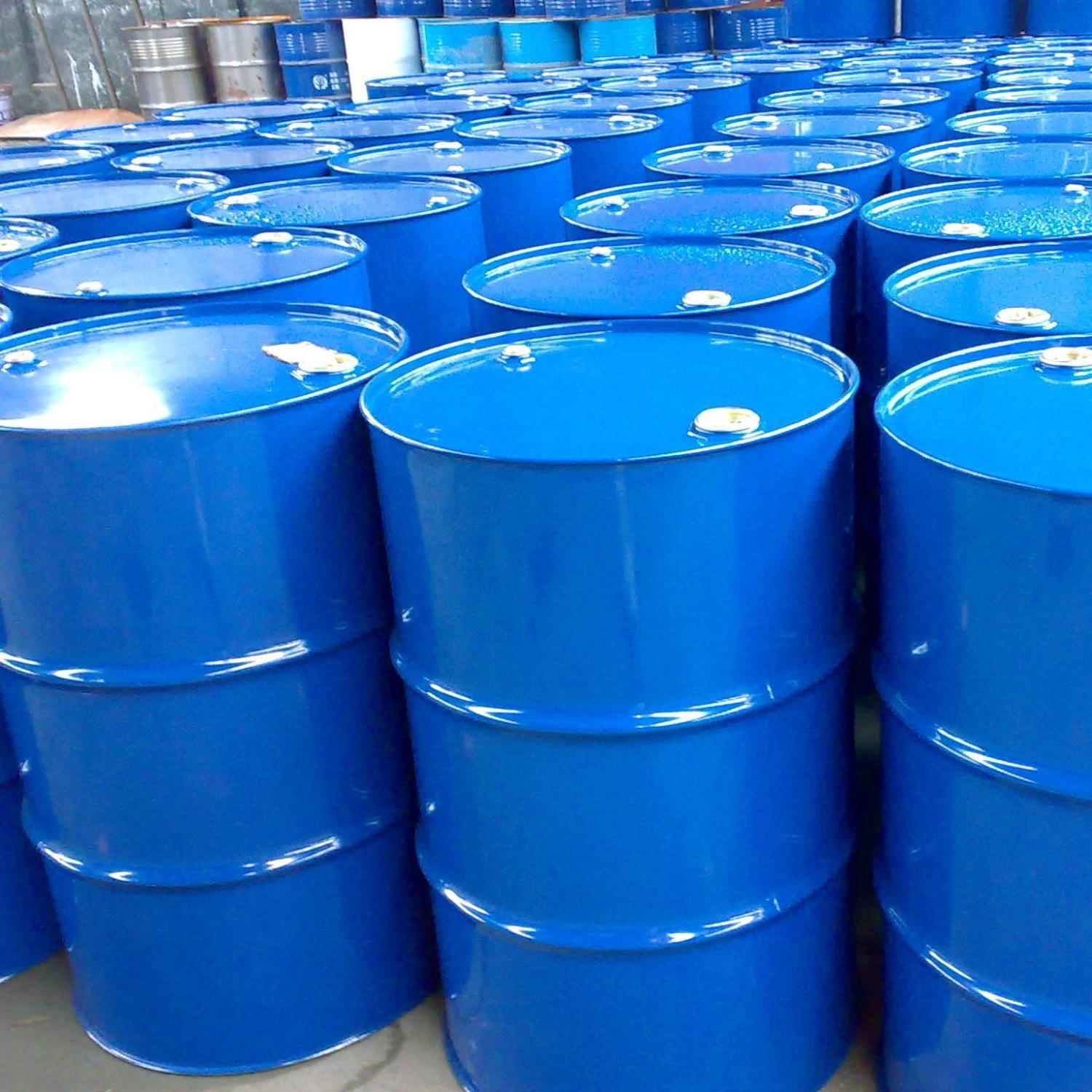
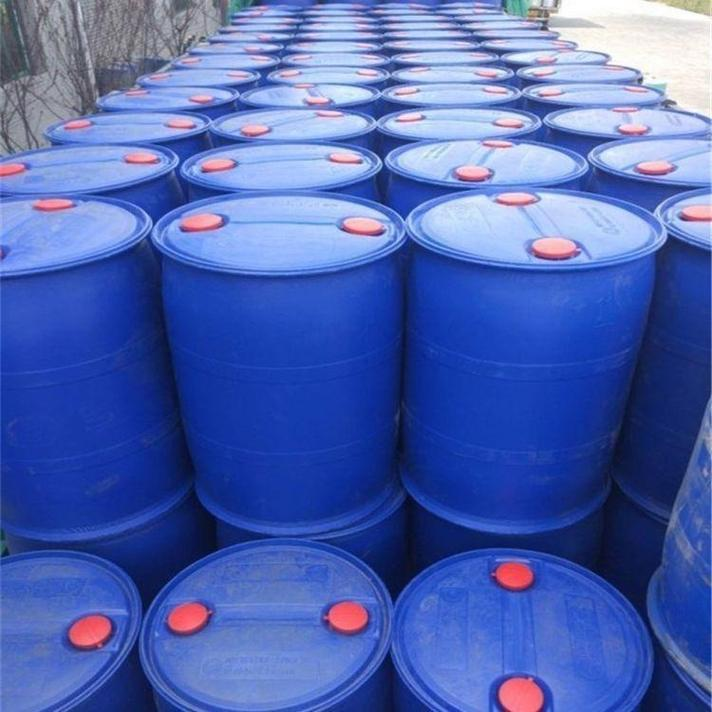
- Package: 25 kg fiber drum or carton drum (solid grade) 200 kg plastic drum for 50% aqueous solution (on request)
Product Description
Hydroxyethyl Urea (HEU) is a highly effective, low-irritation humectant widely used in skin-care and hair-care formulations. It combines strong moisturizing power with a light, non-sticky skin feel and excellent compatibility with common cosmetic ingredients. Supplied in cosmetic/industrial grade with stable quality, it is suitable for bulk use by cosmetic manufacturers, OEM/ODM formulators and personal care brands.
📧 Email: info@industrochem.com for latest bulk price, COA/TDS and sample support.
Physicochemical Properties
| Item | Specification / Description |
|---|---|
| Chemical Name | Hydroxyethyl Urea |
| CAS | 2078-71-9 |
| EC (EINECS) | 640-848-4 |
| Molecular Formula | C₃H₈N₂O₂ |
| Molecular Weight | 104.11 g/mol |
| Structural Type | Urea derivative, singly substituted with 2-ethanol |
| Appearance | White to almost white crystalline powder / granules |
| Assay (solid grade) | Typically ≥ 98.0% |
| Melting Point | Approx. 91–95 °C (solid grade) |
| Boiling Point (predicted) | ~254 °C at 760 mmHg (calculated) |
| Density (predicted) | ~1.22 g/cm³ (20 °C) |
| Solubility | Freely soluble in water; soluble in ethanol and other polar solvents |
| Hygroscopicity | Hygroscopic, readily absorbs moisture from air |
| Physical State | Low-molecular-weight, highly water-soluble solid |
| pKa (predicted) | ~13.3 (urea moiety) |
| Typical Use Level | ~2–10% in finished cosmetic products; can be higher in intensive moisturizers, subject to local regulations |
(Values are typical reference data; actual specifications can be adjusted according to customer requirements and internal QC standards.)
Product Description
Hydroxyethyl Urea is a urea-based humectant designed to deliver high moisture retention with an elegant, non-tacky after-feel. Compared with classic humectants such as glycerin, it offers similar or better hydration while reducing stickiness and improving spreadability.
Its low molecular weight allows it to penetrate into the stratum corneum, increase water content, smooth fine lines caused by dryness and enhance skin softness and elasticity. It is compatible with a wide pH range and works well together with glycerin, propylene glycol, hyaluronic acid, betaine and most emulsifiers and surfactants used in modern personal-care formulations.
Thanks to its excellent water solubility and formulation stability, Hydroxyethyl Urea is suitable for both cold-process and hot-process systems, including clear gels, emulsions and surfactant-based products.
Applications
1. Skin-Care Products
- Face and body lotions & creams
Enhances long-lasting moisturization, improves skin smoothness and reduces the appearance of dry fine lines. - Hydrating serums and gel creams
Provides high water binding capacity in light-texture formulas without greasiness; compatible with hyaluronic acid complexes. - Hand and foot creams / barrier creams
Helps repair dry, rough skin and supports barrier care when combined with occlusives and lipids. - After-sun and soothing products
Supports re-hydration and comfort after UV exposure or irritation from environmental stress.
2. Hair-Care Products
- Shampoos and conditioners
Acts as a humectant and conditioning aid; improves hair feel, combability and moisture balance. - Leave-in treatments & masks
Supports frizz control and softness by improving moisture retention in the hair shaft.
3. Bath & Cleansing Products
- Shower gels, liquid soaps and syndet bars
Compensates for the drying effect of surfactants and helps maintain a comfortable skin feel after rinsing.
4. Other Industrial / Technical Uses
- Intermediate or functional additive in certain chemical formulations where a water-soluble urea derivative and humectant/hydrotrope is required.
Storage Conditions
- Recommended storage temperature:
- Solid grade: store at room temperature in a cool, dry and well-ventilated area, ideally below ~25 °C.
- Aqueous solution grade: store in tightly closed drums at 5–30 °C; protect from freezing and excessive heat.
- Packaging integrity:
- Keep container tightly sealed to prevent moisture uptake and caking.
- Reseal opened containers promptly and use up as soon as possible.
- Environmental conditions:
- Store away from strong oxidizing agents and strong acids or bases.
- Avoid direct sunlight and high humidity.
- Shelf life (typical):
- 12–24 months in original, unopened packaging under recommended conditions. (Exact shelf life is defined on COA / internal spec.)
Safety Precautions
Hydroxyethyl Urea is generally considered low in toxicity and is assessed as safe for use in cosmetic products when properly formulated to be non-irritating.
However, it should still be handled as an industrial chemical:
Handling
- Avoid generating and inhaling dust (for solid grade); avoid aerosol formation for solutions.
- Avoid direct contact with eyes, skin and clothing.
- Do not eat, drink or smoke when handling the product.
- Wash hands thoroughly after handling.
Personal Protective Equipment (PPE)
- Safety glasses or chemical splash goggles.
- Chemical-resistant gloves (e.g. nitrile).
- Protective clothing in case of large-scale handling or frequent contact.
- Use local exhaust ventilation in dusty areas or where vapors/mist may form.
First Aid Measures (summary)
- Eye contact: Rinse cautiously with clean water for several minutes, removing contact lenses if present and easy to do. Seek medical attention if irritation persists.
- Skin contact: Wash with soap and water. Remove contaminated clothing. Get medical advice if redness or discomfort continues.
- Inhalation: Move victim to fresh air. Keep at rest in a comfortable position. Seek medical attention if breathing is difficult.
- Ingestion: Rinse mouth with water. Do not induce vomiting unless directed by medical personnel. Seek medical advice promptly.
Fire & Spill
- Product is not expected to be highly flammable, but as with all organic solids, avoid dust clouds near ignition sources.
- In case of spill, collect solid or absorb solution with inert material, place in suitable containers for disposal, and rinse area with water. Follow local regulations for waste disposal.
Full safety details should follow the site-specific Safety Data Sheet (SDS) used by your facility.
FAQ - Technical & Supply Chain
-
Q:
How does the chemical structure of CAS 2078-71-9 improve upon standard Urea?
A: CAS 2078-71-9 identifies Hydroxyethyl Urea, where the addition of a hydroxyethyl group to the urea molecule significantly enhances hydrolytic stability and moisturizing efficiency while reducing the potential for ammonia release common in simple urea formulations. -
Q:
Is this ingredient compatible with anionic surfactant systems?
A: Yes, this material is non-ionic in nature, making it highly compatible with anionic surfactants, cationic conditioning agents, and broad-spectrum preservatives in complex formulation environments.
Documents and Product Support
For product review and sourcing evaluation, supporting documents can be coordinated according to the product type, inquiry stage, and order requirements.
- COA for batch-based quality reference
- TDS for key physical and chemical information
- SDS / MSDS for handling, storage, and safety reference
- Packing information for sample, trial, and bulk orders
- Technical communication based on application and specification requirements
Information to Confirm Before Quotation
Clear sourcing information helps reduce specification mismatch and allows a more accurate quotation before sample or bulk order discussion.
- Product name and CAS number
- Application or intended end use
- Required purity, grade, or specification
- Sample quantity, trial order, or bulk demand
- Preferred packing form or net weight
- Destination country or port
- Required documents or compliance expectations
Packaging, Storage, and Handling Notes
Packaging form, storage conditions, shelf life, and shipment arrangements should be confirmed according to the product characteristics, package size, and destination requirements.
Before order confirmation, buyers are advised to review the corresponding product documents and confirm whether any special storage, labeling, or handling requirements apply.
Sample, Bulk Order and Repeat Supply Support
Support can be arranged for sample discussion, bulk supply planning, packaging confirmation, and routine sourcing communication based on the actual product and order requirements.
For repeat-use formulations or long-term procurement plans, buyers may discuss specification consistency, packaging preferences, delivery expectations, and document coordination in advance.