








Chemical products
  • Squalane CAS 111-01-3

Squalane CAS 111-01-3

Squalane (CAS 111-01-3) is a fully saturated, stable hydrocarbon liquid derived through the hydrogenation of squalene, utilized primarily as a high-performance biomimetic emollient in cosmetic skin care and personal care formulations. This non-polar Perhydrosqualene fluid functions as an exceptional moisturizer and skin barrier conditioner, exhibiting superior oxidation resistance and thermal stability compared to its unsaturated precursor. Unlike vegetable oils, this Hydrogenated Squalene analog is non-comedogenic and chemically inert, making it a critical 2,6,10,15,19,23-Hexamethyltetracosane lipid carrier for active ingredients in high-end serums and creams. We provide this cosmetic raw material with competitive factory pricing to support global beauty manufacturing and ensure bulk supply availability for large-scale production. Our facility accommodates customized specifications for plant-based (sugar cane/olive) or synthetic origins, while every shipment is fully documented with MSDS, TDS, COA files to meet international cosmetic regulations.

  • CAS: 111-01-3
  • Synonyms: Perhydrosqualene, Hydrogenated Squalene,Hexamethyltetracosane, Cosmetic Squalane
  • Einecs: 203-825-6
  • Molecular Formula: C30H62
  • Grade: Cosmetic / Personal-care grade (≥98% GC)
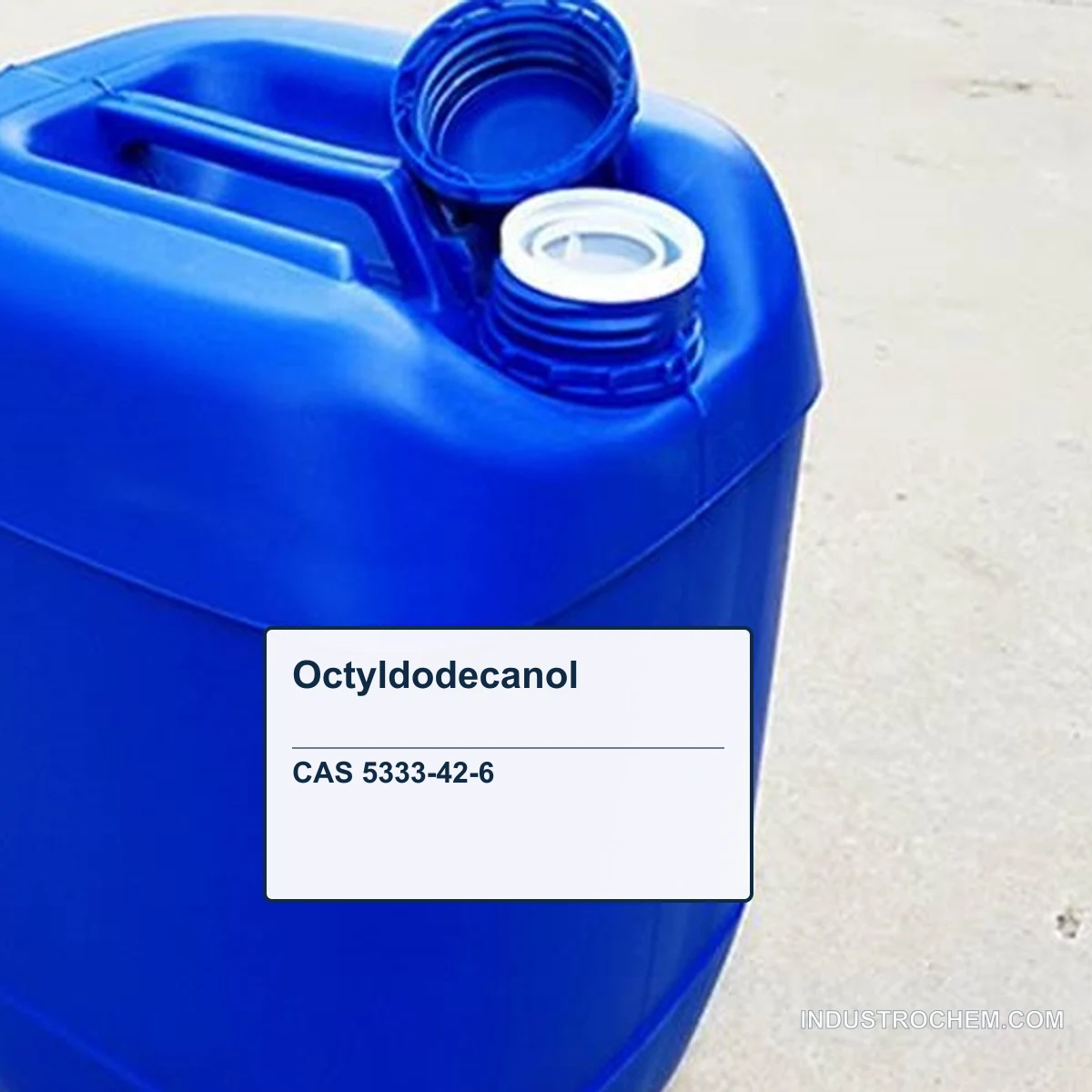
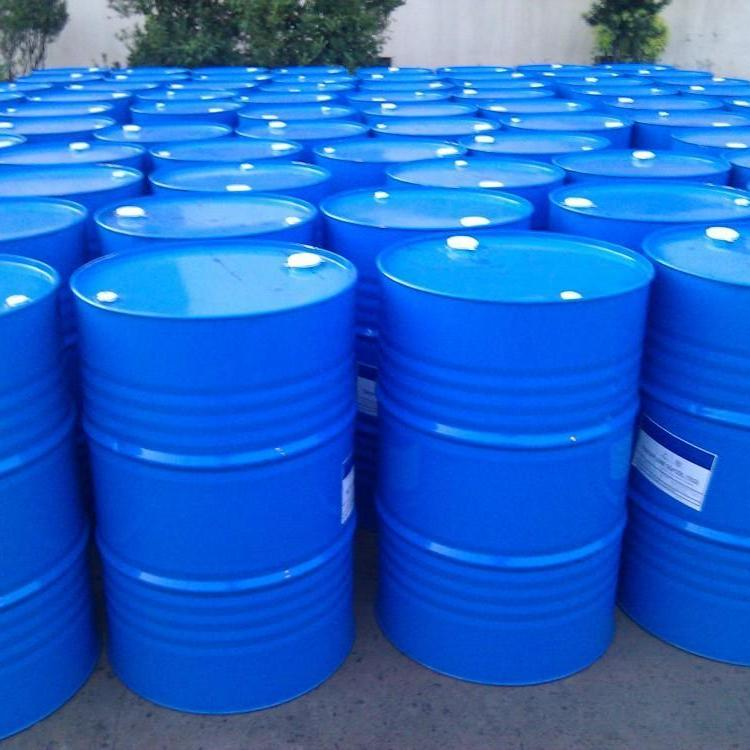
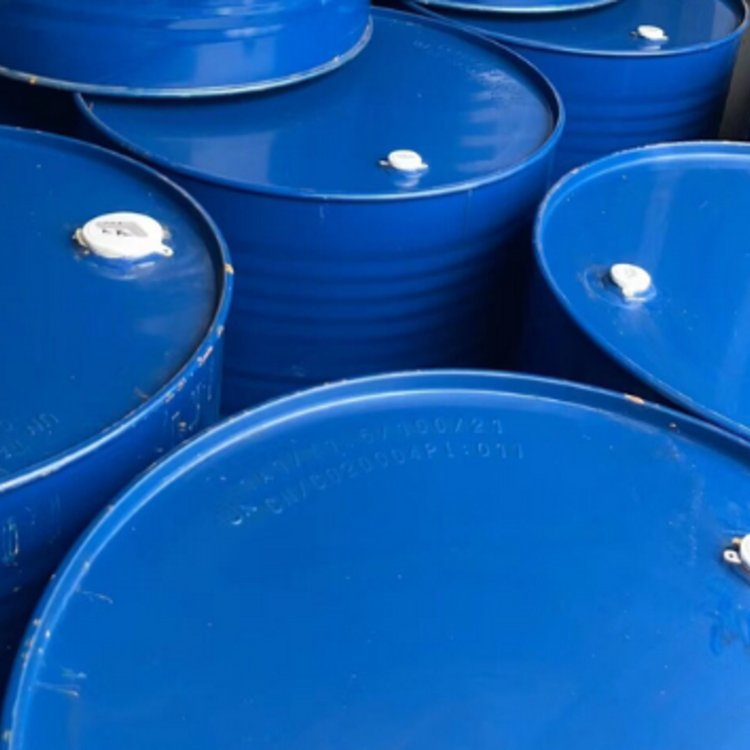
  • Package: 25 kg HDPE drum 180 kg galvanized steel drum
Request a quote
Share:

Product Description

Squalene / squalane (CAS111-01-3) is a highly hydrophobic triterpene used as an emollient, active ingredient, and intermediate in cosmetics, pharmaceuticals, vaccines and nutritional formulations. With very high purity and low odor, it is suitable for high-end skin care, health products and synthesis of hydrogenated squalane.

📧 Email: info@industrochem.com
For latest price, COA, MSDS and custom packaging, please send your detailed inquiry by email.

Physicochemical Properties

ItemTypical Value / Description
CAS No.111-01-3
EC (EINECS) No.203-826-1
Molecular FormulaC30H62
Molecular Weight≈ 410.7 g/mol
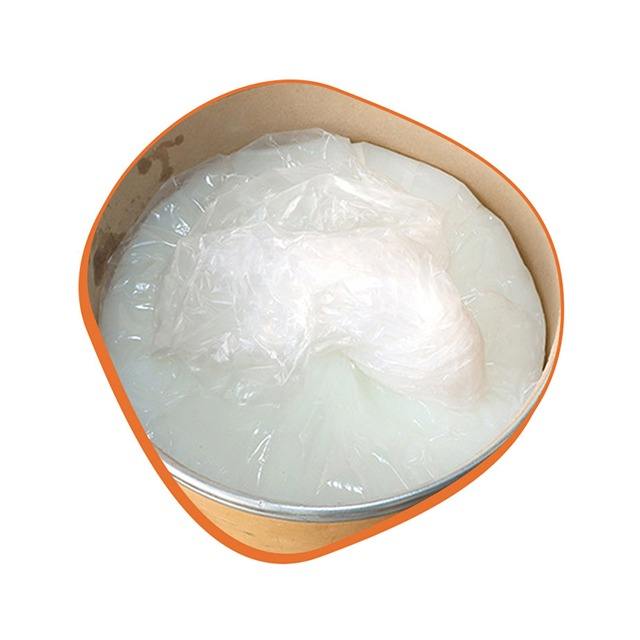
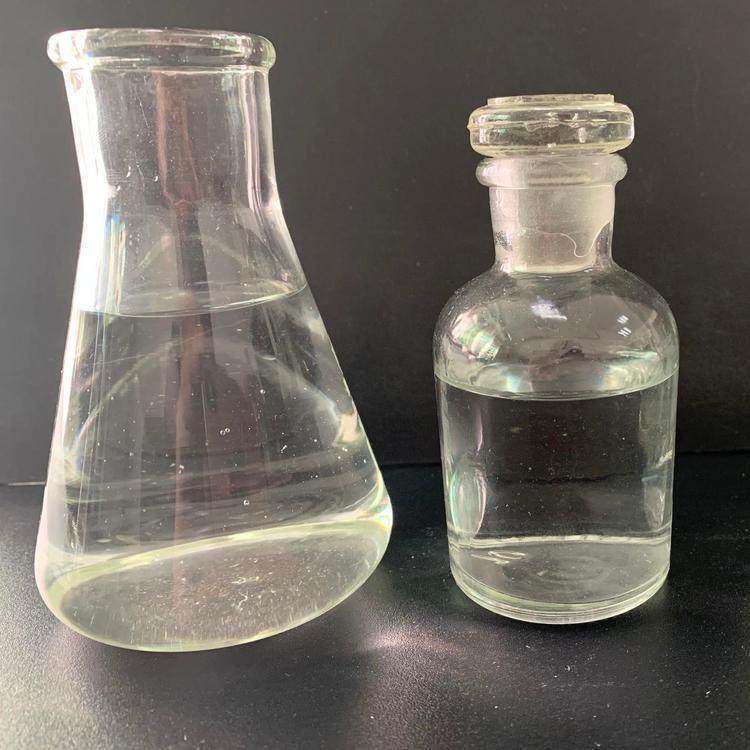
AppearanceColorless to light-yellow clear oily liquid
Assay (GC)≥ 98% (cosmetic / pharma intermediate grade)
Density (25 °C)~0.858 g/mL
Refractive Index n²⁰/D~1.494
Melting Pointapprox. −75 °C
Boiling Pointapprox. 285 °C at 25 mmHg (high-boiling at 1 atm)
Flash Point> 230 °F (≈ >110 °C, closed cup)
Log P (octanol/water)Very high, approx. 12–14 (strongly lipophilic)
Solubility in WaterPractically insoluble (<0.1 g/100 mL at ~19 °C)
Solubility in SolventsReadily soluble in DMSO, many oils and organic solvents
FormLiquid hydrocarbon; low volatility
Color / OdorLight-yellow or nearly colorless, faint oily odor
Storage TemperatureCool, dry place; typically 2–8 °C or below 15–25 °C, protected from light and air

Applications

1. Cosmetics & Personal Care

  • Used as an emollient and skin-conditioning agent in serums, facial oils, creams, lotions and hair-care products.
  • Enhances spreadability, smooth feel and gloss, and helps reduce transepidermal water loss when combined with other emollients.
  • Serves as a raw material for hydrogenated squalane, which offers even higher oxidative stability for long-shelf-life formulations.

2. Pharmaceuticals & Vaccine Adjuvants

  • Acts as a biosynthetic precursor to cholesterol and steroid hormones, and is widely used in biochemical and pharmaceutical research.
  • Used as an oil-phase component in certain vaccine adjuvant systems and injectable formulations (after meeting pharmacopeial and regulatory requirements).

3. Nutraceuticals & Health Products

  • Incorporated into dietary supplements and functional foods as a lipid-soluble ingredient, especially in products marketed for skin, immune and cardiovascular support.

4. Chemical Intermediate & Industrial Use

  • Starting material for hydrogenated squalane (C₃₀H₆₂) and specialty hydrocarbons used in cosmetics, lubricants and specialty coatings.
  • Can be used as a high-boiling, low-volatility base fluid in certain high-end formulations where low odor and high hydrophobicity are required.

For specific end-use compliance (cosmetics, food, pharma, vaccine), please confirm regulatory status and required grade when you send your inquiry.


For related emollient raw materials used in anhydrous and emulsion systems, see Caprylic/Capric Triglyceride and Isopropyl Myristate.

Storage Conditions

To maintain quality and minimize oxidation:

  • Store in tightly closed, nitrogen-blanketed drums or totes where possible.
  • Keep in a cool, dry and well-ventilated warehouse, away from direct sunlight and heat sources.
  • Recommended long-term storage temperature: 2–8 °C or in a cool room below 25 °C, protected from light.
  • Avoid contact with strong oxidizing agents and sources of ignition (combustible liquid).
  • Use up opened containers as soon as possible to minimize peroxide formation and quality degradation.

Safety Precautions

According to typical Safety Data Sheets for squalene:

  • Hazard classification: Generally considered of low acute toxicity, but handled as a combustible liquid.
  • Personal protection:
    • Avoid inhalation of mists and prolonged skin contact.
    • Use appropriate gloves, safety glasses and protective clothing during bulk handling.
  • Handling:
    • Handle in well-ventilated areas.
    • Keep away from sparks, hot surfaces and open flame.
    • Prevent formation of aerosols or fine mists.
  • Spill response:
    • Contain spillage with inert absorbent (sand, diatomite, etc.).
    • Collect into suitable containers for disposal according to local regulations.
  • First-aid (general guidance):
    • Skin contact: Wash with soap and water.
    • Eye contact: Rinse cautiously with water; seek medical advice if irritation persists.
    • Ingestion: Rinse mouth and seek medical advice if large quantities are swallowed.

FAQ - Technical & Supply Chain

  • Q:

    How does CAS 111-01-3 structurally differ from CAS 111-02-4 (Squalene)?

    A: CAS 111-01-3 identifies Squalane, which is the fully hydrogenated (saturated) and stable form (C30H62), chemically distinct from CAS 111-02-4 (Squalene), which is the unsaturated and oxidation-prone precursor (C30H50).
  • Q:

    Is this ingredient suitable for oil-free cosmetic claims?

    A: Although it has an oil-like texture, Squalane is technically a saturated hydrocarbon, often marketed as a non-comedogenic, oil-free moisturizer in specific formulation contexts due to its high compatibility with skin lipids.

Ordering & Documentation

Key information for document requests, quotations, and supply planning.

Documents

COA, TDS, SDS/MSDS and packing details are available on request.

Quotation

Send the CAS number, grade, quantity, packing preference and destination.

Sample & Supply

Support is available for samples, trial orders, bulk and repeat supply.

Storage & Shipping

Product-specific conditions are confirmed before order.

Contact Form

Use our contact form to send us your questions, suggestions or comments. We will respond as soon as possible.