










Chemical products
  • Lanolin Ointment CAS 8006-54-0

Lanolin Ointment CAS 8006-54-0

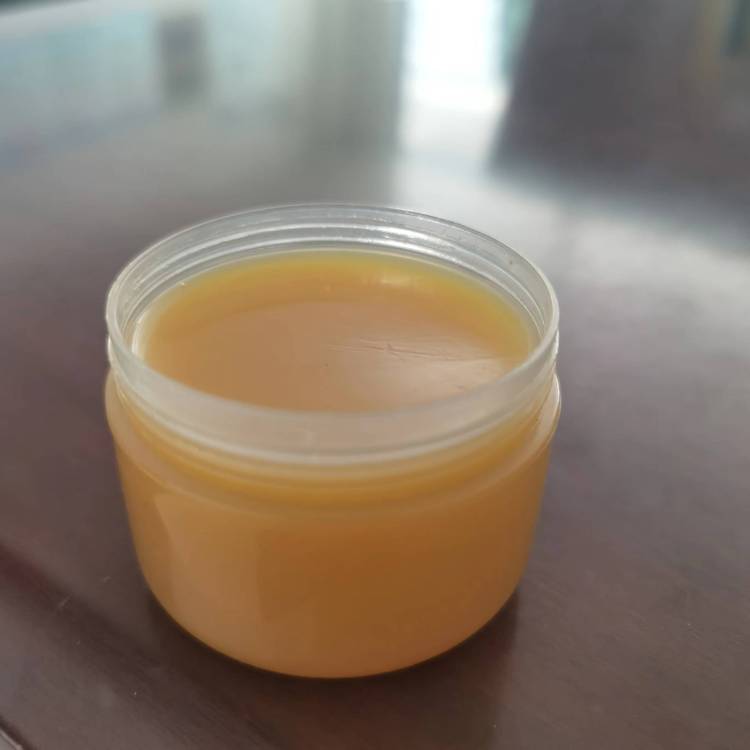
Lanolin Anhydrous (CAS 8006-54-0), historically known as Wool Fat or Adeps Lanae, is a powerful natural emollient and water-in-oil (W/O) emulsifier derived from the refined sebaceous secretions of sheep. Chemically identified as a complex mixture of high molecular weight esters, fatty acids, and alcohols, this yellow, unctuous substance functions to mimic human skin lipids, providing exceptional moisture retention and barrier repair capabilities. As a renewable Animal-derived wax (obtained without harm during wool shearing), it is extensively integrated into pharmaceutical ointment bases, nipple creams for nursing mothers, and industrial rust-preventive coatings due to its unique ability to absorb up to 200% of its weight in water. We ensure bulk supply capabilities for this material, providing access to competitive factory pricing and customized specifications to meet specific impurity limits (e.g., Low Pesticide Residue / Hypoallergenic Grade) and pharmacopoeial standards (USP/EP/BP). Full technical documentation, including MSDS, TDS, COA, is available to support compliance and safety protocols.

  • CAS: 8006-54-0
  • Synonyms: Wool fat, Adeps Lanae, Wool grease, Wool wax, Lanolin wax, Purified lanolin
  • Einecs: 232-348-6
  • Grade: Cosmetic Grade / USP (United States Pharmacopeia) / EP (European Pharmacopoeia)
  • Package: 50kg/Iron Drum, 190kg/Iron Drum, or 200kg/Iron Drum (Open top with liner)
Request a quote
Share:

Product Description

Lanolin Ointment, technically known as Lanolin Anhydrous, is a pale yellow, waxy substance secreted by the sebaceous glands of wool-bearing animals. It is extracted from natural wool grease and undergoes a rigorous refining process including neutralization, bleaching, and deodorization.

Our Lanolin serves as an exceptional emulsifier and emollient. It has the unique ability to absorb up to 200% of its own weight in water, creating stable water-in-oil emulsions. It mimics the natural lipids of human skin, making it a premium ingredient for moisturizers, lip care products, and pharmaceutical ointments. Our product is produced to meet strict low-pesticide and low-odor standards suitable for sensitive skin applications.


Physicochemical Properties

The following specifications are based on our standard export quality (USP/EP Grade):

Test ItemSpecification (USP/EP Standard)
AppearanceYellow, unctuous, semi-solid ointment
OdorFaint, characteristic (Low Odor)
Melting Point38.0°C – 44.0°C
Acid Value≤ 2.0 mg KOH/g
Saponification Value90 – 105 mg KOH/g
Iodine Value18 – 36 g I2/100g
Loss on Drying≤ 0.5%
Residue on Ignition (Ash)≤ 0.1%
Water Absorption Capacity≥ 200%
Peroxide Value≤ 20.0
Chlorides≤ 0.035%
AlkalinityPasses Test (Neutral)
SolubilityInsoluble in water; Soluble in benzene, chloroform, ether

Applications

Lanolin CAS 8006-54-0 is a fundamental ingredient in the Personal Care and Pharmaceutical industries:

  1. Skin Care & Cosmetics:
    • Moisturizers: Used in night creams, lotions, and body butters to lock in moisture and repair the skin barrier.
    • Lip Care: A primary ingredient in lip balms and lipsticks for its gloss and conditioning properties.
    • Hair Care: Used in conditioners and waxes to add shine and manageability.
  2. Pharmaceuticals:
    • Ointment Base: Acts as a carrier vehicle for active pharmaceutical ingredients in topical creams (e.g., burn creams, zinc oxide ointments).
    • Nursing Care: Highly refined grades are used in nipple creams for breastfeeding mothers to soothe cracked skin.
  3. Industrial Applications:
    • Leather Treatment: Softens and preserves leather goods.
    • Rust Prevention: Used in high-performance anti-corrosion greases.

Storage Conditions

  • Temperature: Store in a cool place, ideally between 15°C and 25°C. Avoid excessive heat which may cause melting and separation.
  • Environment: Store in a dry, well-ventilated area away from direct sunlight.
  • Container: Keep the container tightly closed when not in use to prevent oxidation (rancidity) and dust contamination.
  • Shelf Life: typically 24 months under proper storage conditions.

Safety Precautions

  • Handling: Lanolin is non-toxic and generally safe to handle. However, it is sticky; wearing gloves and a lab coat is recommended to keep clothes clean.
  • Allergies: A small percentage of the population may be allergic to wool alcohols found in lanolin. Labeling on end-products is often required.
  • Skin Contact: Safe for skin. Wash with warm water and soap (or an oil-based cleanser) to remove the waxy residue.
  • Eye Contact: If product enters eyes, flush with water. Seek medical advice if irritation persists.
  • Disposal: Dispose of in accordance with local waste disposal regulations. It is biodegradable.

FAQ - Technical & Supply Chain

  • Q:

    What is Lanolin Ointment CAS 8006-54-0?

    A: Lanolin Ointment CAS 8006-54-0 is refined anhydrous lanolin, a pale yellow to amber waxy material obtained from wool grease. It is used as an emollient, emulsifier and ointment base in cosmetic, personal care and pharmaceutical preparations.
  • Q:

    What is the difference between anhydrous lanolin and hydrous lanolin?

    A: Anhydrous lanolin is the water-free refined wool wax, typically containing only a very small amount of water. Hydrous lanolin is prepared by incorporating water into the anhydrous base to create a softer, more spreadable material.
  • Q:

    Why is lanolin valued in ointments and skin care?

    A: Lanolin is miscible with skin lipids and can absorb a large amount of water to form stable water-in-oil emulsions. These properties make it useful for barrier creams, ointment bases, lip balms, baby products and dry-skin formulations.
  • Q:

    What are typical quality parameters for Lanolin Anhydrous?

    A: Typical pharmacopoeia and cosmetic grade specifications include melting point around 38-44 C, acid value, saponification value about 90-105 mg KOH/g, iodine value, loss on drying, ash, peroxide value and water absorption capacity of about 200% or more.
  • Q:

    What storage and formulation points should be considered?

    A: Store lanolin in tightly closed containers away from heat, light and strong oxidizers to limit rancidity and odor development. Because lanolin can cause sensitivity in some individuals, finished products should be assessed for the intended population and labeling requirements.

Ordering & Documentation

Key information for document requests, quotations, and supply planning.

Documents

COA, TDS, SDS/MSDS and packing details are available on request.

Quotation

Send the CAS number, grade, quantity, packing preference and destination.

Sample & Supply

Support is available for samples, trial orders, bulk and repeat supply.

Storage & Shipping

Product-specific conditions are confirmed before order.

Contact Form

Use our contact form to send us your questions, suggestions or comments. We will respond as soon as possible.