










• Isopropyl Palmitate CAS 142-91-6
  • Isopropyl Palmitate CAS 142-91-6

Isopropyl Palmitate CAS 142-91-6

Isopropyl Palmitate (CAS 142-91-6), chemically identified as the ester of isopropyl alcohol and palmitic acid, is a non-greasy emollient and thickening agent functioning as a primary texture modifier in cosmetic skin care formulation and topical pharmaceutical preparations. This clear, colorless liquid, widely technically referred to as IPP or isopropyl hexadecanoate, possesses excellent spreadability and penetrating properties, serving to reduce the oily feel of creams while acting as a binder in pressed powders and a lubricating agent in hair care systems. We provide bulk supply of this cosmetic grade ingredient with competitive factory pricing to streamline procurement for personal care manufacturers. Our production capabilities ensure low acid values and odor neutrality, making MSDS, TDS, COA available alongside customized specifications to meet strict regulatory compliance standards.

  • CAS: 142-91-6
  • Synonyms: IPP, Isopropyl hexadecanoate, Hexadecanoic acid isopropyl ester, Palmitic acid isopropyl ester, 1-methylethyl hexadecanoate
  • Einecs: 205-571-1
  • Molecular Formula: C₁₉H₃₈O₂
  • Grade: Cosmetic / Pharmaceutical Grade
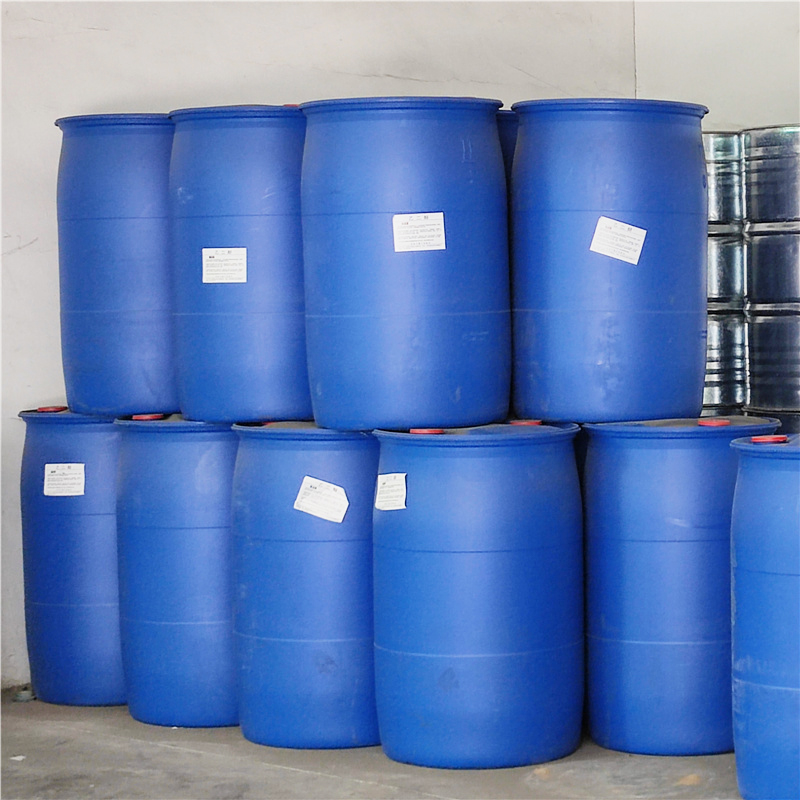
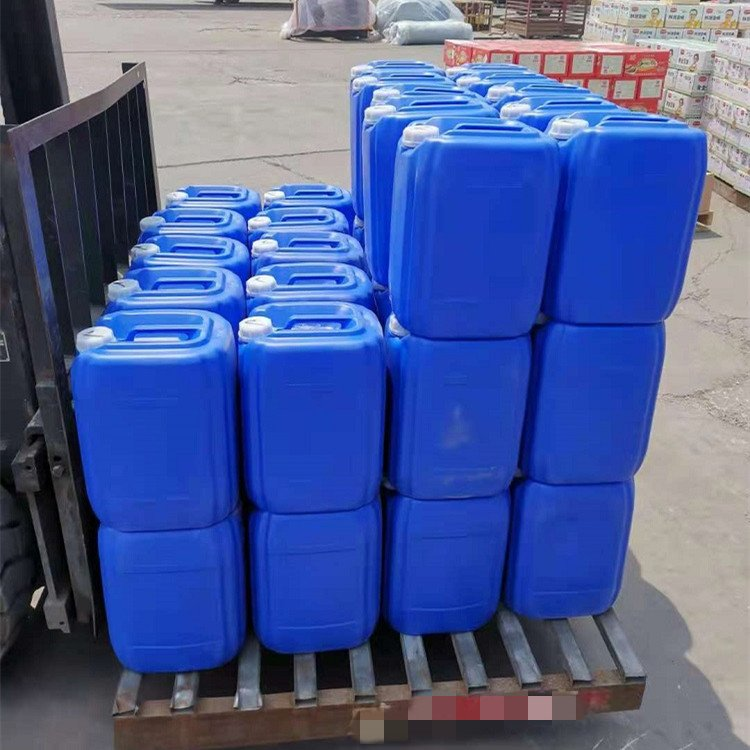
  • Package: 180–200 kg steel drum or IBC tank, bulk packing customizable on request
Request a quote
Share:

Product Description

Isopropyl Palmitate (IPP) is a versatile cosmetic ester widely used as an emollient, solvent and texture enhancer in skincare, hair care, pharmaceuticals and other personal care formulations. It provides a light, non-greasy skin feel, improves spreadability and helps dissolve oil-soluble active ingredients.

📧 Email: info@industrochem.com

Physicochemical Properties

ItemTypical Data*
Chemical NameIsopropyl Palmitate
CAS No.142-91-6
Einecs No.205-571-1
Molecular FormulaC₁₉H₃₈O₂
Molecular Weight298.50 g/mol
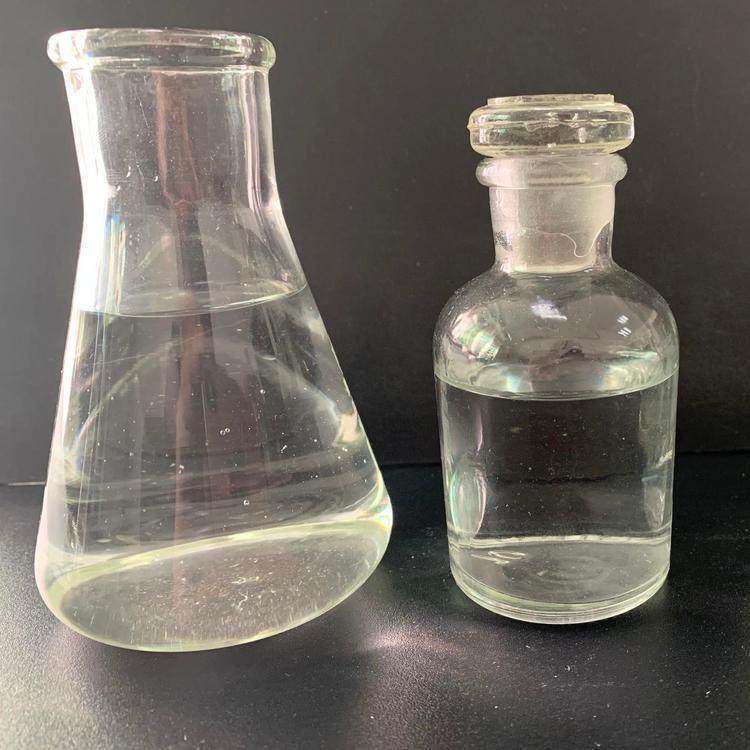
AppearanceClear, colorless to pale yellow liquid
Assay (GC)≥ 98.0%
Acid Value≤ 0.5 mg KOH/g
Hydroxyl Value≤ 5.0 mg KOH/g
Saponification Value175 – 190 mg KOH/g
Density (20 °C)0.850 – 0.860 g/cm³
Refractive Index (20 °C)1.430 – 1.435
Pour PointApprox. -5 °C
Flash Point (COC)Approx. 160 °C
SolubilityInsoluble in water; soluble in oils and organic solvents

Applications

1. Skin Care Products

  • Creams, lotions, serums, body milks, hand creams
  • Acts as a light emollient, giving a smooth, non-sticky skin feel
  • Reduces greasiness of high-viscosity oils and butters
  • Helps disperse oil-soluble actives, filters and pigments

2. Sun Care & Color Cosmetics

  • Sunscreens, BB/CC creams, foundations, lipsticks, makeup removers
  • Improves spreadability and uniform film formation on the skin
  • Enhances gloss in color cosmetics and helps pigment wetting

3. Hair Care Products

  • Conditioners, hair masks, hair oils, styling products
  • Provides conditioning effect and smooth feel without heavy build-up
  • Helps improve combability and shine

4. Pharmaceutical & Topical Preparations

  • Ointments, gels, medicated creams, massage formulations
  • Used as a solvent and carrier for active ingredients
  • Provides pleasant sensory profile for topical dosage forms

5. Other Industrial Uses

  • Lubricant component in personal-care related applications
  • Plasticizer and processing aid in specific specialty formulations

Storage Conditions

  • Store in a cool, dry and well-ventilated warehouse.
  • Recommended storage temperature: 10 – 30 °C.
  • Keep container tightly closed to avoid moisture and contamination.
  • Protect from direct sunlight, heat sources and strong oxidizing agents.
  • Under proper storage conditions, the typical shelf life is 12–24 months in original unopened packaging.

Safety Precautions

  • Isopropyl Palmitate is considered to have low acute toxicity and is widely used in cosmetic and topical applications.
  • Avoid direct contact with eyes and prolonged contact with skin in concentrated form.
  • Use appropriate personal protective equipment (PPE) during handling: gloves, goggles and protective clothing as needed.
  • Ensure good ventilation in the working area to minimize exposure to mist or vapors.
  • In case of eye contact: rinse immediately with plenty of water and seek medical advice if irritation persists.
  • In case of skin contact: wash with soap and water; remove contaminated clothing.
  • For spills: contain and absorb with inert material, then dispose according to local regulations.
  • Combustible liquid—keep away from open flames and high temperatures.

FAQ - Technical & Supply Chain

  • Q:

    What chemical characteristic distinguishes Isopropyl Palmitate (CAS 142-91-6) from Isopropyl Myristate (IPM)?

    A: Isopropyl Palmitate is derived from Palmitic Acid (C16) giving it a slightly higher molecular weight and viscosity compared to Isopropyl Myristate which is derived from Myristic Acid (C14); consequently, IPP provides a somewhat richer texture and higher occlusivity than the lighter, drier-feeling IPM.
  • Q:

    Is this ester ingredient intended for use as a solubilizer in anhydrous systems?

    A: Yes, IPP is frequently intended for use as a solvent and solubilizer in anhydrous formulations, such as bath oils and antiperspirants, where it effectively dissolves active ingredients without introducing water or instability to the matrix.
Documents

Documents and Product Support

For product review and sourcing evaluation, supporting documents can be coordinated according to the product type, inquiry stage, and order requirements.

  • COA for batch-based quality reference
  • TDS for key physical and chemical information
  • SDS / MSDS for handling, storage, and safety reference
  • Packing information for sample, trial, and bulk orders
  • Technical communication based on application and specification requirements
Quotation

Information to Confirm Before Quotation

Clear sourcing information helps reduce specification mismatch and allows a more accurate quotation before sample or bulk order discussion.

  • Product name and CAS number
  • Application or intended end use
  • Required purity, grade, or specification
  • Sample quantity, trial order, or bulk demand
  • Preferred packing form or net weight
  • Destination country or port
  • Required documents or compliance expectations
Storage & Handling

Packaging, Storage, and Handling Notes

Packaging form, storage conditions, shelf life, and shipment arrangements should be confirmed according to the product characteristics, package size, and destination requirements.

Before order confirmation, buyers are advised to review the corresponding product documents and confirm whether any special storage, labeling, or handling requirements apply.

Supply Support

Sample, Bulk Order and Repeat Supply Support

Support can be arranged for sample discussion, bulk supply planning, packaging confirmation, and routine sourcing communication based on the actual product and order requirements.

For repeat-use formulations or long-term procurement plans, buyers may discuss specification consistency, packaging preferences, delivery expectations, and document coordination in advance.

Contact Form

Use our contact form to send us your questions, suggestions or comments. We will respond as soon as possible.