










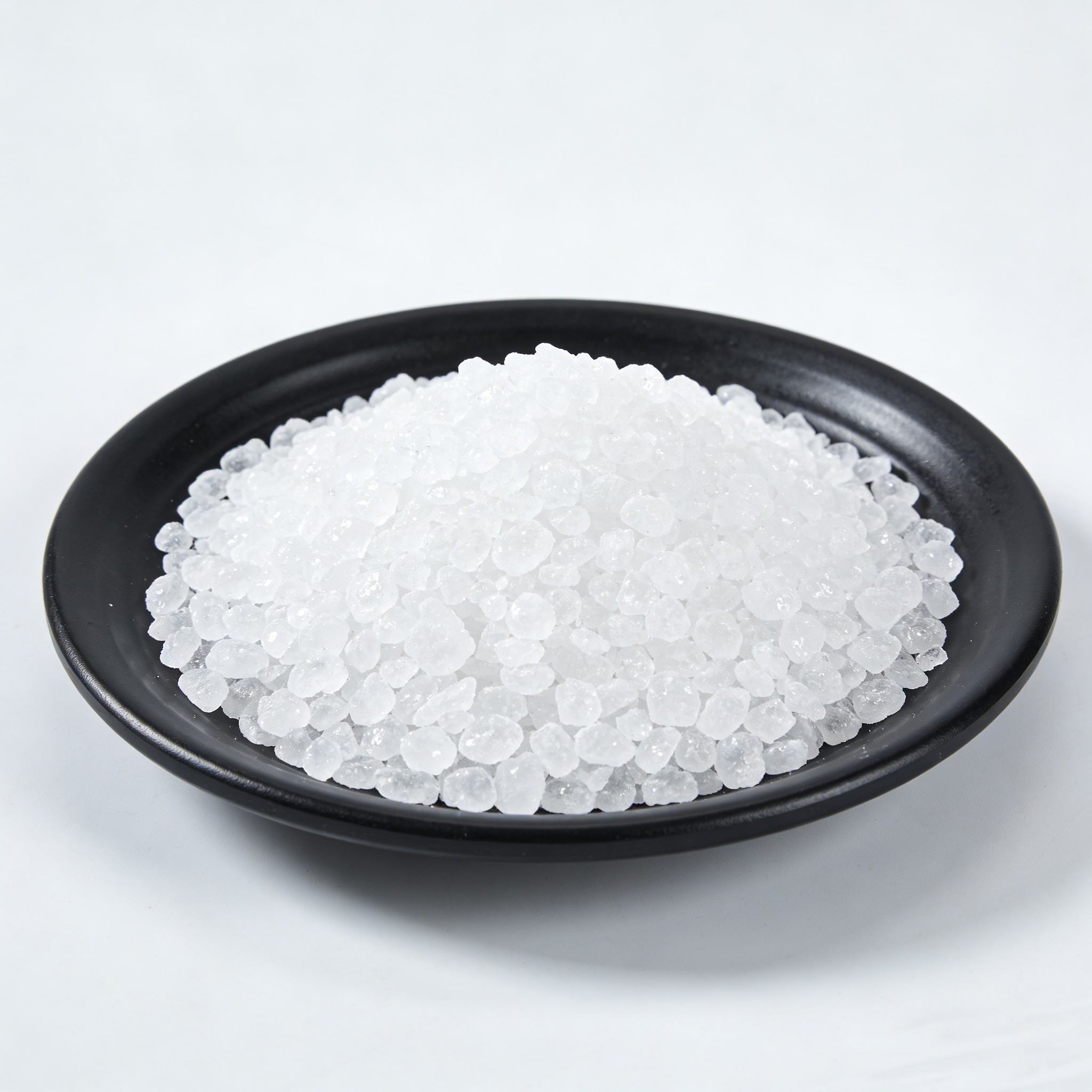
• Cetostearyl Alcohol CAS 67762-27-0

Cetostearyl Alcohol CAS 67762-27-0

Cetostearyl Alcohol (CAS 67762-27-0), widely recognized in the industry as Cetearyl Alcohol, is a versatile fatty alcohol mixture utilizing its amphiphilic structure to function as a universal emulsion stabilizer and viscosity builder in cosmetic formulations. Chemically identified as a mixture of Cetyl alcohol (C16) and Stearyl alcohol (C18), this white waxy solid functions to form lamellar gel networks in oil-in-water emulsions, significantly enhancing the texture, stability, and carrying capacity of creams and lotions. As a vegetable-derived Fatty alcohol (typically from palm or coconut oil), it is extensively integrated into hair conditioners, face creams, and depilatories to provide a velvety skin feel and opacity without the greasy residue of waxes. We ensure bulk supply capabilities for this material, providing access to competitive factory pricing and customized specifications to meet specific C16/C18 ratios (e.g., 30/70, 50/50, or 70/30). Full technical documentation, including MSDS, TDS, COA, is available to support compliance and safety protocols.

  • CAS: 67762-27-0
  • Synonyms: Cetearyl Alcohol, Cetyl Stearyl Alcohol, C16-18 Alcohols, Alcohols C16-18, C16-18 Fatty alcohol
  • Einecs: 267-008-6
  • Grade: Cosmetic Grade / Pharma Grade
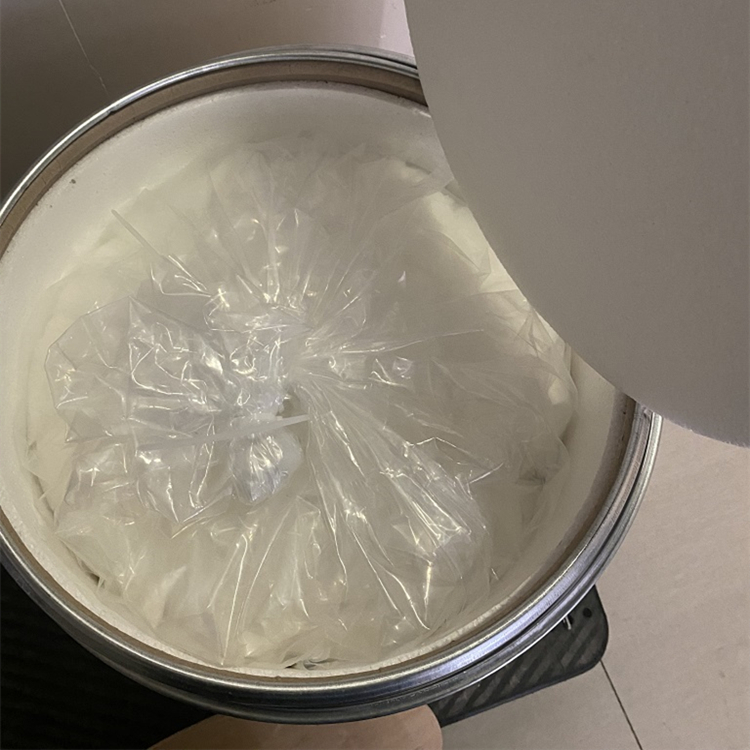
  • Package: 25kg/Paper Bag (Poly-lined) or 25kg/Woven Bag.
Request a quote
Share:

Product Description

Cetostearyl Alcohol is a non-ionic surfactant produced from the hydrogenation of vegetable oils (Palm Oil or Coconut Oil). Unlike liquid ethanol, this is a “fatty” alcohol, meaning it moisturizes and conditions rather than dries the skin.

Core Functions:

  1. Viscosity Builder: It creates the creamy structure in lotions and creams.
  2. Emulsion Stabilizer: It strengthens the interface between oil and water, preventing separation.
  3. Opacifier: It gives clear formulations a luxurious, opaque white appearance.
  4. Emollient: It leaves a soft, non-greasy film on the skin and hair.

Physicochemical Properties

The data below represents the most common commercial specification (Type 30/70, widely used for high viscosity creams).

ParameterSpecification (Standard)
AppearanceWhite flakes, pellets, or pastilles
OdorMild, characteristic waxy odor
Acid Value≤ 0.5 mg KOH/g
Iodine Value≤ 0.5 g I2/100g
Saponification Value≤ 1.0 mg KOH/g
Hydroxyl Value205 – 225 mg KOH/g
Melting Point48°C – 54°C
Water Content≤ 0.3%
C16 (Cetyl Alcohol) Content22% – 32% (or customized 50/50)
C18 (Stearyl Alcohol) Content66% – 76% (or customized 50/50)
Color (APHA/Hazen)≤ 10 (Melting state)

Applications

  1. Skin Care (Creams & Lotions):
    • Used as the primary thickener and bodying agent. It determines the “stiffness” of the cream.
  2. Hair Care (Conditioners & Masks):
    • Provides slip and detangling properties. It is the base of almost all hair conditioners combined with cationic surfactants.
  3. Surfactant Manufacturing:
    • Used as a raw material to produce ethoxylated emulsifiers (e.g., Ceteareth-20, Ceteareth-25).
  4. Pharmaceuticals:
    • Used as an emulsifying wax base in medicated ointments and creams.

Storage Conditions

  • Temperature: Store in a cool, dry area, preferably below 40°C. Avoid high temperatures as the product may fuse or melt (melting point is ~50°C).
  • Ventilation: Keep the storage area well-ventilated.
  • Stacking: Do not stack pallets too high to prevent pressure caking of the bottom bags.
  • Shelf Life: 24 months in original unopened packaging.

Safety Precautions

  • Handling: Generally non-toxic and non-irritating to the skin in its raw form.
  • Eye Contact: May cause mild mechanical irritation. Flush with water if particles enter eyes.
  • Flammability: Combustible solid. Keep away from open flames and strong oxidizing agents.
  • Environmental: Biodegradable. Do not discharge into drains in large quantities due to potential clogging (solidifies when cool).

FAQ - Technical & Supply Chain

  • Q:

    Chemically, how does the C16/C18 ratio affect the performance of Cetostearyl Alcohol CAS 67762-27-0?

    A: The ratio determines the melting point and viscosity building potential; a higher Stearyl (C18) content (e.g., 30/70) generally results in a harder, more opaque product with higher viscosity, while a balanced ratio (50/50) offers a softer consistency and better spreadability.
  • Q:

    Is this ingredient considered an emulsifier?

    A: It is technically a "co-emulsifier." While it doesn't emulsify oils on its own effectively, it works synergistically with primary hydrophilic emulsifiers (like Ceteareth-20 or Glyceryl Stearate) to stabilize the emulsion interface and thicken the formulation.
Documents

Documents and Product Support

For product review and sourcing evaluation, supporting documents can be coordinated according to the product type, inquiry stage, and order requirements.

  • COA for batch-based quality reference
  • TDS for key physical and chemical information
  • SDS / MSDS for handling, storage, and safety reference
  • Packing information for sample, trial, and bulk orders
  • Technical communication based on application and specification requirements
Quotation

Information to Confirm Before Quotation

Clear sourcing information helps reduce specification mismatch and allows a more accurate quotation before sample or bulk order discussion.

  • Product name and CAS number
  • Application or intended end use
  • Required purity, grade, or specification
  • Sample quantity, trial order, or bulk demand
  • Preferred packing form or net weight
  • Destination country or port
  • Required documents or compliance expectations
Storage & Handling

Packaging, Storage, and Handling Notes

Packaging form, storage conditions, shelf life, and shipment arrangements should be confirmed according to the product characteristics, package size, and destination requirements.

Before order confirmation, buyers are advised to review the corresponding product documents and confirm whether any special storage, labeling, or handling requirements apply.

Supply Support

Sample, Bulk Order and Repeat Supply Support

Support can be arranged for sample discussion, bulk supply planning, packaging confirmation, and routine sourcing communication based on the actual product and order requirements.

For repeat-use formulations or long-term procurement plans, buyers may discuss specification consistency, packaging preferences, delivery expectations, and document coordination in advance.

Contact Form

Use our contact form to send us your questions, suggestions or comments. We will respond as soon as possible.