









• Ceteareth-23 CAS  68439-49-6
  • Ceteareth-23 CAS  68439-49-6
  • Ceteareth-23 CAS  68439-49-6
  • Ceteareth-23 CAS  68439-49-6

Ceteareth-23 CAS 68439-49-6

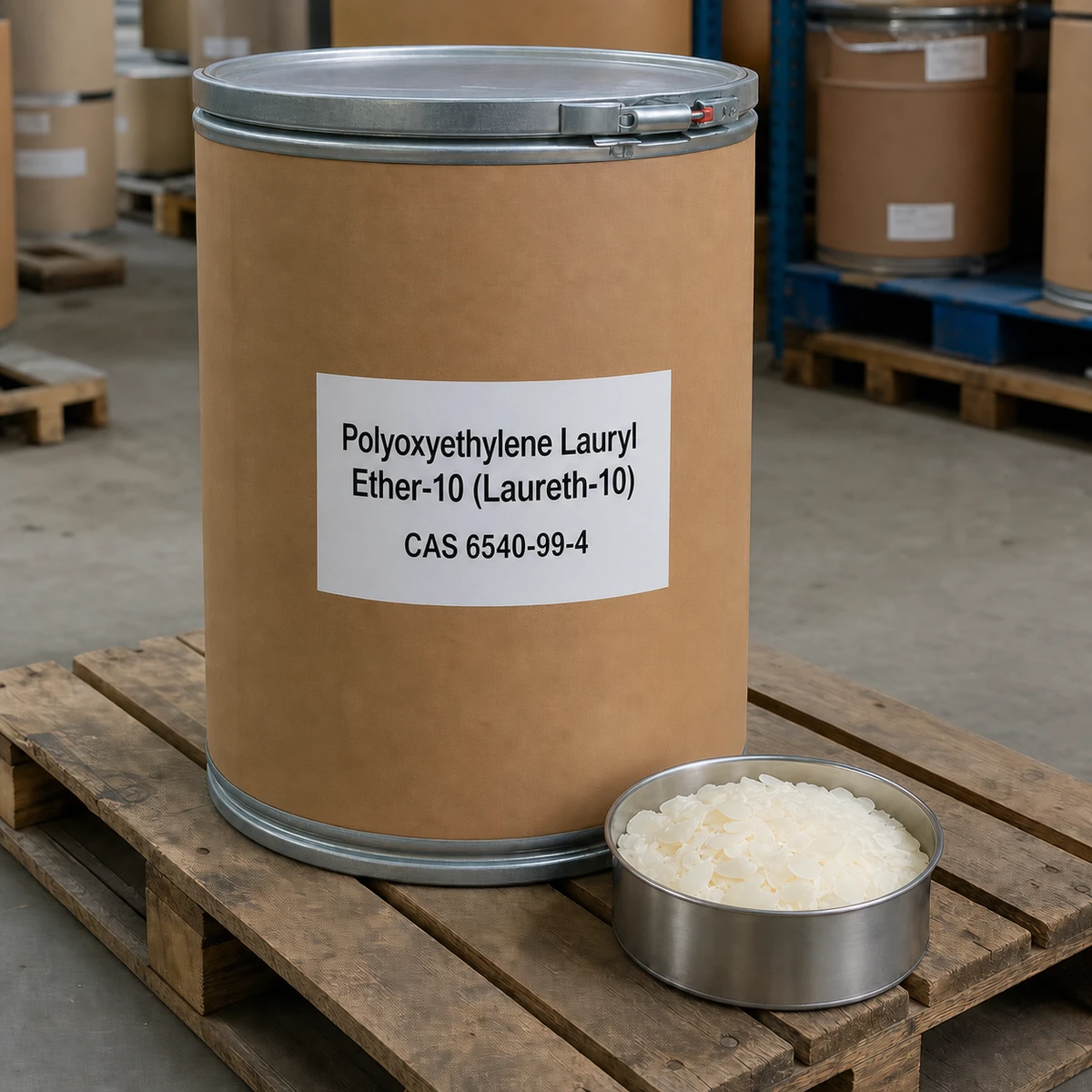
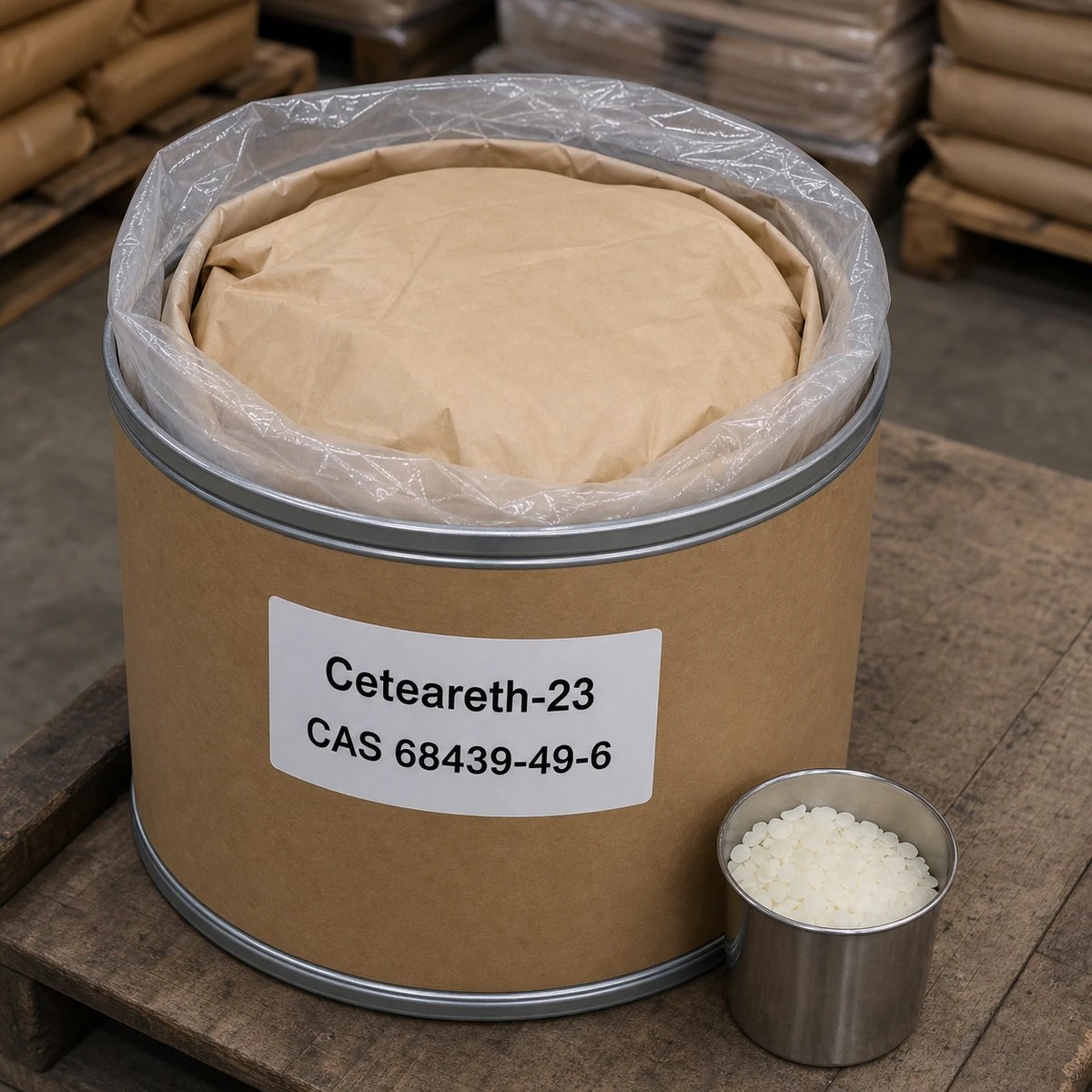
Ceteareth-23, chemically identified under the generic CAS number 68439-49-6 (Ethoxylated C16-18 Alcohols), is a high-performance non-ionic surfactant derived from natural cetearyl alcohol. Synthesized via the ethoxylation of a blend of cetyl and stearyl alcohols with an average of 23 moles of ethylene oxide, this compound is characterized by its high Hydrophilic-Lipophilic Balance (HLB) value (typically 15-17). This property makes Ceteareth-23 an exceptional oil-in-water (O/W) emulsifier and solubilizer, widely favored in the personal care and pharmaceutical industries. It appears as white waxy flakes or pellets and is valued for its ability to form stable, viscous emulsions and disperse oils in aqueous systems. It is highly compatible with a wide range of oils and active ingredients, ensuring stability in formulations ranging from heavy creams to lightweight lotions and hair conditioners. We supply Cosmetic Grade Ceteareth-23 in 25kg bags, fully compliant with industry standards.

  • CAS: 68439-49-6
  • Synonyms: Polyoxyethylene (23) Cetyl/Stearyl Ether, PEG-23 Cetyl/Stearyl Ether, Ethoxylated Cetostearyl Alcohol, C16-18 Alcohols ethoxylated (23 mol EO), Non-ionic Emulsifying Wax.
  • Einecs: 500-212-8
  • Molecular Formula: C₁₈H₃₈O·(C₂H₄O)ₙ
  • Grade: Industrial grade 99%
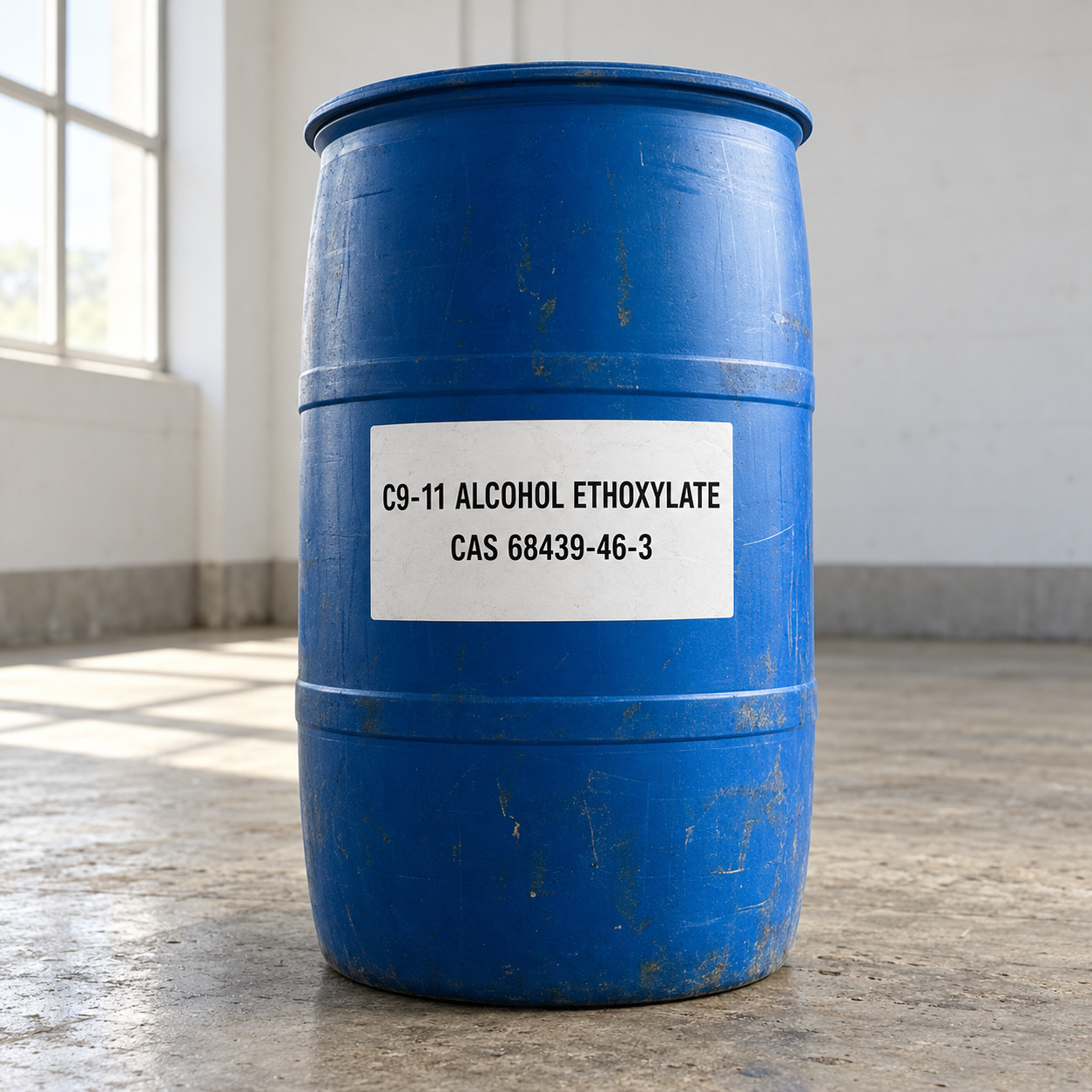
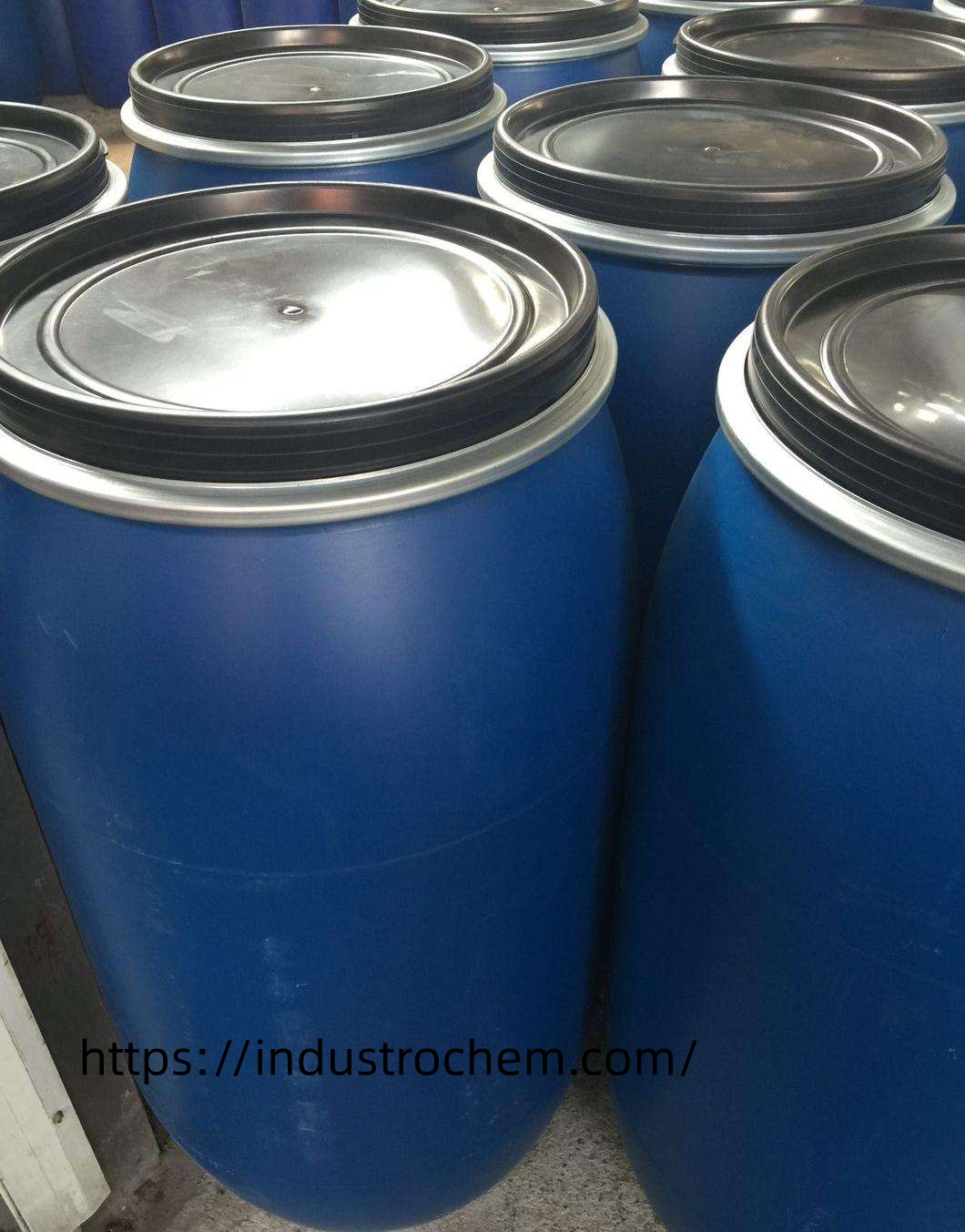
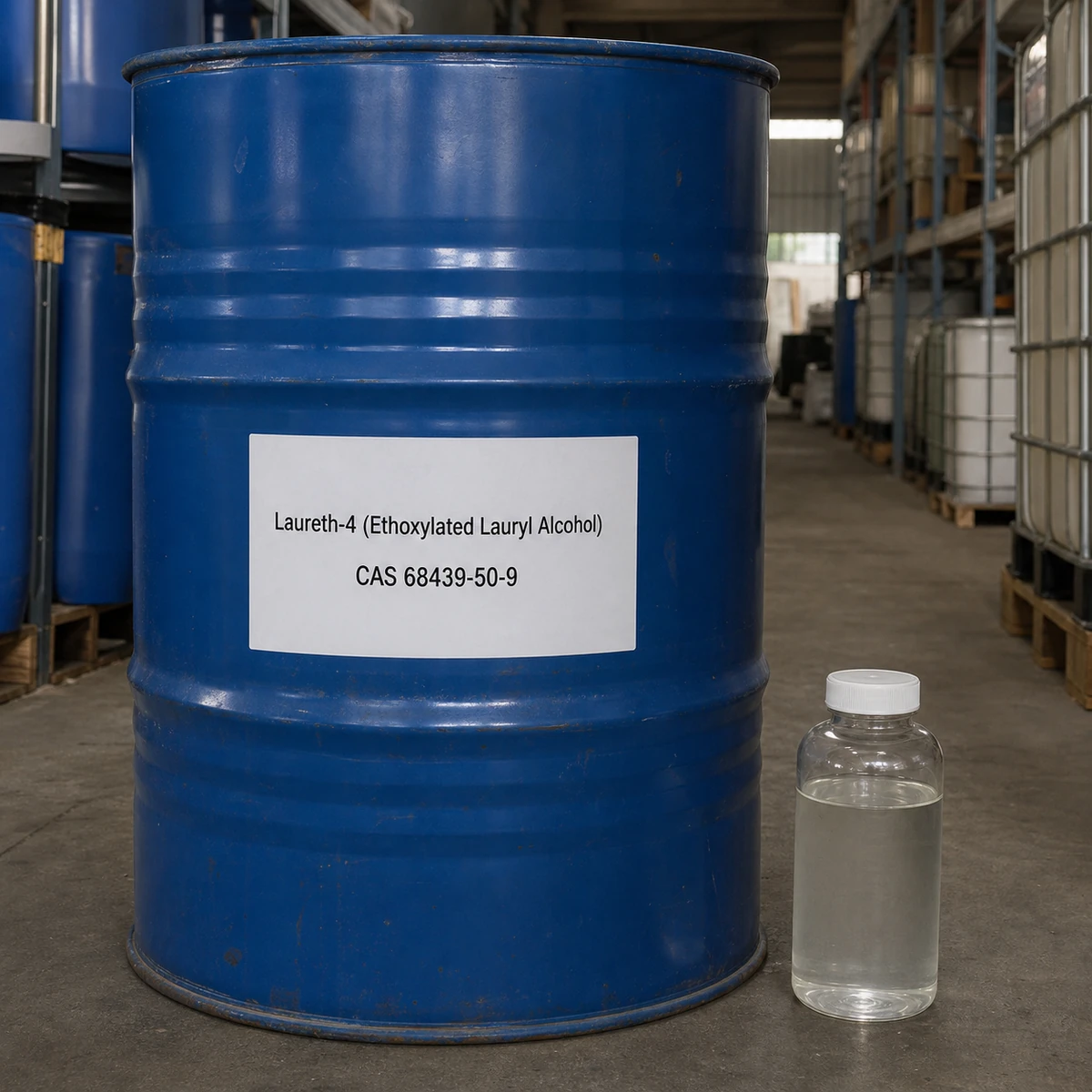
  • Package: 200kg iron drum or 50kg plastic drum packaging
Request a quote
Share:

Product Description

Physicochemical properties

PropertyDescription
Molecular WeightApproximately 1200-1500 g/mol (depending on EO chain length)
AppearanceWhite to pale yellow waxy solid or paste
SolubilitySoluble in water and organic solvents (e.g., ethanol, propylene glycol)
HLB Value15-17 (hydrophilic-lipophilic balance, indicating strong emulsifying properties for O/W emulsions)
Melting Point30-45°C (varies with EO content)
Boiling PointNot applicable (decomposes before boiling)
pH StabilityStable in a wide pH range (pH 3-10)
Thermal StabilityResistant to high temperatures (suitable for high-temperature dyeing processes)
ViscosityIncreases with concentration; forms gels at high levels in water
Key Functions– Emulsifier: Stabilizes oil-in-water (O/W) emulsions.
– Dispersant: Prevents aggregation of pigments or particles.
– Thickening Agent: Enhances viscosity in formulations.
– Wetting Agent: Reduces surface tension for better ingredient penetration.

Application Areas

– Cosmetics: Creams, lotions, shampoos, conditioners.
– Pharmaceuticals: Ointments, topical creams.
– Textile Industry: High-temperature dyeing (as a leveling agent).
– Industrial Cleaning: Detergents, degreasers.

Storage conditions

Temperature: Store in a cool, dry, and well ventilated area, with a recommended temperature of 15-30 ° C. Avoid high temperatures (which may cause decomposition or oxidation) and freezing (which may affect stability).
Container: Use sealed, corrosion-resistant containers (such as high-density polyethylene HDPE or stainless steel).
Avoid light and moisture: Avoid direct sunlight and store in opaque containers. Keep dry and prevent moisture absorption and clumping (some polyethylene glycol ethers are prone to moisture absorption).
Shelf life: usually 2 years (based on manufacturer data), after long-term storage, the properties (such as color and viscosity changes) need to be checked.

‌‌Safety precautions

Personal Protection
Skin contact: Wear chemical protective gloves (such as nitrile or chloroprene rubber) to avoid direct contact
Operating environment: Ensure local ventilation and avoid high concentration exposure in enclosed spaces.
Leakage handling
Minor leakage: Cover with inert adsorbent materials (such as diatomaceous earth, sand), collect and dispose of as chemical waste.
Massive leakage: Set up a cofferdam to prevent it from flowing into the sewer, and contact a professional handling team.
fire risk
Flammability: Flammable but not highly flammable, combustion may release toxic gases (such as carbon monoxide).
Extinguishing agent: use foam, dry powder, carbon dioxide extinguisher or fog water to extinguish the fire.

FAQ - Technical & Supply Chain

  • Q:

    What is the main function of Ceteareth-23 in cosmetic formulations?

    A: It functions primarily as an emulsifier for oil-in-water (O/W) systems. Due to its high HLB value, it helps disperse oil phases into water, creating stable creams and lotions. It also acts as a solubilizer for fragrances and active ingredients.
  • Q:

    How does Ceteareth-23 compare to Ceteareth-20 or Ceteareth-25?

    A: All three are very similar. The number denotes the moles of ethylene oxide. Ceteareth-23 has properties intermediate between 20 and 25. A higher number generally means higher water solubility and a higher HLB value. Ceteareth-23 forms slightly more rigid gels or emulsions compared to Ceteareth-20.
  • Q:

    What is the solubility of Ceteareth-23?

    A: It is soluble in water (giving a clear to hazy solution depending on concentration) and alcohol. It is insoluble in mineral oil and other non-polar solvents, though it can be dispersed in them at elevated temperatures.
Documents

Documents and Product Support

For product review and sourcing evaluation, supporting documents can be coordinated according to the product type, inquiry stage, and order requirements.

  • COA for batch-based quality reference
  • TDS for key physical and chemical information
  • SDS / MSDS for handling, storage, and safety reference
  • Packing information for sample, trial, and bulk orders
  • Technical communication based on application and specification requirements
Quotation

Information to Confirm Before Quotation

Clear sourcing information helps reduce specification mismatch and allows a more accurate quotation before sample or bulk order discussion.

  • Product name and CAS number
  • Application or intended end use
  • Required purity, grade, or specification
  • Sample quantity, trial order, or bulk demand
  • Preferred packing form or net weight
  • Destination country or port
  • Required documents or compliance expectations
Storage & Handling

Packaging, Storage, and Handling Notes

Packaging form, storage conditions, shelf life, and shipment arrangements should be confirmed according to the product characteristics, package size, and destination requirements.

Before order confirmation, buyers are advised to review the corresponding product documents and confirm whether any special storage, labeling, or handling requirements apply.

Supply Support

Sample, Bulk Order and Repeat Supply Support

Support can be arranged for sample discussion, bulk supply planning, packaging confirmation, and routine sourcing communication based on the actual product and order requirements.

For repeat-use formulations or long-term procurement plans, buyers may discuss specification consistency, packaging preferences, delivery expectations, and document coordination in advance.

Contact Form

Use our contact form to send us your questions, suggestions or comments. We will respond as soon as possible.