









Chemical products
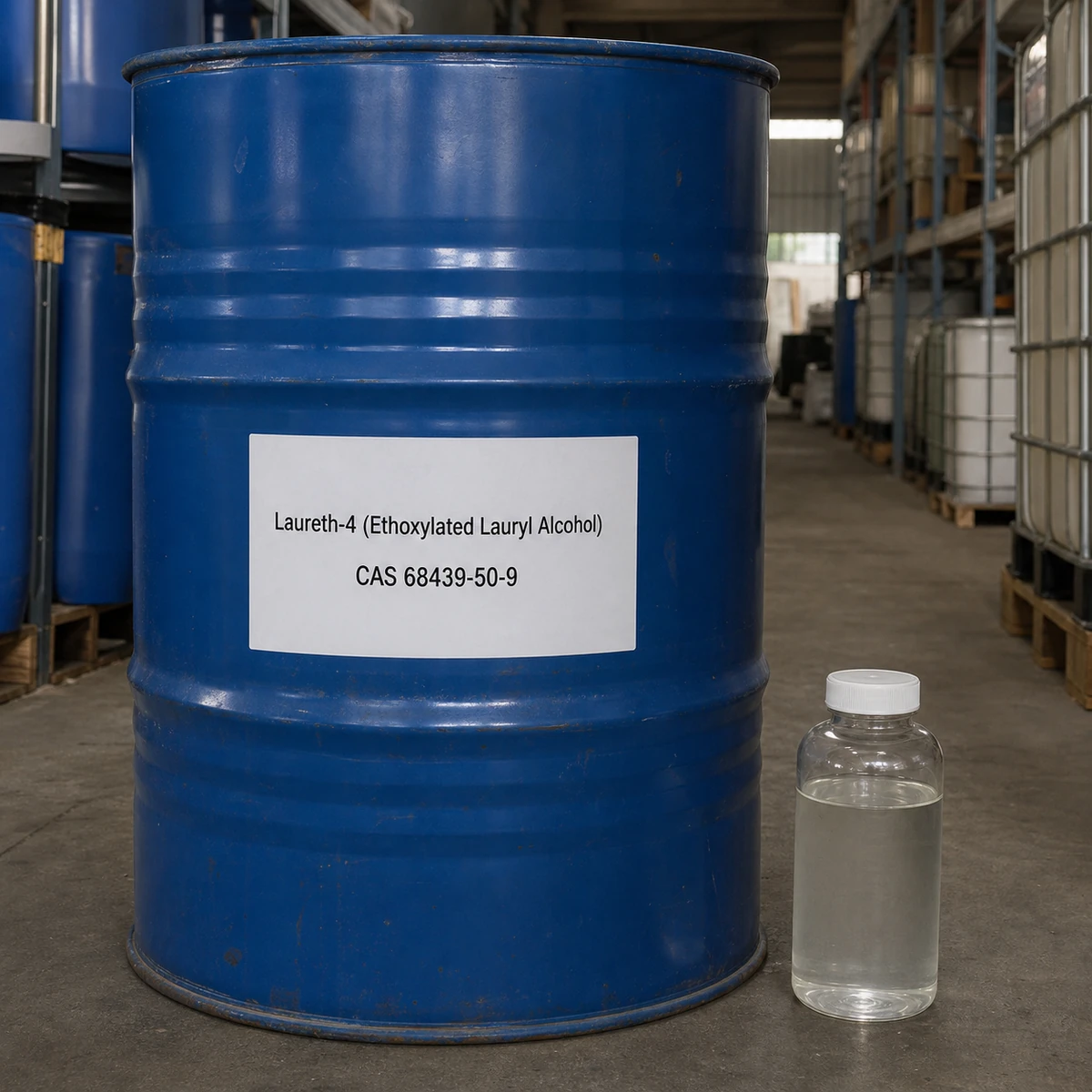
  • Laureth-4 (Ethoxylated Lauryl Alcohol) CAS 68439-50-9

Laureth-4 (Ethoxylated Lauryl Alcohol) CAS 68439-50-9

Laureth-4 is a lower-EO nonionic surfactant based on C12-C14 fatty alcohols with a nominal average of about four ethylene oxide units. It is identified by CAS No. 68439-50-9 and EC No. 500-213-3 . Laureth-4 is a homolog distribution rather than one pure molecule and should not be confused with AEO-3B or Laureth-7 grades. It is commonly evaluated as an oil-affine emulsifier, co-emulsifier and wetting component. Buyers should match nominal EO, hydroxyl value, water, physical form and application performance before substitution. AEO-7 is a related C12-C14 ethoxylate with a higher nominal EO level; evaluate it against the actual specification.

  • CAS: 68439-50-9
  • Synonyms: Laureth-4, Ethoxylated Lauryl Alcohol, Lauryl Alcohol Ethoxylate 4EO, Nonionic Surfactant
  • Einecs: 500-213-3
  • Molecular Formula: RO-(CH₂CH₂O)ₙ-H (nominal n ≈ 4)
  • Grade: Confirm the nominal EO or PO level, feedstock range, active matter, water, physical form and relevant analytical values against the current TDS and COA.
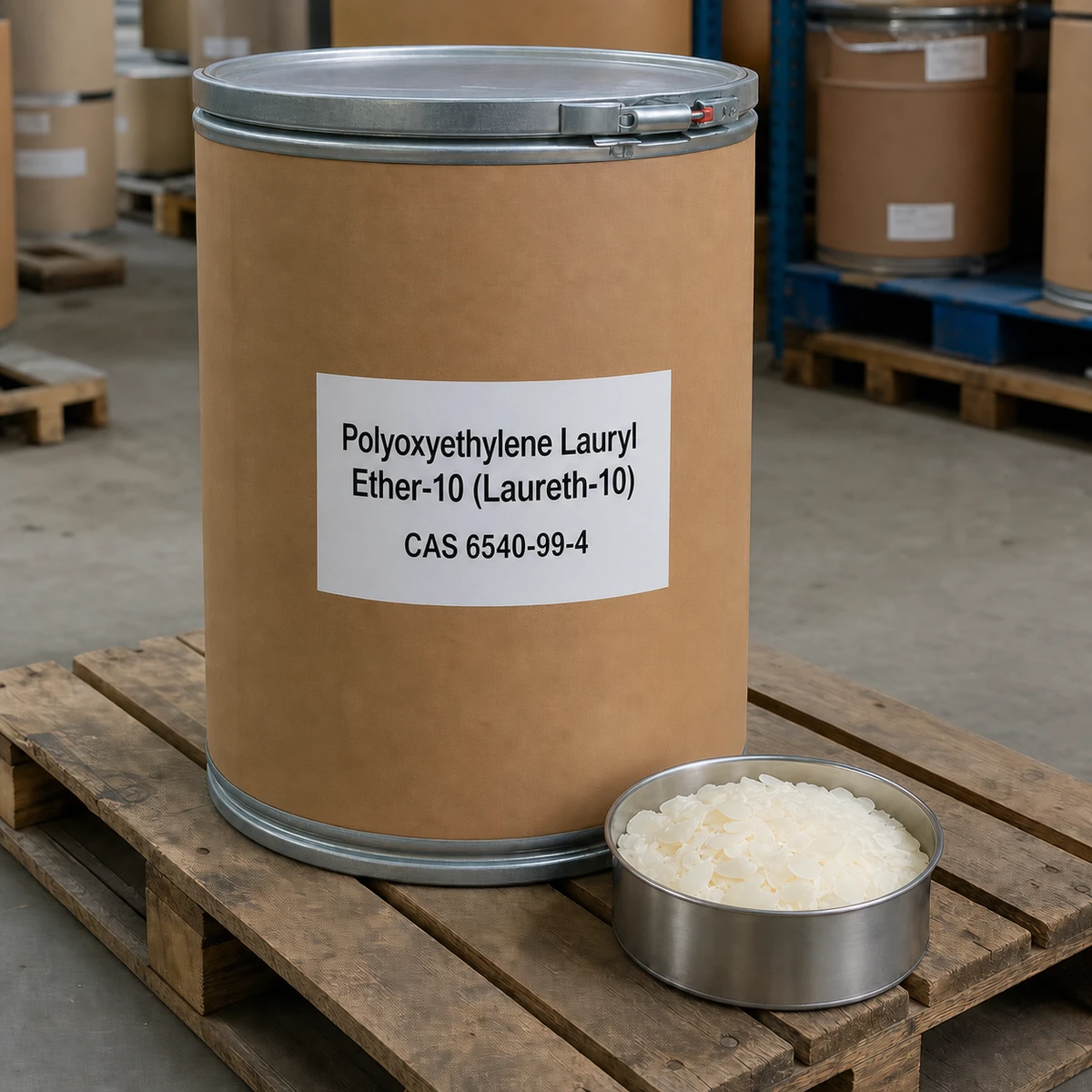
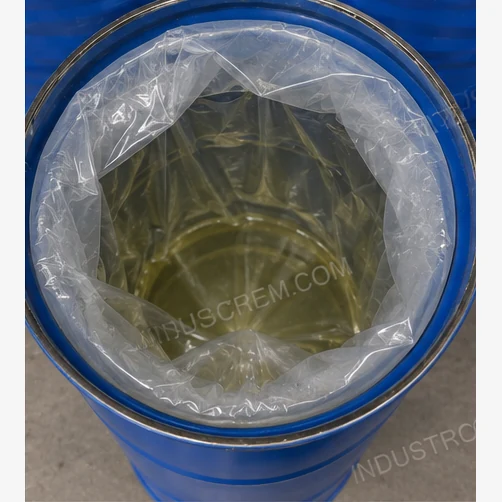
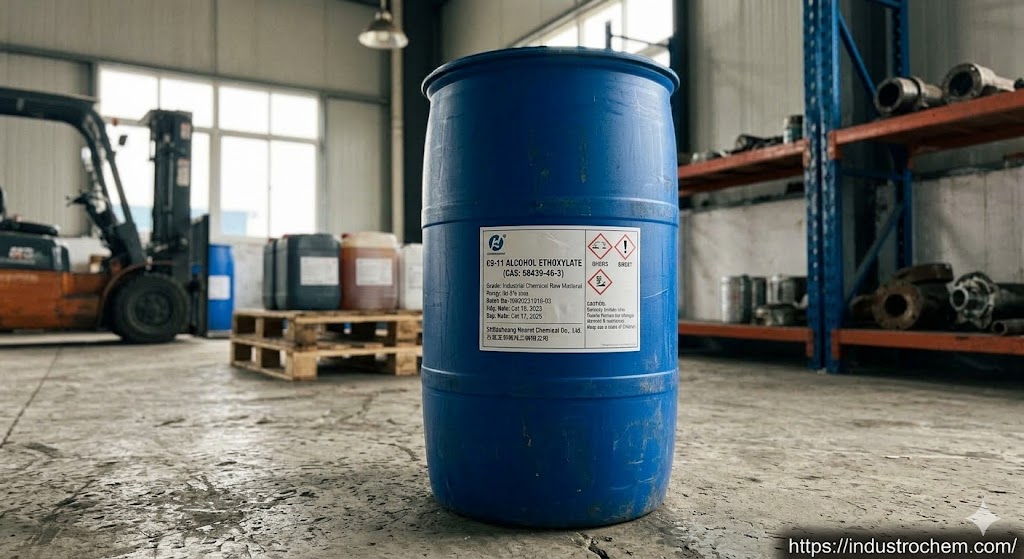
  • Package: State required quantity, physical form and destination; confirm the current bag or container, liner, net weight, temperature handling and transport requirements before quotation.
Request a quote
Share:

Product Description

Physicochemical profile

ItemTechnical guidance
Product identityLaureth-4, an ethoxylated C12-C14 fatty alcohol grade with nominal average near 4 EO units
CAS / EC68439-50-9 / 500-213-3
CompositionNonionic homolog distribution rather than one pure molecule
Nominal formulaRO-(CH₂CH₂O)ₙ-H, with nominal n near 4
Typical physical formLiquid, paste or soft wax depending on composition and temperature
Key quality controlsNominal EO, hydroxyl value, water, appearance, physical form and supplier-defined emulsification performance

Application and grade selection

Laureth-4 is a lower-EO, relatively oil-affine nonionic surfactant used as an emulsifier, co-emulsifier and wetting component. It must not be presented as MOA-3B, AEO-3B or another EO grade without analytical and supplier evidence.

  • Emulsion trials should examine oil-phase compatibility, droplet stability, viscosity and temperature cycling.
  • Industrial cleaning or textile use requires testing of wetting, detergency, foam and compatibility with the complete surfactant package.
  • Personal-care use requires an appropriately documented grade and finished-formulation safety assessment.

For related fatty-alcohol ethoxylate grades, see AEO-7 and AEO-9 / MOA-9.

Storage and handling

Store sealed in a dry, ventilated area away from excessive heat and direct sunlight. Changes in temperature can alter physical form without establishing product failure; follow the current TDS for conditioning, mixing and sampling.

Safety and supply documentation

Use the exact-grade SDS for personal protection, incompatibilities, transport and disposal. Do not rely on unsupported claims of resistance to oxidizers, sub-zero stability or a universal two-year shelf life.

A sourcing request should identify Laureth-4, nominal EO or reference specification, intended use, package, quantity, destination and required COA, TDS and SDS.

FAQ - Technical & Supply Chain

  • Q:

    How does Laureth-4 differ from higher-EO Laureth grades?

    A: Laureth-4 has a lower nominal ethoxylation level and generally greater oil affinity than higher-EO grades. Compare hydroxyl value, dispersibility, emulsification, foam and finished-system stability instead of substituting by CAS number alone.
  • Q:

    Is Laureth-4 one pure molecule containing exactly four EO units?

    A: No. It is a lauryl-alcohol ethoxylate distribution centered near a nominal EO level. Commercial quality should be defined through alcohol cut, hydroxyl value, water, appearance and performance rather than molecular purity.
  • Q:

    When is a lower-EO Laureth grade considered in formulation?

    A: It may be evaluated where greater oil-phase compatibility, co-emulsification or low-foam wetting is needed. Selection depends on oil phase, required HLB, dosage, temperature and the rest of the emulsifier system.
  • Q:

    How should physical form and dispersibility be assessed?

    A: Inspect at the agreed temperature, then test melting or charging, oil solubility, water dispersibility, mixing order and finished-system stability. Lower-EO grades may change viscosity or appearance with temperature and formulation composition.
  • Q:

    What must a lower-EO Laureth sourcing request specify?

    A: Provide Laureth-4 or the approved reference grade, alcohol feedstock, hydroxyl and water limits, physical form, application, quantity, destination and package. Confirm nominal EO and performance criteria before sample approval.

Ordering & Documentation

Key information for document requests, quotations, and supply planning.

Documents

COA, TDS, SDS/MSDS and packing details are available on request.

Quotation

Send the CAS number, grade, quantity, packing preference and destination.

Sample & Supply

Support is available for samples, trial orders, bulk and repeat supply.

Storage & Shipping

Product-specific conditions are confirmed before order.

Contact Form

Use our contact form to send us your questions, suggestions or comments. We will respond as soon as possible.