









• AEO-20 (MOA-20) Surfactant CAS 68439-50-9
  • AEO-20 (MOA-20) Surfactant CAS 68439-50-9

AEO-20 (MOA-20) Surfactant CAS 68439-50-9

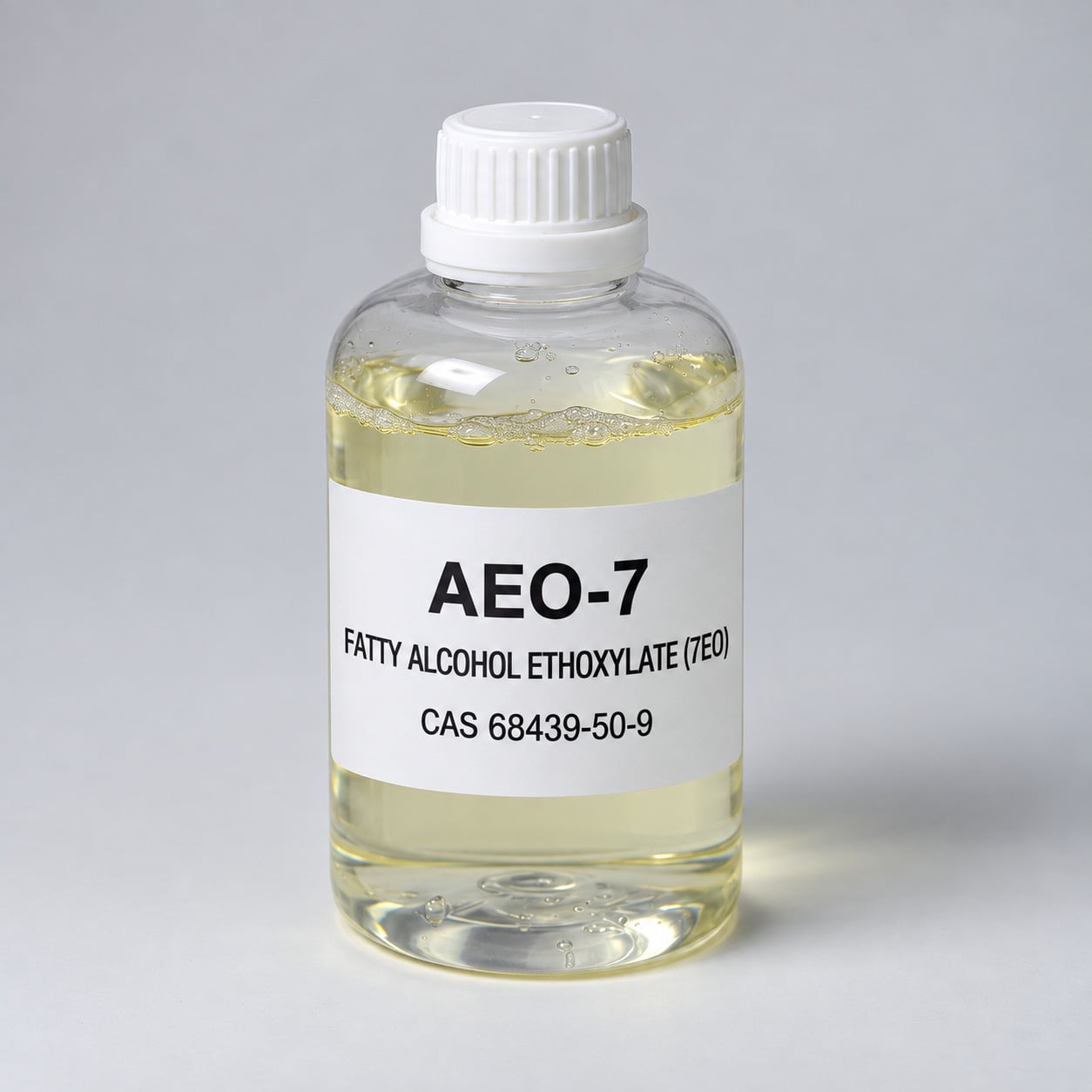
AEO‑20 and MOA‑20 are fatty alcohol ethoxylates with an average of 20 ethylene oxide units and a high HLB value (16–17). Identified by CAS No. 68439‑50‑9, these nonionic surfactants exhibit strong hydrophilic properties and excellent solubility in water. AEO‑20 / MOA‑20 are commonly used as O/W emulsifiers, solubilizers, and dispersants in industrial cleaning, textile processing, and cosmetic formulations. The product is supplied for industrial use with standard documentation including MSDS, TDS, and COA.

  • CAS: 68439-50-9
  • Synonyms: AEO-20, MOA-20, Polyoxyethylene Lauryl Ether, Lauryl Alcohol Ethoxylate 20EO
  • Einecs: 500-223-8
  • Molecular Formula: C₁₂H₂₅(OCH₂CH₂)₂₀OH
  • Grade: 99%
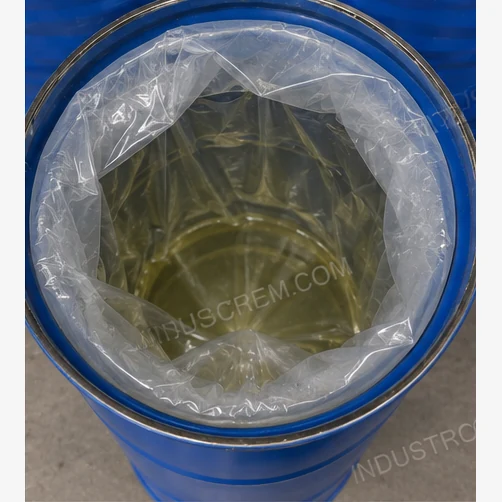
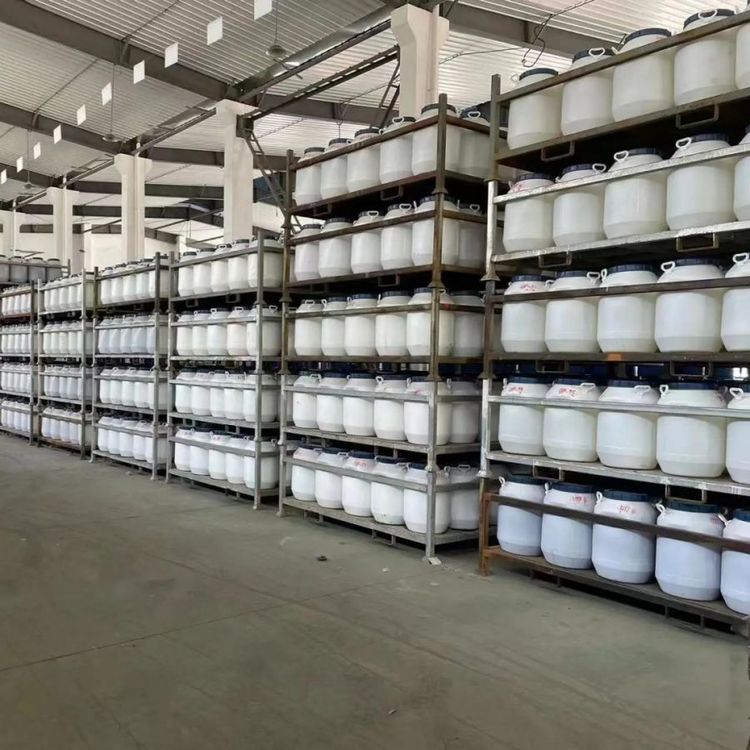
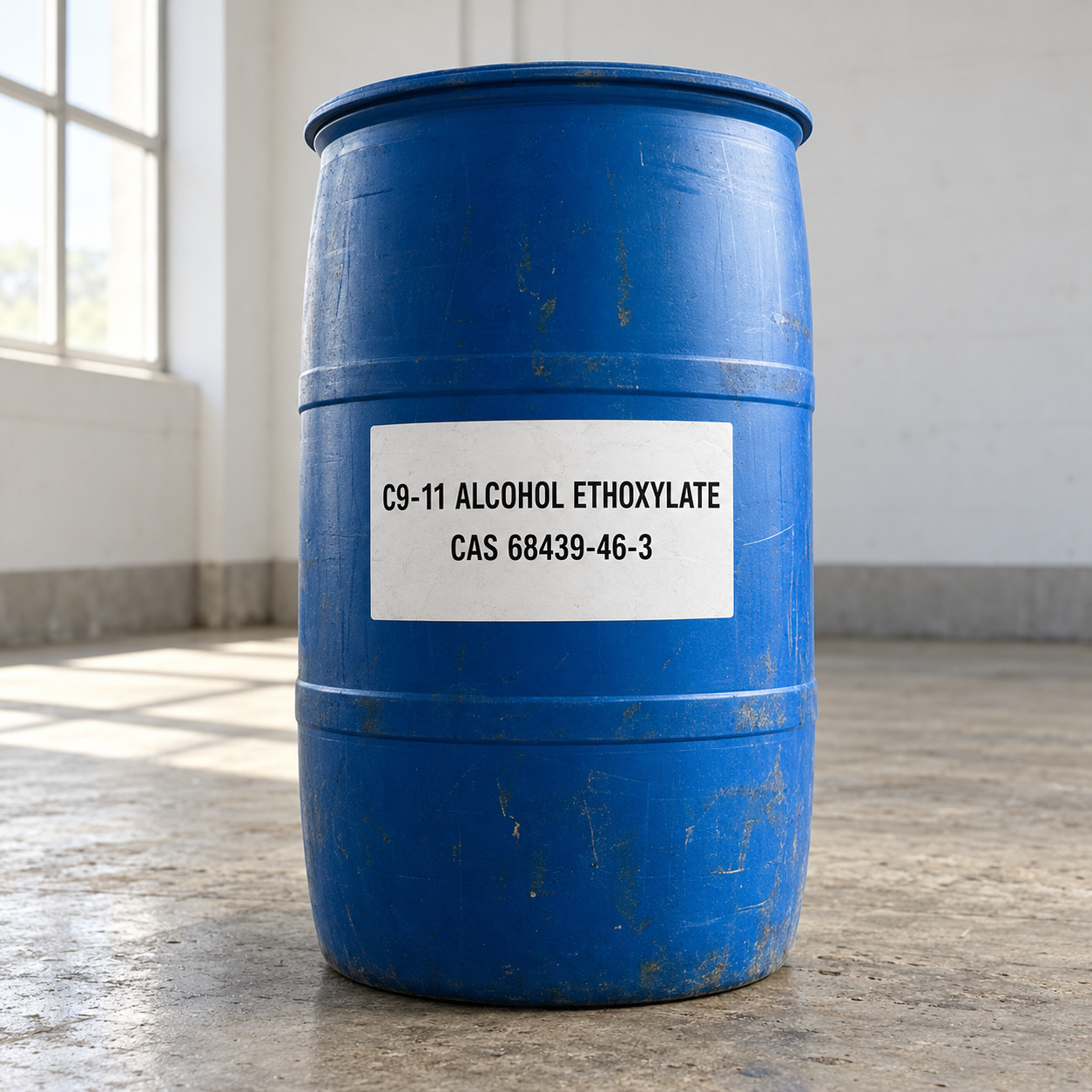
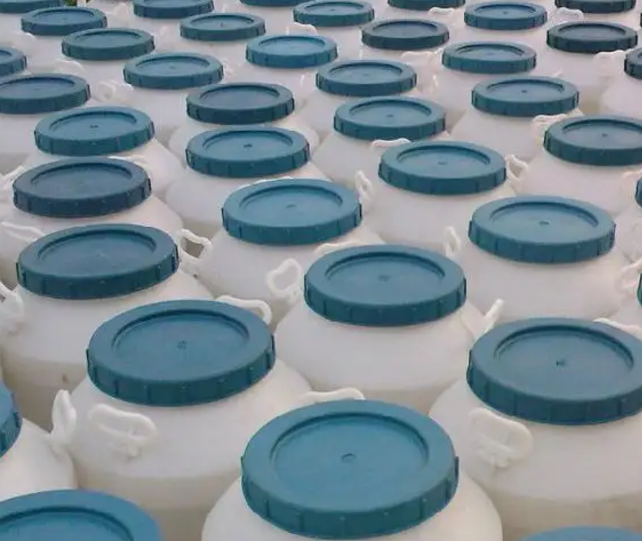
  • Package: 200kg iron drum or 50kg plastic drum packaging
Request a quote
Share:

Product Description

Physicochemical properties

PropertyDescription
AppearanceMilky white solid or paste (at room temperature)
Melting Point41–45°C
Boiling Point>230°C (decomposes at high temperatures)
Density0.99–1.1 g/cm³ (at 20°C)
Refractive Index1.465 (predicted)
Flash Point>110°C (closed cup)
SolubilitySoluble in water (forms clear to slightly turbid solutions), alcohols, and polar solvents. Insoluble in non-polar solvents.
HLB Value16–17 (high hydrophilicity, suitable for O/W emulsions)
pH (1% solution)5.0–7.0
Cloud Point89–93°C (in 5% NaCl solution)
Viscosity100–500 mPa·s (at 25°C, concentration-dependent)

Application Areas

Cosmetics: emulsifiers, thickeners, anti-static agents (note that they may cause skin allergies).
Textile industry: leveling agent, stripping agent, detergent (dosage 0.2-1 g/L).
Detergents: liquid detergents, metal cleaning agents, industrial emulsifiers.
Other: Pesticide emulsifiers, crude oil demulsifiers, lubricating oil emulsifiers.

Storage conditions

Storage conditions: It should be stored in a dry, well ventilated place, away from sources of fire and high temperature environments. Avoid storing together with strong acids, strong bases, and other chemical substances to prevent chemical reactions.
Packaging and transportation: Usually packaged in 50kg/drum or 200kg/drum, attention should be paid to moisture and sun protection during transportation to ensure good container sealing.

Safety precautions

Toxicity: Belongs to low toxicity substances, may be harmful to aquatic organisms, and should be avoided from being discharged into the environment.
Protective measures: Wear protective goggles and gloves during operation to avoid inhaling dust or steam.

FAQ - Technical & Supply Chain

  • Q:

    Does AEO‑20 have a fixed molecular formula?

    A: No. AEO‑20 is a fatty alcohol ethoxylate with an average EO chain length of approximately 20 units per molecule. As a polymeric mixture, it does not have a single fixed molecular formula.
  • Q:

    Is AEO‑20 the same as MOA‑20?

    A: Yes. AEO‑20 and MOA‑20 refer to the same polyoxyethylene (20) lauryl ether surfactant. The names are used interchangeably across different manufacturers and regional markets.
  • Q:

    What are the main industrial applications of AEO‑20 / MOA‑20?

    A: AEO‑20 is widely used as a nonionic emulsifier and solubilizer in industrial cleaning formulations, textile processing, agrochemical formulations, and emulsion polymerization. Its high EO content provides excellent water solubility and stability in aqueous systems.
  • Q:

    What is the HLB value of AEO‑20 and how does it affect performance?

    A: AEO‑20 typically has an HLB value in the range of 15–17, indicating strong hydrophilic character. This high HLB makes it suitable as an O/W emulsifier and solubilizer for oils and hydrophobic actives in water-based formulations.
  • Q:

    Can AEO‑20 be combined with anionic or cationic surfactants?

    A: Yes, as a nonionic surfactant, AEO‑20 is compatible with anionic, cationic, and other nonionic surfactants in most formulation systems. This compatibility makes it a versatile component in complex surfactant blends.
  • Q:

    What quality indicators should buyers verify when sourcing AEO‑20?

    A: Buyers should verify the hydroxyl value, cloud point, water content, pH (1% aqueous solution), and appearance. These parameters ensure consistent surfactant performance and batch-to-batch uniformity.
Documents

Documents and Product Support

For product review and sourcing evaluation, supporting documents can be coordinated according to the product type, inquiry stage, and order requirements.

  • COA for batch-based quality reference
  • TDS for key physical and chemical information
  • SDS / MSDS for handling, storage, and safety reference
  • Packing information for sample, trial, and bulk orders
  • Technical communication based on application and specification requirements
Quotation

Information to Confirm Before Quotation

Clear sourcing information helps reduce specification mismatch and allows a more accurate quotation before sample or bulk order discussion.

  • Product name and CAS number
  • Application or intended end use
  • Required purity, grade, or specification
  • Sample quantity, trial order, or bulk demand
  • Preferred packing form or net weight
  • Destination country or port
  • Required documents or compliance expectations
Storage & Handling

Packaging, Storage, and Handling Notes

Packaging form, storage conditions, shelf life, and shipment arrangements should be confirmed according to the product characteristics, package size, and destination requirements.

Before order confirmation, buyers are advised to review the corresponding product documents and confirm whether any special storage, labeling, or handling requirements apply.

Supply Support

Sample, Bulk Order and Repeat Supply Support

Support can be arranged for sample discussion, bulk supply planning, packaging confirmation, and routine sourcing communication based on the actual product and order requirements.

For repeat-use formulations or long-term procurement plans, buyers may discuss specification consistency, packaging preferences, delivery expectations, and document coordination in advance.

Contact Form

Use our contact form to send us your questions, suggestions or comments. We will respond as soon as possible.