









PE 6800-type (CAS 9003-11-6) is a nonionic EO/PO/EO block copolymer with two hydrophilic polyoxyethylene blocks around a polyoxypropylene middle block. It is used as a dispersant and emulsifier in compatible industrial formulations. Commercial grades contain a distribution of chain lengths; EO composition, average molar-mass basis, physical form and agreed quality limits guide grade selection. The type designation describes an industrial polymer profile rather than a specific manufacturer or a cell-culture qualification.
PE 6800-Type EO/PO/EO Block Copolymer CAS 9003-11-6
- CAS: 9003-11-6
- Synonyms: PE 6800-type; EO/PO/EO block copolymer; PEO-PPO-PEO triblock copolymer
- Molecular Formula: Commercial EO/PO/EO triblock distribution; illustrative structure HO–(C₂H₄O)x–(C₃H₆O)y–(C₂H₄O)z–H, with variable x, y and z; no single molecular formula.
- Grade: Industrial PE 6800-type; EO content on a stated weight basis (wt%), average molar-mass basis, hydroxyl value, water, physical form and agreed cloud-point or solution-viscosity requirements define the quoted grade.
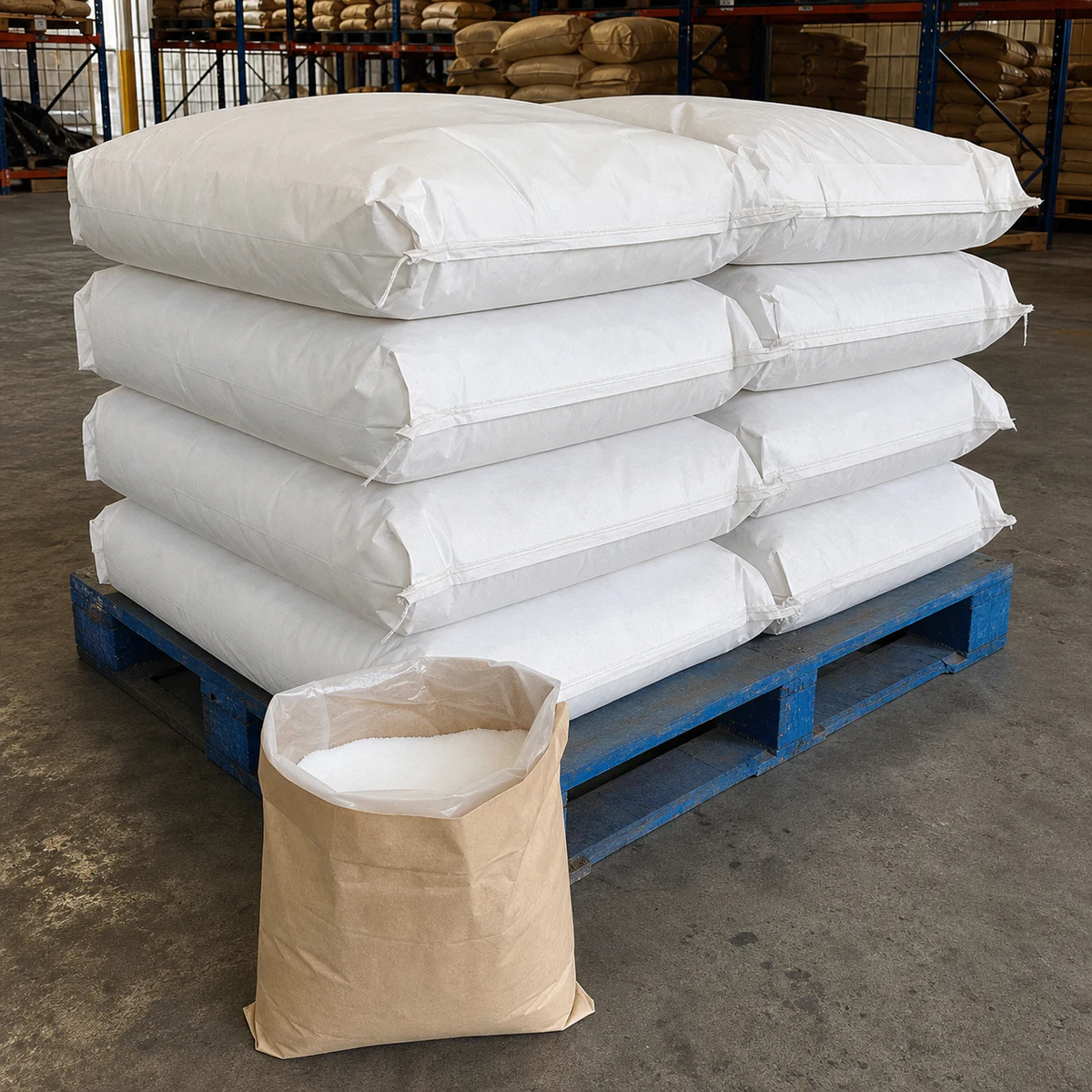
- Package: Packaging type, liner and net weight are specified in the quotation for the selected grade and destination.
Product Description
Parameters
| Chemical Identity | CAS 9003-11-6 identifies the broad ethylene oxide/propylene oxide polymer family. The offered type has an EO/PO/EO triblock structure. |
| Composition / Formula | Commercial PEO–PPO–PEO chains have a distribution of block lengths. The two end blocks need not have identical chain lengths; no single molecular formula defines the commercial grade. |
| Average Molar-Mass Reference | The published BASF Pluronic PE 6800 reference is approximately 8,000 g/mol, calculated on a hydroxyl-value basis. This is a type reference, not the guaranteed specification of every PE 6800-type supply. |
| EO Composition | Published PE 6800 type references list approximately 80% EO. The quoted grade specification states the composition basis and test method; EO content is distinct from free residual ethylene oxide or purity. |
| Physical Form | The BASF Pluronic PE 6800 published reference is powder at 23 °C. The quoted grade TDS specifies its actual physical form and handling conditions. |
| Cloud Point | BASF Pluronic PE 6800 reference: approximately 88 °C by EN 1890 Method B, using 1 g surfactant with 100 g sodium chloride solution (50 g/L). Values measured in different media or at different concentrations are not directly interchangeable. |
| Grade Quality Indicators | Hydroxyl value (mg KOH/g), water content with its reporting basis, and any agreed solution-viscosity or cloud-point requirements. Solution viscosity is reported with concentration, temperature, method and units. |
PE 6800 is a type designation. The specification for the quoted grade defines its EO content, average molar-mass range and acceptance limits.
Hydroxyl end-group analysis can support an average molar-mass estimate when the end-group functionality and calculation method are stated. Size-exclusion chromatography (SEC/GPC) characterizes the molecular-mass distribution. Reports identify the method, calibration and reported average, such as number-average molar mass (Mn) or weight-average molar mass (Mw).
Where molecular-mass distribution testing is part of the agreed grade specification, the corresponding SEC/GPC report and chromatogram can be provided. Interpretation depends on the calibration, detection method and grade composition; chromatographic area percentages are not automatically polymer mass fractions.
Applications
PE 6800-type is used for dispersion and emulsification in compatible industrial cleaning and process formulations. Its hydrophilic EO end blocks and PPO middle block influence temperature-dependent solution behaviour. Dosage, electrolyte content, operating temperature and the rest of the formulation affect clouding, foam and performance.
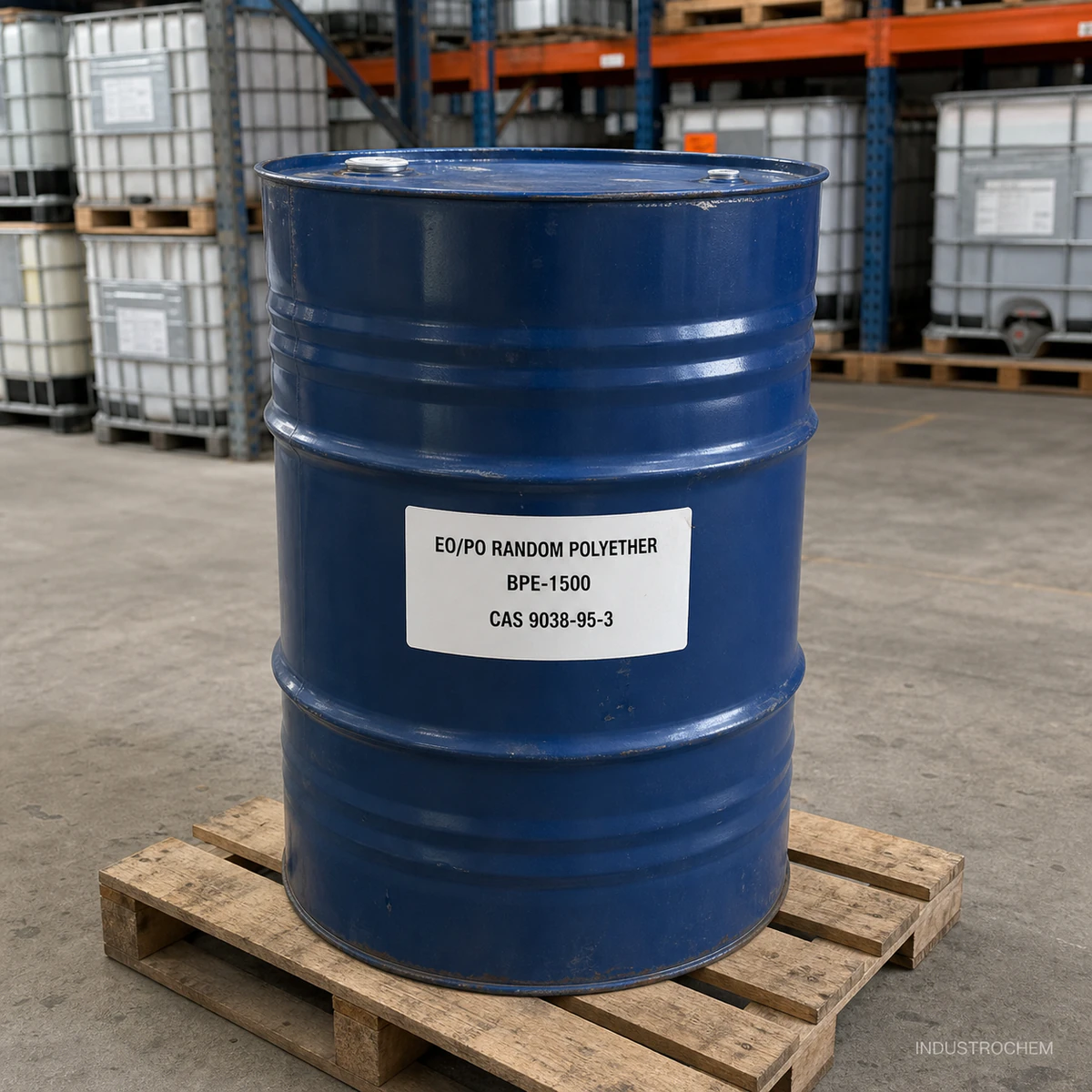
GPE 3000 glycerol-initiated EO/PO polyether and BPE-1500 butanol EO/PO random polyether provide industrial polyether comparisons where the initiator, end groups and block or random sequence matter. Their different functionality, EO/PO composition and solution behaviour can change lubrication, viscosity and emulsification in process fluids. These are formulation choices, not automatic weight-for-weight replacements for PE 6800-type.
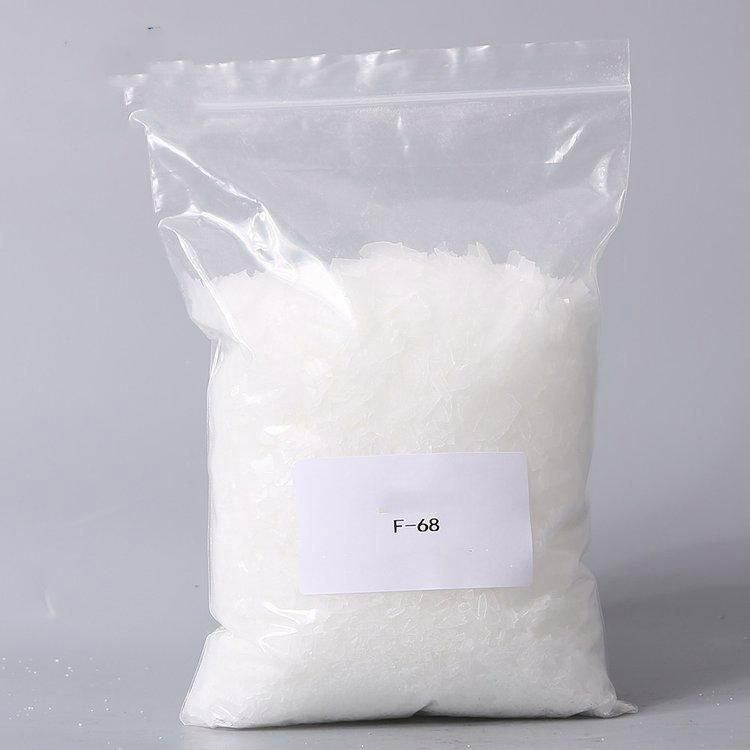
Poloxamer 188 (F68) is a closely related EO/PO/EO grade comparison. The broad CAS number and similar nominal polymer profile do not establish equivalent molecular-mass distribution, antioxidant status or application qualification. Industrial PE 6800-type does not automatically meet a pharmaceutical or cell-culture specification.
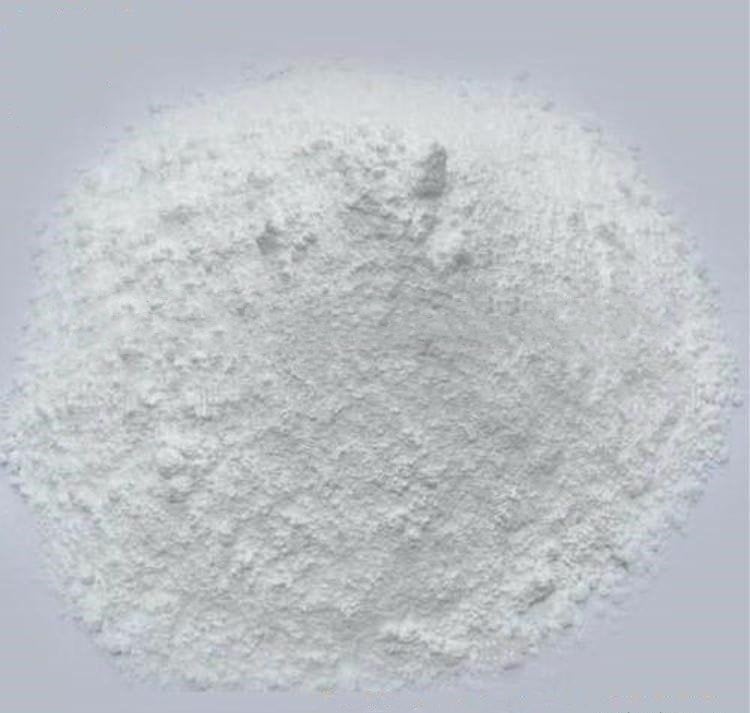
PEG-6000 powder offers a solid-polyether comparison for industrial formulation and processing. It contains EO-only chains and has no PPO middle block. Its molecular-mass range, melting behaviour and powder-handling properties serve different formulation needs; it is not an equivalent EO/PO emulsifier by name or solid form alone.
Storage
Keep the product sealed in a dry, clean area, protected from moisture, contamination and excessive heat. Reseal opened packaging. The quoted grade TDS and SDS state its storage temperature and handling conditions; powder handling includes suitable dust control.
Quality Documentation
COA (Certificate of Analysis), TDS (Technical Data Sheet) and SDS (Safety Data Sheet) can be provided for the offered grade. The COA gives batch test results, the TDS describes the grade specification and relevant property or test conditions, and the SDS covers safe handling and storage.
Use the handling measures and protective equipment specified in the supplied grade SDS, control dust during powder transfer and prevent uncontrolled release. A polymer-family CAS number or a trade-name comparison does not establish the supplied grade’s safety classification or regulated-use suitability.
FAQ - Technical & Supply Chain
-
Q:
Does CAS 9003-11-6 establish equivalence with F68 or Poloxamer 188?
A: No. CAS 9003-11-6 covers a broad EO/PO polymer family. F68/Poloxamer 188 and PE 6800 references have a valid chemical-family relationship, but equivalence also depends on EO composition, molecular-mass distribution, antioxidant status and the intended application grade. Industrial PE 6800-type is not automatically a pharmaceutical or cell-culture replacement. -
Q:
Which specifications help match a PE 6800-type grade?
A: The useful specifications include EO content on a weight basis (wt%), average molar mass in g/mol with its method, hydroxyl value in mg KOH/g, water content and physical form. Where cloud point or solution viscosity is critical, the test medium, concentration, temperature, method and units are part of the requirement. A single purity percentage does not define the polymer distribution. -
Q:
What information is useful for a PE 6800-type quotation?
A: Send the intended industrial application, quantity and destination. An existing specification or critical requirement, such as EO composition, molecular-mass range, cloud-point method or packaging preference, helps match the offered grade.
Ordering & Documentation
Key information for document requests, quotations, and supply planning.
Documents
Tell us which documents your procurement team needs. Before an order, we will check whether the quoted source can provide them for the offered lot.
Quotation
Send the CAS number, grade, quantity, packing preference and destination.
Sample & Supply
Ask whether samples, trial quantities or repeat orders are possible. We will check each request against the sourced product and current offer.
Storage & Shipping
Product-specific conditions are confirmed before order.