









• Butanol Random Polyether CAS 9038-95-3
  • Butanol Random Polyether CAS 9038-95-3
  • Butanol Random Polyether CAS 9038-95-3
  • Butanol Random Polyether CAS 9038-95-3
  • Butanol Random Polyether CAS 9038-95-3

Butanol Random Polyether CAS 9038-95-3

Butanol Random Polyether, specifically grade BPE-1500 or chemically defined as Polyalkylene Glycol Monobutyl Ether, is a nonionic copolymer synthesized from ethylene oxide and propylene oxide initiated with butanol. This substance functions as a high-performance functional fluid and base stock, offering inverse solubility characteristics and excellent lubricity in industrial lubricant formulations and hydraulic systems. It is typically applied in the production of water-soluble metalworking fluids, quenchants, and heat transfer fluids where shear stability and low residue formation are required. We ensure bulk supply with competitive factory pricing for industrial clients. Our inventory is managed to support customized specifications, and every shipment is accompanied by complete MSDS, TDS, COA documentation.

  • CAS: 9038-95-3
  • Grade: Industrial grade 99%
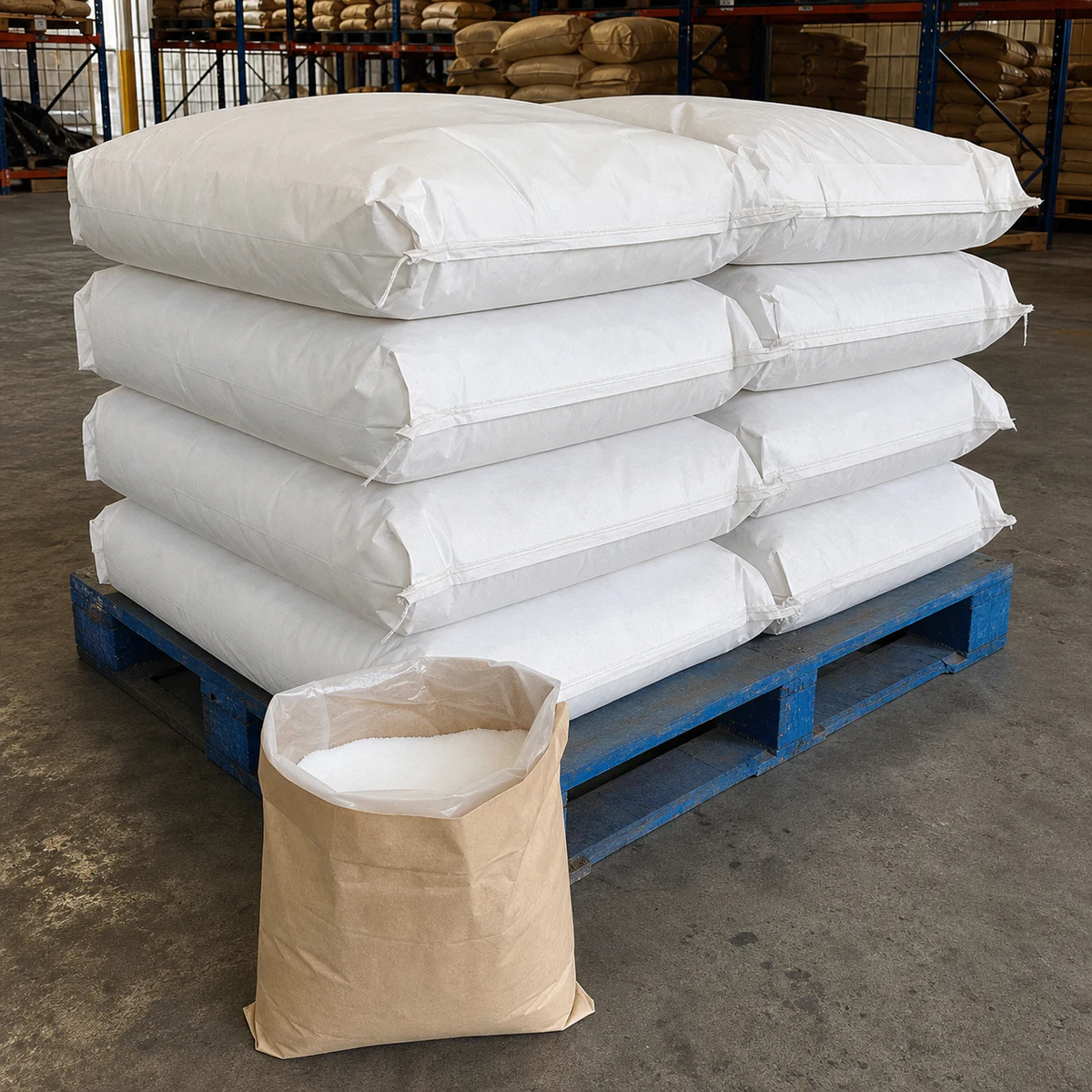
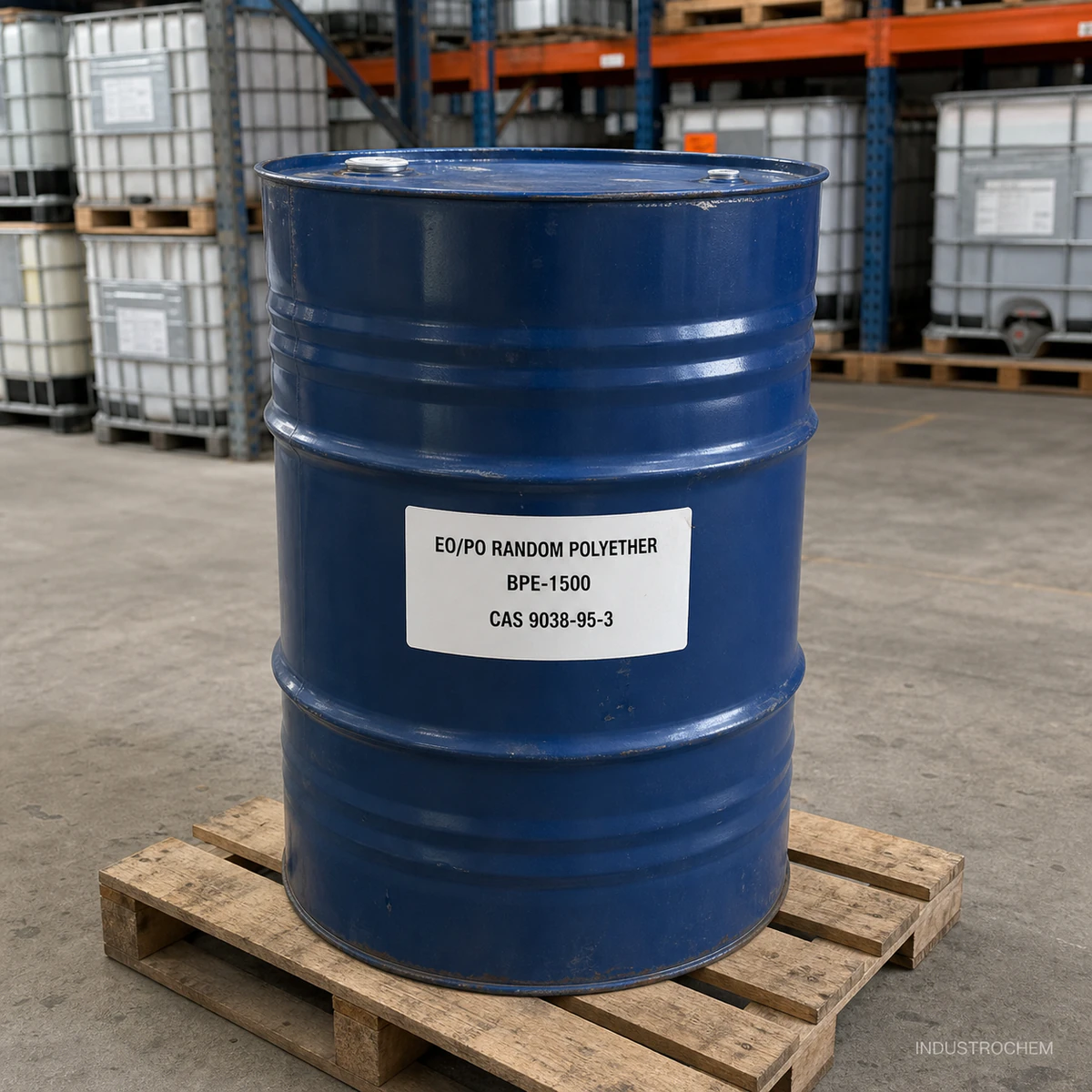
  • Package: 200kg iron drum or 50kg plastic drum packaging
Request a quote
Share:

Product Description

Physicochemical properties

PropertyDescription
Chemical NameButanol random polyether BPE-1500
CAS Number9038-95-3
AppearanceColorless liquid
Color (Pt-Co)≤20
Hydroxyl Value1500 ± 100 mgKOH/g
Acid Value≤0.5 mgKOH/g
Content≥99.0%
pH Value (1% aqueous solution)5.0~7.0
Molecular Weight1500
SolubilityInsoluble in water; soluble in organic solvents such as ethanol and acetone
StabilityStable under normal conditions; non-hygroscopic
ToxicityLow toxicity
Foaming PowerLow
Dispersing PowerGood
Emulsifying PowerStrong
Low-Temperature FluidityGood
Packaging200kg iron drum or 50kg plastic drum
Shelf LifeTwo years

Application Areas

  1. It belongs to polymeric surfactants and possesses unique properties. Generally, it is non-hygroscopic, with low toxicity and foaming power, good dispersibility, strong emulsifying ability, and good low-temperature fluidity.
  2. Used in low-foaming detergents, emulsifiers, defoamers, fabric leveling agents, antistatic agents, metal cutting coolants, high-speed spinning oil lubricants, and adhesives.
  3. Used as a smoothing agent in chemical fiber oil agents.

Storage conditions

Environmental requirements: Store in a cool, well-ventilated warehouse or covered shed, avoiding direct sunlight to prevent product deterioration or volatilization due to high temperatures.
Containers and packaging
Tightness: Store in a sealed container to prevent air and moisture from entering and causing a decline in product performance.
Material selection: Corrosion-resistant materials such as aluminum, stainless steel, galvanized iron drums, or plastic drums can be chosen to ensure the mechanical strength of the packaging.
Storage period: Typically 2 years

‌‌Safety precautions

Hazard: Non hazardous material, but avoid contact with strong oxidants.
Operation protection: Wear protective gloves, goggles, and protective clothing during operation to avoid skin and eye contact.
Emergency response: If accidentally touched, immediately rinse with plenty of water and seek medical assistance.

FAQ - Technical & Supply Chain

  • Q:

    Does CAS 9038-95-3 cover different molecular weights like BPE-1500?

    A: Yes, CAS 9038-95-3 is the generic registry number for the polymer class formed by reacting oxirane and methyl oxirane with butanol. BPE-1500 identifies a specific viscosity grade or molecular weight (typically around 1500 MW) within this broader chemical registration.
  • Q:

    Is this product intended for use as a base oil in industrial lubricants?

    A: Yes, this material is typically applied as a synthetic base stock or additive in industrial lubricants, particularly in water-glycol hydraulic fluids and metalworking applications, due to its ability to provide lubrication while maintaining water solubility or dispersibility.
Documents

Documents and Product Support

For product review and sourcing evaluation, supporting documents can be coordinated according to the product type, inquiry stage, and order requirements.

  • COA for batch-based quality reference
  • TDS for key physical and chemical information
  • SDS / MSDS for handling, storage, and safety reference
  • Packing information for sample, trial, and bulk orders
  • Technical communication based on application and specification requirements
Quotation

Information to Confirm Before Quotation

Clear sourcing information helps reduce specification mismatch and allows a more accurate quotation before sample or bulk order discussion.

  • Product name and CAS number
  • Application or intended end use
  • Required purity, grade, or specification
  • Sample quantity, trial order, or bulk demand
  • Preferred packing form or net weight
  • Destination country or port
  • Required documents or compliance expectations
Storage & Handling

Packaging, Storage, and Handling Notes

Packaging form, storage conditions, shelf life, and shipment arrangements should be confirmed according to the product characteristics, package size, and destination requirements.

Before order confirmation, buyers are advised to review the corresponding product documents and confirm whether any special storage, labeling, or handling requirements apply.

Supply Support

Sample, Bulk Order and Repeat Supply Support

Support can be arranged for sample discussion, bulk supply planning, packaging confirmation, and routine sourcing communication based on the actual product and order requirements.

For repeat-use formulations or long-term procurement plans, buyers may discuss specification consistency, packaging preferences, delivery expectations, and document coordination in advance.

Contact Form

Use our contact form to send us your questions, suggestions or comments. We will respond as soon as possible.