
Chemical products

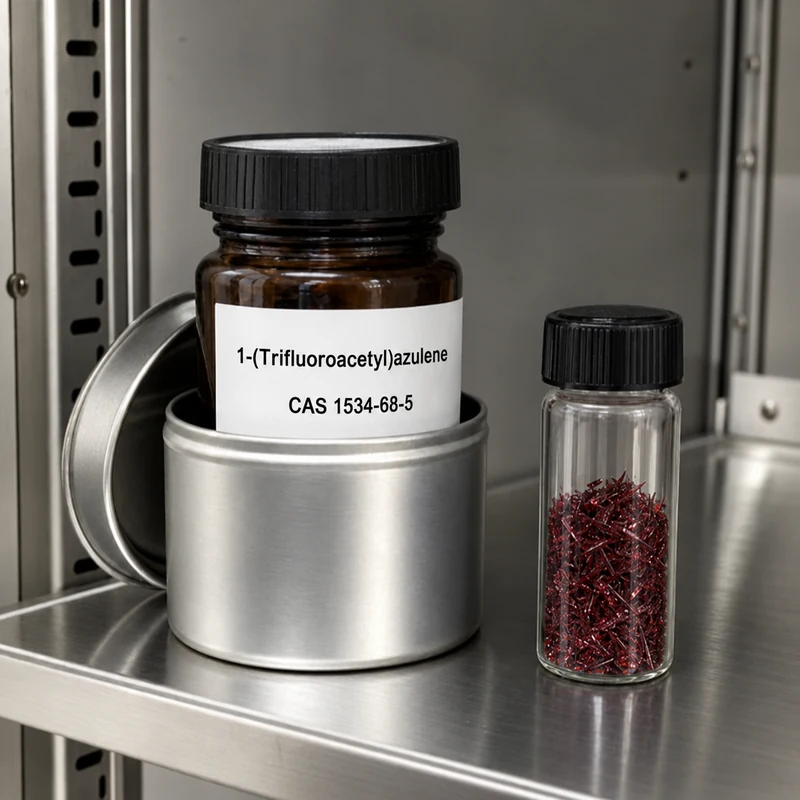
1-(Trifluoroacetyl)azulene CAS 1534-68-5

1-(Trifluoroacetyl)azulene (CAS 1534-68-5), also called 1-Azulen-1-yl-2,2,2-trifluoroethanone, is a fluorinated azulene ketone for research, analytical and organic-synthesis projects. Identity, assay, impurity profile, physical form and storage conditions are key specification points. COA, TDS and SDS are available for specification review and safe handling.

  • CAS: 1534-68-5
  • Synonyms: 1-(Trifluoroacetyl)azulene, 1-Trifluoroacetylazulene, 1-(1-Azulenyl)-2,2,2-trifluoroethanone, 1-Azulen-1-yl-2,2,2-trifluoroethanone
  • Molecular Formula: C₁₂H₇F₃O
  • Grade: Synthesis/research grade; identity, assay method and impurity limits agreed for the quotation.
  • Package: Pack size and container quoted to suit the order; storage and transport conditions stated in the product documents.
Request a quote
Share:

Product Description

Identity and physicochemical profile

ItemProduct data
Product identity1-(Trifluoroacetyl)azulene
CAS number1534-68-5
Formula / molecular weightC₁₂H₇F₃O / 224.18 g/mol
Systematic name1-Azulen-1-yl-2,2,2-trifluoroethanone
Physical formCrystalline solid; appearance is stated in the offered specification
Specification basisIdentity, assay method, impurity limits and any required residual-solvent limits

Synthesis uses and related process materials

The trifluoroacetyl group at position 1 makes this compound a distinct azulene building block for organic synthesis. Published routes include conversion to azulene-1-carboxylic acid and further transformations of the ketone group. The required identity, assay and impurity limits depend on the planned reaction and analytical use.

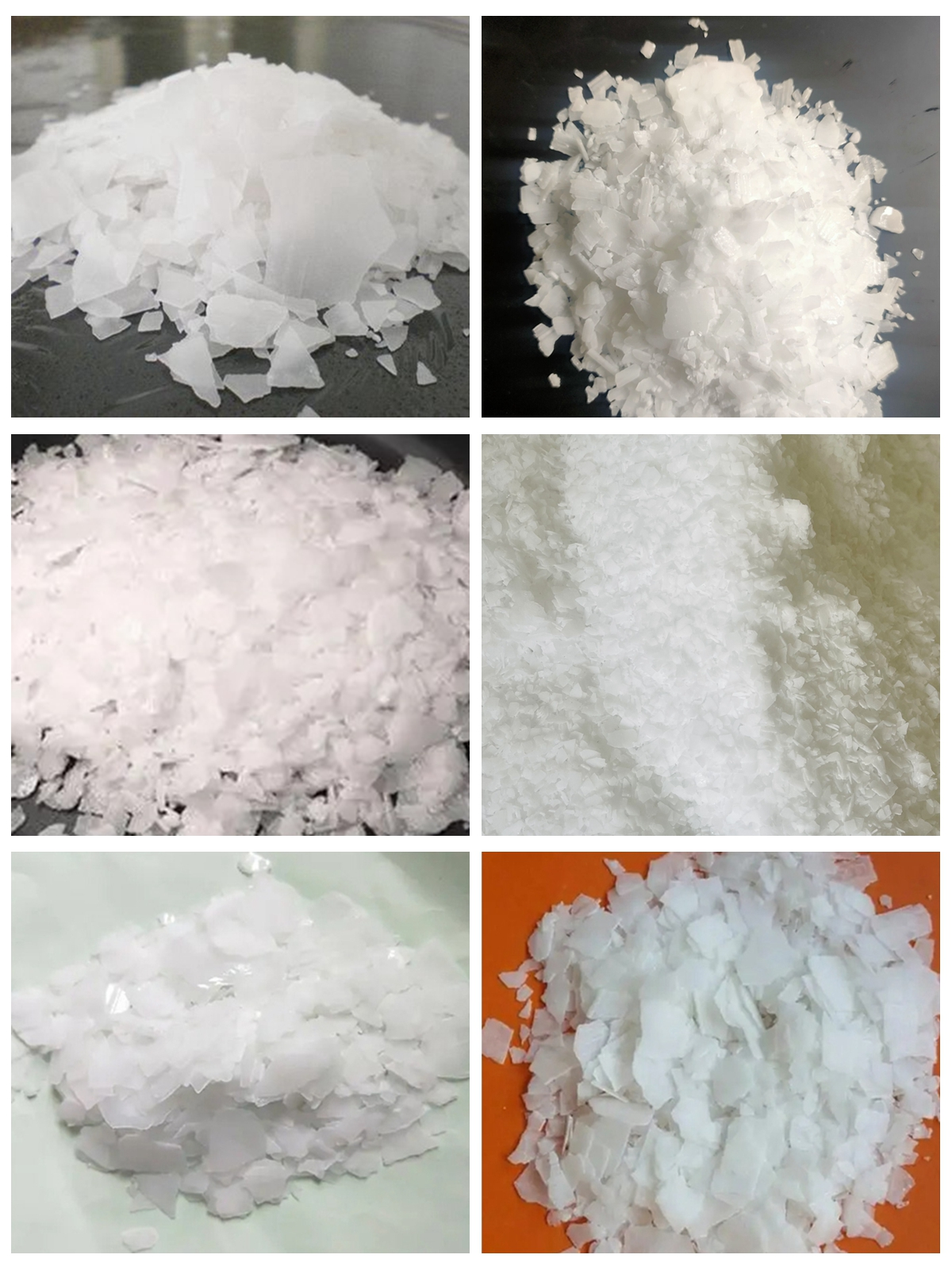
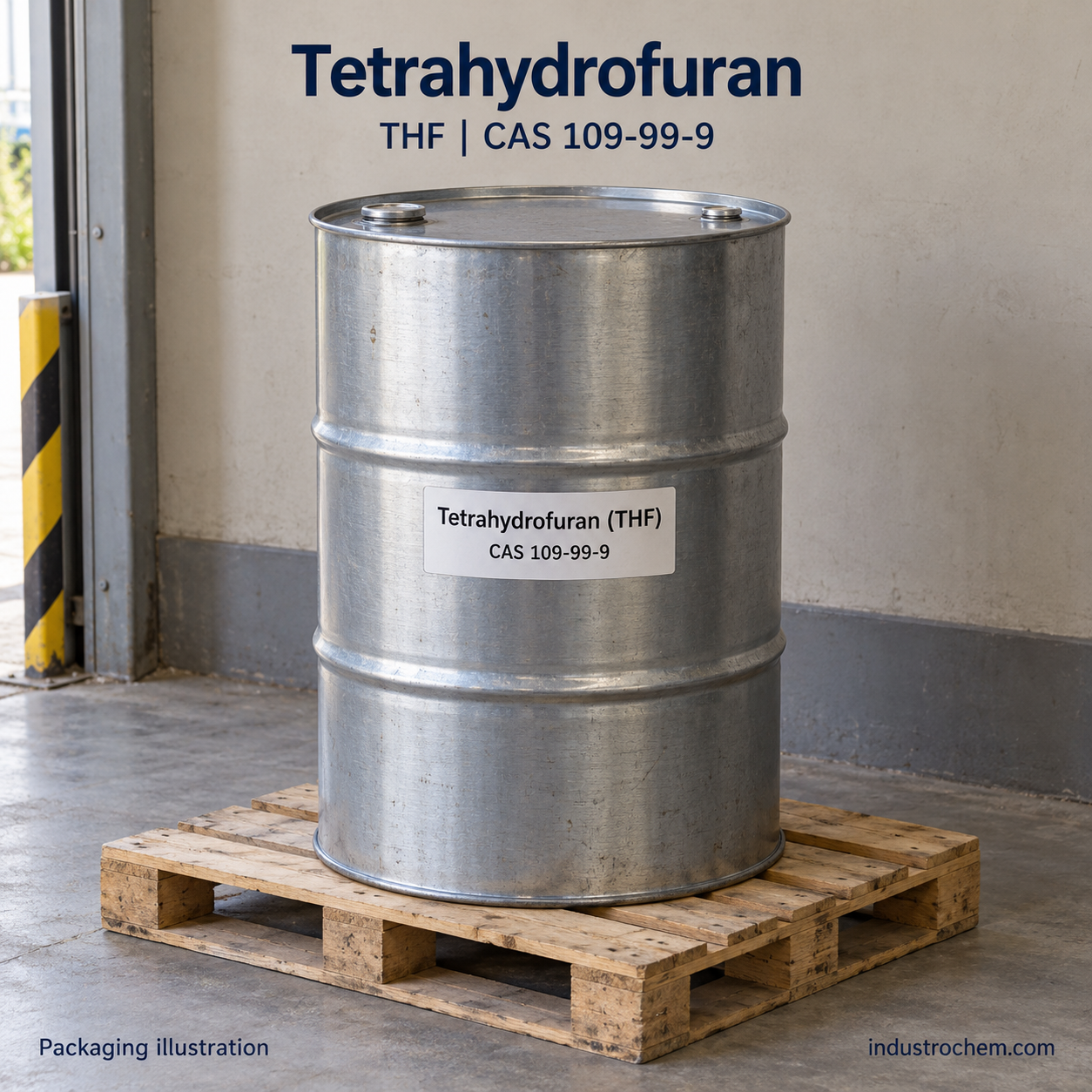
For route-based purchasing, dichloromethane (DCM) is a documented solvent for preparing this ketone, while sodium hydroxide is used in a documented conversion to azulene-1-carboxylic acid. Tetrahydrofuran (THF) is a solvent in a published downstream reaction of this ketone. Solvent water content and stabilizer status need to suit the selected route.

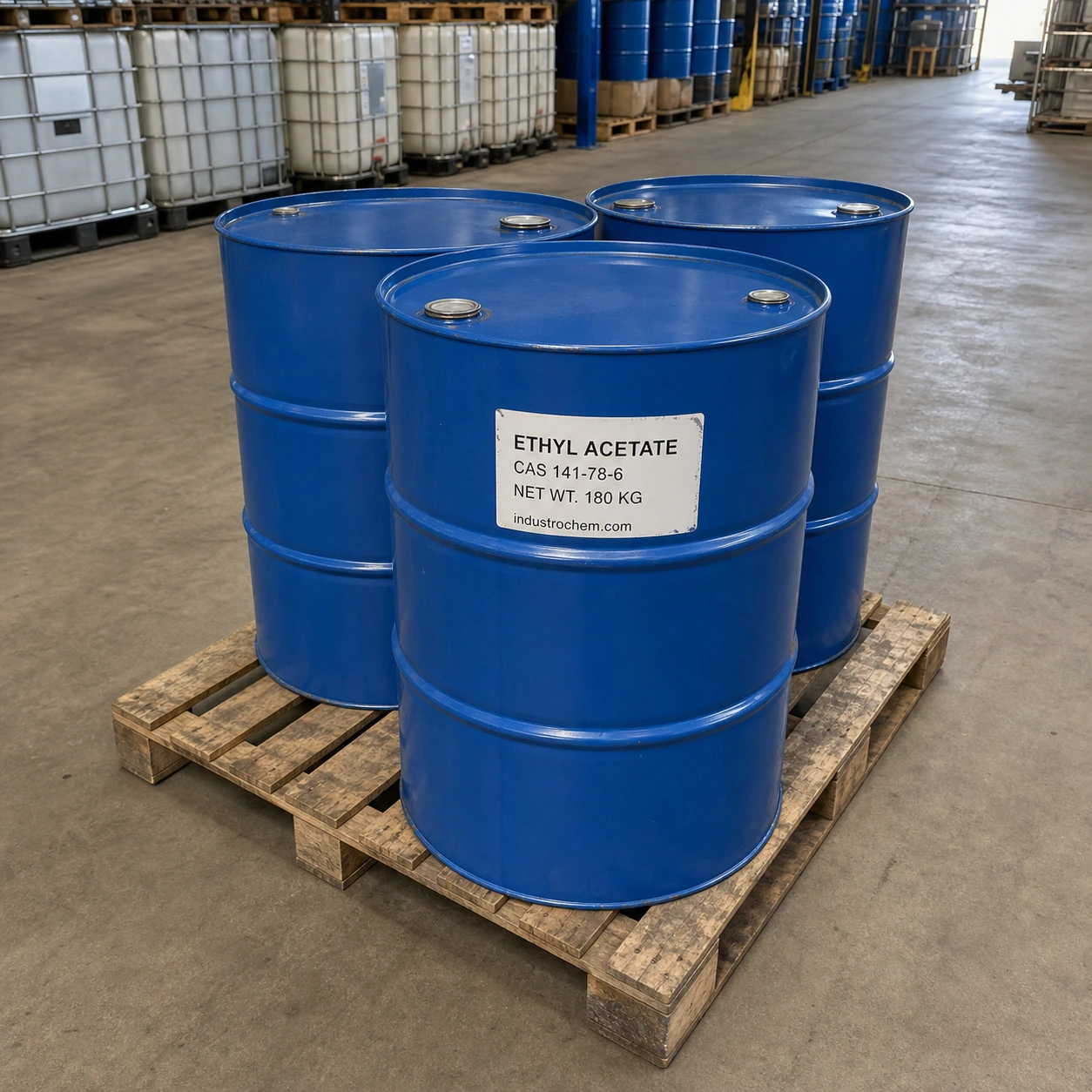
Ethyl acetate is used in the subsequent chromatographic purification of azulene derivatives in that downstream route. This is a separation-solvent relationship; an industrial solvent specification does not establish suitability for analytical or preparative HPLC. The required solvent grade and method conditions should be included in the quotation request.

Analytical specification and documents

¹H/¹³C NMR and IR are documented methods for characterizing this compound. Spectral identity data, chromatograms and analytical method information can be provided for specification review. The COA should identify the assay method and reporting basis: chromatographic peak-area percentage alone is not equivalent to mass-fraction purity.

Storage, packaging and quotation

Send the product name or CAS number, required quantity and destination for a quotation; include target assay or impurity limits when these affect the project. Pack size, container and delivery conditions are included in the offer. Product-specific storage, handling and transport instructions are provided in the TDS and SDS.

FAQ - Technical & Supply Chain

  • Q:

    Does the name 1-(Trifluoroacetyl)azulene refer to any trifluoroacetylated azulene?

    A: No. CAS 1534-68-5 identifies the compound with the trifluoroacetyl group at position 1 of the azulene skeleton. Other positional isomers or additional ring substituents give different compounds. The full name and structure, together with NMR or other suitable identity data, distinguish the required material.
  • Q:

    Which analytical information is useful when ordering 1-(Trifluoroacetyl)azulene?

    A: NMR and IR support structural identity; an agreed assay method and impurity limits define the analytical specification. COA, TDS, SDS, identity spectra and relevant chromatographic reports can be provided. A reported chromatographic area percentage should be identified as such, rather than presented as a mass-fraction purity result.

Ordering & Documentation

Key information for document requests, quotations, and supply planning.

Documents

Tell us which documents your procurement team needs. Before an order, we will check whether the quoted source can provide them for the offered lot.

Quotation

Send the CAS number, grade, quantity, packing preference and destination.

Sample & Supply

Ask whether samples, trial quantities or repeat orders are possible. We will check each request against the sourced product and current offer.

Storage & Shipping

Product-specific conditions are confirmed before order.

Contact Form

Use our contact form to send us your questions, suggestions or comments. We will respond as soon as possible.
For a quotation, please include the product name or CAS number, quantity, grade or application, and destination country or port. Tell us if you need a sample, COA, TDS or SDS.