










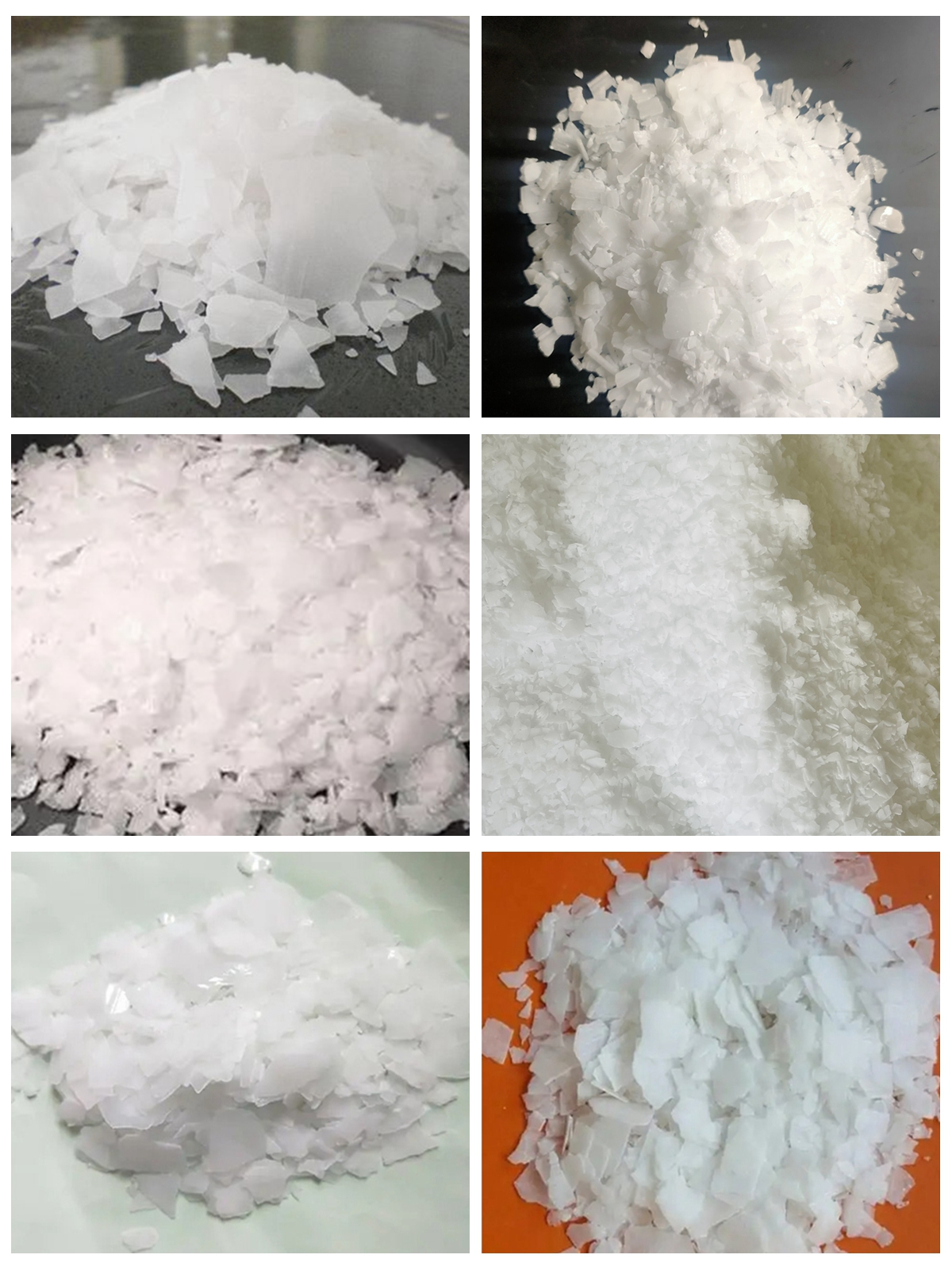
Caustic Soda, CAS 1310-73-2, is also known as sodium hydroxide or lye. It is a strong alkaline inorganic compound that dissociates completely in aqueous systems, enabling neutralization, pH adjustment and alkaline reaction control, mainly in water-treatment pH adjustment and downstream processing. Confirm the required specification, packaging and documentation before ordering.
Caustic Soda CAS 1310-73-2
- CAS: 1310-73-2
- Synonyms: Caustic Soda, Sodium Hydroxide, Lye, Caustic Alkali
- Einecs: 215-185-5
- Molecular Formula: NaOH
- Grade: Confirm current product specification
- Package: Confirm packaging for the offered form
Product Description
Density: 2.130 g/cm³
Melting point: 318.4 °C (591 K)
Boiling point: 1390 °C (1663 K)
Vapor pressure: 24.5 mmHg (25 °C)
Saturated vapor pressure: 0.13 kPa (739 °C)
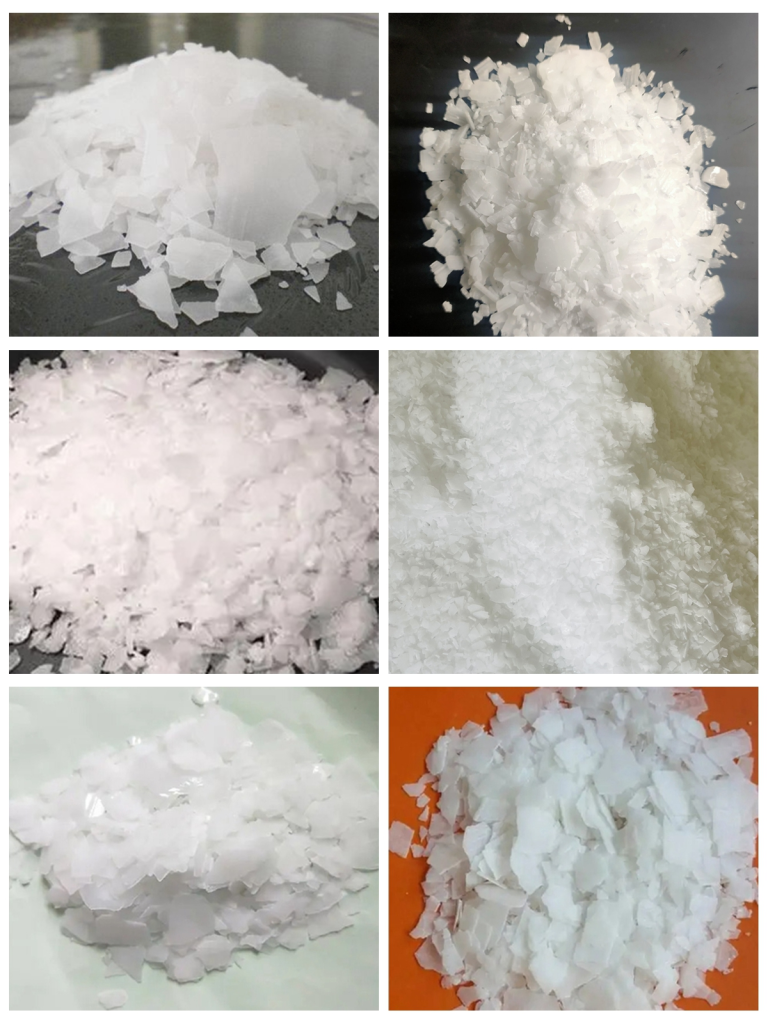
Appearance: White crystalline powder
Solubility: readily soluble in water, ethanol and glycerin; insoluble in acetone and ether
Chemical properties: Sodium hydroxide is corrosive to fibers, skin, glass and ceramics, and releases heat when dissolved or diluted in concentrated solutions. Neutralization with inorganic acids also releases a large amount of heat and forms the corresponding salts. It reacts with aluminum, zinc, boron and silicon to release hydrogen, and undergoes disproportionation with halogens such as chlorine, bromine and iodine. It precipitates many metal ions from aqueous solution as their hydroxides, and saponifies fats and oils into glycerol and the sodium salts of the corresponding fatty acids, which is the principle behind grease removal from fabrics.
Uses:
It is widely used in papermaking, synthetic detergents and soaps, viscose, rayon and cotton-fabric processing and other light textile industries, pesticides, dyes, rubber and the chemical industry, petroleum drilling, petroleum and tar refining, defense, machinery, wood processing, metallurgy, pharmaceuticals and municipal construction. It is also used in the manufacture of chemicals, paper, soap and detergents, rayon and cellophane, in processing bauxite into alumina, and in textile mercerization and water treatment.
FAQ - Technical & Supply Chain
-
Q:
Are Caustic Soda flakes, pearls and liquid solution directly equivalent offers?
A: They contain the same sodium hydroxide substance, but the delivered concentration, handling equipment and freight basis differ. Compare solid flakes or pearls on dry NaOH assay, and liquid offers on actual NaOH concentration, water content and delivered temperature. -
Q:
What is Caustic Soda used for?
A: It is used in papermaking, soaps and detergents, textiles, water treatment, chemical neutralization, alumina processing, cleaning and many industrial syntheses. The required form and assay depend on the process. -
Q:
Which impurity limits should be compared for Caustic Soda?
A: Check NaOH assay and test method, sodium carbonate, sodium chloride and iron. Add mercury, nickel or other metals when required by the process or destination standard. -
Q:
Why is packing integrity important for solid Caustic Soda?
A: Caustic Soda is hygroscopic and absorbs carbon dioxide from air, which can increase moisture and carbonate while reducing effective NaOH content. Use sealed moisture-resistant packaging and protect the material from humid or acidic environments. -
Q:
What physical and chemical properties should be expected for Caustic Soda?
A: Caustic Soda is a white hygroscopic solid, usually supplied as flakes, pearls or pellets, with density about 2.13 g/cm3, melting point around 318-323 C and boiling point around 1390 C. It dissolves readily in water with strong heat release and forms a highly alkaline, corrosive solution.
Ordering & Documentation
Key information for document requests, quotations, and supply planning.
Documents
Tell us which documents your procurement team needs. Before an order, we will check whether the quoted source can provide them for the offered lot.
Quotation
Send the CAS number, grade, quantity, packing preference and destination.
Sample & Supply
Ask whether samples, trial quantities or repeat orders are possible. We will check each request against the sourced product and current offer.
Storage & Shipping
Product-specific conditions are confirmed before order.