


Tetrahydrofuran (THF), CAS 109-99-9, is a water-miscible cyclic ether solvent for organic synthesis and polymer processing, and a monomer for PTMEG/PTMG. Stabilizer status and water content are separate selection criteria: anhydrous THF is not necessarily inhibitor-free.
Tetrahydrofuran (THF) CAS 109-99-9
- CAS: 109-99-9
- Synonyms: Tetrahydrofuran; THF; Oxolane; Tetramethylene oxide
- Einecs: 203-726-8
- Molecular Formula: C₄H₈O
- Grade: Industrial solvent; water limit and stabilizer status specified with quotation.
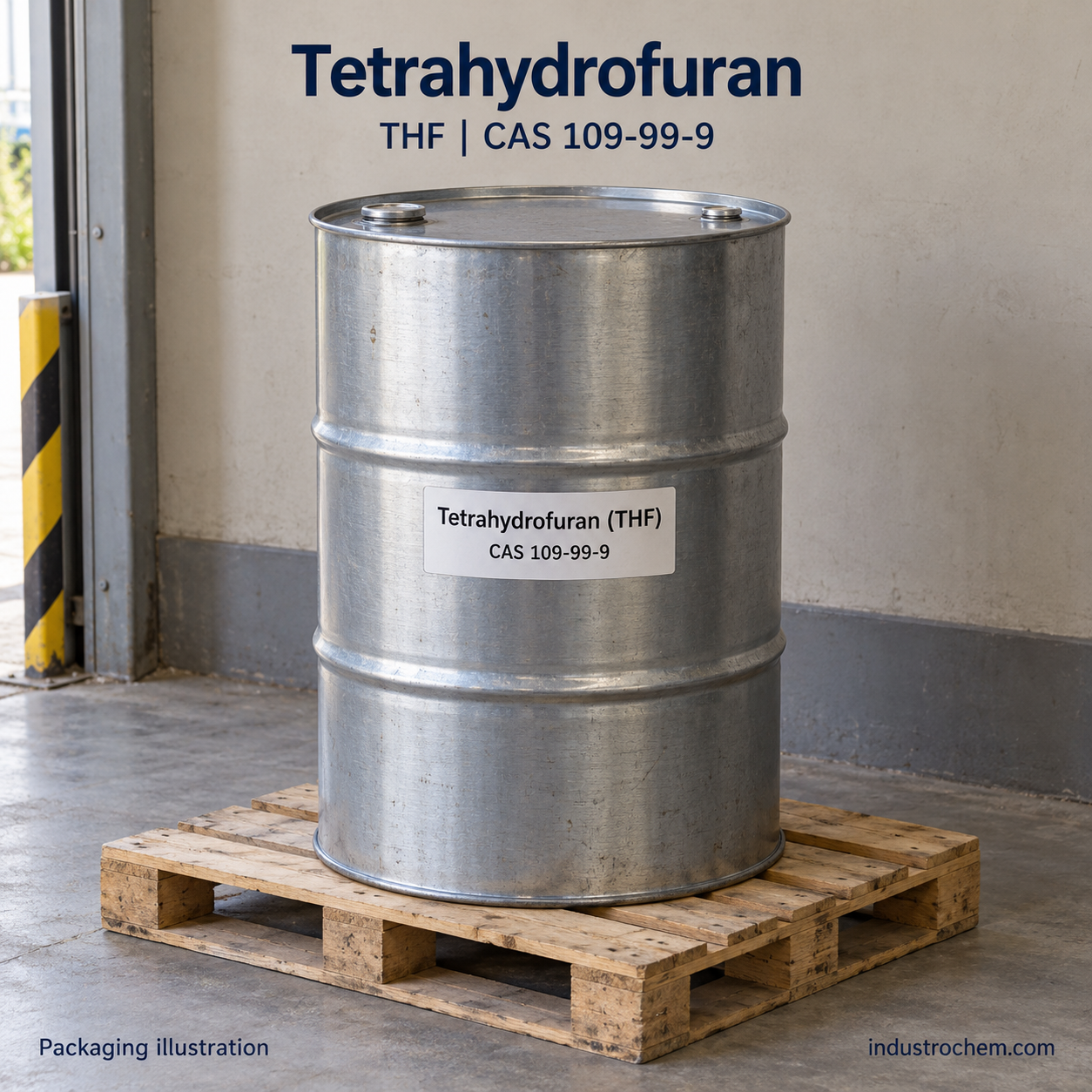
- Package: Drums or bulk shipment, as agreed for the order.
Product Description
Tetrahydrofuran (THF)
Aliases: tetrahydrofuran; THF; oxolane; tetramethylene oxide; 1,4-epoxybutane
CAS: 109-99-9
Molecular Weight: 72.11 g/mol
Molecular Formula: C₄H₈O
The following are reference properties of neat THF; contractual limits are stated with the quotation and COA.
Properties: Clear, colorless liquid with an ether-like odor.
Freezing point: -108°C
Relative density: approximately 0.89 (20/20°C, water = 1).
Refractive index nD20: approximately 1.407 (20°C, sodium D-line).
Solubility: completely miscible with water; miscible with alcohols.
Boiling point: 66 °C
THF serves as a solvent in organic synthesis and polymer processing. It is also polymerized to PTMEG/PTMG, an intermediate for spandex fibers and polyurethane elastomers. Water limits and stabilizer content should match the reaction or polymer process.
THF is highly flammable and can form peroxides during storage. Handling, storage and transport follow the SDS for the supplied grade.
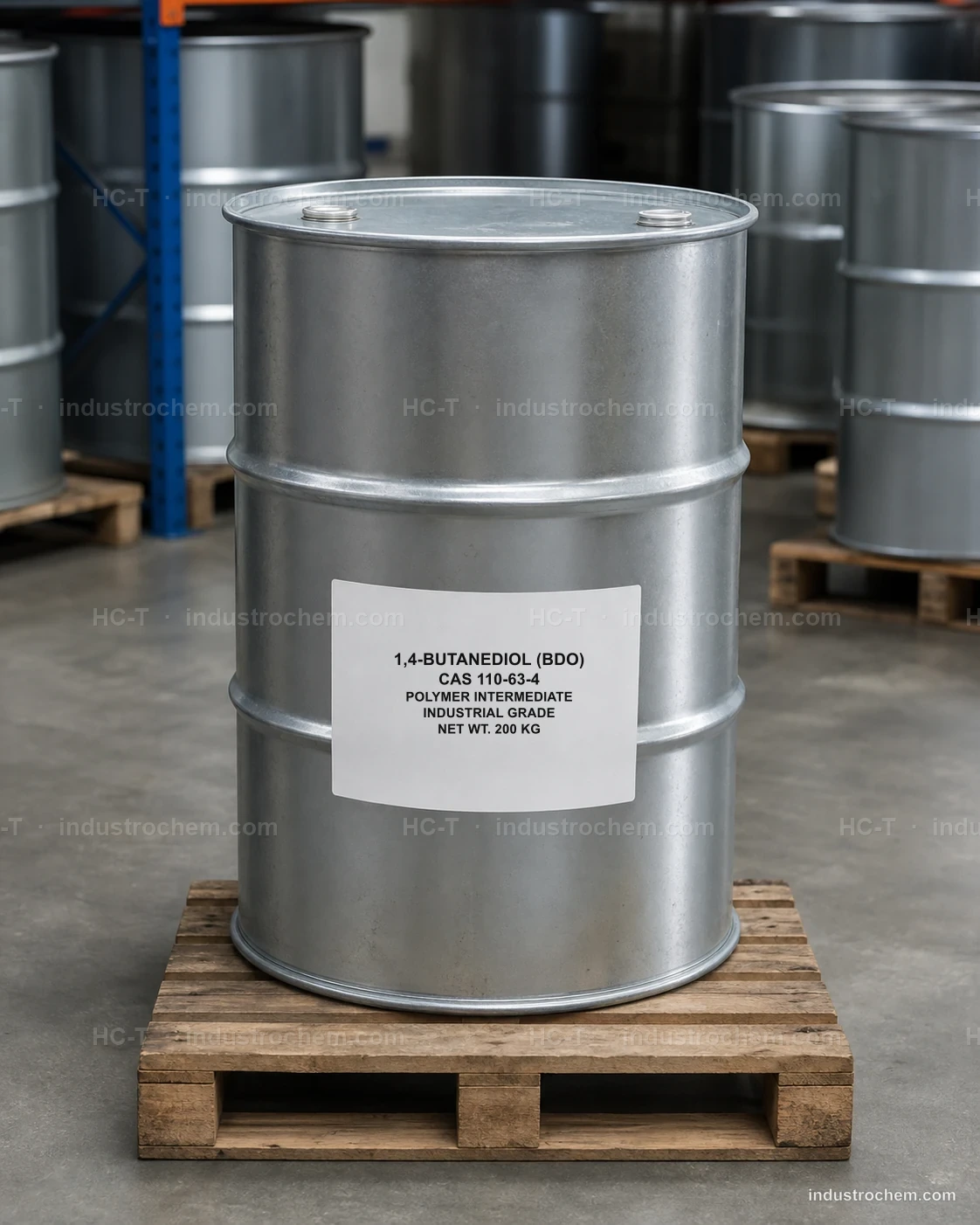
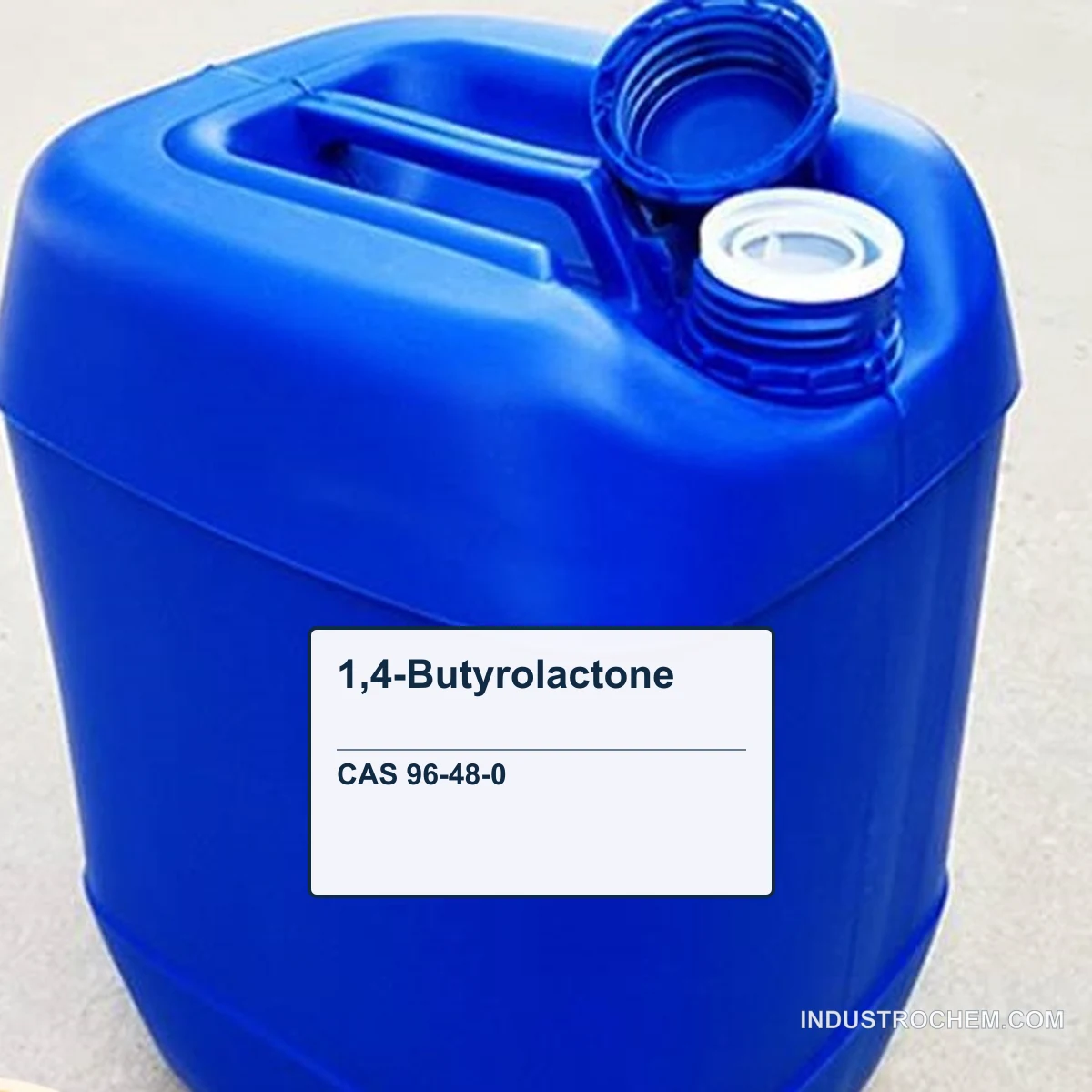
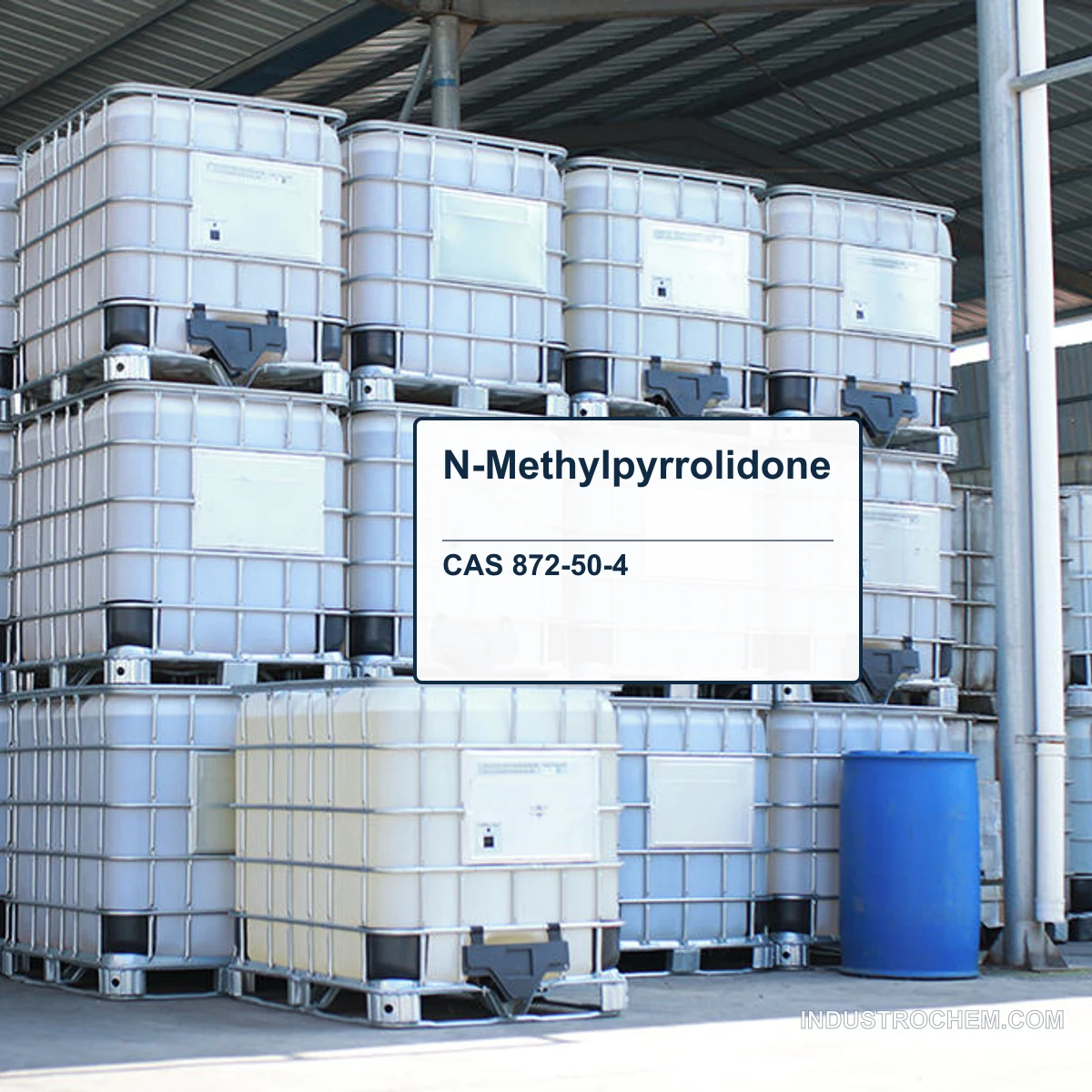
THF can be produced from 1,4-Butanediol (BDO). Gamma-Butyrolactone (GBL) and N-Methyl-2-pyrrolidone (NMP) belong to the same BDO derivatives chain. Their process roles differ from those of THF.
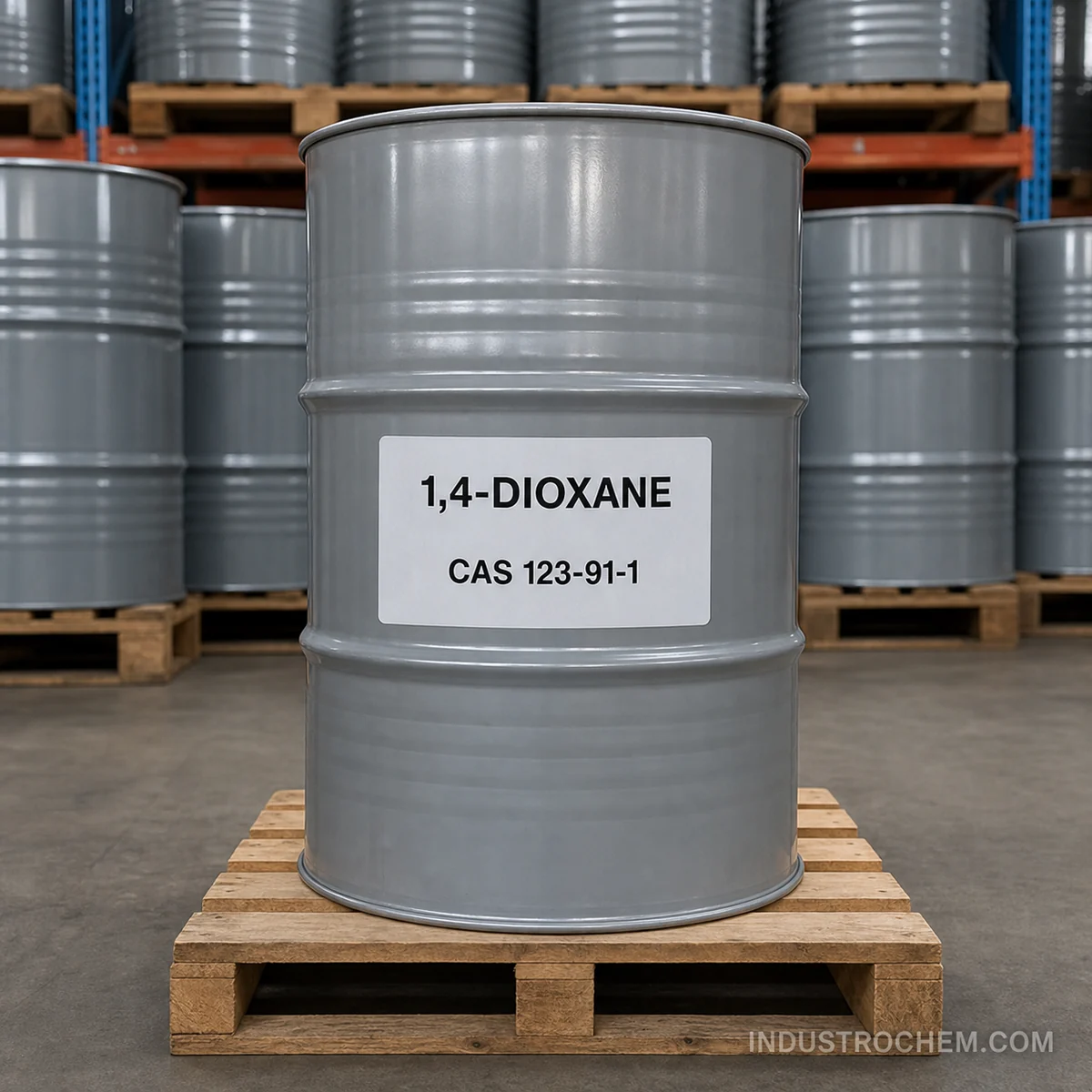
For cyclic ether solvent comparison, 1,4-Dioxane has a normal boiling point of about 101°C, versus about 66°C for THF. The higher boiling point changes solvent removal conditions; process compatibility and hazards require separate assessment.
FAQ - Technical & Supply Chain
-
Q:
How do BHT-stabilized and inhibitor-free THF differ?
A: BHT is added to slow peroxide formation during storage. Inhibitor-free THF is selected when the process cannot tolerate the additive; it requires the handling and storage controls stated in its SDS. Water content is a separate specification: anhydrous THF may still contain BHT. Include the required stabilizer status and water limit in your inquiry. -
Q:
Which quality data and documents are available for THF?
A: COA, TDS and SDS can be provided for the quoted grade. Useful quality data include GC assay, water by Karl Fischer, peroxide level and stabilizer identity/content. GC purity alone does not establish water or peroxide compliance. Include any limits on color, acidity, evaporation residue or UV absorbance that matter to your process. -
Q:
What information is needed for a bulk THF quotation?
A: Send the quantity, application, required water limit, stabilizer status and delivery destination. Include your preferred drum or bulk format so packaging and transport can be matched to the order. THF is highly flammable and peroxide-forming; the SDS for the supplied grade and suitable receiving arrangements should be agreed before dispatch.
Ordering & Documentation
Key information for document requests, quotations, and supply planning.
Documents
Tell us which documents your procurement team needs. Before an order, we will check whether the quoted source can provide them for the offered lot.
Quotation
Send the CAS number, grade, quantity, packing preference and destination.
Sample & Supply
Ask whether samples, trial quantities or repeat orders are possible. We will check each request against the sourced product and current offer.
Storage & Shipping
Product-specific conditions are confirmed before order.