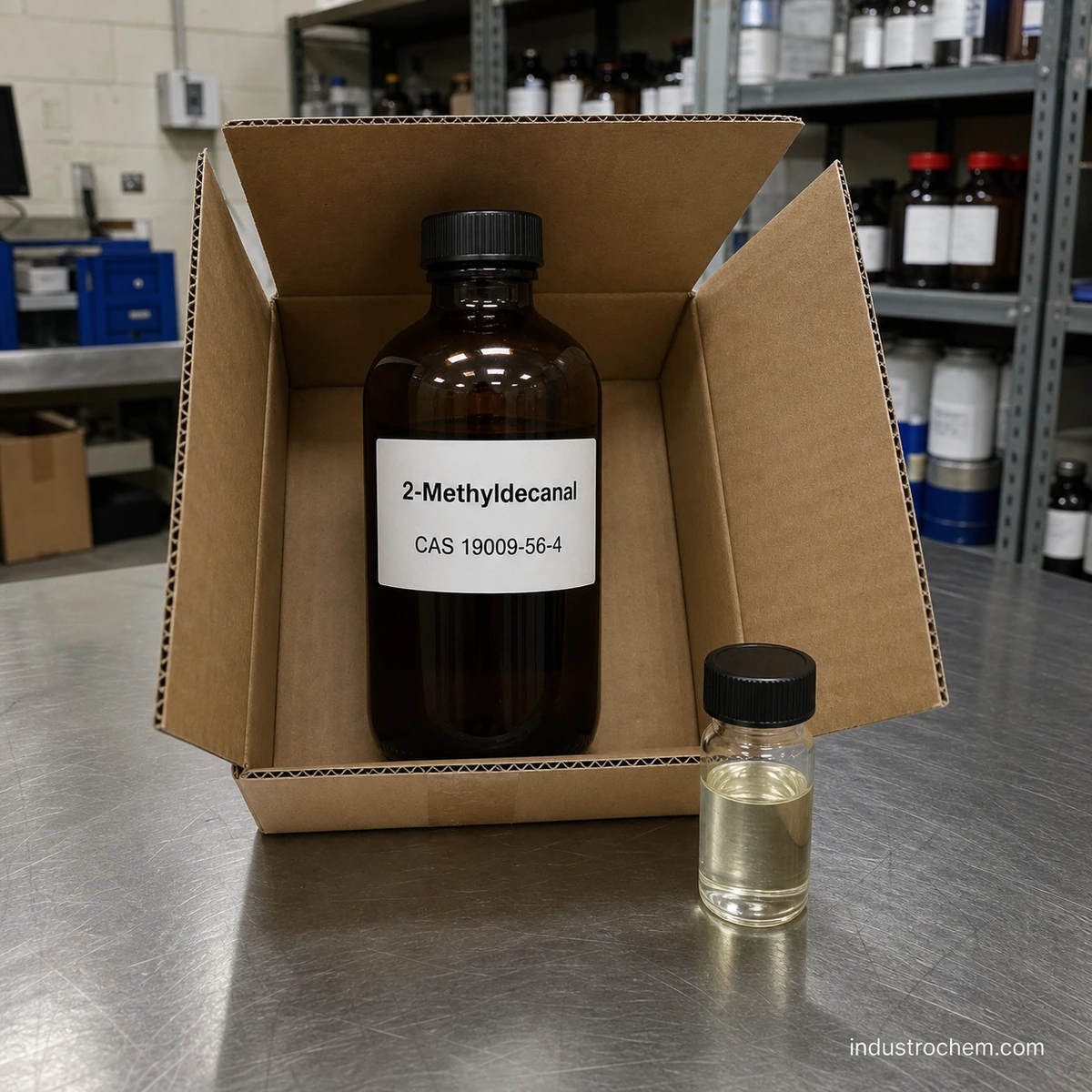
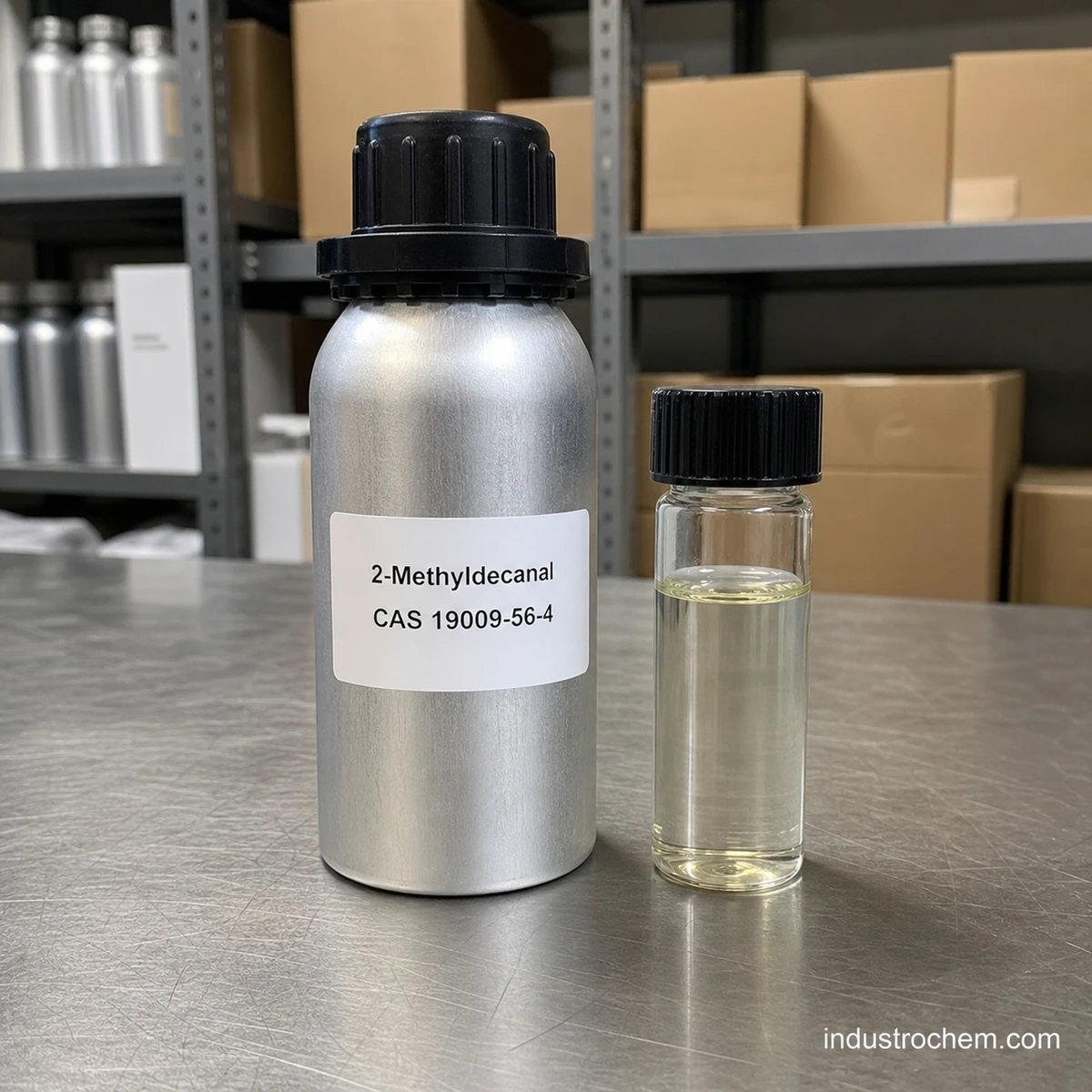
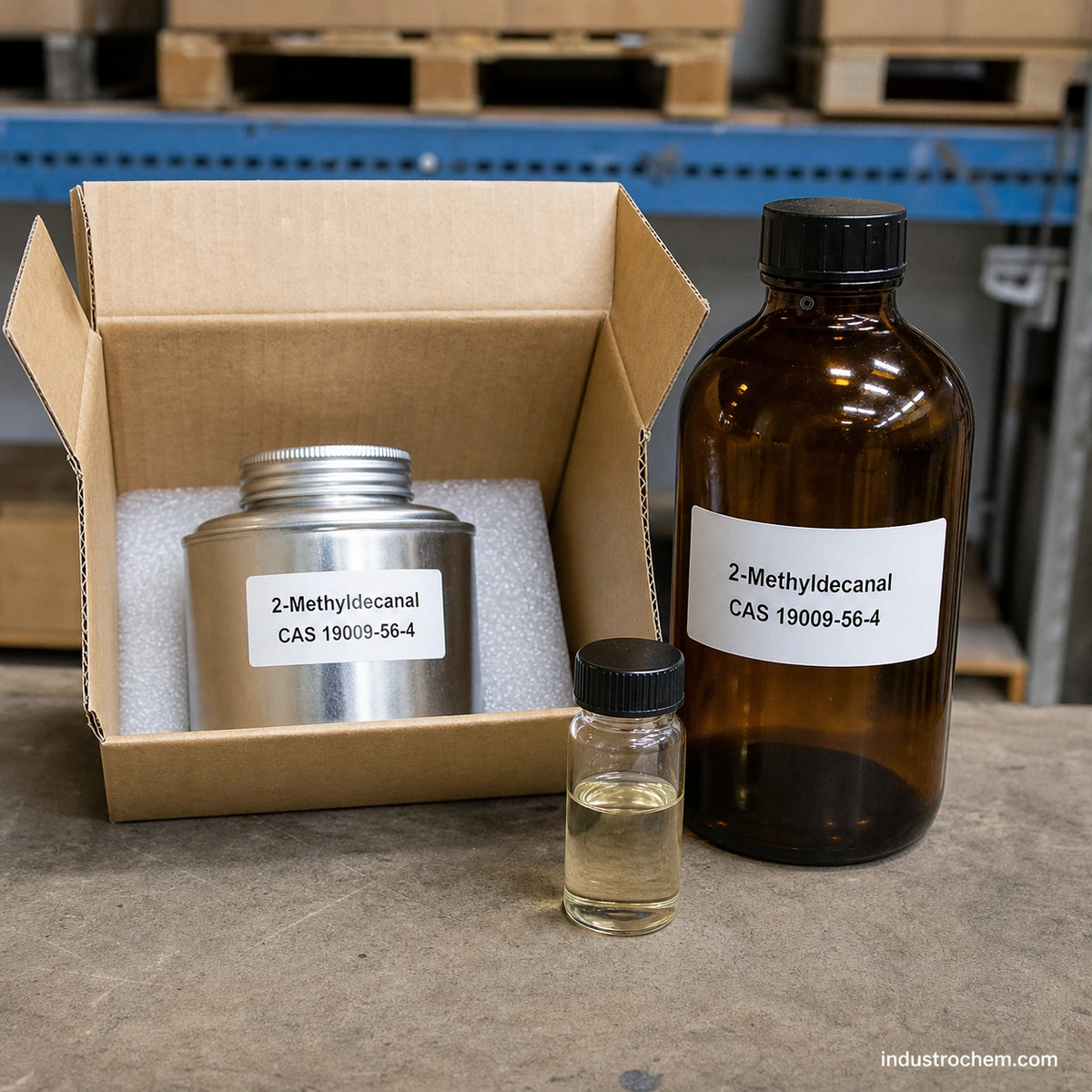
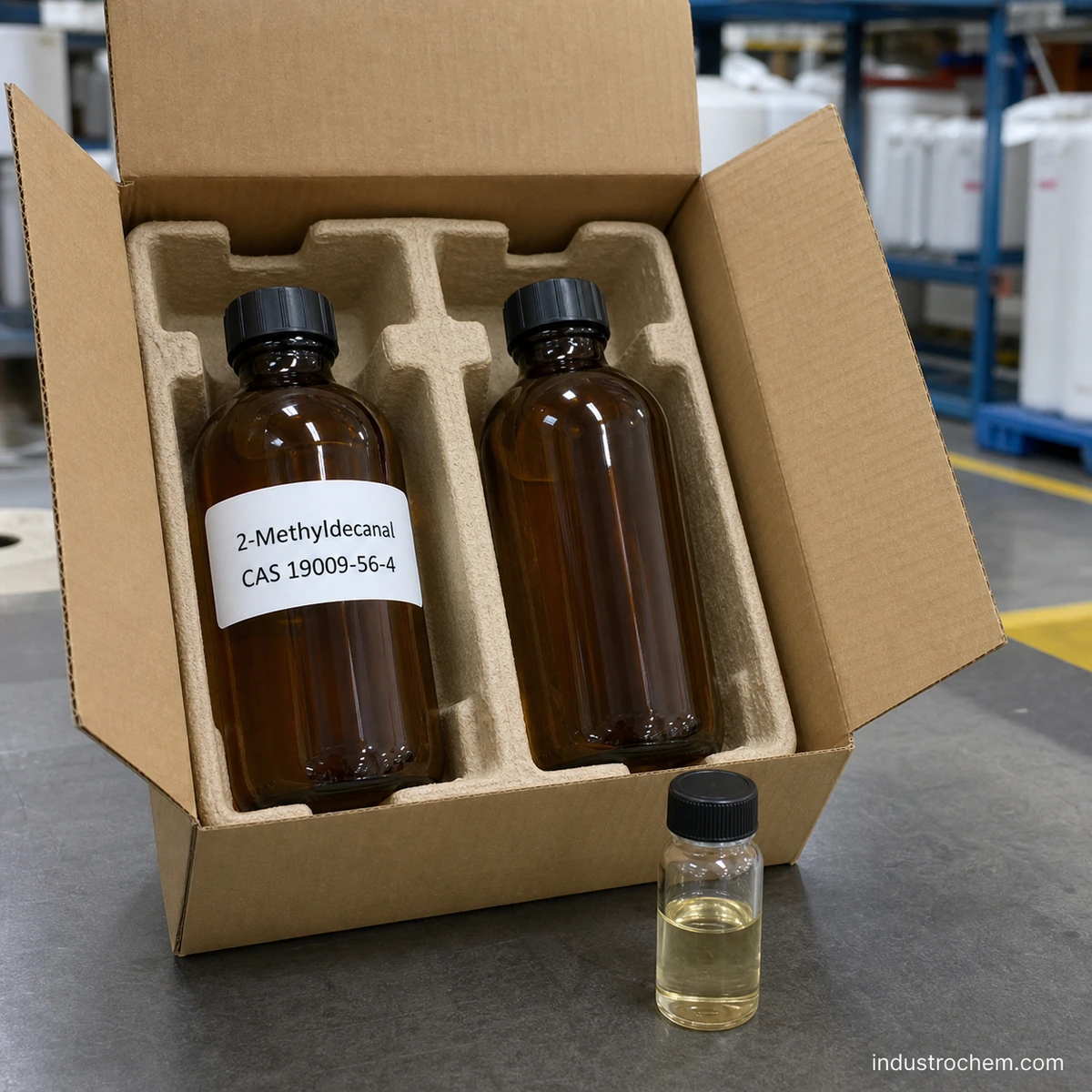
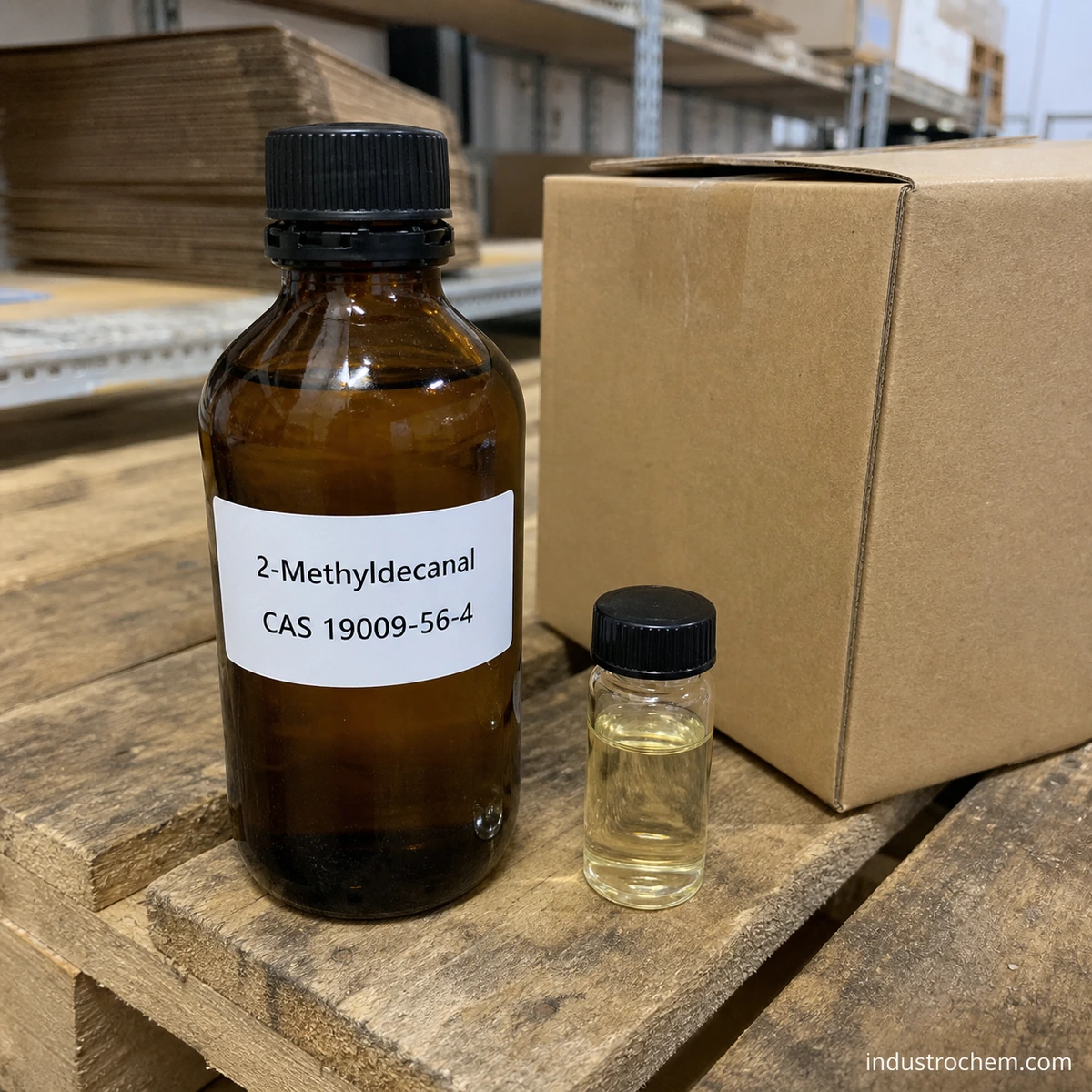
2-Methyldecanal, identified by CAS 19009-56-4, is a potent branched aldehyde widely utilized as a key raw material in the flavor and fragrance industry. Known for its intense aldehydic, waxy, and citrus-like odor profile with subtle amber undertones, it serves as a powerful modifier in perfume formulations. Structurally, the presence of the alpha-methyl group renders 2-Methyldecanal significantly more stable against oxidation and alkali degradation compared to its straight-chain counterpart (Decanal or Aldehyde C-10). This enhanced stability makes it an ideal choice for functional perfumery, particularly in high-pH environments like soaps, laundry detergents, and fabric softeners. We offer Fragrance Grade purity with low acid values, supplied in aluminum bottles or epoxy-lined drums, accompanied by full regulatory documentation including IFRA statements, MSDS, and COA.
2-Methyldecanal CAS 19009-56-4 Fragrance Ingredient
- CAS: 19009-56-4
- Synonyms: alpha-Methyldecanal, 2-Methyl Capraldehyde, Methyl Decyl Acetaldehyde (Note: naming convention variation), Branched C11 Aldehyde, 2-Methyl-1-decanal.
- Einecs: 242-745-6
- Molecular Formula: C₁₁H₂₂O
- Grade: Industrial grade 99%
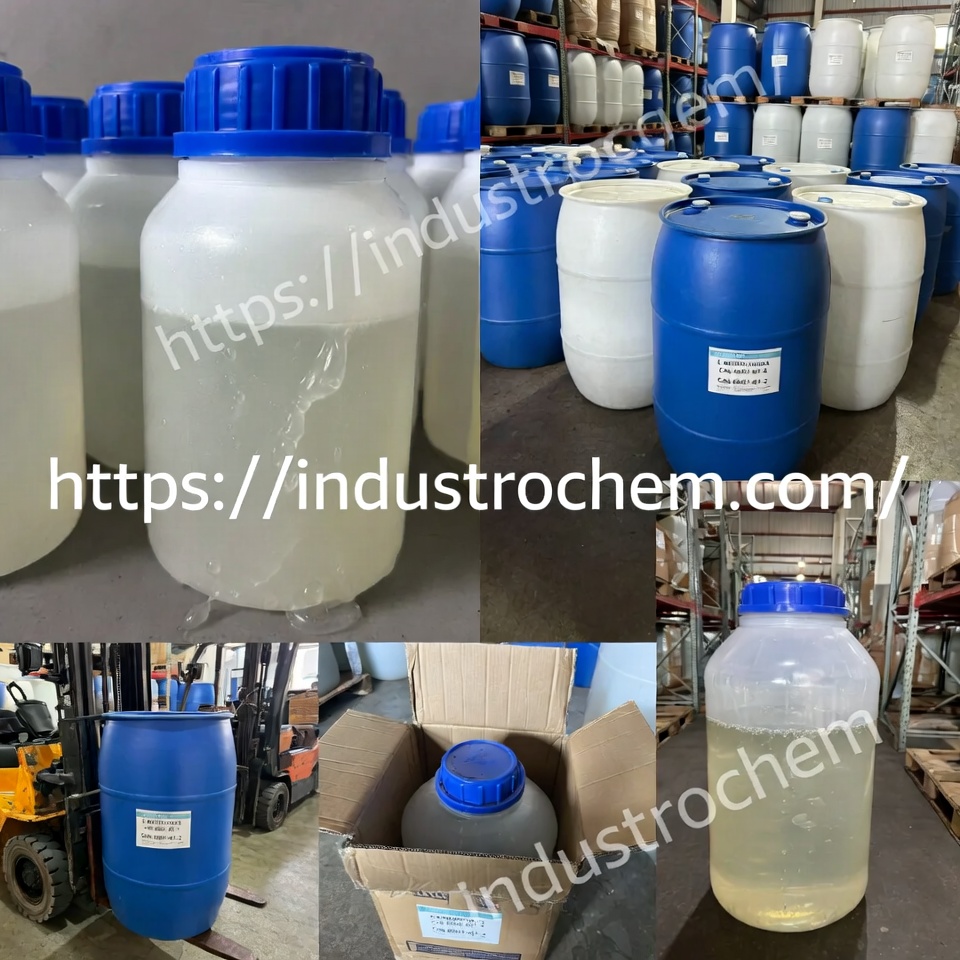
- Package: 200kg iron drum or 50kg plastic drum packaging
Product Description
Physicochemical properties
| Property | Value |
|---|---|
| Molecular Formula | C₁₁H₂₂O |
| Molecular Weight | 170.29 g/mol |
| CAS Number | 19009-56-4 |
| Appearance | Colorless liquid |
| Density | 0.819 g/cm³ |
| Boiling Point | 222.5°C at 760 mmHg |
| Melting Point | Not widely reported (estimate: -2°C) |
| Refractive Index | 1.425 |
| Vapor Pressure | 0.102 mmHg at 25°C |
| Solubility | Practically insoluble in water; soluble in organic solvents (e.g., alcohol, oils) |
| Stability | Stable under normal conditions; avoid strong oxidizers, acids, or bases |
| Odor | Powerful fresh dry citrus waxy watery |
| LogP (Octanol-Water) | 4.5 at 35°C |
Application Areas
Spice industry
As a key ingredient of perfume, soap and cosmetics, it has a strong fruity aroma similar to oranges and citrus 6
It can provide fresh and lasting fragrance performance in essence formulation 7
Food additives
It is used as a flavor enhancer for food and beverage, especially for the preparation of citrus essence 6
Sweet fruit flavor characteristics can be presented at low concentrations
Industrial solvents
Due to its good solvent compatibility, it can be used in solvent systems for special formulations
Storage conditions
Environmental requirements: It should be stored in a cool and ventilated place, with an ideal temperature of -20 ℃ (protected by inert gas) or kept away from light at room temperature
Isolation measures: Separate from oxidants and avoid using equipment that is prone to sparking
Packaging sealing: The container must be strictly sealed to prevent volatilization and air contact
Safety precautions
Operation protection: It is recommended to operate in a fume hood to avoid direct contact with skin or eyes. Chemical protective gloves and goggles should be worn
Leakage treatment: If a leak occurs, it should be immediately covered with inert adsorbent material (such as diatomaceous earth) and collected to avoid entering the sewer or enclosed space
Fire fighting measures: combustible liquid with high flash point (specific data is not clear). It is recommended to use dry powder, foam or carbon dioxide extinguishers when extinguishing fire. Direct flow water jet is prohibited
FAQ - Technical & Supply Chain
-
Q:
What is the main odor characteristic of 2-Methyldecanal?
A: It possesses a powerful, diffusive "aldehydic" scent characterized by waxy, citrus (orange-peel like), and fresh metallic notes. It adds lift, radiance, and a "clean" effect to fragrance compositions. -
Q:
How does 2-Methyldecanal differ from straight-chain aldehydes like Decanal (C10)?
A: The primary difference is stability and odor nuance. The branched structure (2-methyl group) makes CAS 19009-56-4 less prone to polymerization and oxidation, meaning it performs better in aggressive bases like bleach or soap. Olfactorily, it is often described as having a more complex, amber-like character than the sharper straight-chain aldehydes. -
Q:
What are the storage requirements for this aldehyde?
A: Like all aldehydes, 2-Methyldecanal is sensitive to air. It should be stored in a cool (below 20°C), dry place in tightly sealed containers (preferably aluminum or glass) under an inert gas blanket (nitrogen) to prevent oxidation into its corresponding acid.
Documents and Product Support
For product review and sourcing evaluation, supporting documents can be coordinated according to the product type, inquiry stage, and order requirements.
- COA for batch-based quality reference
- TDS for key physical and chemical information
- SDS / MSDS for handling, storage, and safety reference
- Packing information for sample, trial, and bulk orders
- Technical communication based on application and specification requirements
Information to Confirm Before Quotation
Clear sourcing information helps reduce specification mismatch and allows a more accurate quotation before sample or bulk order discussion.
- Product name and CAS number
- Application or intended end use
- Required purity, grade, or specification
- Sample quantity, trial order, or bulk demand
- Preferred packing form or net weight
- Destination country or port
- Required documents or compliance expectations
Packaging, Storage, and Handling Notes
Packaging form, storage conditions, shelf life, and shipment arrangements should be confirmed according to the product characteristics, package size, and destination requirements.
Before order confirmation, buyers are advised to review the corresponding product documents and confirm whether any special storage, labeling, or handling requirements apply.
Sample, Bulk Order and Repeat Supply Support
Support can be arranged for sample discussion, bulk supply planning, packaging confirmation, and routine sourcing communication based on the actual product and order requirements.
For repeat-use formulations or long-term procurement plans, buyers may discuss specification consistency, packaging preferences, delivery expectations, and document coordination in advance.