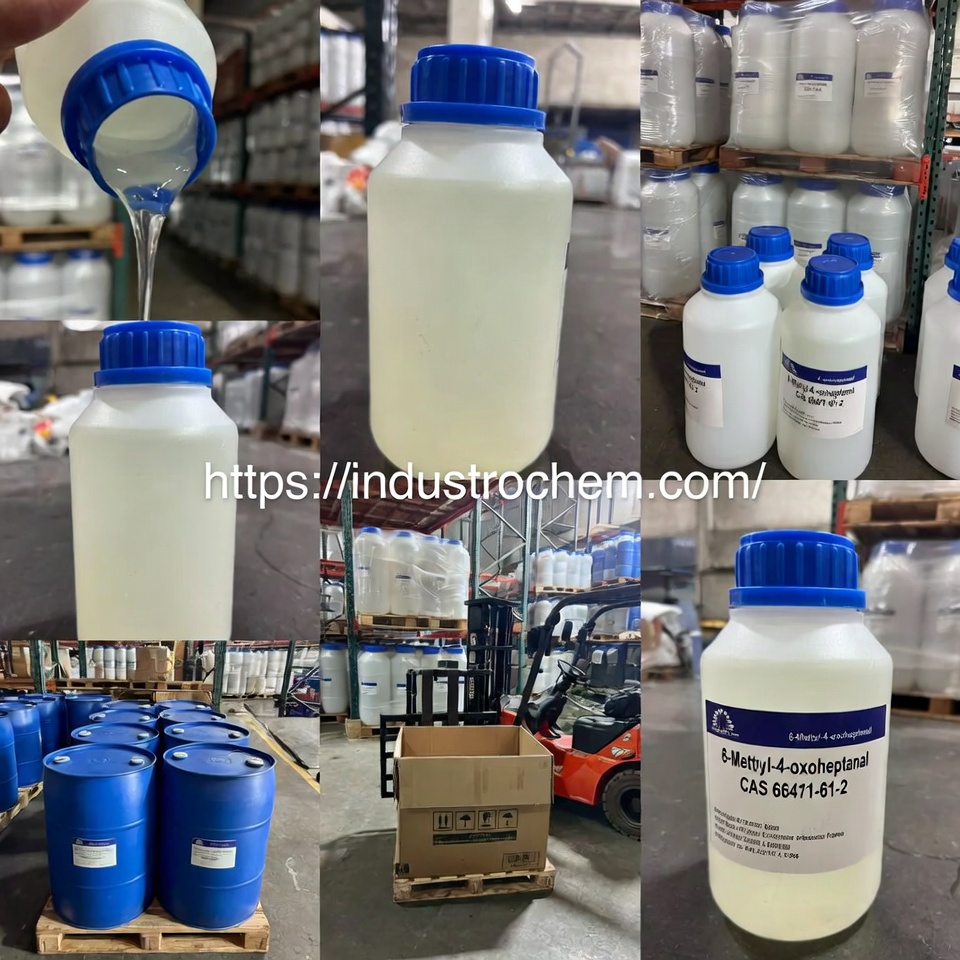
• 6-Methyl-4-oxoheptanal CAS 66471-61-2
  • 6-Methyl-4-oxoheptanal CAS 66471-61-2

6-Methyl-4-oxoheptanal CAS 66471-61-2

6-Methyl-4-oxoheptanal, identified by CAS 66471-61-2, is a specialized bifunctional organic intermediate belonging to the keto-aldehyde family. This molecule features both a reactive aldehyde group and a ketone group within a branched carbon chain, making it a highly valuable building block in complex organic synthesis. It is primarily employed in the research and production of pharmaceutical active ingredients (APIs) and the synthesis of heterocyclic compounds, such as substituted pyrroles or pyridines, via condensation reactions. Due to the reactivity of the aldehyde function, maintaining product stability is paramount. We offer high-purity grades (≥95% or ≥97%) manufactured under strict quality controls to minimize oxidation by-products. Our supply capability ranges from gram-scale R&D quantities to kilogram-scale pilot batches, shipped with comprehensive MSDS, TDS, and COA documentation.

  • CAS: 66471-61-2
  • Synonyms: 4-Oxo-6-methylheptanal, 6-Methyl-4-oxo-heptanal, Aliphatic Keto-aldehyde, C8 Ketoaldehyde Intermediate.
  • Molecular Formula: C₈H₁₄O₂
  • Grade: Industrial grade 99%
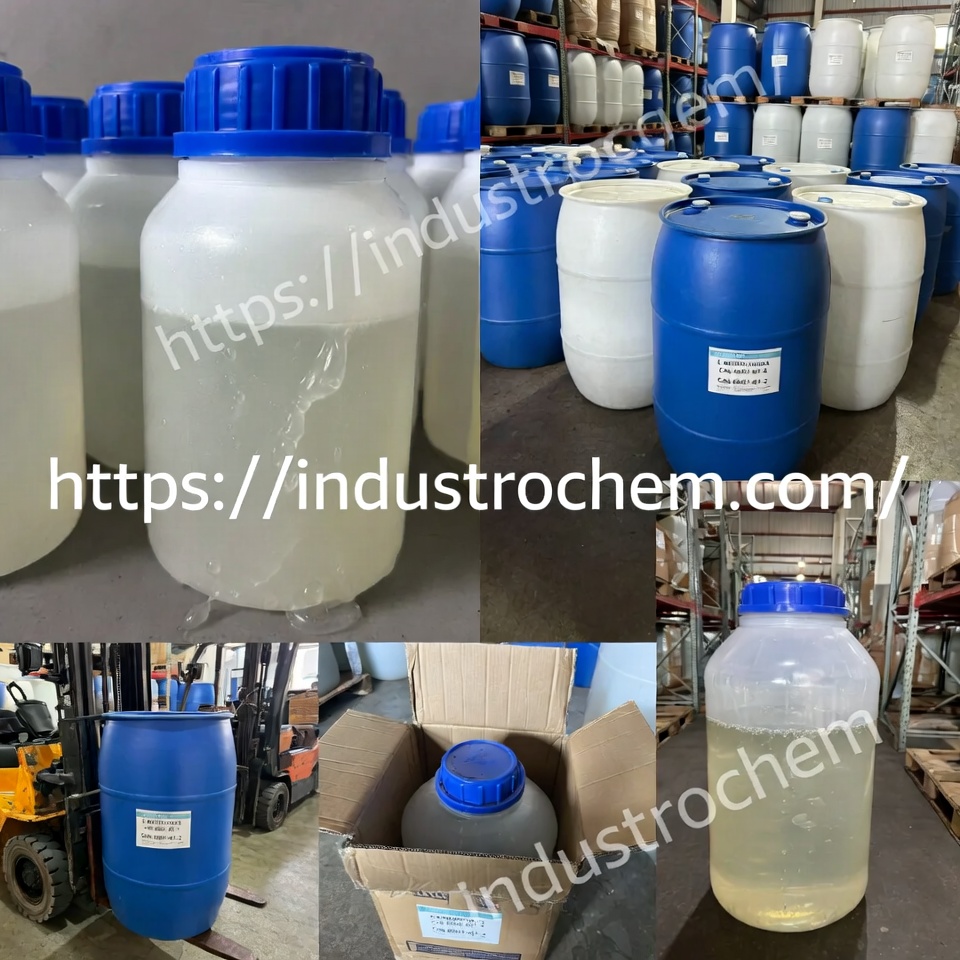
  • Package: 200kg iron drum or 50kg plastic drum packaging
Request a quote
Share:

Product Description

Physicochemical properties

PropertyValue
Molecular FormulaC₈H₁₄O₂
Molecular Weight142.19556 g/mol
CAS Number(Not widely reported)
Appearance(Not widely reported, but typically may be a liquid or crystalline solid for such compounds)
Density(Not provided)
Boiling Point(Not provided)
Solubility(Not provided, but typically may be soluble in organic solvents)
Stability(Not widely reported, but generally stable under normal conditions; avoid strong oxidizers, acids, and bases)

Application Areas

Perfume and essence: as an organic synthesis intermediate, it may be used to prepare perfume ingredients with fruity or aldehyde fragrance 1
Chemical synthesis: can serve as a key raw material for aldehyde reaction sites in the preparation of fine chemicals

Storage conditions

Environmental requirements: It should be sealed and stored in a cool and dry place, avoiding light and high temperature (similar to the general storage conditions for aldehydes)
Packaging specification: It is recommended to use sealed containers protected by inert gas to prevent oxidation and deterioration
Isolation measures: Store separately from strong oxidants, strong acids, and strong bases to avoid reaction winds

Safety precautions

Hazard Overview: Specific hazard information is not provided, but aldehyde compounds may be irritating or toxic.
Safe storage and handling: Avoid contact with oxidants, strong acids, strong alkalis, etc. Store in a cool, ventilated place.
Emergency response: In case of leakage or contact, corresponding measures should be taken immediately, such as flushing with a large amount of water, seeking medical assistance, etc.

FAQ - Technical & Supply Chain

  • Q:

    What makes 6-Methyl-4-oxoheptanal valuable in organic synthesis?

    A: Its dual functionality (containing both an aldehyde and a ketone group) allows for versatile chemical reactions. It is particularly useful in cyclization reactions (like the Paal-Knorr synthesis) to form heterocyclic rings, which are core structures in many pharmaceuticals and agrochemicals.
  • Q:

    How should CAS 66471-61-2 be stored?

    A: As an aldehyde, it is sensitive to oxidation upon exposure to air. It should be stored in tightly sealed containers, preferably under an inert atmosphere (such as nitrogen or argon), and kept in a cool, dry place (refrigerated storage is often recommended) to maintain purity and prevent acid formation.
  • Q:

    Is this product available in bulk tankers?

    A: typically, 6-Methyl-4-oxoheptanal is a fine chemical intermediate used in smaller quantities compared to commodity solvents. We generally supply it in high-density polyethylene (HDPE) bottles, aluminum bottles, or small drums for pilot production, rather than bulk tankers.
Documents

Documents and Product Support

For product review and sourcing evaluation, supporting documents can be coordinated according to the product type, inquiry stage, and order requirements.

  • COA for batch-based quality reference
  • TDS for key physical and chemical information
  • SDS / MSDS for handling, storage, and safety reference
  • Packing information for sample, trial, and bulk orders
  • Technical communication based on application and specification requirements
Quotation

Information to Confirm Before Quotation

Clear sourcing information helps reduce specification mismatch and allows a more accurate quotation before sample or bulk order discussion.

  • Product name and CAS number
  • Application or intended end use
  • Required purity, grade, or specification
  • Sample quantity, trial order, or bulk demand
  • Preferred packing form or net weight
  • Destination country or port
  • Required documents or compliance expectations
Storage & Handling

Packaging, Storage, and Handling Notes

Packaging form, storage conditions, shelf life, and shipment arrangements should be confirmed according to the product characteristics, package size, and destination requirements.

Before order confirmation, buyers are advised to review the corresponding product documents and confirm whether any special storage, labeling, or handling requirements apply.

Supply Support

Sample, Bulk Order and Repeat Supply Support

Support can be arranged for sample discussion, bulk supply planning, packaging confirmation, and routine sourcing communication based on the actual product and order requirements.

For repeat-use formulations or long-term procurement plans, buyers may discuss specification consistency, packaging preferences, delivery expectations, and document coordination in advance.

Contact Form

Use our contact form to send us your questions, suggestions or comments. We will respond as soon as possible.