









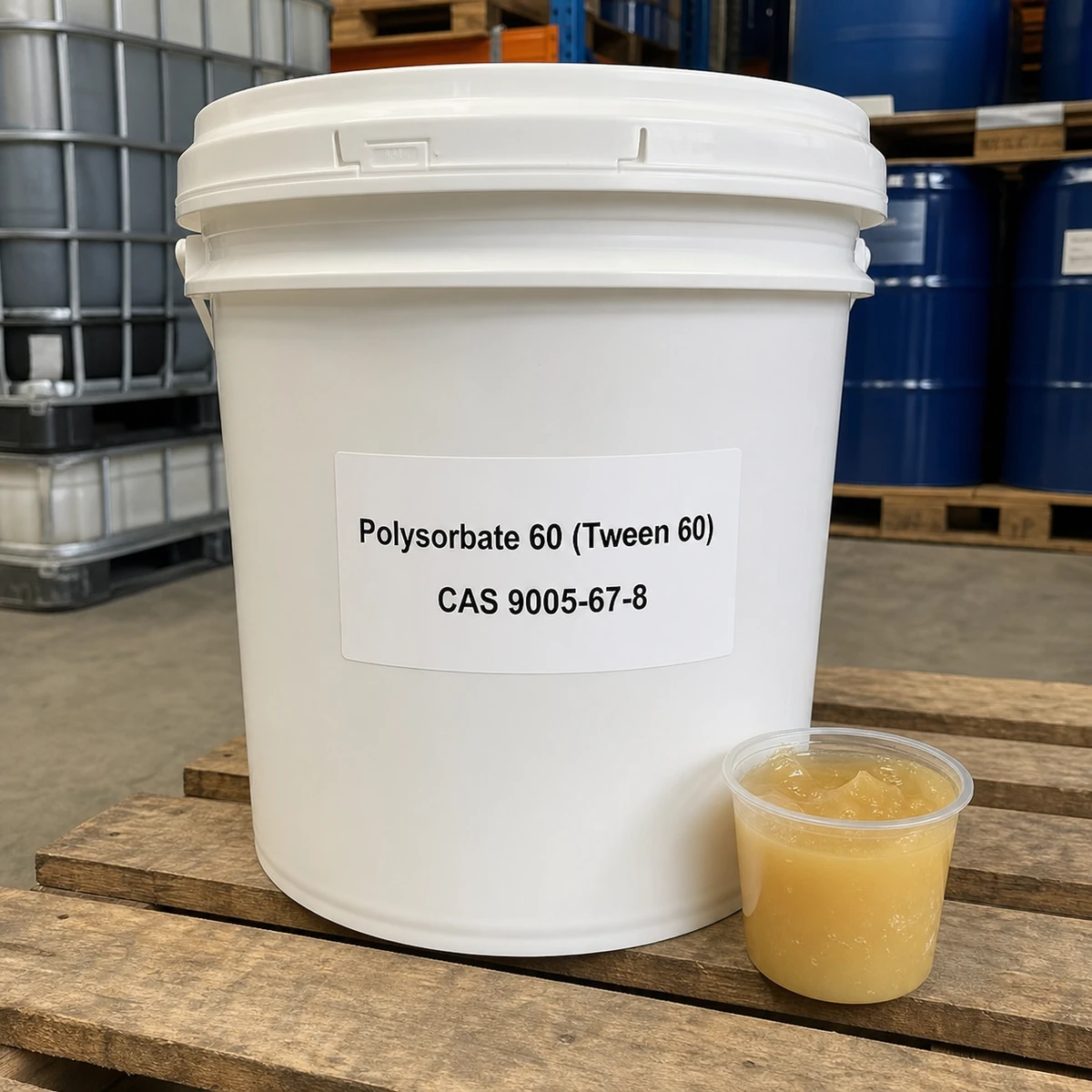
Polysorbate 60 , also called Tween 60 or polyoxyethylene sorbitan monostearate , is a nonionic surfactant identified by CAS No. 9005-67-8 . It is a composition distribution rather than a silicone-polyether defoamer or one pure molecule. The material is evaluated mainly as an emulsifier, dispersing aid and solubilizing component. Sorbitan Monostearate (Span 60) is the related non-ethoxylated stearate option for more lipophilic emulsifier selection. Buyers should qualify the offered grade through its composition, analytical specification, application trial, COA, TDS and SDS.
Polysorbate 60 (Tween 60) CAS 9005-67-8
- CAS: 9005-67-8
- Synonyms: Polysorbate 60, Tween 60, Polyoxyethylene Sorbitan Monostearate, PEG-20 Sorbitan Stearate, POE(20) Sorbitan Monostearate
- Einecs: 500-020-4
- Molecular Formula: Variable polyoxyethylene sorbitan stearate composition
- Grade: Confirm the commercial grade code, composition or active matter, key analytical values, physical form and intended-use documents against the current TDS and COA.
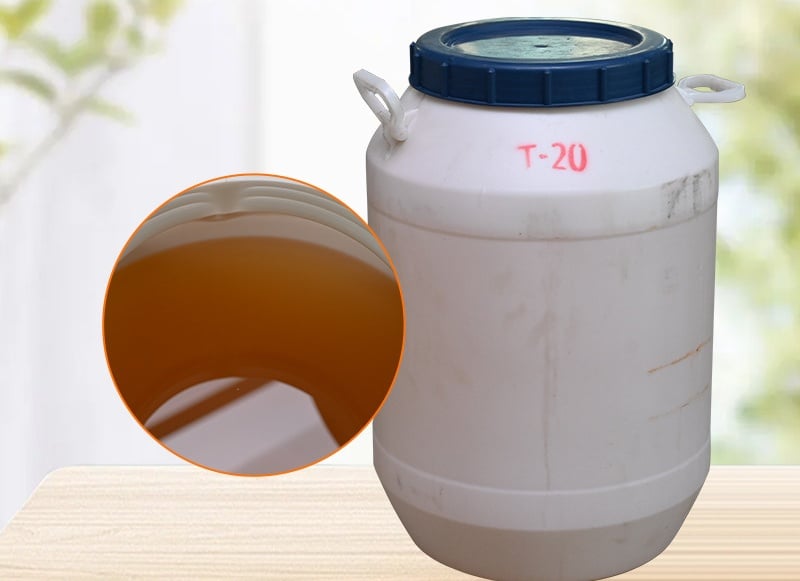
- Package: State required quantity, physical form and destination; confirm the current bag or container, liner, net weight, temperature handling and transport requirements before quotation.
Product Description
Identity and physicochemical profile
| Item | Technical guidance |
|---|---|
| Product identity | Polysorbate 60 (Tween 60); polyoxyethylene sorbitan stearate |
| CAS / EC | 9005-67-8 / 500-020-4 |
| Composition | Reaction-product distribution; the CAS number does not define one exact ethoxylate chain length or one molecular formula |
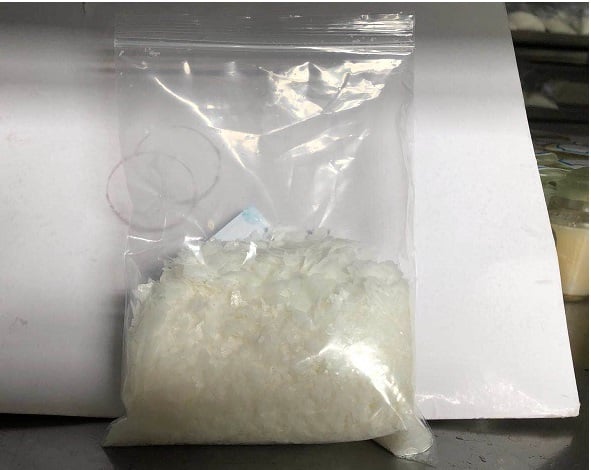
| Typical physical form | Creamy, waxy or semi-solid material depending on composition, temperature and the supplied specification |
| Key quality controls | Acid value, saponification value, hydroxyl value, water, appearance, color and supplier-defined emulsification performance |
| Identity boundary | Do not describe this CAS number as a silicone-polyether defoamer; antifoam performance would require a separately identified formulated product and supporting data |
Applications and grade selection
Polysorbate 60 is commonly evaluated as a hydrophilic nonionic emulsifier, co-emulsifier, wetting aid or solubilizing component in formulated products. Its suitability depends on the oil phase, co-emulsifiers, electrolyte, pH, temperature, process and the documentation attached to the exact grade.
- For substitution, compare composition-related values and physical form before running emulsion stability, viscosity and temperature-cycle testing.
- Do not confuse Polysorbate 60 with Span 60: Span 60 is the non-ethoxylated, more oil-affine sorbitan stearate identified by CAS 1338-41-6.
- Food, pharmaceutical or personal-care use requires a specifically documented grade and market-specific compliance review; an industrial listing alone is not evidence of suitability.
Storage and handling
Keep the original package closed in a dry, ventilated area within the temperature range stated by the supplier. If the product becomes waxy or more viscous, follow the exact-grade TDS for conditioning, mixing and sampling; do not apply a generic freeze-recovery instruction.
Safety, documentation and procurement
Use the current SDS for personal protection, incompatibilities, transport, spill response and disposal. A sourcing request should state the intended application, reference grade or COA, analytical limits, trial quantity, annual demand, package, destination and any regulated-use documentation required.
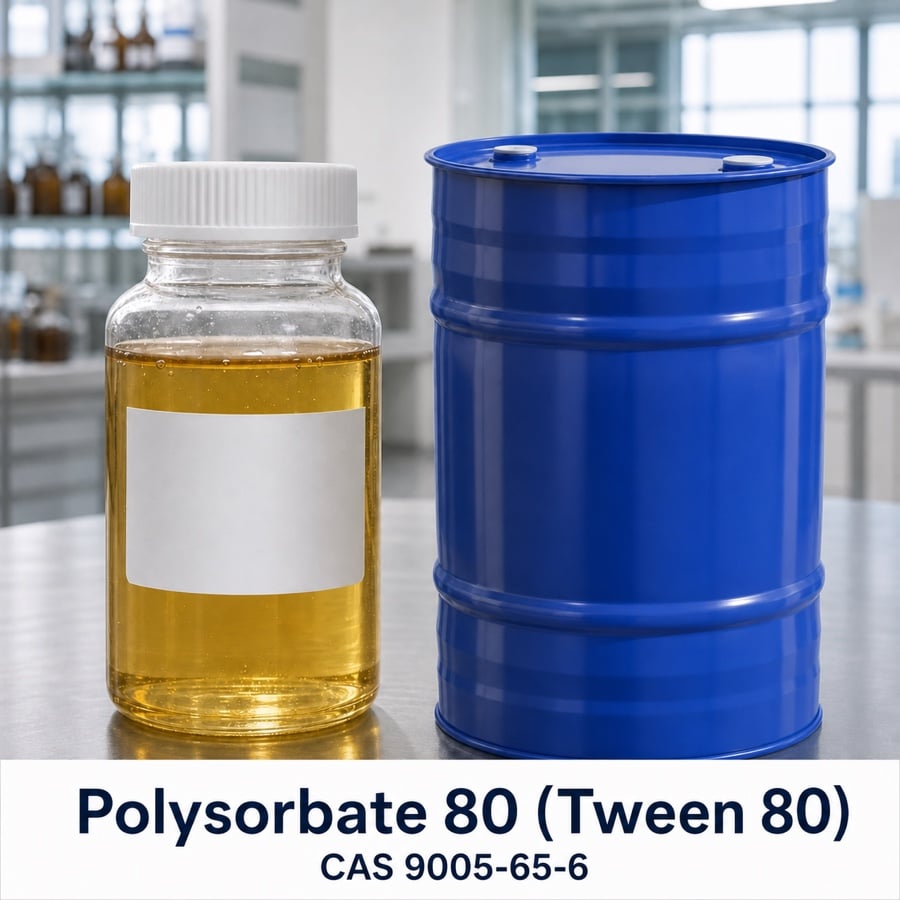
For related sorbitan and polysorbate emulsifier pages, compare Polysorbate 80 (Tween 80) and Sorbitan Monostearate (Span 60).
FAQ - Technical & Supply Chain
-
Q:
Which Polysorbate 60 grade should I request?
A: State whether the application is food, pharmaceutical, personal care or industrial. The offered grade should match the relevant specification, including acid, hydroxyl and saponification values, water, fatty-acid composition and any required compendial or market documentation. -
Q:
Can Polysorbate 60 replace Span 60 in an emulsion?
A: Not directly. Polysorbate 60 is the more hydrophilic ethoxylated surfactant, while Span 60 is oil-affine sorbitan stearate. They may be paired to tune an emulsifier system, but the ratio and process require formulation trials. -
Q:
Why is Polysorbate 60 sometimes a paste and sometimes a waxy solid?
A: Physical form changes with grade composition, temperature and thermal history. Before sampling or charging, follow the supplied conditioning and mixing instructions so the material is homogeneous; do not reject a lot on appearance alone. -
Q:
How should a replacement Polysorbate 60 be approved?
A: First compare specifications, test methods and a recent COA. Then run the intended formula at production-relevant conditions and assess emulsification, viscosity, appearance, odor and stability through the required temperature and storage cycle. -
Q:
What information helps us quote Polysorbate 60 correctly?
A: Send the use sector, reference grade or COA, required analytical limits, package size, trial quantity, annual demand and destination. Include any USP, NF, food or cosmetic documentation requirement before a sample is selected.
Ordering & Documentation
Key information for document requests, quotations, and supply planning.
Documents
COA, TDS, SDS/MSDS and packing details are available on request.
Quotation
Send the CAS number, grade, quantity, packing preference and destination.
Sample & Supply
Support is available for samples, trial orders, bulk and repeat supply.
Storage & Shipping
Product-specific conditions are confirmed before order.