









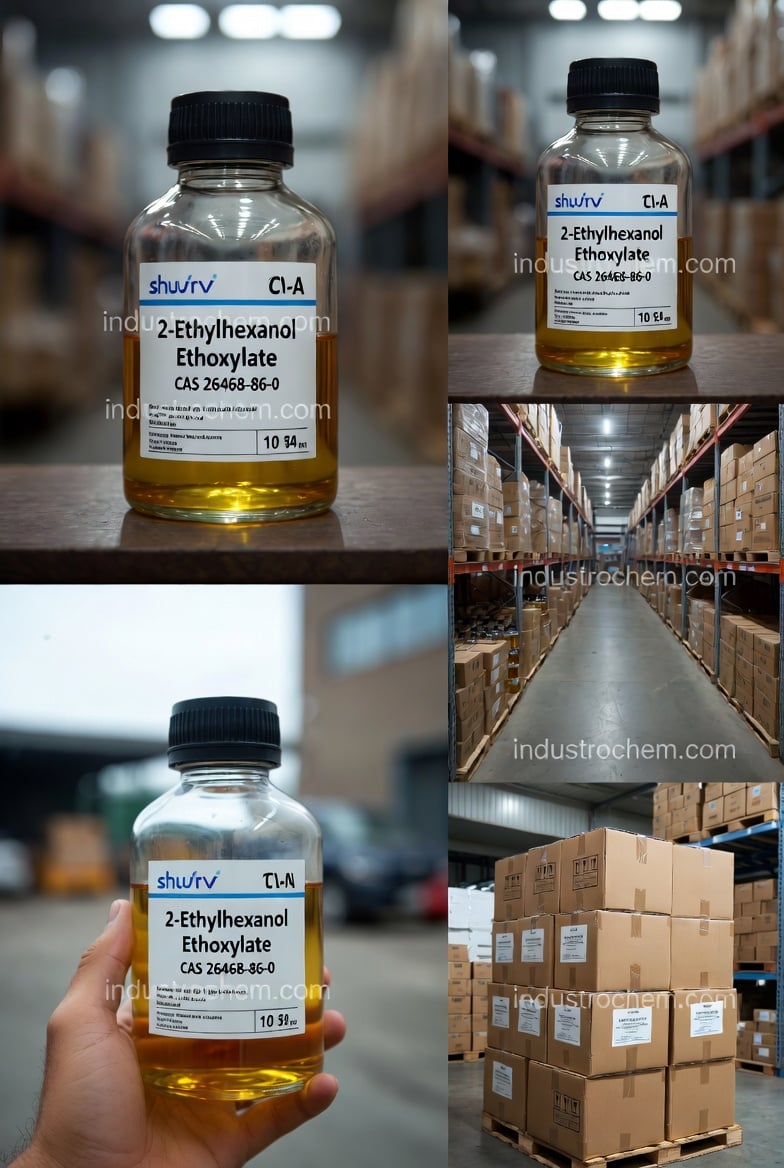
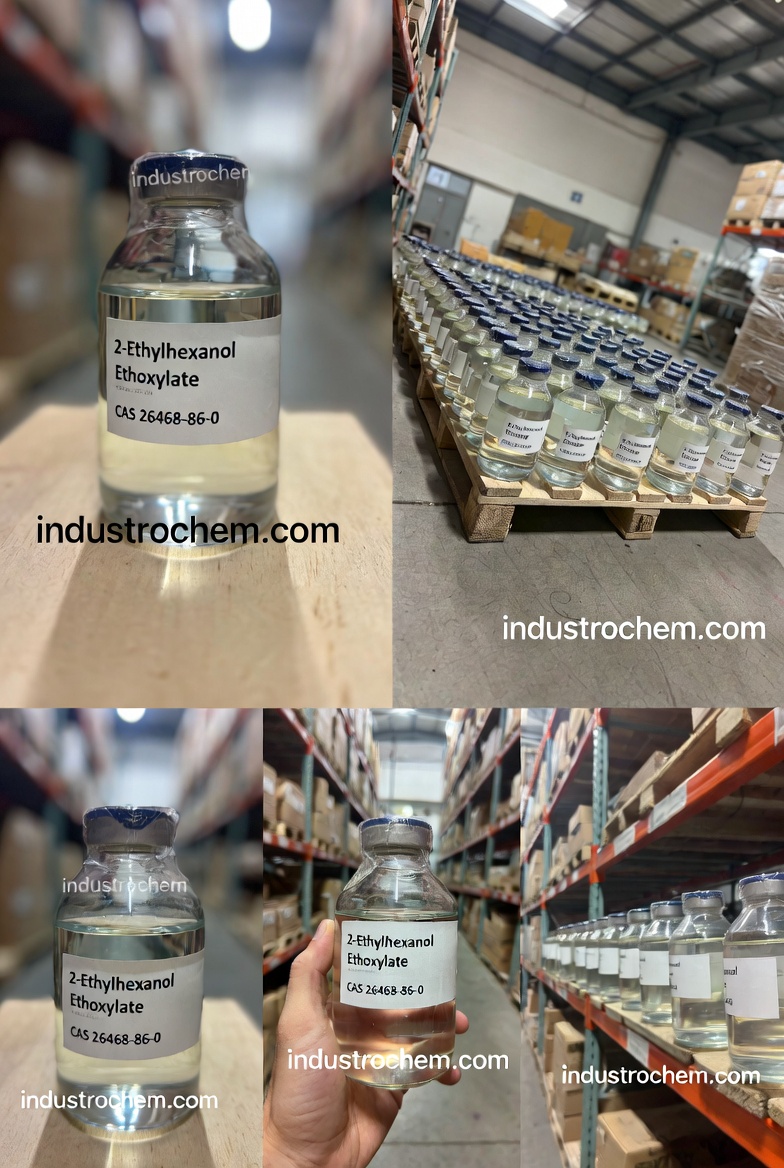
2-Ethylhexanol Ethoxylate, technically registered under CAS 26468-86-0, is a high-performance nonionic surfactant synthesized by the reaction of 2-ethylhexanol with ethylene oxide. This substance is renowned for its rapid wetting capabilities and low-foaming characteristics, serving as a superior penetrant in hard surface cleaners and textile scouring agents. Unlike linear alcohol ethoxylates, its branched structure provides exceptional dynamic surface tension reduction, making it ideal for fast-speed coating, industrial degreasing, and agrochemical formulations. We ensure bulk supply with competitive factory pricing for industrial clients. Our inventory is managed to support customized specifications (varying EO mole numbers), and every shipment is accompanied by complete MSDS, TDS, COA documentation.
2-Ethylhexanol Ethoxylate CAS 26468-86-0
- CAS: 26468-86-0
- Synonyms: Polyethylene Glycol Mono-2-ethylhexyl Ether, EHE Surfactant, 2-Ethylhexyl Polyethylene Glycol Ether, PEG-2-Ethylhexyl Ether, Ethoxylated 2-Ethylhexanol, POE 2-Ethylhexyl Ether
- Einecs: 216-323-7
- Molecular Formula: C₁₀H₂₂O₂
- Grade: Industrial grade 99%
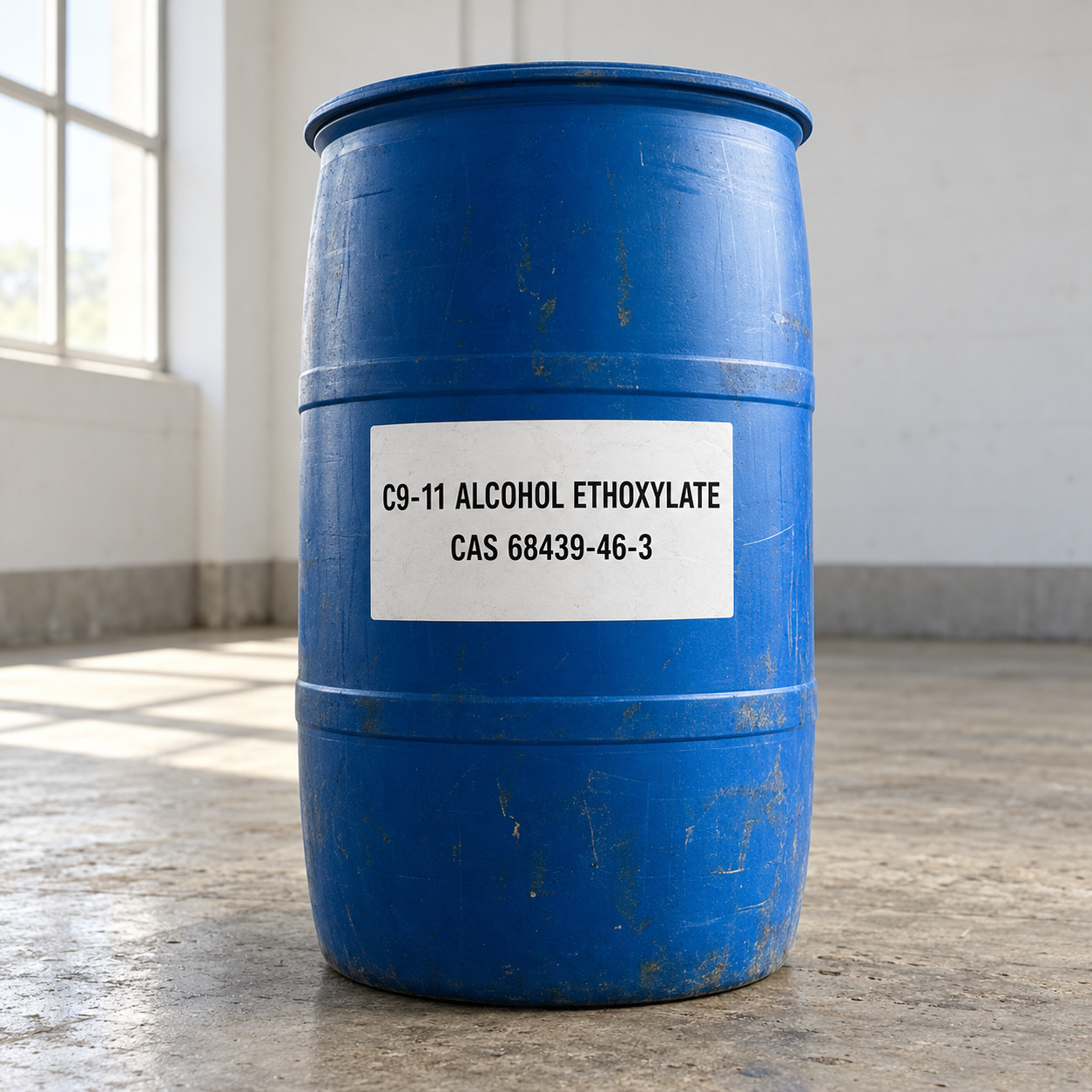
- Package: 200kg iron drum or 50kg plastic drum packaging
Product Description
Physicochemical properties
| Property | Description |
|---|---|
| Chemical Name | 2-Ethylhexanol Polyoxyethylene Ether (Lugalvan EH-158) |
| CAS Number | 26468-86-0 |
| Type | Nonionic Surfactant |
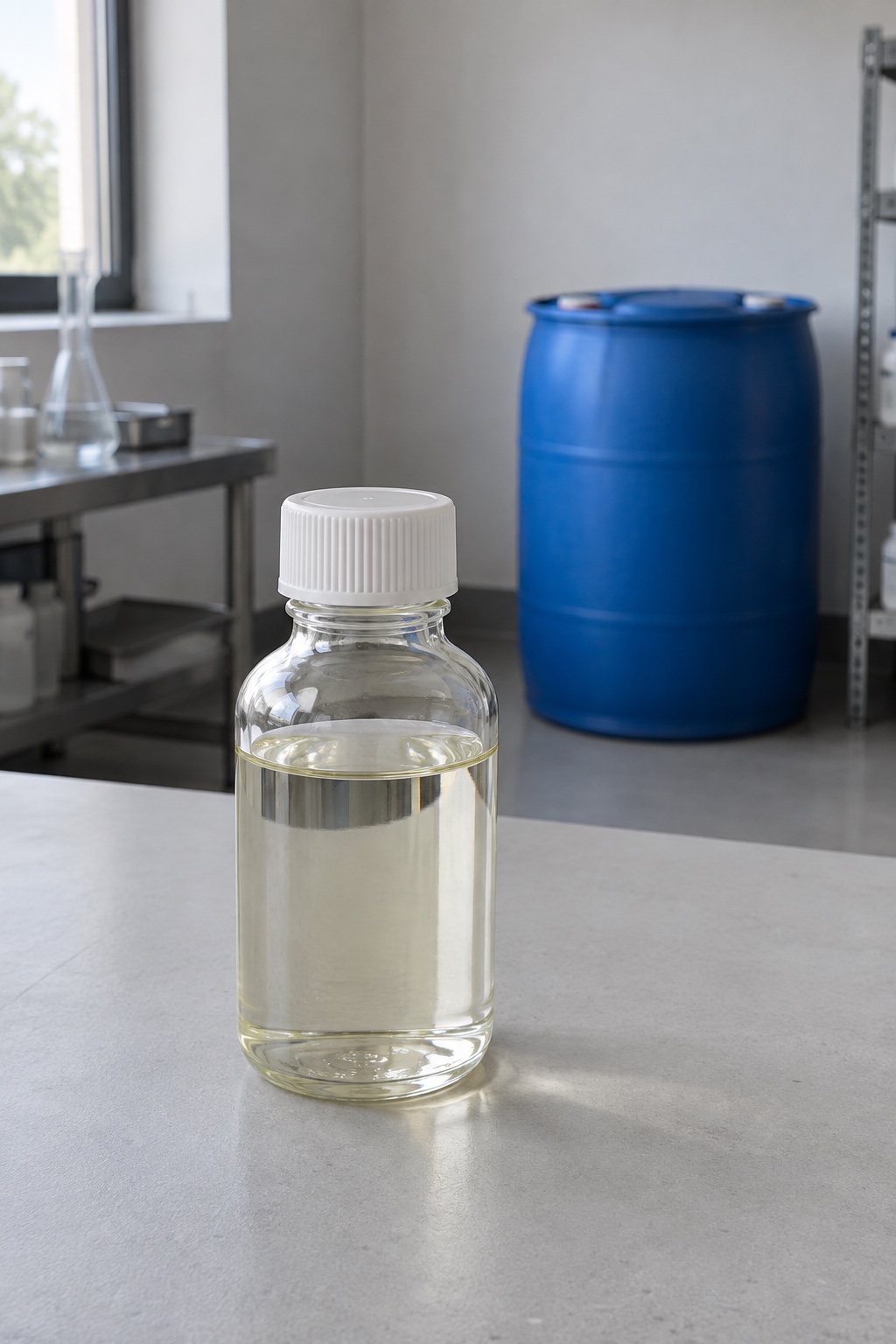
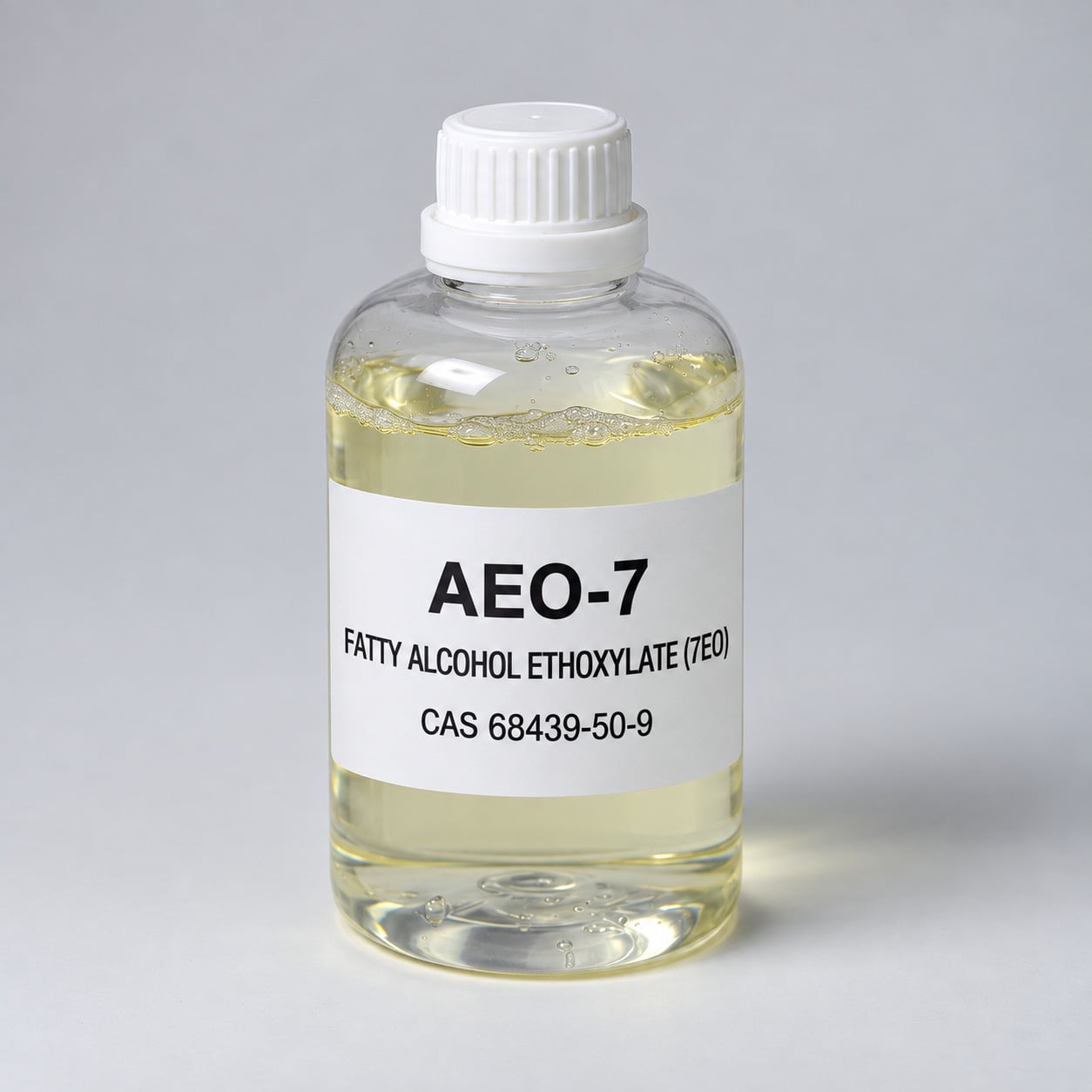
| Appearance (25℃) | Milky White Paste or Colorless Liquid |
| Solubility | Soluble in water; resistant to strong acids, strong bases, and hypochlorite salts |
| Stability | Stable under normal storage conditions; non-flammable |
| Toxicity | Non-toxic (based on product specifications) |
| Storage Conditions | Store in a dry and ventilated place, below +30°C; shelf life of two years |
Application Areas
Electroplating industry: As an electroplating additive, it can improve the dispersibility and covering ability of the electroplating solution, enhancing the glossiness and uniformity of the electroplated layer. For instance, in nickel electroplating, EH-158 can be used as a brightener.
Chemical industry: It is widely used as an emulsifier, dispersant, solubilizer, etc., in various fields such as coatings, inks, adhesives, textile auxiliaries, etc.
Other fields: It can also be used for metal cleaning, leather processing, paper industry, etc.
Storage conditions
Temperature: Store in a cool, well-ventilated warehouse and avoid high temperatures (recommended storage temperature below 30℃).
Light exposure: Keep away from direct sunlight to prevent ultraviolet rays from accelerating product degradation.
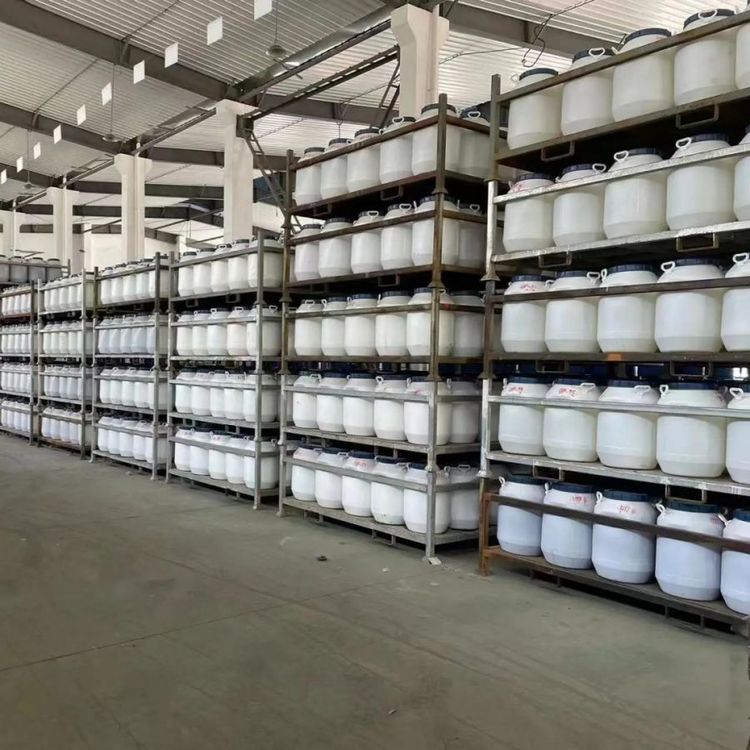
Container requirements: Store in sealed original packaging (such as 200kg iron drums or 50kg plastic drums) to ensure that the containers are free from damage or leakage.
Isolated storage: Keep away from fire and heat sources. Store separately from oxidants, acids, and edible chemicals. Avoid mixing storage.
Safety precautions
Ventilation requirements: Operate in a fume hood or a well-ventilated environment to avoid inhaling vapor or dust.
Avoid ignition sources: Keep away from open flames and high heat. Fire-fighting equipment (such as carbon dioxide and dry powder fire extinguishers) must be equipped at the operation site. Smoking is prohibited.
Prevent splashing: When pouring or transferring, operate slowly to avoid splashing the liquid onto the skin or eyes.
Concentration control: Use according to the recommended ratio in the product manual to avoid performance degradation or safety hazards caused by overdose
FAQ - Technical & Supply Chain
-
Q:
What distinguishes 2-Ethylhexanol Ethoxylate from standard linear alcohol ethoxylates?
A: The primary difference lies in its branched structure derived from 2-ethylhexanol. This structure confers superior wetting speeds (penetration) and lower foaming properties compared to linear counterparts, making it ideal for applications requiring rapid spreading and low foam generation. -
Q:
Is CAS 26468-86-0 stable in alkaline or acidic environments?
A: Yes, this surfactant generally exhibits excellent chemical stability over a wide pH range, allowing it to be used effectively in both alkaline heavy-duty degreasers and acidic metal cleaning formulations.
Documents and Product Support
For product review and sourcing evaluation, supporting documents can be coordinated according to the product type, inquiry stage, and order requirements.
- COA for batch-based quality reference
- TDS for key physical and chemical information
- SDS / MSDS for handling, storage, and safety reference
- Packing information for sample, trial, and bulk orders
- Technical communication based on application and specification requirements
Information to Confirm Before Quotation
Clear sourcing information helps reduce specification mismatch and allows a more accurate quotation before sample or bulk order discussion.
- Product name and CAS number
- Application or intended end use
- Required purity, grade, or specification
- Sample quantity, trial order, or bulk demand
- Preferred packing form or net weight
- Destination country or port
- Required documents or compliance expectations
Packaging, Storage, and Handling Notes
Packaging form, storage conditions, shelf life, and shipment arrangements should be confirmed according to the product characteristics, package size, and destination requirements.
Before order confirmation, buyers are advised to review the corresponding product documents and confirm whether any special storage, labeling, or handling requirements apply.
Sample, Bulk Order and Repeat Supply Support
Support can be arranged for sample discussion, bulk supply planning, packaging confirmation, and routine sourcing communication based on the actual product and order requirements.
For repeat-use formulations or long-term procurement plans, buyers may discuss specification consistency, packaging preferences, delivery expectations, and document coordination in advance.