








PEG-150 Distearate is a high-molecular-weight polyethylene glycol distearate identified by CAS No. 9005-08-7 and EC No. 618-408-8 . It is a polymeric ester distribution rather than the small molecule C19H40O4 or a 99% pure compound. It is commonly evaluated as a rheology modifier and thickener in compatible aqueous surfactant systems. Buyers should match ester-related values, water, physical form, dissolution process and finished-formulation viscosity using the current specification, COA, TDS and SDS.
PEG-150 Distearate CAS 9005-08-7
- CAS: 9005-08-7
- Synonyms: Polyethylene Glycol 6000 Distearate, PEG-6000 Distearate, Polyoxyethylene (150) Distearate, Stearic Acid Ethoxylate, Glycol Distearate Ethoxylate, POE Distearate.
- Einecs: 618-408-8
- Molecular Formula: Variable polyethylene glycol distearate composition
- Grade: Confirm the nominal EO or PO level, feedstock range, active matter, water, physical form and relevant analytical values against the current TDS and COA.
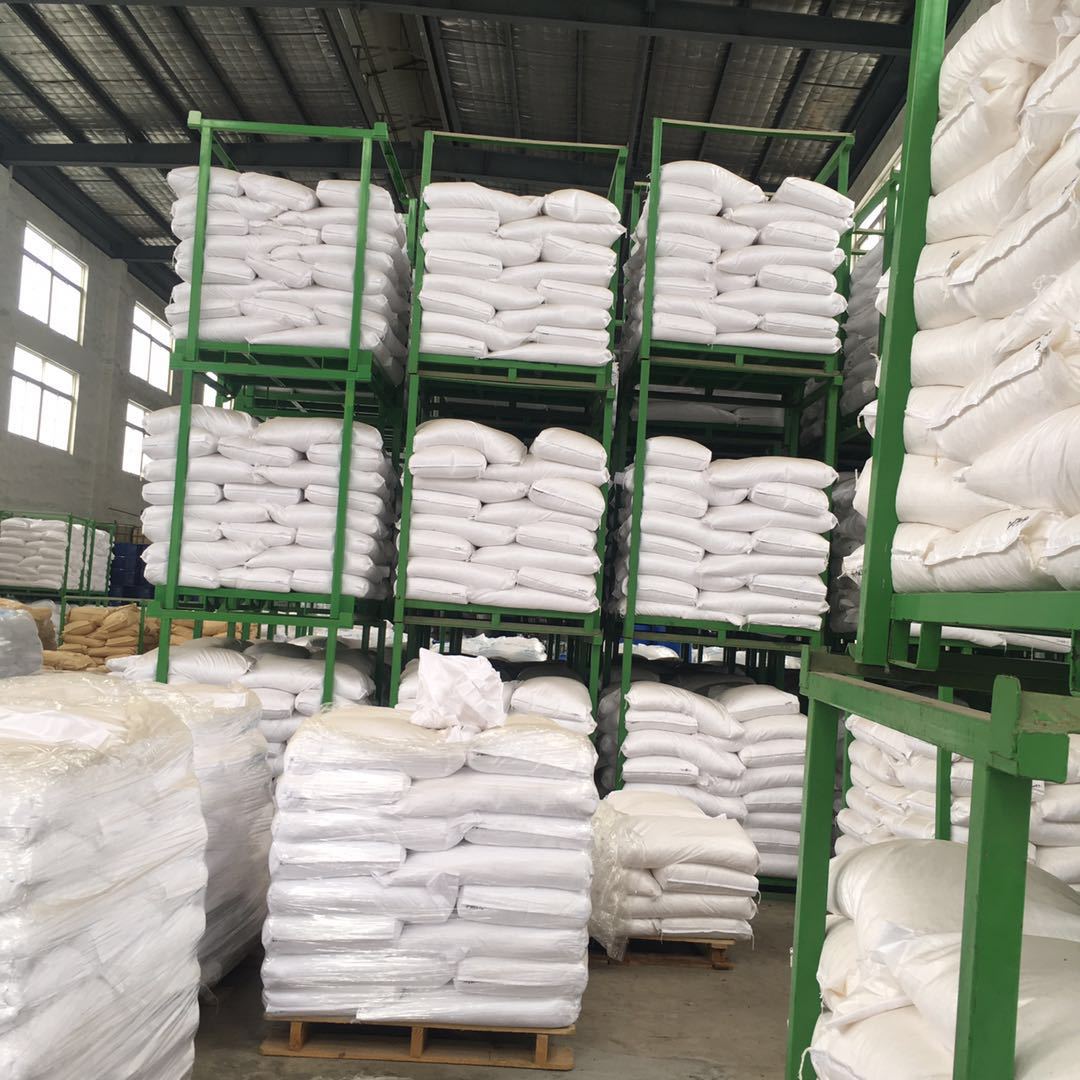
- Package: State required quantity, physical form and destination; confirm the current bag or container, liner, net weight, temperature handling and transport requirements before quotation.
Product Description
Identity and physicochemical profile
| Item | Technical guidance |
|---|---|
| Product identity | PEG-150 Distearate; high-molecular-weight polyethylene glycol distearate |
| CAS / EC | 9005-08-7 / 618-408-8 |
| Composition | Polymeric ester distribution; no single fixed molecular formula or molecular-purity value represents every commercial grade |
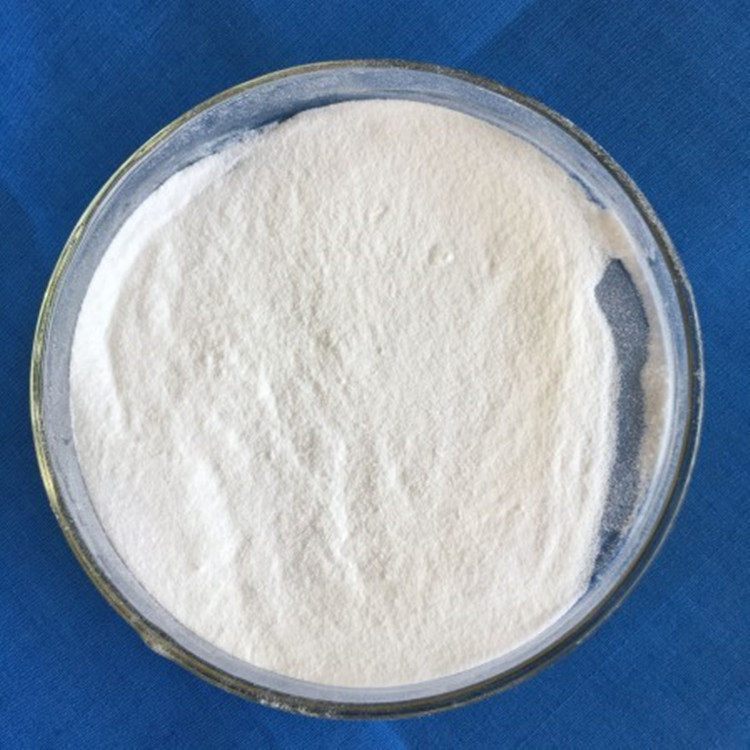
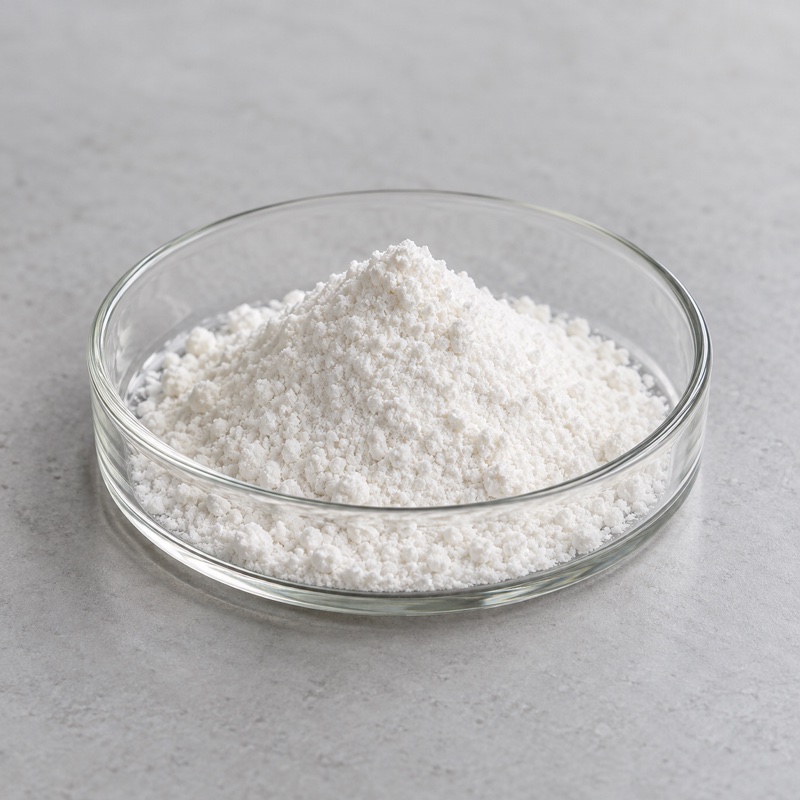
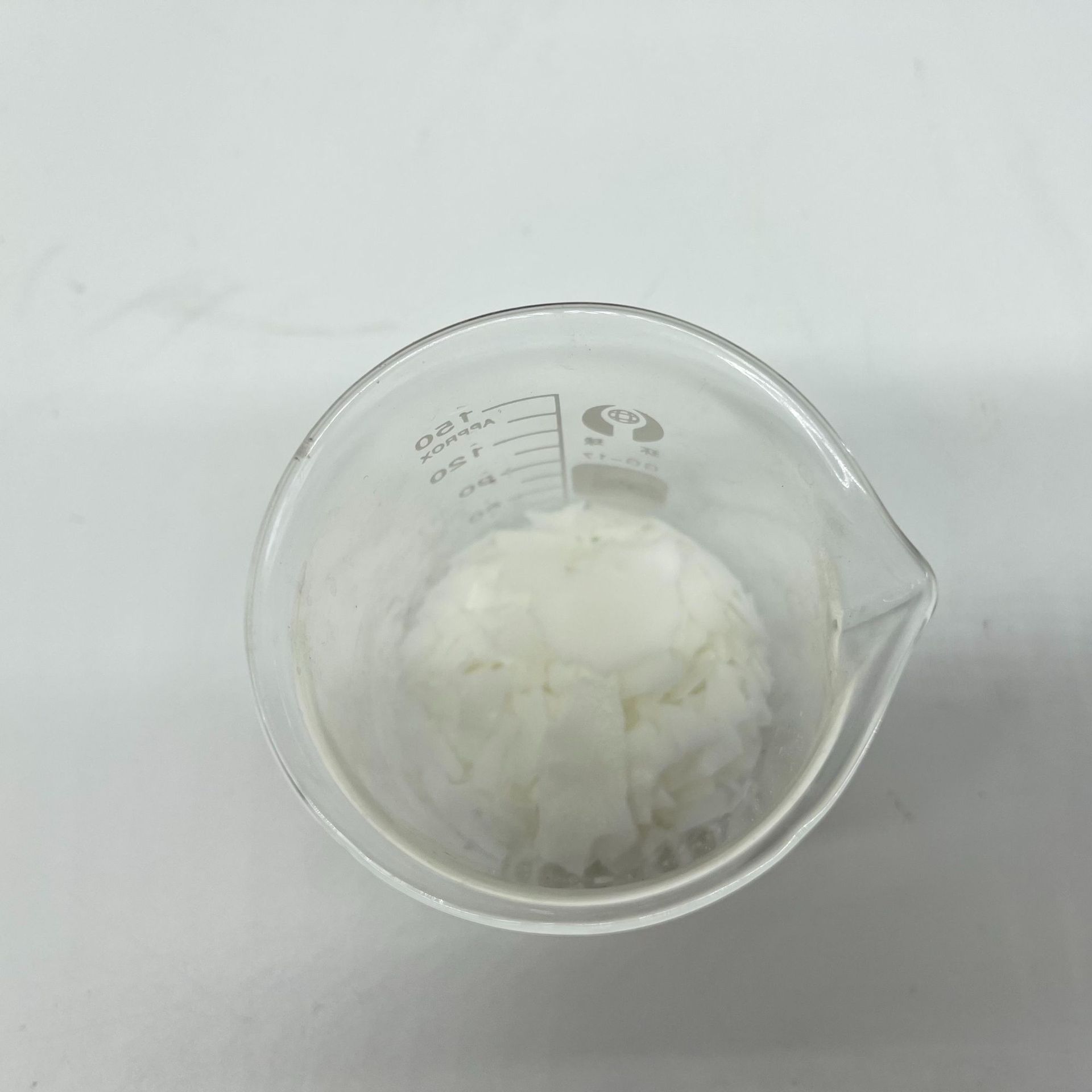
| Typical physical form | Flakes, pastilles, beads or another supplier-defined solid form |
| Key quality controls | Acid, saponification and hydroxyl values, water, appearance, color, physical form and supplier-defined viscosity performance |
| Processing controls | Dissolution or melting temperature, addition sequence, mixing time, cooling profile and the complete surfactant composition |
Applications and grade selection
PEG-150 Distearate is used to build viscosity and modify rheology in compatible shampoos, body washes, liquid soaps, cleansers and technical surfactant systems. The magnitude and shape of the thickening response depend on the formulation and process rather than the ingredient name alone.
- Test viscosity at specified temperature, spindle, speed and aging time; an unqualified viscosity number is not comparable.
- Evaluate dissolution, clarity or pearl appearance, foam, low-temperature behavior and accelerated stability in the finished formulation.
- Claims for mildness, tear-free products or regulated personal-care use require grade-specific documentation and finished-product assessment.
Storage and handling
Store dry and sealed within the supplier’s temperature limits. Protect solid product from moisture, contamination and excessive heat. Follow the TDS for charging and melting; localized overheating can affect color, dissolution and final viscosity.
Safety, documentation and procurement
Use the exact SDS for handling dust or hot melt, PPE, spill response, transport and disposal. For procurement, provide the base surfactant system, viscosity method and target, process temperature, physical-form requirement, reference COA, volume, package and destination.
For thickening and emulsifier-system comparisons, review Polysorbate 80, Cetearyl Glucoside, and Carbomer.
FAQ - Technical & Supply Chain
-
Q:
Which specifications are useful when buying PEG-150 Distearate?
A: Review acid, saponification and hydroxyl values, water, color, melting or physical form and the supplier test methods. A viscosity target in the intended surfactant base is often more discriminating than the CAS number alone. -
Q:
How should PEG-150 Distearate be processed for consistent viscosity?
A: Control charging order, complete melting or dissolution, mixing time and cooling profile. Measure viscosity only after the agreed equilibration period, because surfactant ratio, salt, pH, fragrance and thermal history can materially change the result. -
Q:
How do I evaluate a replacement PEG-150 Distearate?
A: Run both materials in the same base and process. Compare dissolution, viscosity curves, clarity or pearl appearance, foam, low-temperature behavior and storage stability; matching a single saponification value does not establish equivalent thickening performance. -
Q:
Which formulation variables should be included in PEG-150 Distearate screening?
A: Screen the intended anionic and amphoteric ratio, active level, salt, pH, fragrance and other hydrophobes across the use temperature range. These variables can shift micellar structure and change thickening response or clarity. -
Q:
How should viscosity be compared between PEG-150 Distearate samples?
A: Use one formula, batch size, charging order and thermal history. Record viscometer model, spindle, speed, sample temperature and equilibration time, then compare initial, low-temperature and aged results rather than one uncontrolled reading. -
Q:
What is needed for a PEG-150 Distearate quotation?
A: Provide the surfactant system, target viscosity and measurement method, process temperature, required physical form, reference COA, trial and annual quantity, package and destination. A base formula or benchmark sample improves grade selection.
Ordering & Documentation
Key information for document requests, quotations, and supply planning.
Documents
COA, TDS, SDS/MSDS and packing details are available on request.
Quotation
Send the CAS number, grade, quantity, packing preference and destination.
Sample & Supply
Support is available for samples, trial orders, bulk and repeat supply.
Storage & Shipping
Product-specific conditions are confirmed before order.