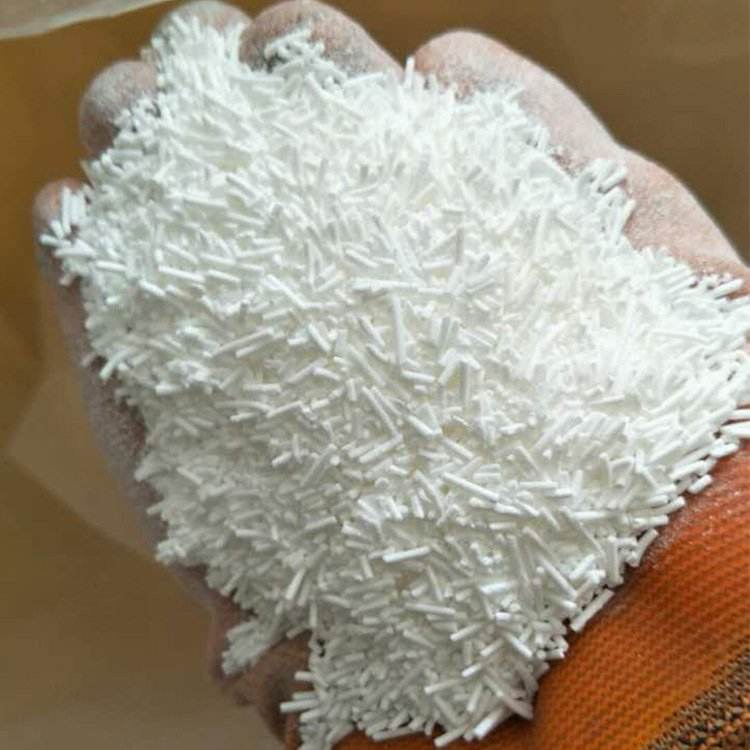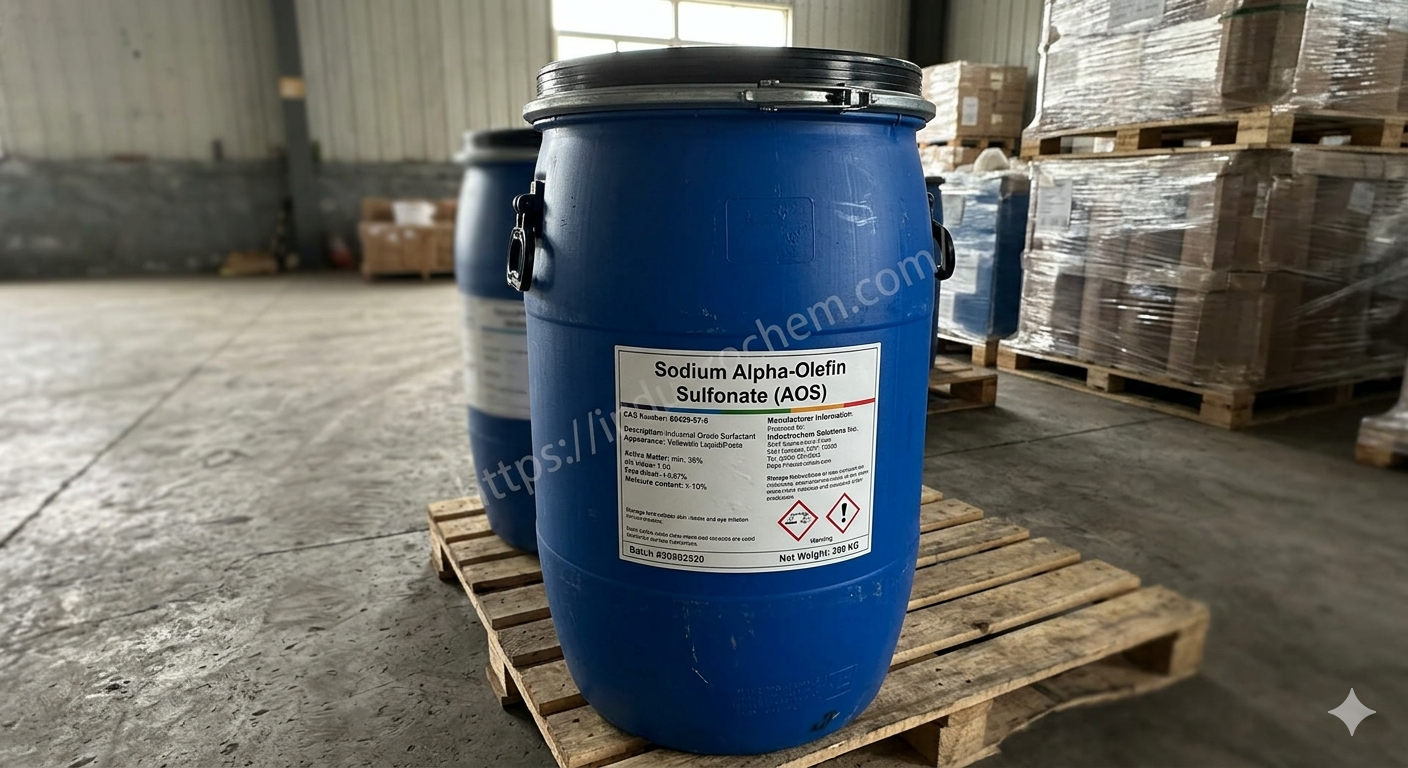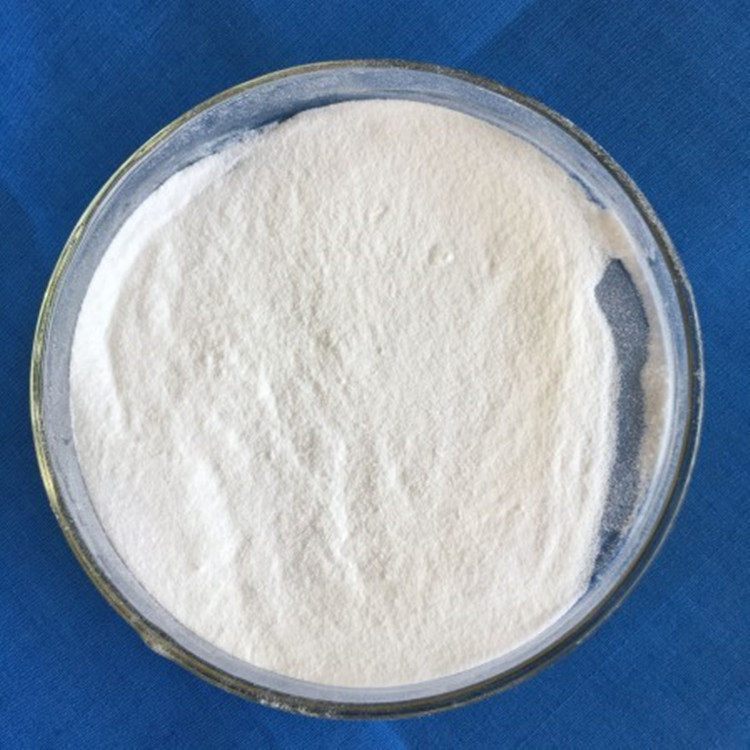
Sodium Laureth Sulfate (CAS 68585-34-2), widely abbreviated in the industry as SLES, is an anionic surfactant and detergent derived from ethoxylated fatty alcohols, utilized primarily in the manufacturing of personal care products and liquid detergents. This Sodium lauryl ether sulfate paste functions as a high-performance foaming agent and emulsifier, offering superior solubility and milder skin compatibility compared to non-ethoxylated sulfates. As a versatile AES component, it serves as the primary surface-active ingredient in shampoos, body washes, and dishwashing liquids, providing essential viscosity building and cleaning efficacy in aqueous systems. Cocamide DEA (CDEA) 6501 is a related foam and viscosity modifier for compatible detergent formulations. We provide this surfactant raw material with competitive factory pricing to support daily chemical manufacturing and ensure bulk supply availability for continuous production lines. Our facility accommodates customized specifications for concentration (typically 70% paste or 28% liquid) and dioxane control, while every shipment is fully documented with MSDS, TDS, COA files to meet safety and quality standards.
Sodium Laureth Sulfate CAS 68585-34-2
- CAS: 68585-34-2
- Synonyms: SLES, Sodium lauryl ether sulfate, AES, Sodium alkylethersulfate, Sodium polyoxyethylene alkyl ether sulfate
- Einecs: 500-223-8
- Grade: Cosmetic Raw Materials
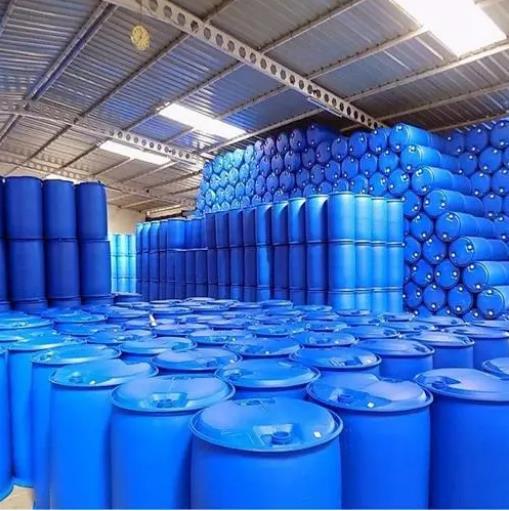
- Package: 170 kg HDPE drum / 1000 kg IBC / flexitank, or as required
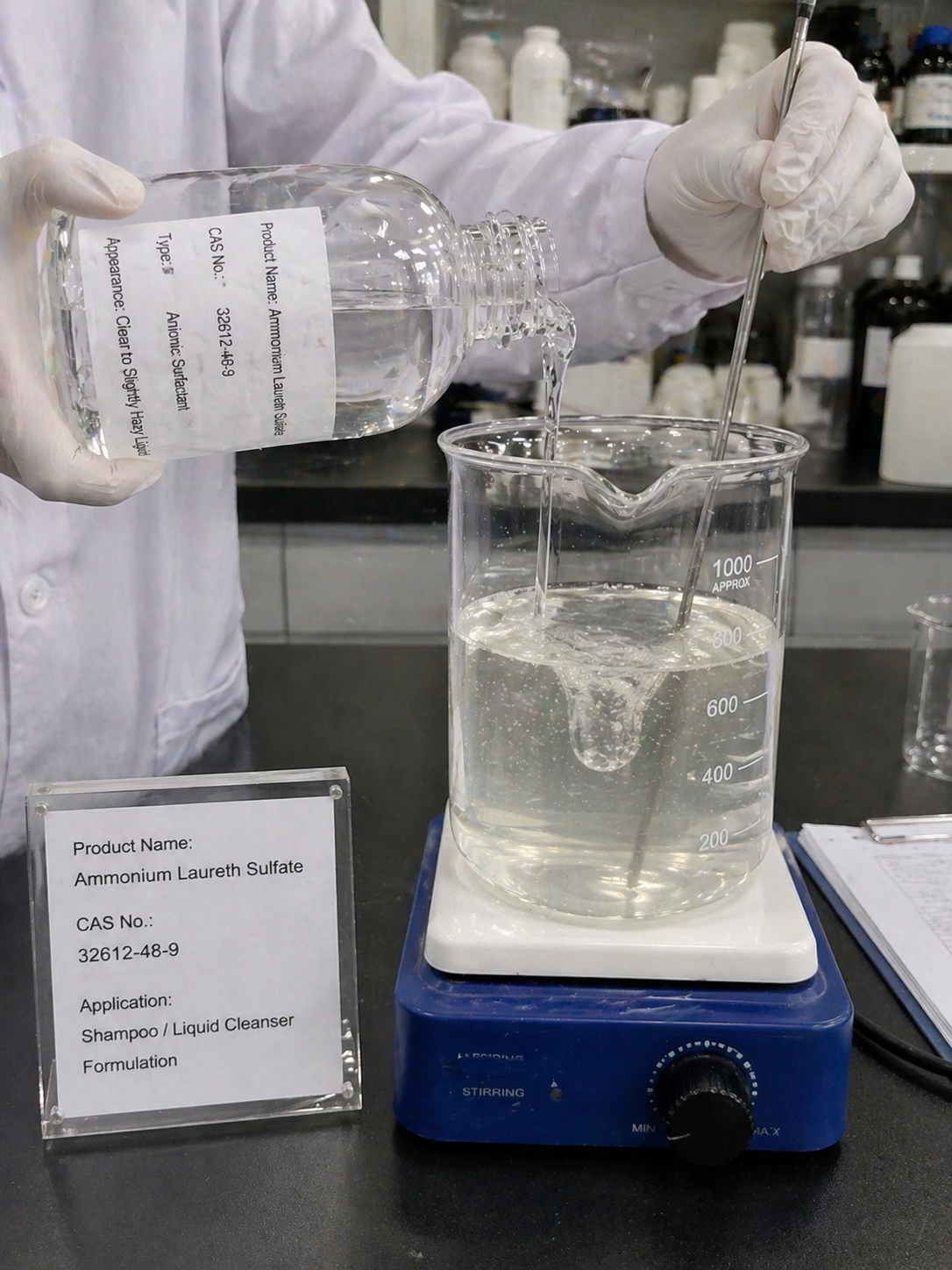
Product Description
Sodium laureth sulfate is a high-performance anionic surfactant widely used for its strong detergency, fast foaming, and excellent emulsification. It dissolves quickly in water, works well in hard-water systems, and shows good biodegradability, making it a core raw material for personal care and household/industrial cleaning formulations. For bulk supply, technical datasheets, and pricing, please contact 📧 Email: info@industrochem.com
Physicochemical Properties (Typical for SLES 70%)
| Property | Typical Value / Range |
|---|---|
| Appearance (25 °C) | Colorless to pale yellow viscous paste/gel |
| Odor | Mild, no abnormal odor |
| Active matter (%) | 70 ± 2 |
| Unsulfated matter (%) | ≤ 3.5 |
| Sodium sulfate, as Na₂SO₄ (%) | ≤ 1.5 |
| pH (1% aqueous solution, 25 °C) | 6.5 – 9.5 |
| Color (Hazen, 5% AM) | ≤ 20 (typical ≤ 10) |
| 1,4-Dioxane (ppm) | ≤ 30 |
| Density (20 °C) | 1.05 – 1.10 g/cm³ |
| Solubility | Easily soluble in water; forms clear or slightly opalescent solutions |
| Ionic character | Anionic surfactant |
| Foaming / detergency | High foam, strong cleaning, good emulsification & wetting |
Applications
SLES is used where high foam, fast soil removal, and good compatibility are needed:
Personal Care
- Shampoos, body wash, facial cleansers
- Hand soap, bubble bath, shaving products
- Toothpaste and mild cleansing formulations
Home Care & Detergents
- Dishwashing liquids, laundry liquids/powders
- Multi-purpose cleaners, kitchen/bathroom cleaners
- Carpet and fabric cleaning agents
Industrial / Institutional
- Degreasers and light-duty industrial cleaners
- Textile wetting and scouring, dyeing auxiliaries
- Emulsification systems for polymer or chemical processing
For related amphoteric and nonionic surfactant raw materials used in cleansing systems, see Cocamidopropyl Betaine Powder and Alkyl Polyglucosides.
Storage Conditions
- Store in a cool, dry, well-ventilated warehouse.
- Keep containers tightly sealed and protected from moisture.
- Recommended storage temperature: 10–35 °C.
- Avoid direct sunlight and heat sources.
- Under proper storage, shelf life is typically 12–18 months.
Safety Precautions
- Avoid contact with eyes and prolonged skin exposure; may cause irritation at high concentration.
- Use standard PPE: gloves, goggles, protective clothing during handling.
- Prevent aerosol/mist inhalation in enclosed areas.
- In case of eye contact, rinse with plenty of water for at least 15 minutes and seek medical advice.
- Spills: absorb with inert material; wash area with water.
- Handle according to local chemical safety regulations and SDS.
FAQ - Technical & Supply Chain
-
Q:
What is Sodium Laureth Sulfate CAS 68585-34-2?
A: Sodium Laureth Sulfate, or SLES, is an ethoxylated anionic surfactant made from fatty alcohol ethoxylates. CAS 68585-34-2 identifies the surfactant type, while commercial products are further defined by active matter and ethoxylation degree. -
Q:
What is Sodium Laureth Sulfate used for?
A: SLES is used as a high-foaming cleansing agent and emulsifier in shampoos, body washes, facial cleansers, hand soaps, dishwashing liquids and industrial cleaners. It provides detergency, wetting and viscosity building in aqueous formulations. -
Q:
Why is the active matter and EO level important?
A: SLES is commonly supplied as a 70% paste or 28% liquid, but active matter and ethoxylation degree affect foam, viscosity, mildness and formulation behavior. The correct grade should be selected for the target personal-care or detergent product. -
Q:
How is Sodium Laureth Sulfate different from sodium lauryl sulfate?
A: Sodium Laureth Sulfate contains ethoxy groups between the fatty alkyl chain and sulfate group, while sodium lauryl sulfate is the non-ethoxylated sulfate. This ethoxylation generally makes SLES milder and more soluble in hard water. -
Q:
How should Sodium Laureth Sulfate be stored and handled?
A: Store SLES in tightly closed containers in a cool, dry, ventilated area away from strong oxidizers and acids. Use appropriate liquid-chemical handling controls, containment and personal protective equipment during transfer and processing.
Ordering & Documentation
Key information for document requests, quotations, and supply planning.
Documents
COA, TDS, SDS/MSDS and packing details are available on request.
Quotation
Send the CAS number, grade, quantity, packing preference and destination.
Sample & Supply
Support is available for samples, trial orders, bulk and repeat supply.
Storage & Shipping
Product-specific conditions are confirmed before order.