










Chemical products
  • Sodium Lauryl Sulfate Granular CAS 151-21-3

Sodium Lauryl Sulfate Granular CAS 151-21-3

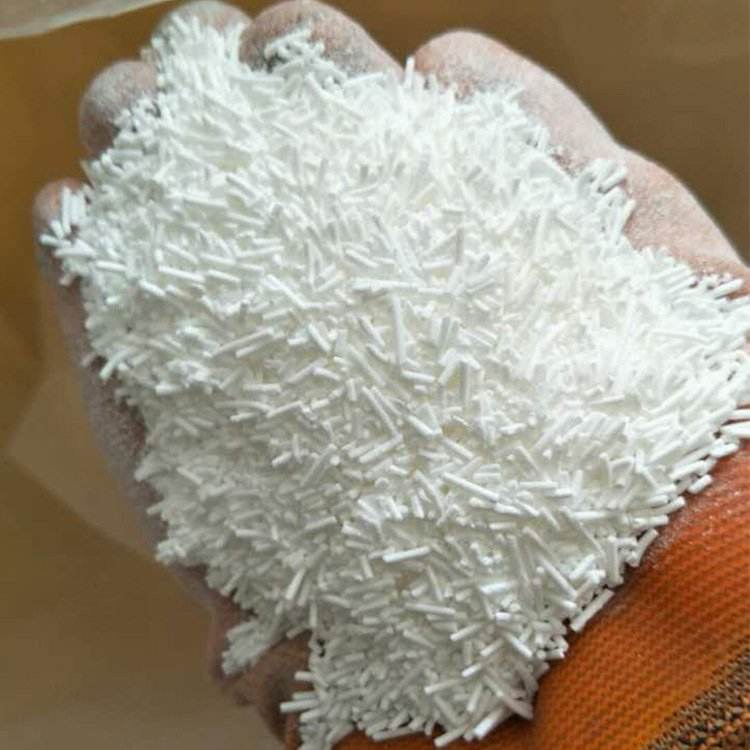
Sodium Lauryl Sulfate Granular (CAS 151-21-3) is a premium, low-dust anionic surfactant utilizing its needle-like physical form to ensure safer handling and easier dispersion in manufacturing processes compared to fine powders. Chemically identified as Sodium dodecyl sulfate (SDS) or SLS, these white free-flowing granules function as a powerful foaming and emulsifying agent with excellent solubility in warm water. As a high-purity Alkyl sulfate surfactant (commonly known as K12), it is extensively integrated into oral care products (toothpastes), solid bath preparations (bath bombs), and pharmaceutical solid dosage forms to provide rich lather and wetting properties without the respiratory hazards associated with airborne dust. For aqueous detergent systems where an ethoxylated sulfate is specified, Sodium Laureth Sulfate is a related surfactant option. We ensure bulk supply capabilities for this material, providing access to competitive factory pricing and customized specifications to meet specific particle size and bulk density requirements. Full technical documentation, including MSDS, TDS, COA, is available to support compliance and safety protocols.

  • CAS: 151-21-3
  • Synonyms: Sodium dodecyl sulfate, SLS Granules, SDS, Sodium lauryl sulphate, Dodecyl sodium sulfate, Sulfuric acid monododecyl ester sodium salt
  • Einecs: 205-788-1
  • Molecular Formula: C12H25NaO4S
  • Grade: Technical Grade / Detergent Grade / Cosmetic Grade / Toothpaste Grade
  • Package: 25kg/Kraft Paper Bag with PE inner liner (Net Weight)
Request a quote
Share:

Product Description

Sodium Lauryl Sulfate (SLS), often referred to as K12 in the industry, is a highly effective anionic surfactant derived from natural fatty alcohols (Coconut or Palm oil).

This specific product is supplied in Granular (Needle) form. Compared to traditional powder forms, the granular structure offers significant advantages: it is dust-free, reducing inhalation risks for workers, and possesses excellent flowability, making it easier to handle and dose. It has exceptional emulsifying, foaming, osmosis, detergency, and dispersing properties. It dissolves easily in water and is compatible with various other surfactants. It is biodegradable and widely used as a core ingredient in personal care and industrial cleaning applications.


Physicochemical Properties

The following specifications are based on our standard export quality for High-Purity Granular SLS:

Test ItemSpecification (Standard)
AppearanceWhite to off-white Granules / Needles
Active Matter92.0% – 95.0% min
Petroleum Ether Soluble Substances≤ 1.5%
Inorganic Salts (NaCl + Na2SO4)≤ 5.0%
Moisture / Volatile Matter≤ 5.0%
pH Value (1% Solution, 25°C)7.5 – 9.5
Whiteness (WG)≥ 90
Biodegradability> 90%
SolubilityEasily soluble in water
OdorCharacteristic faint fatty odor

Applications

Sodium Lauryl Sulfate Granular is a versatile raw material used in numerous industries:

  1. Personal Care & Cosmetics:
    • Toothpaste: Ideally suited for toothpaste due to its granular form (easy to process) and rich foaming ability.
    • Hair Care: Primary foaming agent in shampoos and conditioners.
    • Skin Care: Used in bubble baths, hand soaps, and shaving creams.
  2. Detergent Industry:
    • Key ingredient in liquid detergents, laundry powders, and heavy-duty cleaners for its superior grease-cutting power.
  3. Construction & Building Materials:
    • Concrete Admixture: Acts as an air-entraining agent in concrete and mortar to improve workability and freeze-thaw resistance.
    • Used in the production of gypsum boards.
  4. Industrial Applications:
    • Emulsion Polymerization: Used as an emulsifier in the manufacturing of PVC, rubber, and acrylate polymers.
    • Textile & Leather: Used as a scouring agent, wetting agent, and softening agent.
    • Fire Fighting: Component in firefighting foams.

For ether-sulfate and alpha-olefin-sulfonate options in detergent systems, see Sodium Laureth Sulfate and Sodium Alpha-Olefin Sulfonate.

Storage Conditions

  • Environment: Store in a cool, dry, and well-ventilated warehouse.
  • Temperature: Avoid high temperatures; store below 40°C.
  • Moisture Control: The product is hygroscopic. Keep bags tightly sealed when not in use to prevent clumping.
  • Incompatibility: Store away from strong oxidizing agents.
  • Stacking: Do not stack pallets excessively high to prevent crushing the granules.

Safety Precautions

  • Classification: SLS is classified as a skin and eye irritant.
  • Eye Contact: Causes serious eye irritation. In case of contact, rinse immediately with plenty of water for at least 15 minutes and seek medical advice.
  • Skin Contact: Prolonged contact may cause dryness or irritation. Wash with soap and water.
  • Inhalation: Although granular form reduces dust, inhalation of dust should still be avoided. Wear a dust mask (N95) and safety goggles during handling.
  • Transport: Not classified as dangerous goods for transport (Non-Hazardous).

FAQ - Technical & Supply Chain

  • Q:

    What is Sodium Lauryl Sulfate Granular CAS 151-21-3?

    A: Sodium Lauryl Sulfate Granular CAS 151-21-3 is a granular or needle-form anionic surfactant with the formula C12H25NaO4S and molecular weight 288.38 g/mol. It is also known as SLS, SDS or K12.
  • Q:

    What is the advantage of the granular or needle form over powder?

    A: The granular form reduces airborne dust during handling and dosing, which improves workplace cleanliness and safety. It also has better flowability while retaining the same foaming, emulsifying and detergency properties as powder grades.
  • Q:

    What are the main applications of SLS?

    A: SLS is used in shampoos, body washes, toothpaste, household detergents, industrial cleaners and textile or polymer processing. It provides foam, wetting, emulsification and cleaning performance in water-based formulations.
  • Q:

    What specifications are important for Sodium Lauryl Sulfate?

    A: Key parameters include active matter, petroleum-ether-soluble material, inorganic salts, moisture, pH and whiteness. High-purity grades with low salt content are generally preferred for personal care and oral care applications.
  • Q:

    Is Sodium Lauryl Sulfate biodegradable?

    A: SLS is readily biodegradable under standard aerobic conditions and is widely used in cleaning products. For environmental and regulatory claims, confirm the specific grade and test data for the target market.

Ordering & Documentation

Key information for document requests, quotations, and supply planning.

Documents

COA, TDS, SDS/MSDS and packing details are available on request.

Quotation

Send the CAS number, grade, quantity, packing preference and destination.

Sample & Supply

Support is available for samples, trial orders, bulk and repeat supply.

Storage & Shipping

Product-specific conditions are confirmed before order.

Contact Form

Use our contact form to send us your questions, suggestions or comments. We will respond as soon as possible.