










• Sodium Lauryl Ether Sulfate CAS 68585-34-2
  • Sodium Lauryl Ether Sulfate CAS 68585-34-2
  • Sodium Lauryl Ether Sulfate CAS 68585-34-2

Sodium Lauryl Ether Sulfate CAS 68585-34-2

Sodium Lauryl Ether Sulfate (CAS 68585-34-2), chemically identified as sodium C10-16 alkyl ethoxy sulfate, is an anionic surfactant functioning as the primary detergency and foaming agent in liquid detergent formulation and personal care products. This ethoxylated paste, widely technically referred to as SLES 70% or sodium laureth sulfate, serves to lower surface tension and solubilize oils in high-volume applications such as dishwashing liquids, laundry detergents, and shampoos. We provide bulk supply of this industrial raw material with competitive factory pricing to ensure stable production costs for daily chemical plants. Our manufacturing process strictly controls 1,4-dioxane levels, making MSDS, TDS, COA available alongside customized specifications to suit specific viscosity response requirements.

  • CAS: 68585-34-2
  • Synonyms: SLES, Sodium Laureth Sulfate, Sodium Alkyl Ether Sulfate, AES, Sodium polyoxyethylene lauryl ether sulfate
  • Einecs: 209-553-4
  • Molecular Formula: C12H25O.(C2H4O)2.SO3.Na
  • Grade: SLES 70%, Industrial / Cosmetic Grade
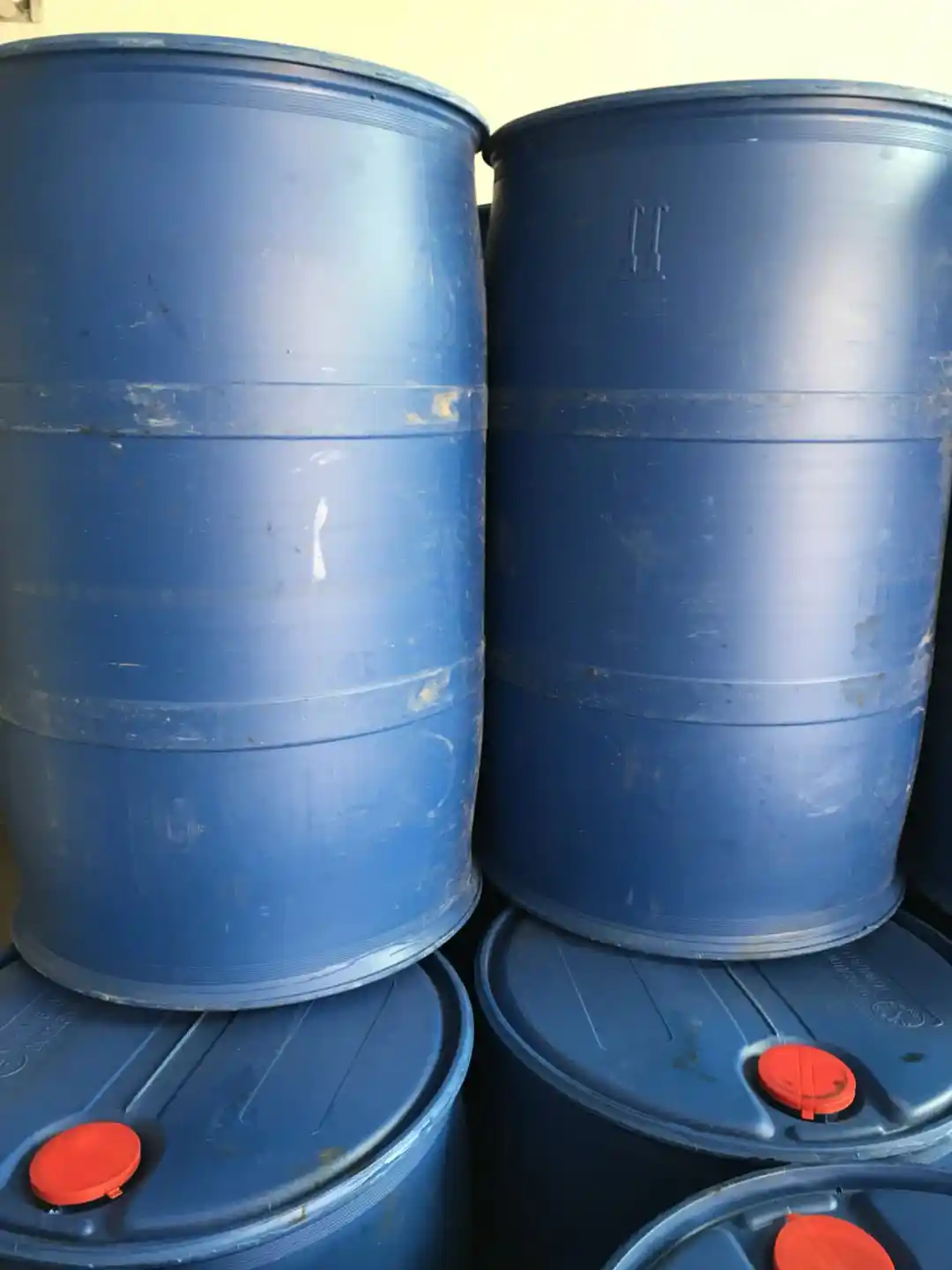
  • Package: 170 kg / 200 kg / 220 kg HDPE drums 1,000–1,100 kg IBC totes Bulk ISO tank available on request
Request a quote
Share:

Product Description

Sodium Lauryl Ether Sulphate (SLES) is a high-active anionic surfactant widely used in household detergents, personal care products and industrial cleaners for its excellent foaming, wetting and emulsifying performance. It is milder than traditional LABSA while still providing strong detergency, making it suitable for cost-effective, high-foam formulations in both consumer and industrial markets.

📧 Email: info@industrochem.com – Contact our team for the latest factory price, COA, TDS and samples.

Physicochemical Properties

ParameterTypical Value / Range*
Active matter content (as SLES)70 ± 2 %
Unsulfated matter≤ 2.0–3.5 % (on 100% active basis)
Sodium sulfate (Na₂SO₄)≤ 1.0–1.5 %
pH (1–2% aq. solution, 25 °C)7.0 – 9.5 (near neutral)
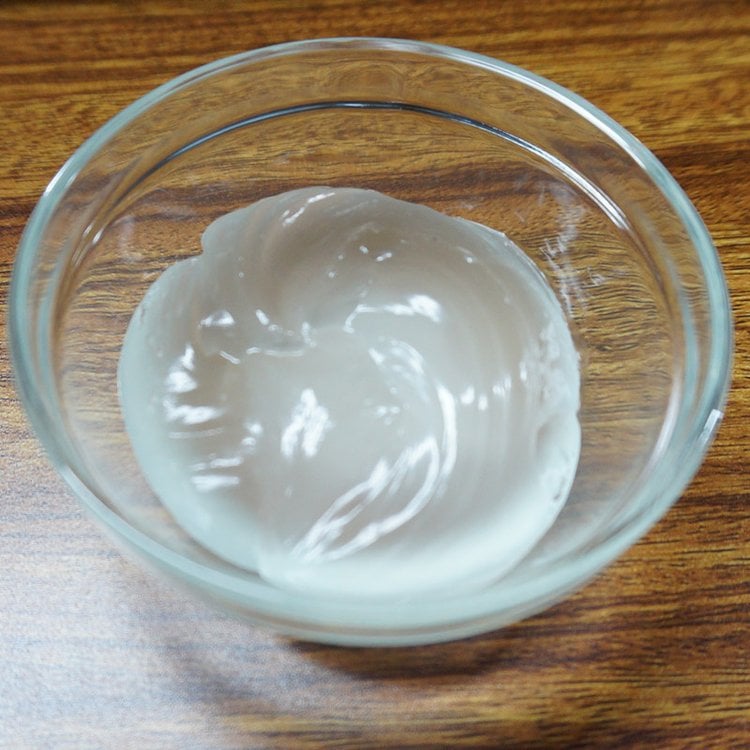
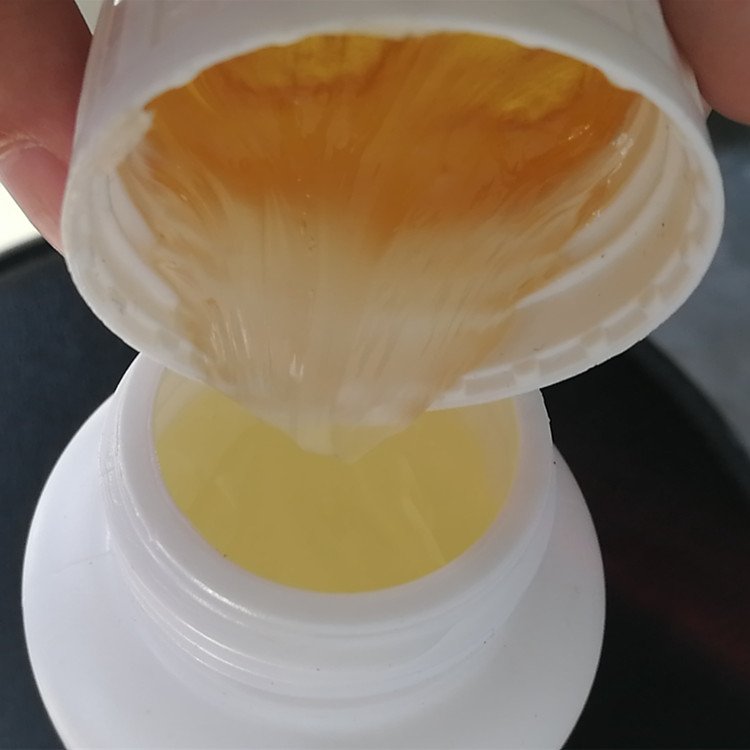
Appearance at 25 °CWhite to light yellow viscous paste / flowable gel
SolubilityEasily soluble in water; forms clear to slightly opalescent sol.
Density (25 °C)Approx. 1.05 – 1.10 g/cm³ (70% active solution, typical)
Viscosity (25 °C, 70%)Medium to high viscosity, pumpable paste (exact value per COA)
Freezing / cloud pointAround 10–15 °C (may gel at low temperature, reversible)
StabilityStable under normal storage; hygroscopic

*The above data are typical factory values for SLES 70% and can be adjusted slightly between different production batches according to customer specifications.


Product Introduction

Sodium Lauryl Ether Sulphate (SLES 70%) is produced by ethoxylation of natural or synthetic fatty alcohol (mainly C12-C14), followed by sulfation and neutralization with sodium hydroxide. The presence of 2–3 moles of ethylene oxide (EO) makes SLES milder and more soluble than straight-chain alkylbenzene sulfonates, while still ensuring high detergency and foam.

Key advantages for formulators:

  • Excellent foaming and wetting – rich, stable foam even in hard water systems
  • Good skin mildness compared with LABSA-only systems
  • High active content (70%) – flexible to dilute into different products
  • Good compatibility with other anionic, nonionic and amphoteric surfactants
  • Cost-effective choice for mass-market detergents and personal care products

This grade is suitable for household, personal care and institutional & industrial (I&I) formulations where consistent quality and competitive cost are critical.


Applications

1. Household Detergents

  • Liquid laundry detergents & gel detergents – main anionic surfactant providing detergency and foam
  • Dishwashing liquids – strong grease-cutting with rich foam, often combined with LABSA and betaines
  • Multi-purpose cleaners & floor cleaners – improves wetting and soil removal on hard surfaces

Benefits for your formulations:

  • High foam height and foam stability
  • Good performance in both soft and moderately hard water
  • Can reduce total LABSA dosage, helping to lower irritation and phosphate usage

2. Personal Care & Cosmetic Products

  • Shampoos and hair cleansers
  • Body wash, shower gel and liquid soaps
  • Facial cleansers and hand wash

In personal care, SLES is often combined with cocamidopropyl betaine and other mild co-surfactants to balance foam, skin feel and viscosity.

3. Industrial & Institutional Cleaners

  • Vehicle wash and car-care detergents
  • Textile and leather wetting & scouring agents
  • Industrial degreasers and workshop cleaners

For I&I applications, SLES offers strong wetting and emulsification of oily and particulate soils, while maintaining good rinsability.


Storage Conditions

  • Store in a cool, dry and well-ventilated area.
  • Recommended storage temperature: 5–35 °C. Avoid prolonged exposure below 5 °C (product may gel) or above 40 °C (possible quality change).
  • Keep containers tightly closed when not in use to prevent contamination and moisture uptake.
  • Protect from direct sunlight, heat sources and strong oxidizing agents.
  • Under proper storage conditions, typical shelf life is 12 months from production date; please refer to the COA for the exact guarantee period.

Safety Precautions

  • SLES is classified as an irritant to eyes and, at high concentrations or long contact time, may cause irritation to skin and respiratory tract.
  • Avoid direct contact with eyes and skin. Wear suitable gloves, protective goggles and protective clothing when handling concentrated product.
  • In case of eye contact: rinse immediately with plenty of water for at least 15 minutes and seek medical advice if irritation persists.
  • In case of skin contact: wash with soap and water; remove contaminated clothing.
  • Ensure good ventilation in the working area; avoid inhalation of aerosol or mists.
  • Do not discharge concentrated product directly into surface water or soil; follow local regulations for wastewater and waste disposal.
  • For full details, refer to the official Safety Data Sheet (SDS) supplied with the product.

FAQ - Technical & Supply Chain

  • Q:

    What structural modification differentiates Sodium Lauryl Ether Sulfate (CAS 68585-34-2) from non-ethoxylated Sodium Lauryl Sulfate (SLS)?

    A: SLES undergoes an ethoxylation process where ethylene oxide units are added to the fatty alcohol chain before sulfation; this chemical modification significantly reduces skin irritation potential and increases water solubility compared to the harsher SLS structure.
  • Q:

    How does this anionic surfactant respond to electrolyte addition in formulation thickening?

    A: In liquid detergent systems, SLES typically exhibits a sharp viscosity increase upon the addition of electrolytes such as sodium chloride (salt), allowing formulators to easily adjust the final product consistency without adding expensive thickeners.
Documents

Documents and Product Support

For product review and sourcing evaluation, supporting documents can be coordinated according to the product type, inquiry stage, and order requirements.

  • COA for batch-based quality reference
  • TDS for key physical and chemical information
  • SDS / MSDS for handling, storage, and safety reference
  • Packing information for sample, trial, and bulk orders
  • Technical communication based on application and specification requirements
Quotation

Information to Confirm Before Quotation

Clear sourcing information helps reduce specification mismatch and allows a more accurate quotation before sample or bulk order discussion.

  • Product name and CAS number
  • Application or intended end use
  • Required purity, grade, or specification
  • Sample quantity, trial order, or bulk demand
  • Preferred packing form or net weight
  • Destination country or port
  • Required documents or compliance expectations
Storage & Handling

Packaging, Storage, and Handling Notes

Packaging form, storage conditions, shelf life, and shipment arrangements should be confirmed according to the product characteristics, package size, and destination requirements.

Before order confirmation, buyers are advised to review the corresponding product documents and confirm whether any special storage, labeling, or handling requirements apply.

Supply Support

Sample, Bulk Order and Repeat Supply Support

Support can be arranged for sample discussion, bulk supply planning, packaging confirmation, and routine sourcing communication based on the actual product and order requirements.

For repeat-use formulations or long-term procurement plans, buyers may discuss specification consistency, packaging preferences, delivery expectations, and document coordination in advance.

Contact Form

Use our contact form to send us your questions, suggestions or comments. We will respond as soon as possible.