










• Linear Alkylbenzene Sulphonic Acid CAS 27176-87-0
  • Linear Alkylbenzene Sulphonic Acid CAS 27176-87-0

Linear Alkylbenzene Sulphonic Acid CAS 27176-87-0

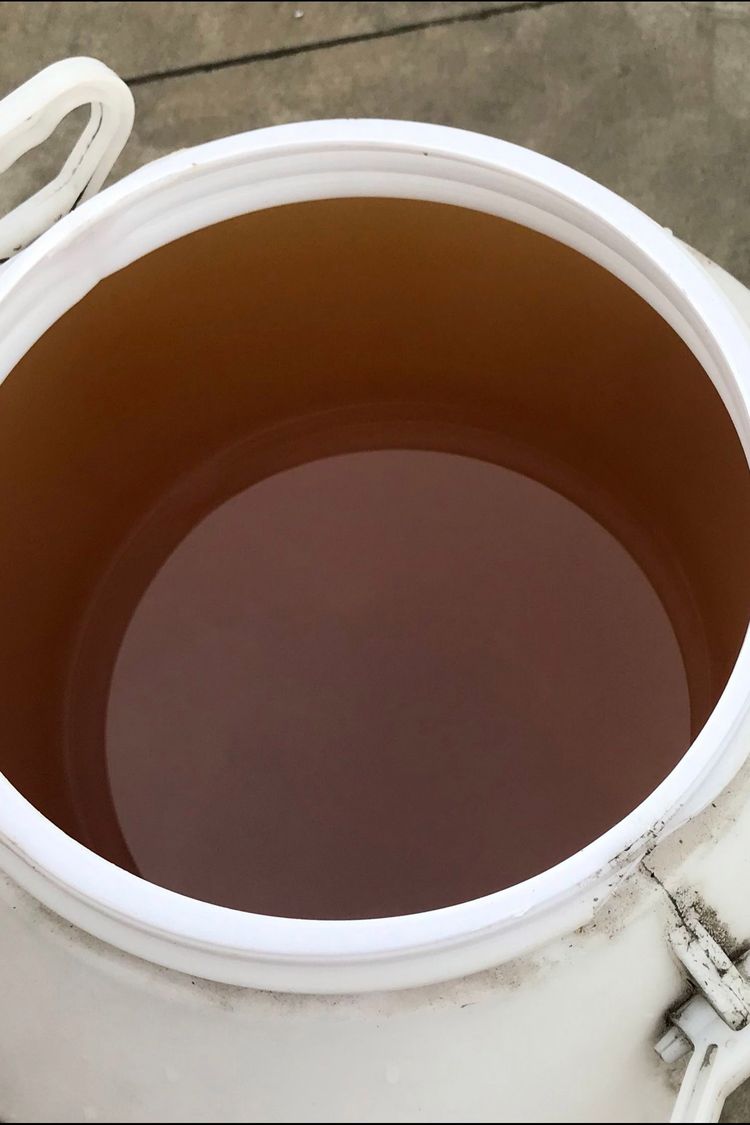
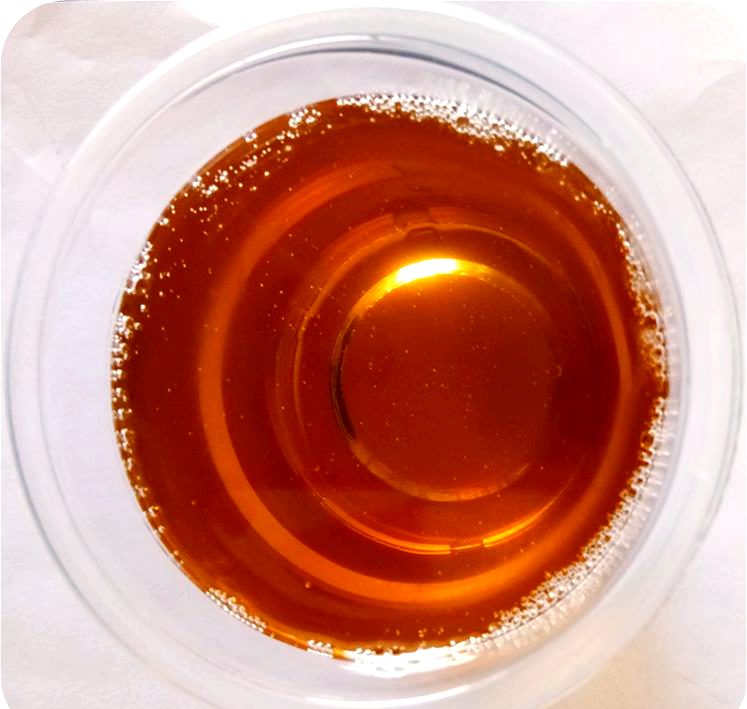
Linear Alkylbenzene Sulphonic Acid (CAS 27176-87-0), chemically identified as dodecylbenzenesulfonic acid, is a viscous anionic surfactant precursor functioning as the core active ingredient in detergent powder production and liquid cleaning formulations. This brown viscous liquid, extensively technically recognized as LABSA or DDBSA, acts as a potent hydrophilic moiety that, upon neutralization, forms salts capable of removing oils and soils in laundry powders, dishwashing liquids, and industrial cleaners. We provide bulk supply of this high-active matter ingredient with competitive factory pricing to ensure cost-efficiency for detergent manufacturers. Our production capacity supports continuous demand, making MSDS, TDS, COA available alongside customized specifications to match color and acid value requirements.

  • CAS: 27176-87-0
  • Synonyms: LABSA, Dodecylbenzenesulfonic acid, DDBSA, Alkylbenzene sulfonic acid, LABS acid
  • Einecs: 248-289-4
  • Molecular Formula: C₁₈H₃₀O₃S
  • Grade: industrial grade
  • Package: 210 kg / 215 kg plastic drum, bulk or customized packing on request
Request a quote
Share:

Product Description

Sulphonic Acid (LABSA 96%) is a high-activity anionic surfactant widely used as a key raw material in household and industrial detergents. It offers strong cleaning, wetting, foaming and emulsifying performance, and is known for its good biodegradability, making it suitable for modern detergent and cleaning formulations.

📧 Email: info@industrochem.com – Contact our IndustroChem team for the latest FOB price, COA, TDS and bulk supply details.

Physicochemical Properties

(typical reference values for industrial LABSA 96%)

ItemTypical Value
Appearance (25 °C)Brown to yellow viscous liquid
Active matter (as LABSA)≥ 96.0 %
Free oil≤ 2.0 %
Free inorganic acid (as H₂SO₄)≤ 1.5 %
Density (20–25 °C)~1.06 g/mL
Melting / pour pointAround 10 °C
pKa (20 °C)~0.7
SolubilityCompletely soluble in water; soluble in alcohols, glycol ethers and many organic solvents
Biodegradability> 90 %

Values are typical data for Chinese industrial LABSA 96% and may be adjusted according to your required specification.


Applications

Sulphonic Acid (LABSA 96%) is mainly used as:

  1. Detergent & Cleaning Raw Material
    • Base surfactant for laundry powder, liquid detergents, dishwashing liquid and household cleaners.
    • Provides high detergency, strong foaming and good soil removal on textiles and hard surfaces.
  2. Industrial & Institutional Cleaners
    • Component of carpet and floor cleaners, heavy-duty degreasers, car wash liquids and workshop cleaners.
    • Effective on oily and greasy contaminants in factories, workshops and garages.
  3. Textile & Leather Industry
    • Used as a scouring, wetting and degreasing agent in textile pre-treatment to remove oils, waxes and sizing agents.
    • Emulsifier and wetting agent for leather degreasing and finishing formulations.
  4. Paper & Pulp
    • De-inking agent and emulsifier in recycling and paper processing formulations.
  5. Other Uses
    • Surfactant component in agrochemical formulations (to improve wetting and spreading of active ingredients).
    • Auxiliary surfactant in oilfield chemicals and various industrial emulsifier blends.

For OEM/ODM detergent projects, our technical team can help you design LABSA-based formulations for different markets and performance levels.


Storage Conditions

  • Store in a cool, dry and well-ventilated warehouse, away from direct sunlight and heat sources.
  • Recommended storage temperature: ambient to cool conditions; avoid long-term exposure to temperatures near or below its pour point to prevent solidification. For high-purity reference standards, 2–8 °C storage is typical.
  • Keep containers tightly closed when not in use to avoid moisture uptake and contamination.
  • Keep away from strong oxidizing agents, strong bases and reactive metals, as the product is strongly acidic and corrosive to many materials.
  • Use acid-resistant tanks, lined drums or IBCs recommended by your engineering team for bulk storage.

Safety Precautions

Sulphonic Acid (LABSA) is a corrosive organic acid. Proper industrial handling procedures are required:

  • Hazard characteristics
    • Strong acid, causes severe skin burns and serious eye damage.
    • Corrosive to many metals; reacts with bases and reactive metals with heat release.
  • Personal protective equipment (PPE)
    • Wear acid-resistant gloves, long-sleeve protective clothing and closed shoes.
    • Use chemical splash goggles and/or face shield to protect eyes and face.
    • In poorly ventilated areas or when handling large quantities, use suitable respiratory protection according to your plant EHS rules.
  • Handling advice
    • Avoid all contact with skin and eyes; do not breathe mist or vapors.
    • Always add acid to water slowly when preparing dilutions, not the other way around.
    • Provide local exhaust or general ventilation in filling and dosing areas
  • First-aid (summary)
    • Skin contact: Immediately remove contaminated clothing and rinse skin with plenty of water for at least 15 minutes; seek medical attention.
    • Eye contact: Rinse cautiously with water for several minutes, holding eyelids open; remove contact lenses if easy, continue rinsing and get urgent medical help.
    • Inhalation: Move the person to fresh air, keep warm and at rest; seek medical attention if symptoms persist.
    • Ingestion: Rinse mouth, do NOT induce vomiting, and get immediate medical assistance.

FAQ - Technical & Supply Chain

  • Q:

    What is the chemical relationship between Linear Alkylbenzene Sulphonic Acid (CAS 27176-87-0) and Sodium Dodecylbenzenesulfonate?

    A: Linear Alkylbenzene Sulphonic Acid (LABSA) is the acidic precursor which, when neutralized with caustic soda (sodium hydroxide), converts into Sodium Dodecylbenzenesulfonate (LAS), the actual active detergent salt found in finished washing powders.
  • Q:

    Does this acid grade require handling precautions during the industrial sulfonation or neutralization process?

    A: Yes, as a strong organic acid (LABSA), it is corrosive and generates heat during neutralization; it is intended for use in controlled industrial reactors where it is mixed with alkaline bases to produce the final surfactant slurry.
Documents

Documents and Product Support

For product review and sourcing evaluation, supporting documents can be coordinated according to the product type, inquiry stage, and order requirements.

  • COA for batch-based quality reference
  • TDS for key physical and chemical information
  • SDS / MSDS for handling, storage, and safety reference
  • Packing information for sample, trial, and bulk orders
  • Technical communication based on application and specification requirements
Quotation

Information to Confirm Before Quotation

Clear sourcing information helps reduce specification mismatch and allows a more accurate quotation before sample or bulk order discussion.

  • Product name and CAS number
  • Application or intended end use
  • Required purity, grade, or specification
  • Sample quantity, trial order, or bulk demand
  • Preferred packing form or net weight
  • Destination country or port
  • Required documents or compliance expectations
Storage & Handling

Packaging, Storage, and Handling Notes

Packaging form, storage conditions, shelf life, and shipment arrangements should be confirmed according to the product characteristics, package size, and destination requirements.

Before order confirmation, buyers are advised to review the corresponding product documents and confirm whether any special storage, labeling, or handling requirements apply.

Supply Support

Sample, Bulk Order and Repeat Supply Support

Support can be arranged for sample discussion, bulk supply planning, packaging confirmation, and routine sourcing communication based on the actual product and order requirements.

For repeat-use formulations or long-term procurement plans, buyers may discuss specification consistency, packaging preferences, delivery expectations, and document coordination in advance.

Contact Form

Use our contact form to send us your questions, suggestions or comments. We will respond as soon as possible.