• Cocamidopropyl Betaine Powder CAS 61789-40-0
  • Cocamidopropyl Betaine Powder CAS 61789-40-0

Cocamidopropyl Betaine Powder CAS 61789-40-0

Cocamidopropyl Betaine Powder (CAS 61789-40-0) is a high-concentration, spray-dried amphoteric surfactant utilizing a fatty acid amide backbone, utilized primarily in concentrated solid cleansing formulations and powdered detergent systems. This anhydrous CAPB solid functions as a mild secondary surfactant and foam booster, providing superior viscosity building and irritation mitigation compared to standard liquid grades in Coco amido propyl betaine based syndet bars. As a concentrated Cocamidopropyl dimethyl glycine derivative, it serves as a critical Coconut oil amidopropyl betaine component for anhydrous hygiene products and industrial cleaning powders where liquid water content is restricted. We provide this dry surfactant with competitive factory pricing to support solid dose manufacturing and ensure bulk supply availability for dry blending operations. Our facility accommodates customized specifications for active content (typically >80%) and mesh size, while every shipment is fully documented with MSDS, TDS, COA files to meet global regulatory standards.

  • CAS: 61789-40-0
  • Synonyms: CAPB, Coco amido propyl betaine, CADG, Cocamidopropyl dimethyl glycine
  • Einecs: 263-058-8
  • Molecular Formula: C₁₉H₃₈N₂O₃
  • Grade: Cosmetic / Personal Care Grade, also suitable for high-end household & industrial cleaners
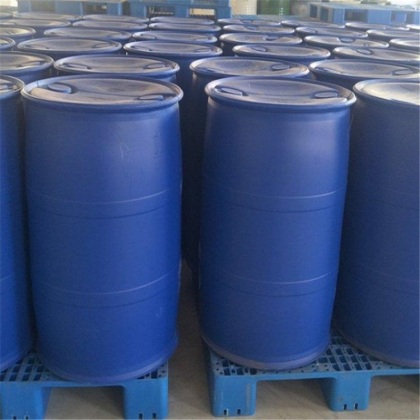
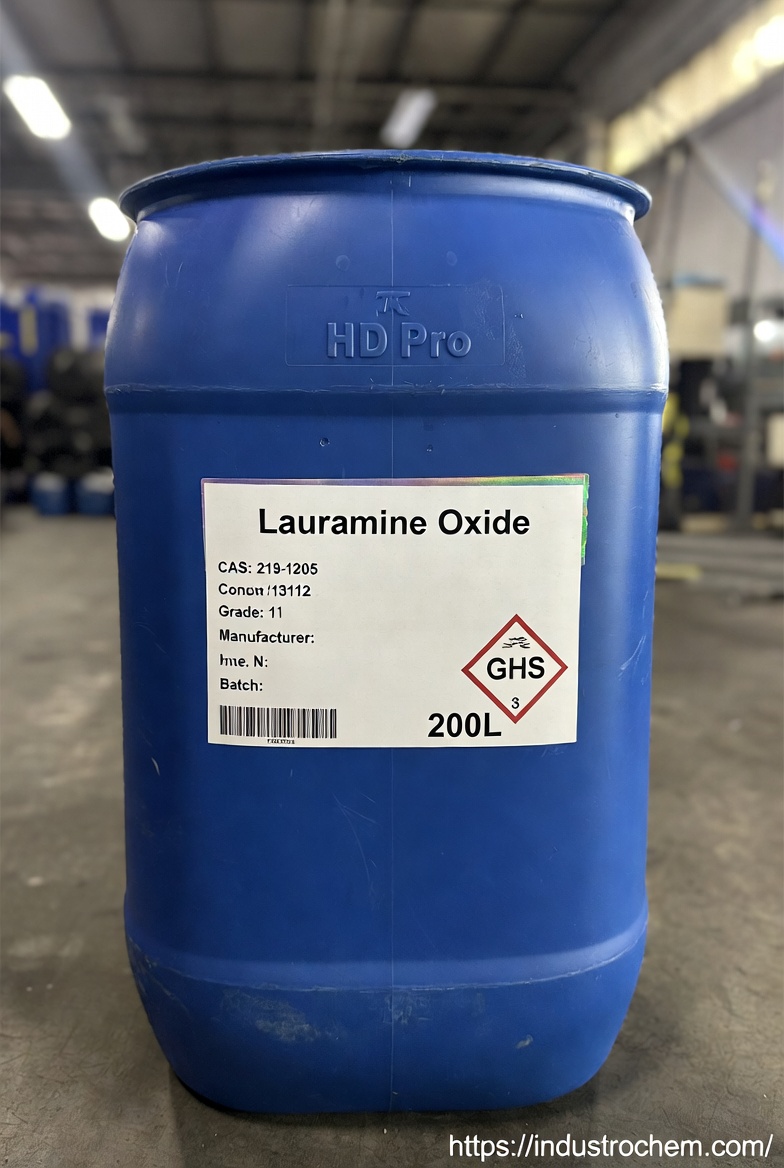
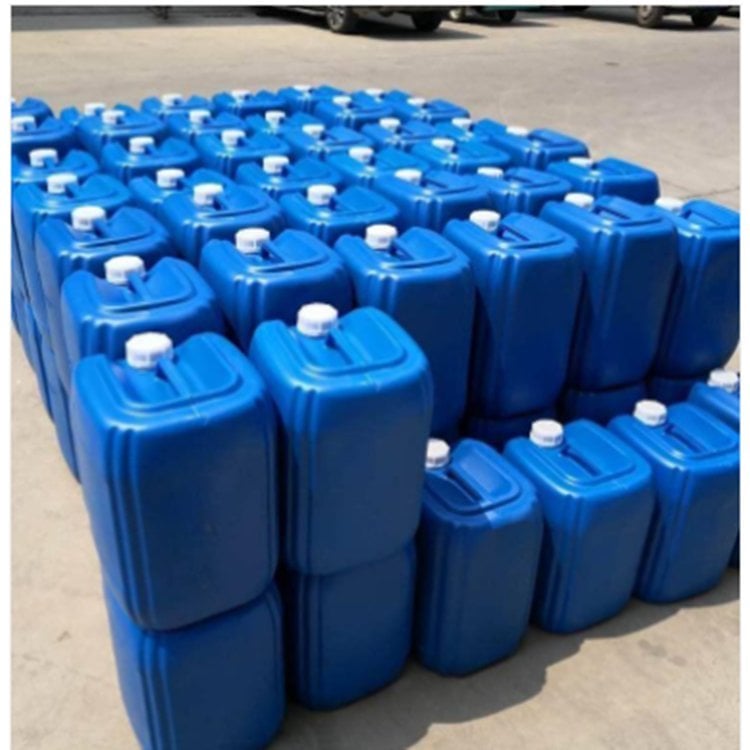
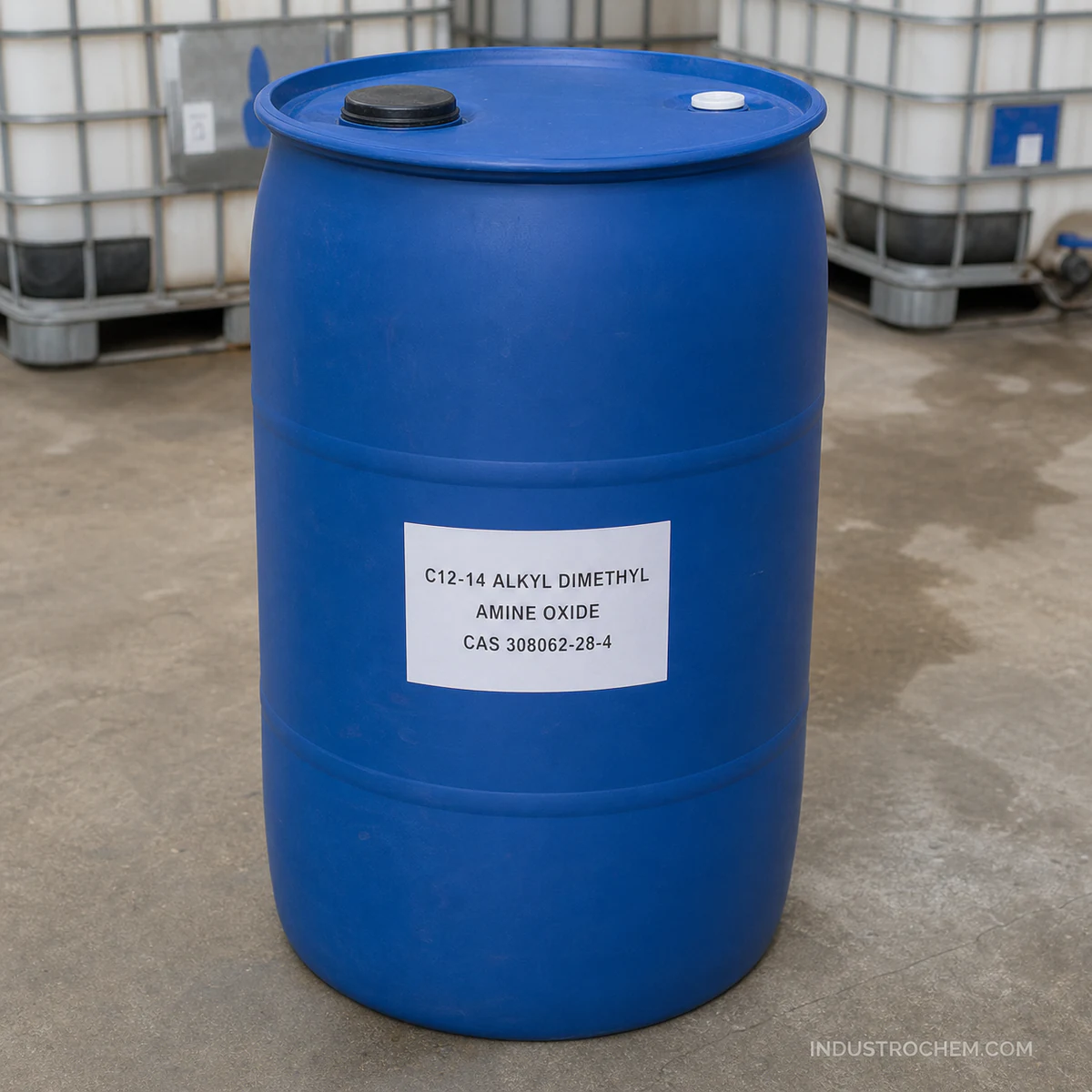
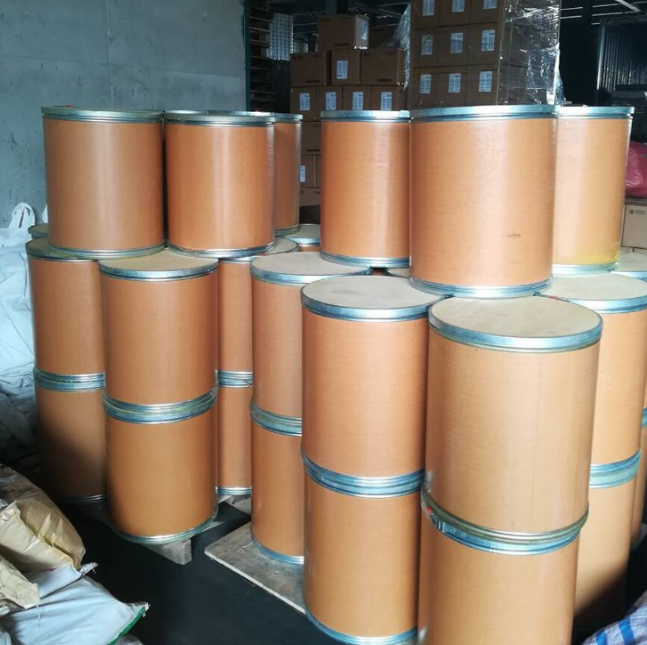
  • Package: 20–25 kg kraft bag or fiber drum with PE liner, or customized packing on request
Request a quote
Share:

Product Description

Cocamidopropyl Betaine (CAPB) powder is a high-active amphoteric surfactant derived from coconut oil. It combines excellent foaming, mild cleansing and viscosity-building properties, making it ideal for personal care, household and industrial cleaning formulations where low irritation and rich foam are required.

📧 Email: info@industrochem.com – Contact us for the latest bulk price, technical data sheet (TDS) and free formulation support.

Physicochemical Properties

ItemTypical Value / Range
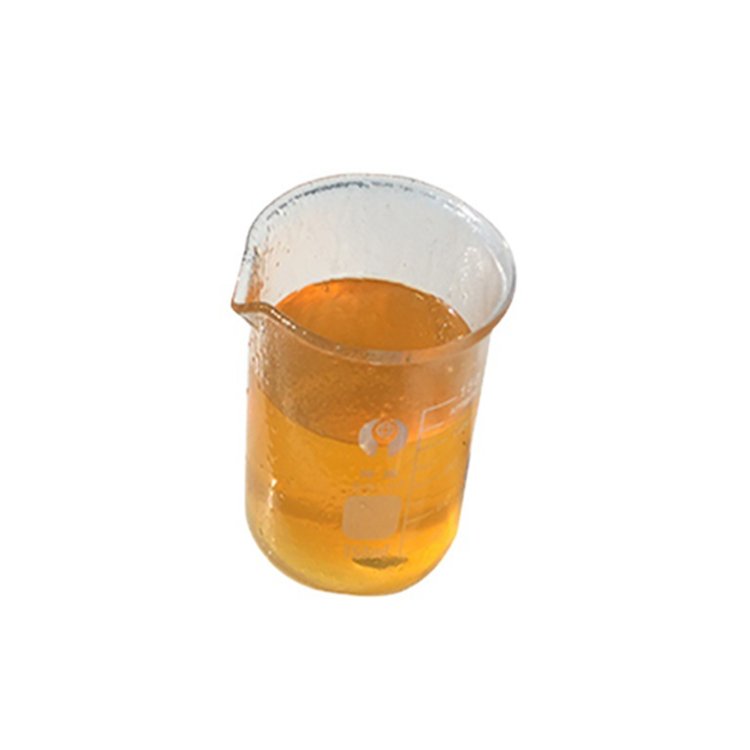
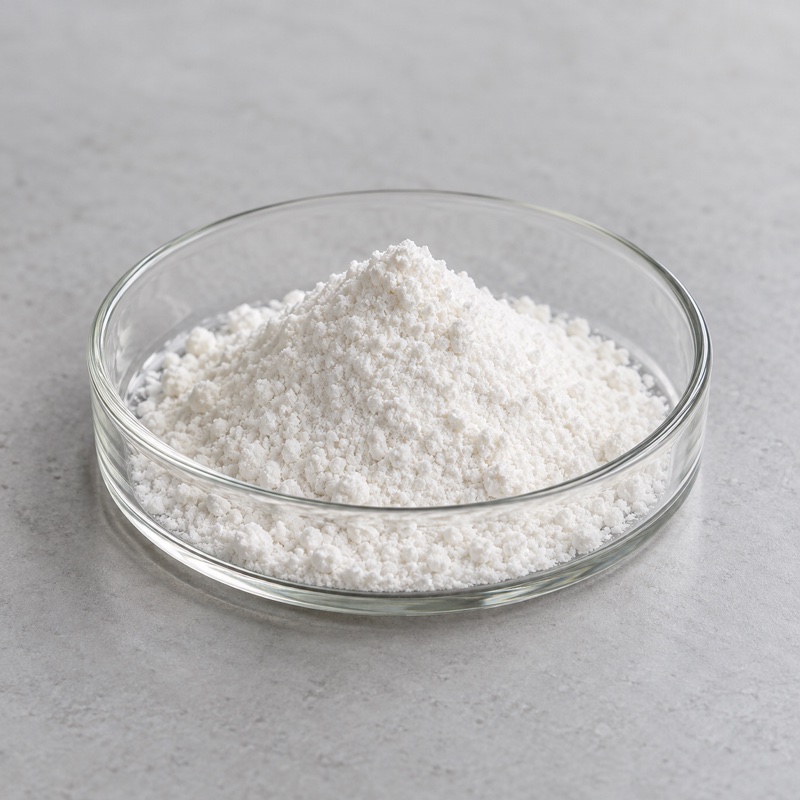
AppearanceWhite to off-white free-flowing powder
OdorMild, characteristic
Active Matter (as CAPB)≥ 95.0 wt%
Moisture Content≤ 3.0 wt%
pH (1% aqueous solution, 25°C)5.0 – 7.0
Sodium Chloride≤ 3.0 wt%
Amine Value≤ 5.0 mg KOH/g
Color (1% solution, Hazen/APHA)≤ 200
SolubilityReadily soluble in water
Foam PerformanceHigh, stable foam
BiodegradabilityReadily biodegradable
Ionic NatureAmphoteric (zwitterionic)

Applications

1. Personal Care & Cosmetics

  • Shampoos & 2-in-1 products:
    • Used as a secondary surfactant to improve foam richness, stability and conditioning feel.
    • Helps reduce irritation caused by primary anionic surfactants.
  • Body wash, shower gel & liquid soap:
    • Provides mild but effective cleansing with creamy lather.
    • Improves skin feel after rinsing, suitable for daily-use products.
  • Facial cleansers & micellar products:
    • Gentle cleansing for sensitive skin formulas.
    • Good compatibility with commonly used skincare actives.
  • Baby shampoos & bath products:
    • Low irritation and mild sensory profile make it suitable for baby and family products when properly formulated and tested.

2. Home Care & Institutional Cleaning

  • Dishwashing liquids & foam cleaners:
    • Enhances foam height and stability, especially in hand dishwashing liquids.
    • Good performance in hard water and oily soil removal.
  • Household surface & bathroom cleaners:
    • Provides wetting and detergency for ceramic tiles, sanitary ware, and general surfaces.
  • Car care & foam wash products:
    • Used in high-foam car shampoos and foam lance formulations for thick, stable foam.

3. Industrial & Specialty Uses

  • Industrial detergents and degreasers:
    • Combines high foaming and mildness for manual cleaning operations.
  • Textile and leather auxiliaries:
    • Serves as a wetting and detergent component in some pre-treatment baths.
  • Agricultural & other formulations:
    • Can act as a adjuvant / wetting agent in certain formulations (subject to regulatory requirements).

Storage Conditions

  • Store in a cool, dry and well-ventilated warehouse.
  • Keep packaging tightly closed to avoid moisture absorption and caking.
  • Protect from direct sunlight, heat sources and strong oxidizing agents.
  • Recommended storage temperature: 5–30°C.
  • Under proper storage conditions, the typical shelf life is 12–24 months from production date.
  • Always rotate stock on a first-in, first-out (FIFO) basis to ensure best performance.

Safety Precautions

Although Cocamidopropyl Betaine is considered a mild surfactant, the powder and its solutions should be handled with standard chemical safety practices:

  • Avoid contact with eyes and prolonged contact with skin. In case of contact, rinse immediately with plenty of water.
  • Avoid inhaling dust; use local exhaust ventilation and/or dust masks if dust may be generated.
  • Wear suitable protective gloves, goggles and work clothing when handling bulk product.
  • Do not eat, drink or smoke while handling the material; wash hands thoroughly after work.
  • In case of accidental spill, sweep up carefully (avoid raising dust), collect into suitable containers and rinse the area with water.
  • Keep out of reach of children and untrained personnel.
  • For detailed hazard classification, first-aid measures and transport information, refer to the product SDS provided with the shipment.

FAQ - Technical & Supply Chain

  • Q:

    How does the powder form under CAS 61789-40-0 differ from standard liquid grades?

    A: While CAS 61789-40-0 covers the chemical identity generally, the powder form is a highly concentrated (>80% active), spray-dried solid designed for water-free formulations (like solid shampoo bars), whereas liquid grades are typically 30-45% aqueous solutions.
  • Q:

    Is this amphoteric surfactant compatible with anionic systems?

    A: Yes, this material is typically applied in conjunction with anionic surfactants (like SLS/SLES) in solid cleansing formulations to reduce irritation and enhance foam stability through synergistic interaction.
Documents

Documents and Product Support

For product review and sourcing evaluation, supporting documents can be coordinated according to the product type, inquiry stage, and order requirements.

  • COA for batch-based quality reference
  • TDS for key physical and chemical information
  • SDS / MSDS for handling, storage, and safety reference
  • Packing information for sample, trial, and bulk orders
  • Technical communication based on application and specification requirements
Quotation

Information to Confirm Before Quotation

Clear sourcing information helps reduce specification mismatch and allows a more accurate quotation before sample or bulk order discussion.

  • Product name and CAS number
  • Application or intended end use
  • Required purity, grade, or specification
  • Sample quantity, trial order, or bulk demand
  • Preferred packing form or net weight
  • Destination country or port
  • Required documents or compliance expectations
Storage & Handling

Packaging, Storage, and Handling Notes

Packaging form, storage conditions, shelf life, and shipment arrangements should be confirmed according to the product characteristics, package size, and destination requirements.

Before order confirmation, buyers are advised to review the corresponding product documents and confirm whether any special storage, labeling, or handling requirements apply.

Supply Support

Sample, Bulk Order and Repeat Supply Support

Support can be arranged for sample discussion, bulk supply planning, packaging confirmation, and routine sourcing communication based on the actual product and order requirements.

For repeat-use formulations or long-term procurement plans, buyers may discuss specification consistency, packaging preferences, delivery expectations, and document coordination in advance.

Contact Form

Use our contact form to send us your questions, suggestions or comments. We will respond as soon as possible.