









• Alkyl Polyglucosides CAS 161074-97-1
  • Alkyl Polyglucosides CAS 161074-97-1

Alkyl Polyglucosides CAS 161074-97-1

Alkyl Polyglucosides (CAS 161074-97-1), specifically identified as Caprylyl/Capryl Glucoside, is a non-ionic surfactant derived from renewable glucose and C8-C10 fatty alcohols, utilized primarily in industrial cleaning formulations and agrochemical adjuvants. This C8-10 alkyl glucoside functions as a superior wetting agent and hydrotrope, exhibiting exceptional stability in high-alkaline environments where standard ethoxylates may degrade. Unlike longer-chain APG surfactants, this specific oligomeric composition offers high foaming solubility and low streaking properties, making it an essential decyl octyl glycoside component for hard surface cleaners and institutional detergents. We provide this surface-active material with competitive factory pricing to support detergent manufacturing and ensure bulk supply availability for liquid blending operations. Our facility accommodates customized specifications for solid content and pH levels, while every shipment is fully documented with MSDS, TDS, COA files to ensure regulatory compliance.

  • CAS: 161074-97-1
  • Synonyms: aprylyl/Capryl Glucoside, C8-10 Alkyl Glucoside, Decyl Octyl Glycosides
  • Einecs: 500-220-1
  • Molecular Formula: C₁₆H₃₂O₆
  • Grade: Cosmetic / home care / industrial cleaning grade
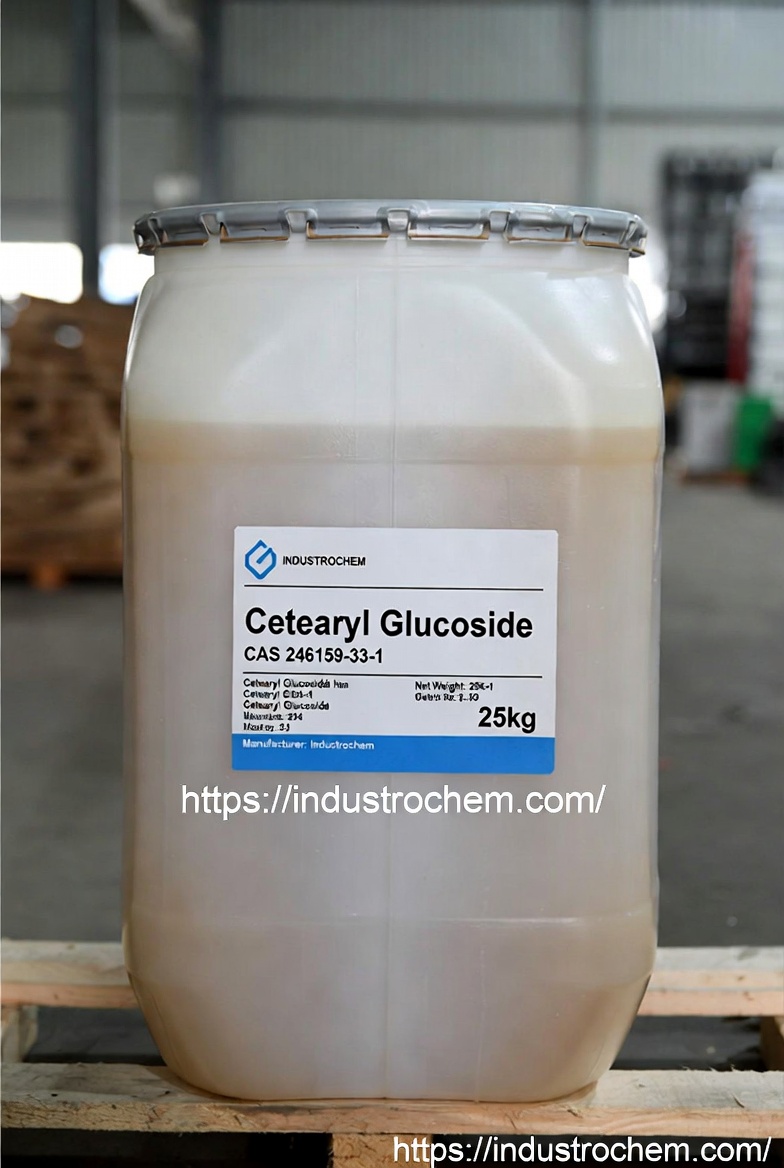
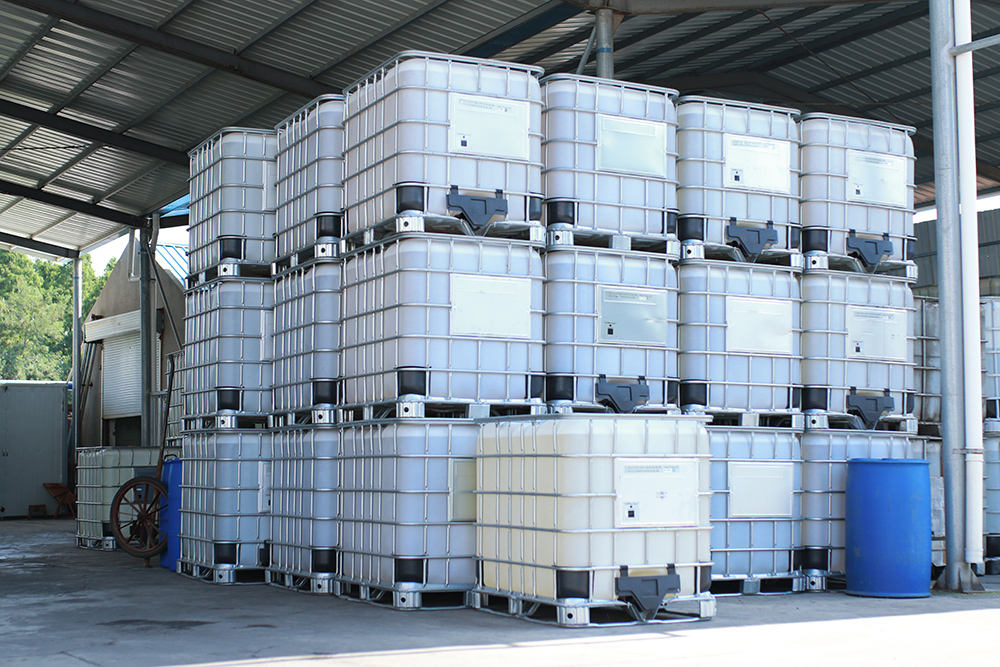
  • Package: 200 kg HDPE drum or 1000 kg IBC tote; other packing on request
Request a quote
Share:

Product Description

Alkyl Polyglucosides (APG, C8–C10) are mild, non-ionic surfactants made from natural glucose and fatty alcohols. They combine strong detergency and wetting power with excellent skin mildness and rapid biodegradability, making them a popular “green” alternative to traditional surfactants in personal care, home care and industrial cleaning formulations.

📧 For detailed COA, TDS and latest price, please contact: Email: info@industrochem.com

Physicochemical Properties

PropertyTypical value
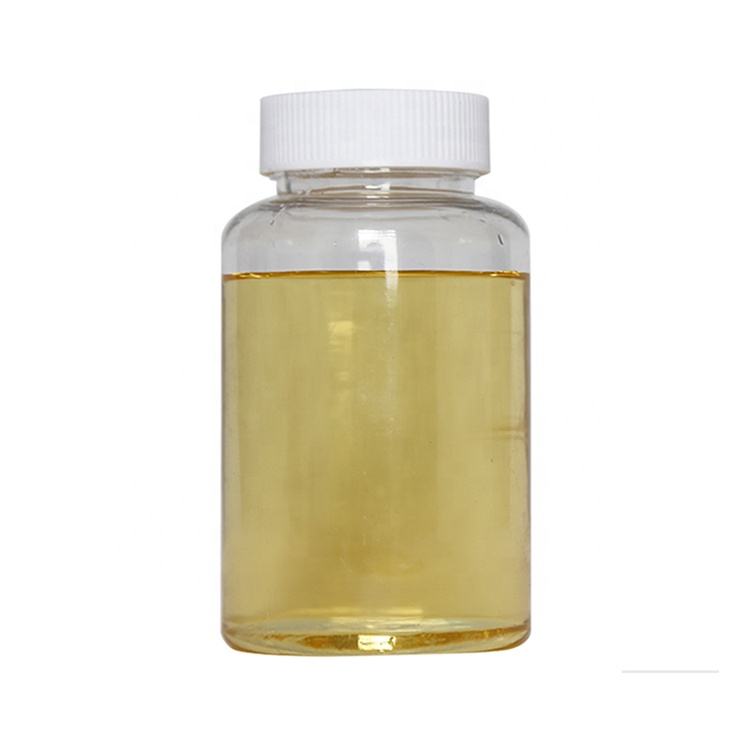
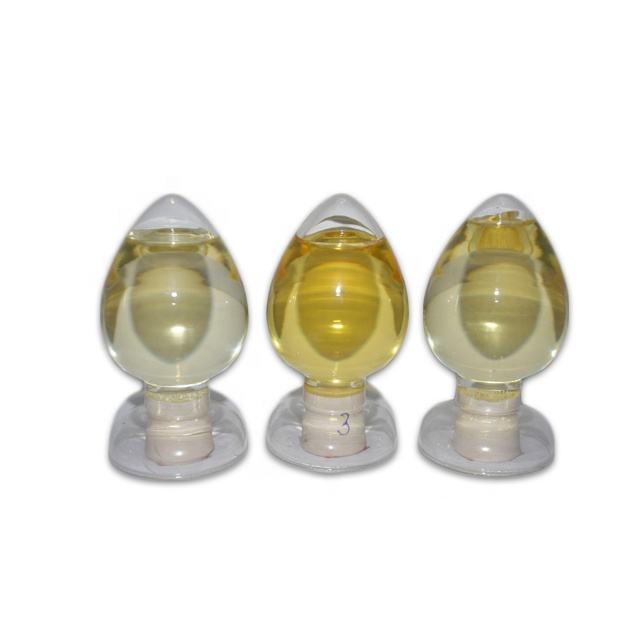
Appearance (25 °C)Pale yellow to yellow clear liquid
Chemical natureC8–10 Alkyl Polyglucoside (non-ionic)
Active matter (solid content)50.0–52.0 % w/w
pH (20 °C, 10% aq. solution)11.5 – 12.5
Density (20 °C)~1.15 g/mL
Viscosity (20 °C)200 – 600 mPa·s
SolubilityCompletely soluble in water
Foam performanceRich, fine and stable foam
Surface activityGood wetting and detergency
BiodegradabilityReadily biodegradable
Shelf life24 months in unopened original package

Applications

1. Personal care

  • Sulfate-free and low-irritation shampoos, body washes, facial cleansers, hand soaps
  • Baby care and sensitive-skin products where mildness and “naturally derived” positioning are important
  • Co-surfactant to improve foam quality and reduce irritation of anionic surfactants

2. Home care & household cleaning

  • Dishwashing liquids, kitchen cleaners, bathroom cleaners
  • All-purpose and hard-surface cleaners (tiles, glass, stainless steel)
  • Floor cleaners and spray-and-wipe products requiring good wetting and low streaking

3. Industrial & institutional (I&I) cleaning

  • Formulations for institutional kitchens, laundry pre-spotters and transport cleaning
  • Built detergents for metal, plastic and coated surfaces where low foam residue is required
  • Component in concentrates to boost wetting, detergency and compatibility

4. Other formulation uses

  • Agrochemical adjuvants and tank-mix adjuvants to improve wetting and spreading on leaves
  • Textile pretreatment and washing auxiliaries
  • Green-label product lines where renewable and biodegradable surfactants are mandatory

Storage Conditions

  • Store in tightly closed original containers at 5–40 °C in a dry, well-ventilated warehouse.
  • Protect from freezing, direct sunlight and high heat. If partial crystallization or sedimentation occurs during cold storage, warm gently and stir until homogeneous before use.
  • Avoid prolonged exposure to air to minimize carbonation and potential pH drift.
  • Under recommended storage conditions, the shelf life is 24 months from production date.

Safety Precautions

Alkyl Polyglucosides are generally considered low toxicity and mild surfactants in end-use formulations. However, the concentrated product is classified as causing serious eye damage (GHS05, H318), so appropriate industrial hygiene measures are necessary.

  • Avoid contact with eyes and skin. Wear chemical-resistant gloves, safety goggles/face shield and protective clothing when handling bulk product.
  • Do not breathe mists or vapors; ensure good ventilation in production and filling areas.
  • In case of eye contact, rinse cautiously with water for several minutes and seek medical advice if irritation persists.
  • Prevent spillage from entering drains and watercourses; absorb with inert material and dispose of according to local regulations.
  • Keep away from food, beverages and animal feed.

FAQ - Technical & Supply Chain

  • Q:

    How does the specific chain length of CAS 161074-97-1 distinguish it from other Alkyl Polyglucosides?

    A: CAS 161074-97-1 strictly identifies the C8-C10 (Caprylyl/Capryl) alkyl chain length variant, which provides superior hydrotropic and solubility properties compared to C12-C14 (Lauryl) glucosides which are more lipophilic.
  • Q:

    Is this surfactant stable in highly alkaline industrial cleaners?

    A: Yes, this material is typically intended for use in high-pH caustic formulations (such as bottle washing or metal cleaning) due to its resistance to hydrolysis in alkaline media.
Documents

Documents and Product Support

For product review and sourcing evaluation, supporting documents can be coordinated according to the product type, inquiry stage, and order requirements.

  • COA for batch-based quality reference
  • TDS for key physical and chemical information
  • SDS / MSDS for handling, storage, and safety reference
  • Packing information for sample, trial, and bulk orders
  • Technical communication based on application and specification requirements
Quotation

Information to Confirm Before Quotation

Clear sourcing information helps reduce specification mismatch and allows a more accurate quotation before sample or bulk order discussion.

  • Product name and CAS number
  • Application or intended end use
  • Required purity, grade, or specification
  • Sample quantity, trial order, or bulk demand
  • Preferred packing form or net weight
  • Destination country or port
  • Required documents or compliance expectations
Storage & Handling

Packaging, Storage, and Handling Notes

Packaging form, storage conditions, shelf life, and shipment arrangements should be confirmed according to the product characteristics, package size, and destination requirements.

Before order confirmation, buyers are advised to review the corresponding product documents and confirm whether any special storage, labeling, or handling requirements apply.

Supply Support

Sample, Bulk Order and Repeat Supply Support

Support can be arranged for sample discussion, bulk supply planning, packaging confirmation, and routine sourcing communication based on the actual product and order requirements.

For repeat-use formulations or long-term procurement plans, buyers may discuss specification consistency, packaging preferences, delivery expectations, and document coordination in advance.

Contact Form

Use our contact form to send us your questions, suggestions or comments. We will respond as soon as possible.