









Chemical products
  • Cetearyl Glucoside CAS 246159-33-1

Cetearyl Glucoside CAS 246159-33-1

Cetearyl Glucoside is supplied as an alkyl polyglucoside-based nonionic emulsifier, derived from fatty alcohols and glucose, and positioned as a formulation ingredient for oil-in-water (O/W) emulsion systems. It is commonly used in combination with cetearyl alcohol to form stable emulsifier systems for creams and lotions. For APG surfactant systems used mainly in cleansing blends, Decyl Glucoside is a related glucoside product to compare separately from cetearyl-glucoside emulsifier systems.

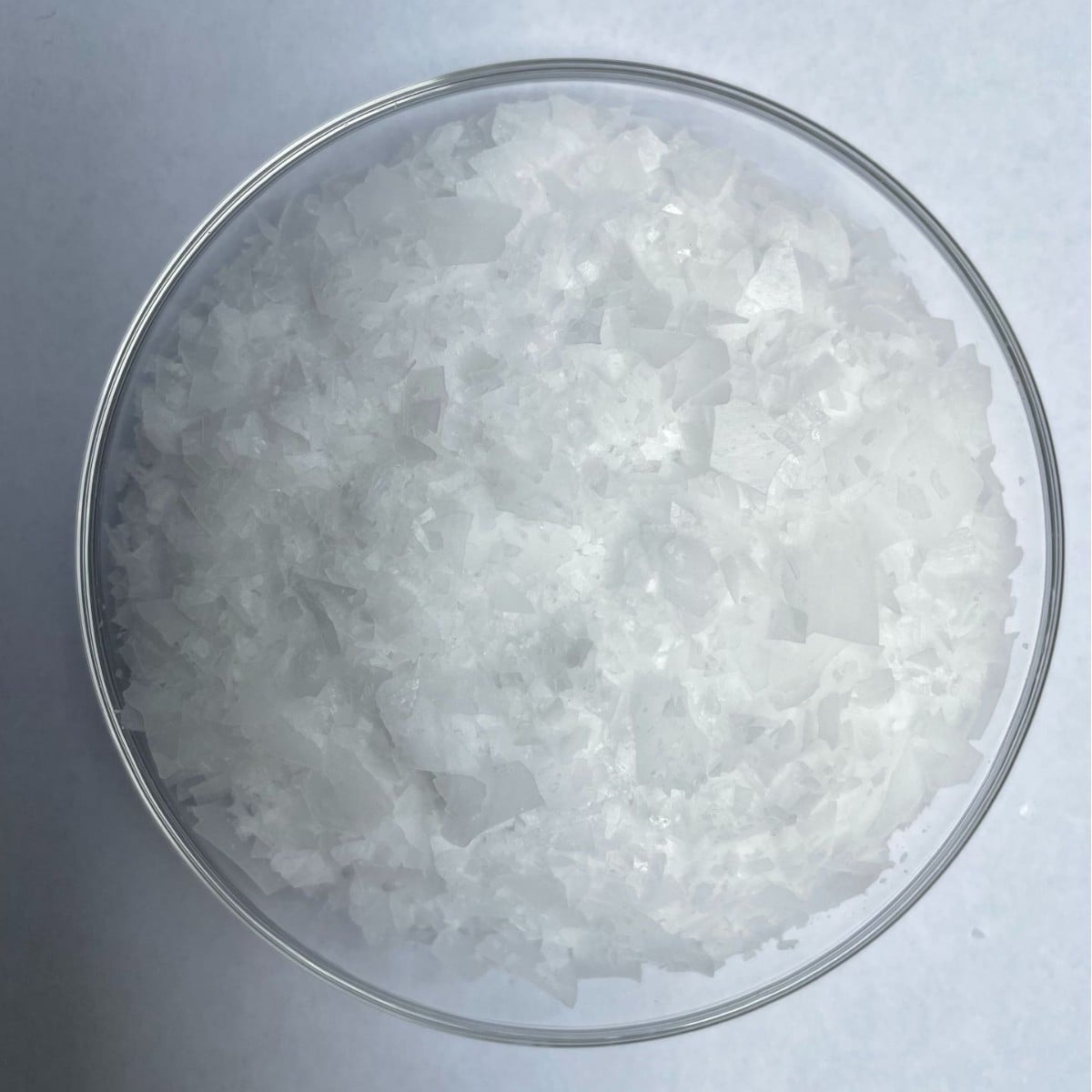
In commercial supply, this material is typically provided as a solid flake or pellet, often as part of a formulated blend rather than a standalone pure substance, allowing improved processing and consistency in emulsification. It is suitable for use in cosmetic and personal care formulations where mildness, stability, and compatibility with other ingredients are required. Standard packaging and documentation (COA, TDS, SDS) are available for formulation development and bulk supply.

  • CAS: 246159-33-1
  • Synonyms: Cetearyl Alcohol Glucoside; Alkyl Polyglucoside C16-18
  • Grade: Typically supplied for cosmetic formulation use
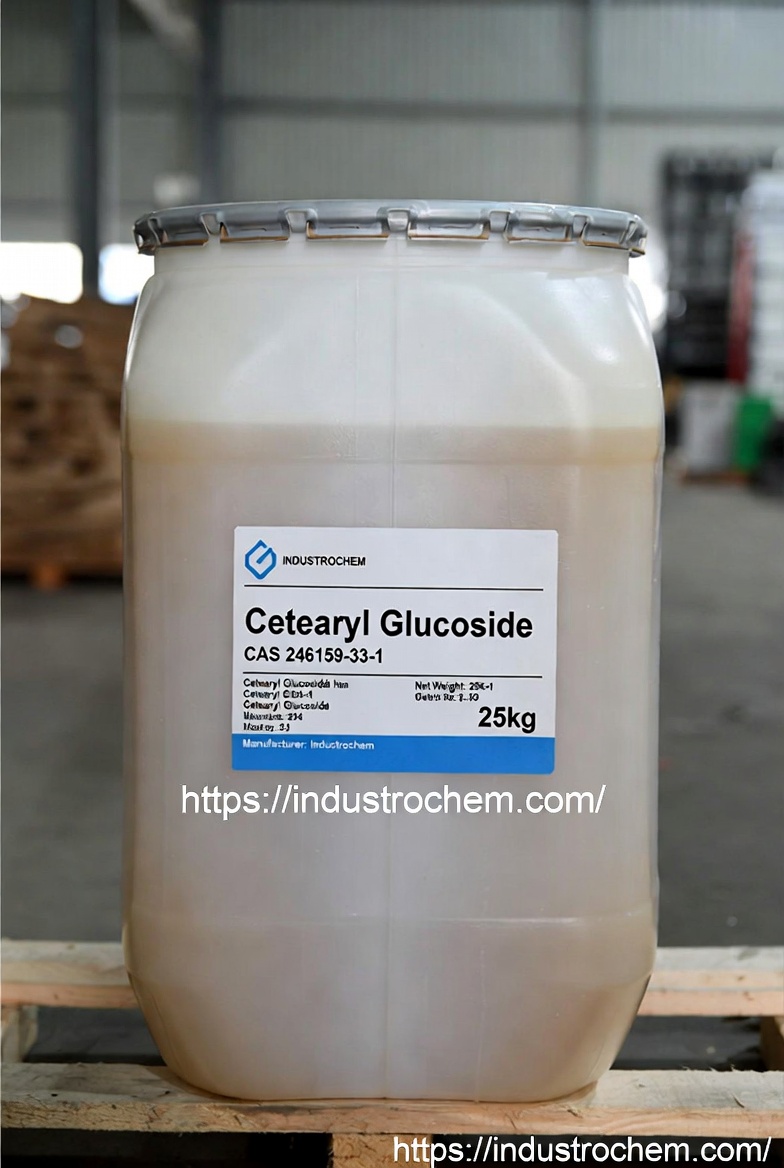
  • Package: Available in bags, fiber drums, or lined containers; packaging arranged according to product form and order volume
Request a quote
Share:

Product Description

Physicochemical Properties

ItemDescription
AppearanceWhite to off-white flakes or pellets
OdorMild characteristic odor
SolubilityDispersible in water; forms emulsions upon heating
Melting RangeTypically 65–75°C (depends on formulation/blend)
pH (aqueous dispersion)Neutral to mildly acidic
Ionic CharacterNonionic
Emulsification TypeOil-in-water (O/W) emulsifier
CompatibilityCompatible with anionic, cationic, and amphoteric surfactants

Typical Applications

  • Creams and lotions (oil-in-water emulsions)
  • Skin care formulations requiring mild nonionic emulsifiers
  • Hair care products such as conditioners and treatment creams
  • Formulated emulsifier systems combined with fatty alcohols

Application suitability should be evaluated based on formulation design and local regulatory requirements.

Packaging

Cetearyl Glucoside is supplied in solid form, typically as flakes or pellets, and packed in sealed, moisture-resistant containers such as bags, fiber drums, or lined cartons. Inner packaging is designed to protect the material from humidity and contamination during storage and transport. Packaging formats can be adjusted according to order quantity and export logistics requirements.

Storage

Store in a cool, dry, and well-ventilated area. Keep containers tightly sealed to prevent moisture absorption and contamination. Avoid exposure to excessive heat and direct sunlight, which may affect product consistency. Maintain package integrity during storage and transport to ensure stable handling and performance.

For adjacent nonionic emulsifier pages, review Steareth-21, Polysorbate 80, and Polyglyceryl-4 Oleate.

FAQ - Technical & Supply Chain

  • Q:

    What is Cetearyl Glucoside CAS 246159-33-1?

    A: It is a mild nonionic alkyl polyglucoside emulsifier based on C16-18 fatty alcohol and glucose. The INCI name is Cetearyl Glucoside, and it is widely used to stabilize oil-in-water cosmetic emulsions.
  • Q:

    Is Cetearyl Glucoside supplied as a single pure compound?

    A: Not always. Commercial cosmetic grades are frequently supplied as a formulated emulsifying blend with cetearyl alcohol, because this combination forms stable O/W emulsions more easily than the glucoside alone. The exact composition and active content should be confirmed for the selected grade.
  • Q:

    What is the typical appearance and melting behavior?

    A: It is commonly supplied as white to off-white flakes, pellets, or powder. Reported melting ranges vary by grade and blend, with many commercial materials melting around 60-75 C, so the material is normally handled as a solid in hot-process emulsification.
  • Q:

    What kind of emulsifier is Cetearyl Glucoside?

    A: It is a nonionic oil-in-water emulsifier with broad compatibility and a mild skin profile. Depending on the commercial system, the HLB value may fall roughly in the 11-15 range, which supports stable O/W creams, lotions, and similar products.
  • Q:

    How should Cetearyl Glucoside be incorporated into a cream or lotion?

    A: It is normally added to the heated oil phase together with the required fatty alcohol and other oil-soluble ingredients, then emulsified with the heated water phase. Typical use levels for commercial emulsifying blends are commonly around 3-6% in the finished formulation, but the recommended level should be confirmed for the specific grade.

Ordering & Documentation

Key information for document requests, quotations, and supply planning.

Documents

COA, TDS, SDS/MSDS and packing details are available on request.

Quotation

Send the CAS number, grade, quantity, packing preference and destination.

Sample & Supply

Support is available for samples, trial orders, bulk and repeat supply.

Storage & Shipping

Product-specific conditions are confirmed before order.

Contact Form

Use our contact form to send us your questions, suggestions or comments. We will respond as soon as possible.