










•  Coconut Diethanolamide CAS 68603-42-9
  •  Coconut Diethanolamide CAS 68603-42-9

 Coconut Diethanolamide CAS 68603-42-9

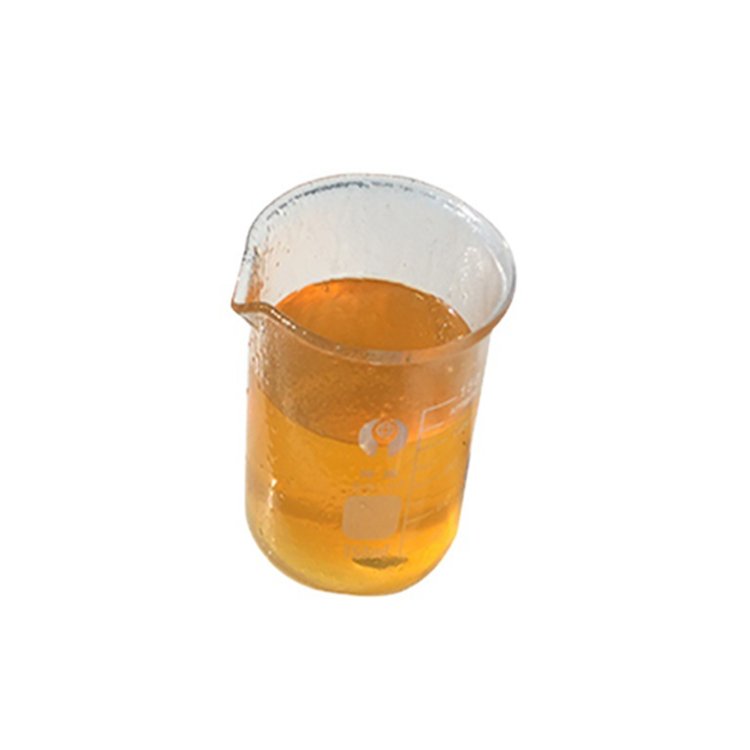
Coconut Diethanolamide (CAS 68603-42-9), chemically identified as Amides, coco, N,N-bis(hydroxyethyl), is a non-ionic surfactant functioning as a premier foam booster and viscosity builder in personal care formulations and liquid detergents. This viscous amber liquid, widely technically recognized as Cocamide DEA or CDEA, serves as a stabilizing agent to enhance foam density and emulsify oils in shampoos, hand soaps, and dishwashing liquids. We provide bulk supply of this cosmetic grade ingredient with competitive factory pricing to ensure cost-effective production for daily chemical manufacturers. Our quality control ensures strict compliance with purity standards, making MSDS, TDS, COA available alongside customized specifications to meet precise formulation stability requirements.

  • CAS: 68603-42-9
  • Synonyms: Cocamide DEA, Amides coco N,N-bis(hydroxyethyl), N,N-bis(2-hydroxyethyl)cocoamide, coconut fatty acid diethanolamide, CDEA
  • Einecs: 271-657-0
  • Molecular Formula: C11h23con(CH2CH2oh)2
  • Grade: Industrial / Cosmetic grade, typical active content ~85%
  • Package: 200 kg net HDPE drums 1000 kg IBC tanks Bulk / ISO tank or customized packing on request
Request a quote
Share:

Product Description

Liquid Coconut Diethanolamide (CDEA, 6501) is a non-ionic surfactant made from coconut fatty acids and diethanolamine. It offers excellent foaming, thickening and detergency, and is widely used in shampoos, body wash, liquid detergents and various industrial cleaning formulations.

📧 Email: info@industrochem.com – Contact our IndustroChem team for the latest FOB price, COA/TDS and sample support.

Physicochemical Properties

Typical specification from standard Chinese factory production; values can be fine-tuned according to customer requirements.

ItemTypical Value / Range
AppearancePale yellow to yellow viscous liquid
OdorMild, characteristic
Ionic characterNon-ionic
Active amide content≥ 85 % (w/w)
Moisture≤ 0.5 %
Free amine≤ 5.0 %
Glycerol≤ 10.0 %
pH (1% aqueous solution, 25 °C)9.0 – 11.0
Color (Gardner)≤ 5
Density (25 °C)Approx. 1.00 – 1.05 g/cm³
Viscosity (25 °C)Typically 2,000 – 6,000 mPa·s (depends on grade)
SolubilityDispersible / soluble in water; soluble in most surfactant systems
HLB (effective)Medium–high, suitable for cleaning and foaming systems

These data are representative typical values and do not constitute a guaranteed specification; detailed COA and TDS can be issued per batch.


Applications

1. Personal Care

  • Shampoos & body wash:
    • Foam booster and foam stabilizer
    • Thickener to adjust viscosity without high salt levels
    • Helps create rich, creamy lather and better skin feel
  • Hand soaps & facial cleansers:
    • Improves foam fineness and stability
    • Works as a co-emulsifier in mild cleansing systems

2. Home Care & I&I Detergents

  • Dishwashing liquid & kitchen cleaners:
    • Enhances foam longevity in sink and spray applications
    • Improves grease removal in combination with anionics
  • Laundry liquids & fabric cleaners:
    • Improves wetting and detergency on textiles
  • Hard-surface & vehicle cleaners:
    • Provides good wetting and emulsifying performance
    • Helps keep soils dispersed and prevents redeposition

3. Industrial Uses

  • Textile & dyeing auxiliaries: Used as detergent, wetting agent and thickener in scouring and dyeing baths.
  • Metal cleaning formulations: Co-surfactant in alkaline or neutral metal cleaners, improving oil removal and rinsability.
  • Other formulations: Emulsifier / co-emulsifier in polishes, inks, agrochemical adjuvants and other water-based systems.

Storage Conditions

  • Store in tightly closed original containers in a cool, dry and well-ventilated area.
  • Recommended storage temperature: 5–30 °C. Avoid prolonged exposure to temperatures below 5 °C (risk of increased viscosity or partial solidification) and above 40 °C (risk of degradation).
  • Protect from direct sunlight and strong oxidizing agents.
  • If partial crystallization or separation occurs at low temperature, warm gently (e.g. 40–50 °C) and mix uniformly before use.

Safety Precautions

Liquid Coconut Diethanolamide is an industrial chemical and should be handled with standard surfactant safety practices:

  • Avoid direct contact with eyes and skin.
  • Wear suitable protective gloves, goggles and work clothing when handling concentrates.
  • In case of skin contact: wash with plenty of water and mild soap.
  • In case of eye contact: rinse carefully with clean water for several minutes; seek medical advice if irritation persists.
  • Do not ingest. If swallowed, rinse mouth and seek medical attention.
  • Ensure good ventilation in production and filling areas to avoid inhalation of mists or vapors.
  • Keep away from food, beverages and animal feed.
  • Dispose of residues and rinsing water according to local environmental regulations and your plant’s EHS procedures.

For full safety information, please request our MSDS/SDS.

FAQ - Technical & Supply Chain

  • Q:

    What distinguishes the chemical composition of CAS 68603-42-9 from crude glycerol-mixed amides?

    A: CAS 68603-42-9 specifically designates the reaction product of coconut fatty acids and diethanolamine with a controlled fatty acid distribution (C8-C18); this grade is processed to maximize amide content for consistent thickening performance, unlike crude mixtures that contain high levels of free amines or glycerol by-products.
  • Q:

    Is this liquid CDEA suitable for cold-process manufacturing of clear surfactant systems?

    A: Yes, as a viscous liquid non-ionic surfactant, it is widely utilized in cold-process formulations to build viscosity and stabilize foam in clear shampoos or hand soaps, provided that adequate agitation is applied to ensure complete homogeneity with anionic bases.
Documents

Documents and Product Support

For product review and sourcing evaluation, supporting documents can be coordinated according to the product type, inquiry stage, and order requirements.

  • COA for batch-based quality reference
  • TDS for key physical and chemical information
  • SDS / MSDS for handling, storage, and safety reference
  • Packing information for sample, trial, and bulk orders
  • Technical communication based on application and specification requirements
Quotation

Information to Confirm Before Quotation

Clear sourcing information helps reduce specification mismatch and allows a more accurate quotation before sample or bulk order discussion.

  • Product name and CAS number
  • Application or intended end use
  • Required purity, grade, or specification
  • Sample quantity, trial order, or bulk demand
  • Preferred packing form or net weight
  • Destination country or port
  • Required documents or compliance expectations
Storage & Handling

Packaging, Storage, and Handling Notes

Packaging form, storage conditions, shelf life, and shipment arrangements should be confirmed according to the product characteristics, package size, and destination requirements.

Before order confirmation, buyers are advised to review the corresponding product documents and confirm whether any special storage, labeling, or handling requirements apply.

Supply Support

Sample, Bulk Order and Repeat Supply Support

Support can be arranged for sample discussion, bulk supply planning, packaging confirmation, and routine sourcing communication based on the actual product and order requirements.

For repeat-use formulations or long-term procurement plans, buyers may discuss specification consistency, packaging preferences, delivery expectations, and document coordination in advance.

Contact Form

Use our contact form to send us your questions, suggestions or comments. We will respond as soon as possible.