










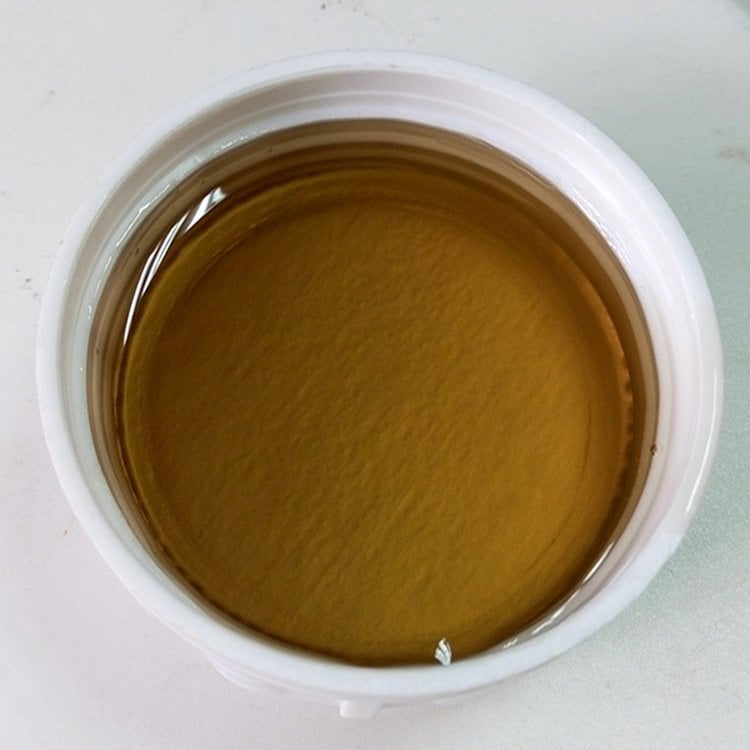
Linear Alkyl Benzene Sulphonic Acid (CAS 27176-87-0), chemically identified as dodecylbenzenesulfonic acid, is a high-active anionic surfactant precursor functioning as the fundamental cleaning agent in detergent powder production and liquid washing formulations. This viscous brown liquid, widely technically recognized as LABSA or DDBSA, serves as the hydrophilic acid form that must be neutralized to create the primary surface-active salts responsible for removing oily soils and particulate matter in laundry and dishwashing products. We provide bulk supply of this industrial raw material with competitive factory pricing to ensure formulation efficiency for large-scale chemical plants. Our continuous sulfonation process guarantees high purity and stable color, making MSDS, TDS, COA available alongside customized specifications to meet specific active matter (90% / 96%) requirements.
Linear Alkyl Benzene Sulphonic Acid CAS 27176-87-0
- CAS: 27176-87-0
- Synonyms: LABSA, Dodecylbenzenesulfonic acid, DDBSA, Alkylbenzene sulfonic acid, LABS acid
- Einecs: 248-289-4
- Molecular Formula: C₁₈H₃₀O₃S
- Grade: Detergent Grade
- Package: 215 kg net steel drum or 1,050 kg IBC tote; 17.2–18 MT/20'FCL (drums), 21 MT/20'FCL (IBCs)
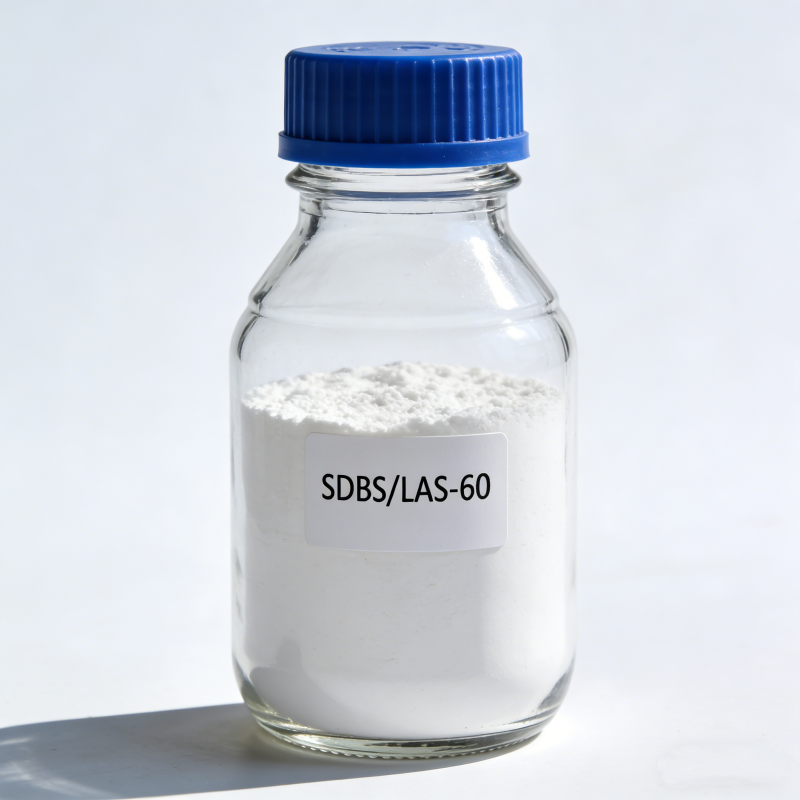
Product Description
Linear Alkyl Benzene Sulphonic Acid (LABSA) is a high-active anionic surfactant widely used as a key raw material in household and industrial detergents. It offers excellent detergency, wetting, foaming, emulsifying and dispersing performance and is known for good biodegradability.
📧 Email: info@industrochem.com – Contact our team for the latest factory price, COA/TDS and technical support for LABSA CAS 27176-87-0.
Physicochemical Properties
| Item | Typical Value / Range |
|---|---|
| Appearance (25 °C) | Brown to dark brown viscous liquid |
| Odor | Characteristic, slightly aromatic |
| Active Matter (as LABSA) | ≥ 96.0% |
| Free Oil | ≤ 2.0% |
| Free Inorganic Acid (as H₂SO₄) | ≤ 1.5% |
| Water Content | ≤ 1.0% |
| Color (Klett, 5% sol.) | ≤ 40–60 |
| Density (25 °C) | ~1.05–1.08 g/mL |
| Average Molecular Weight | ~320–323 |
| Solubility | Fully miscible with water (forms clear sol.) |
| pH (1% aqueous solution) | Strongly acidic, typically < 2 |
| Pour Point (1% solution) | Approx. −12 °C |
| Biodegradability | >90% (aerobic, as LAS after neutralization) |
| Type | Anionic surfactant (sulfonic acid type) |
Applications
- Household Detergents
- Concentrated and regular laundry powders and liquids
- Dishwashing liquids and kitchen cleaners
- Multipurpose household surface cleaners, bathroom and toilet cleaners
- Industrial & Institutional Cleaning
- Car wash shampoos and truck wash detergents
- Hard-surface and floor cleaners
- Industrial degreasers and alkaline cleaning agents
- Textile & Leather Industry
- Wetting and scouring agents in textile pretreatment
- Emulsifiers and degreasing agents for leather processing
- Paper & Pulp
- Deinking and cleaning agents in paper recycling
- Other Uses
- Emulsifier in agrochemical formulations and some industrial emulsions
- Intermediate for producing sodium linear alkyl benzene sulfonate and other surfactants
Storage Conditions
- Store in cool, dry, well-ventilated areas away from direct sunlight and sources of heat.
- Recommended storage temperature: typically 20–40 °C to keep viscosity manageable and avoid crystallization or excessive thickening.
- Keep containers tightly closed when not in use to avoid moisture uptake and contamination.
- Use corrosion-resistant tanks or lined containers (e.g. coated carbon steel, certain stainless steels or plastic-lined tanks) due to the acidic and corrosive nature of LABSA.
- Isolate from strong oxidizing agents, strong bases and incompatible reactive chemicals.
For long-distance shipment, standard export steel drums or IBC totes with proper palletizing are recommended.
Safety Precautions
LABSA / dodecylbenzene sulfonic acid is classified as hazardous, mainly due to its corrosive and irritant properties:
- Hazards
- Causes severe skin burns and serious eye damage (corrosive/irritant).
- May cause irritation to respiratory tract if aerosols or mists are inhaled.
- Harmful if swallowed in concentrated form; neutralized formulations in finished detergents are much less hazardous.
- Personal Protective Equipment (PPE)
- Wear chemical-resistant gloves, goggles or face shield, long-sleeved clothing and safety shoes when handling.
- Use local exhaust ventilation or work in well-ventilated areas to minimize vapor and mist exposure.
- Handling Guidelines
- Avoid direct contact with skin, eyes and clothing.
- Do not breathe mist or vapors.
- Always add LABSA slowly to water or alkaline solution, with stirring and cooling, to control heat of neutralization and splashing.
- First Aid Measures (general guidance)
- Skin contact: Immediately remove contaminated clothing and rinse skin with plenty of water for at least 15 minutes. Seek medical advice.
- Eye contact: Rinse cautiously with water for several minutes; remove contact lenses if easy to do; continue rinsing and obtain urgent medical attention.
- Ingestion: Rinse mouth, do not induce vomiting; seek medical attention.
- Inhalation: Move person to fresh air and keep comfortable; get medical help if symptoms persist.
FAQ - Technical & Supply Chain
-
Q:
How is Linear Alkyl Benzene Sulphonic Acid (CAS 27176-87-0) chemically distinguished from Branched Alkylbenzene Sulfonic Acid?
A: The key chemical distinction lies in the alkyl chain structure; the "Linear" in LABSA indicates a straight carbon chain which renders the final surfactant highly biodegradable, whereas the branched variant is resistant to biodegradation and is environmentally persistent. -
Q:
Is neutralization required before this chemical can be utilized in cleaning formulations?
A: Yes, LABSA is an acidic intermediate and is intended to be neutralized with an alkaline base (such as Sodium Hydroxide or Triethanolamine) during the manufacturing process to produce the water-soluble sulfonate salt that functions as the active detergent.
Documents and Product Support
For product review and sourcing evaluation, supporting documents can be coordinated according to the product type, inquiry stage, and order requirements.
- COA for batch-based quality reference
- TDS for key physical and chemical information
- SDS / MSDS for handling, storage, and safety reference
- Packing information for sample, trial, and bulk orders
- Technical communication based on application and specification requirements
Information to Confirm Before Quotation
Clear sourcing information helps reduce specification mismatch and allows a more accurate quotation before sample or bulk order discussion.
- Product name and CAS number
- Application or intended end use
- Required purity, grade, or specification
- Sample quantity, trial order, or bulk demand
- Preferred packing form or net weight
- Destination country or port
- Required documents or compliance expectations
Packaging, Storage, and Handling Notes
Packaging form, storage conditions, shelf life, and shipment arrangements should be confirmed according to the product characteristics, package size, and destination requirements.
Before order confirmation, buyers are advised to review the corresponding product documents and confirm whether any special storage, labeling, or handling requirements apply.
Sample, Bulk Order and Repeat Supply Support
Support can be arranged for sample discussion, bulk supply planning, packaging confirmation, and routine sourcing communication based on the actual product and order requirements.
For repeat-use formulations or long-term procurement plans, buyers may discuss specification consistency, packaging preferences, delivery expectations, and document coordination in advance.


