










• Coconut Diethanolamide CAS 68603-42-9
  • Coconut Diethanolamide CAS 68603-42-9

Coconut Diethanolamide CAS 68603-42-9

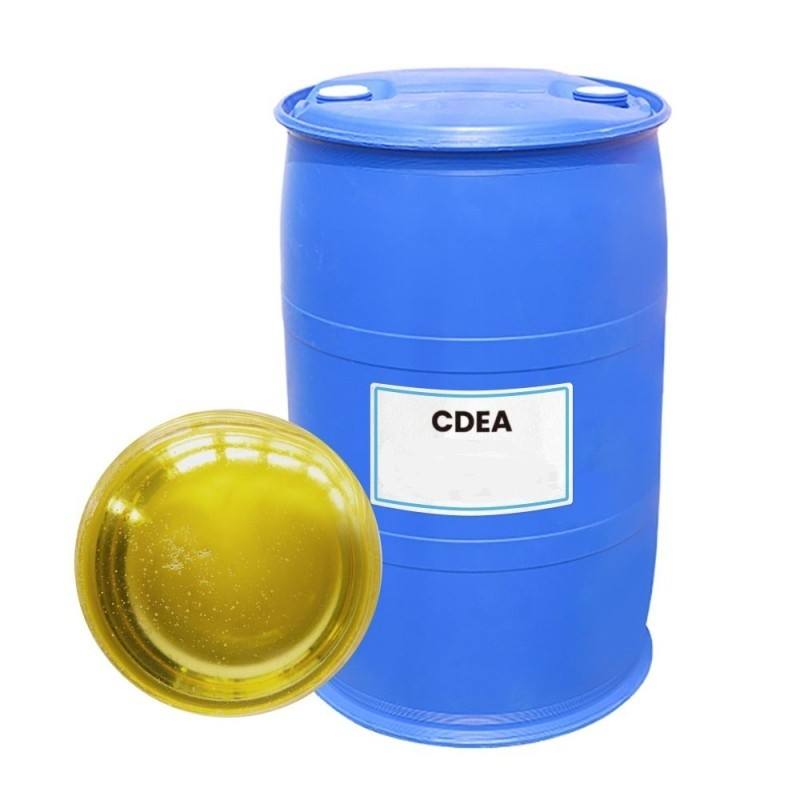
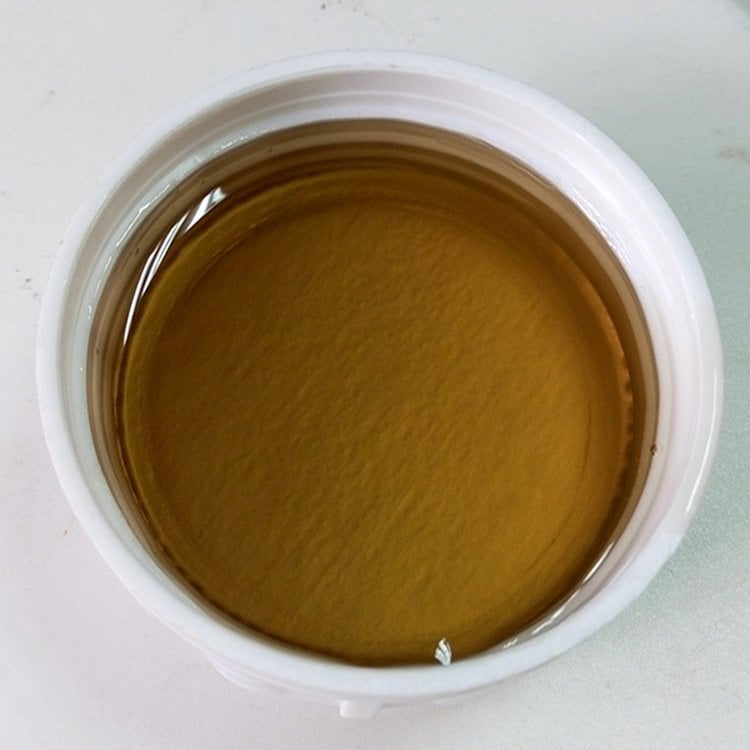
Coconut Diethanolamide (CAS 68603-42-9), chemically identified as Amides, coco, N,N-bis(hydroxyethyl), is a non-ionic surfactant functioning as a premier foam booster and viscosity modifier in personal care formulations and liquid detergents. This viscous amber liquid, widely technically recognized as Cocamide DEA or CDEA 1:1, serves as a stabilizing agent to enhance foam density and emulsify oils in shampoos, hand soaps, and dishwashing liquids. We provide bulk supply of this cosmetic grade ingredient with competitive factory pricing to ensure cost-effective production for daily chemical manufacturers. Our quality control ensures strict compliance with purity standards to minimize free amine content, making MSDS, TDS, COA available alongside customized specifications to meet precise formulation stability requirements.

  • CAS: 68603-42-9
  • Synonyms: Cocamide DEA, Amides coco N,N-bis(hydroxyethyl), N,N-bis(2-hydroxyethyl)cocoamide, Coconut fatty acid diethanolamide, CDEA
  • Einecs: 271-657-0
  • Molecular Formula: RCON(C2H4OH)2
  • Grade: Industrial / cosmetic grade, typical active matter 77–81%
  • Package: 200 kg plastic drums or IBCs; other packing sizes can be customized upon request
Request a quote
Share:

Product Description

Coconut Diethanolamide (CDEA), also known as Cocamide DEA, is a non-ionic surfactant derived from coconut fatty acids and diethanolamine. It is widely used as a foam booster, foam stabilizer, thickener and emulsifier in personal care and household detergent formulations.

📧 Email: info@industrochem.com – Contact our team for the latest factory price, COA/TDS and technical support.

Physicochemical Properties

PropertyTypical Value / Range
Appearance (25 °C)Light yellow to amber, clear viscous liquid
OdorMild, fatty / coconut-like
Chemical natureNon-ionic surfactant (amide of coconut fatty acids and diethanolamine)
Active matter content77–81 wt%
Glycerin content≤10 wt%
Amide content≥78 wt% (for 1:1 grade)
Amine value≤30 mg KOH/g (1:1 grade)
Free amine contentTypically 1.8–7.5 wt% (1:1 grade)
Free fatty acid≤0.5 wt%
Ester (free oil)≤7–8 wt%
Color (Hazen)≤300–500
pH (1% solution in water/ethanol)9.0–11.0 at 25 °C
SolubilitySoluble in water and many organic solvents
Density (20–25 °C)Approx. 0.99–1.05 g/cm³ (grade dependent)
ViscosityHigh viscosity liquid (temperature-dependent)
Ionic characterNon-ionic
HLB (approx.)High HLB, suitable for aqueous systems (for reference only)

Applications

1. Personal Care & Cosmetics

  • Shampoos & hair cleansers – foam booster, foam stabilizer and viscosity builder; helps improve cleansing and feel on hair.
  • Body wash, shower gel, hand soap, facial cleanser – enhances foam richness, stability and thickness; improves product mildness when combined with primary anionic surfactants.
  • Creams and lotions (as co-emulsifier) – helps stabilize oil-in-water emulsions and improves texture in certain formulations.

2. Household & Institutional Cleaning

  • Dishwashing liquids & kitchen cleaners – boosts foam, improves grease-cutting and soil removal.
  • Laundry detergents & pre-wash liquids – acts as foam stabilizer and wetting agent, enhancing detergency in combination with other surfactants.
  • Hard surface cleaners – contributes wetting, emulsification and soil suspension.

3. Industrial & Technical Uses

  • Textile & dyeing auxiliaries – used as wetting, penetrating and emulsifying agent in textile scouring and dyeing.
  • Metal cleaning & anti-rust formulations – component in alkaline cleaners, anti-rust detergents and paint stripping agents due to its surfactant and corrosion-inhibiting properties.
  • Inks, polishes and other cream products – used to improve emulsification, gloss and consistency in shoe polish, printing ink and similar products.

Storage Conditions

To maintain product quality and extend shelf life, Coconut Diethanolamide should be stored under the following conditions:

  • Keep in original, tightly closed containers (typically 200 kg plastic drums or IBCs).
  • Store in a cool, dry, well-ventilated area, away from direct sunlight and heat sources.
  • Recommended storage temperature: 5–35 °C. Avoid freezing and prolonged exposure to temperatures above 40 °C to prevent viscosity changes and possible degradation.
  • Keep away from strong oxidizing agents, strong acids and other incompatible materials.
  • Prevent water ingress and contamination; close container immediately after use.
  • Under proper storage conditions, typical shelf life is 12 months from production date (actual shelf life depends on specific grade and packaging).

Safety Precautions

Like other diethanolamide-based surfactants, Coconut Diethanolamide should be handled with appropriate industrial hygiene measures:

  • Irritation:
    • May cause skin and eye irritation on contact.
    • Avoid prolonged or repeated contact with skin.
  • Personal protective equipment (PPE):
    • Wear suitable chemical-resistant gloves, safety goggles or face shield and protective clothing during handling.
    • Use in well-ventilated areas or with local exhaust; avoid inhalation of mists or vapors.
  • Hygiene:
    • Do not eat, drink or smoke while handling the product.
    • Wash hands and exposed skin thoroughly after work.
  • First aid:
    • Eye contact: Rinse cautiously with plenty of water for several minutes; remove contact lenses if present and easy to do; seek medical attention if irritation persists.
    • Skin contact: Remove contaminated clothing; wash with soap and water; get medical advice if irritation occurs.
    • Ingestion: Rinse mouth; do not induce vomiting; seek medical attention if feeling unwell.
  • Spillage & disposal:
    • Contain spills with inert absorbent and collect for disposal; prevent release into drains and surface water.
    • Dispose of product and contaminated packaging in accordance with local regulations.

FAQ - Technical & Supply Chain

  • Q:

    How does the chemical structure of Coconut Diethanolamide (CAS 68603-42-9) differ from Coconut Monoethanolamide (CMEA)?

    A: Chemically, Coconut Diethanolamide contains two hydroxyethyl groups attached to the nitrogen atom, rendering it a liquid at room temperature with high water solubility, whereas CMEA contains only one hydroxyethyl group, making it a waxy solid with a higher melting point.
  • Q:

    Is this surfactant grade compatible with anionic surfactant systems?

    A: Yes, this ingredient is specifically intended to be used in conjunction with anionic surfactants (like SLES or LABSA) where it acts synergistically to significantly increase viscosity and stabilize the foam structure against rapid collapse.
Documents

Documents and Product Support

For product review and sourcing evaluation, supporting documents can be coordinated according to the product type, inquiry stage, and order requirements.

  • COA for batch-based quality reference
  • TDS for key physical and chemical information
  • SDS / MSDS for handling, storage, and safety reference
  • Packing information for sample, trial, and bulk orders
  • Technical communication based on application and specification requirements
Quotation

Information to Confirm Before Quotation

Clear sourcing information helps reduce specification mismatch and allows a more accurate quotation before sample or bulk order discussion.

  • Product name and CAS number
  • Application or intended end use
  • Required purity, grade, or specification
  • Sample quantity, trial order, or bulk demand
  • Preferred packing form or net weight
  • Destination country or port
  • Required documents or compliance expectations
Storage & Handling

Packaging, Storage, and Handling Notes

Packaging form, storage conditions, shelf life, and shipment arrangements should be confirmed according to the product characteristics, package size, and destination requirements.

Before order confirmation, buyers are advised to review the corresponding product documents and confirm whether any special storage, labeling, or handling requirements apply.

Supply Support

Sample, Bulk Order and Repeat Supply Support

Support can be arranged for sample discussion, bulk supply planning, packaging confirmation, and routine sourcing communication based on the actual product and order requirements.

For repeat-use formulations or long-term procurement plans, buyers may discuss specification consistency, packaging preferences, delivery expectations, and document coordination in advance.

Contact Form

Use our contact form to send us your questions, suggestions or comments. We will respond as soon as possible.