










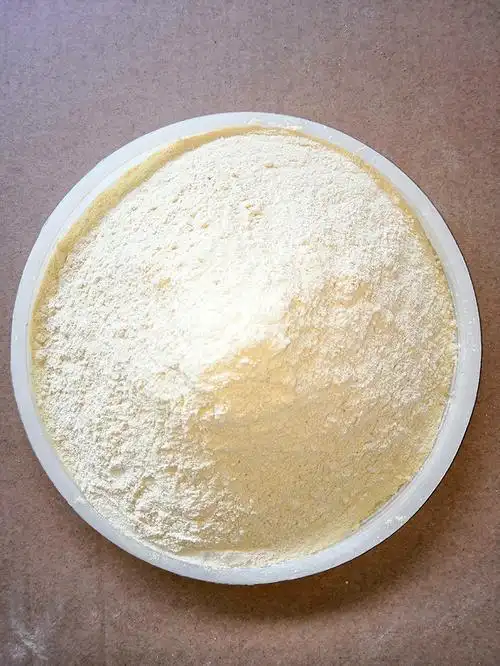
Cocoyl Glutamic Acid (CAS 210357-12-3), chemically identified as N-coco-acyl-L-glutamic acid, is a mild anionic surfactant precursor functioning as a primary cleansing agent and conditioning active in amino acid-based facial cleansers and sulfate-free hair care. This acidic powder, technically derived from the condensation of L-glutamic acid and coconut fatty acids, serves as a direct functional ingredient in low-pH formulations or as an intermediate that can be neutralized in-situ to form salts (like sodium or potassium cocoyl glutamate) for optimizing viscosity and foam structure. We provide bulk supply of this high-purity raw material with competitive factory pricing to ensure cost-efficiency for personal care manufacturers. Our production line strictly controls the free fatty acid content, making MSDS, TDS, COA available alongside customized specifications to meet specific particle size or acid value requirements.
Cocoyl Glutamic Acid CAS 210357-12-3
- CAS: 210357-12-3
- Synonyms: Cocoyl Glutamic Acid
- Molecular Formula: C17H31N05
- Grade: Cosmetic / personal care grade, amino acid surfactant
- Package: 1 kg aluminum foil bag / 25 kg fiber drum, inner PE liner or as customer’s requirement
Product Description
Cocoyl Glutamic Acid (N-Cocoyl-L-Glutamic Acid) is a mild, plant-derived amino acid surfactant obtained by condensing natural coconut fatty acids with fermented L-glutamic acid. It is supplied as a white to light yellow powder and is mainly used as the acid form that can be neutralized with NaOH, KOH or TEA to obtain corresponding cocoyl glutamate salts.
Compared with traditional anionic surfactants such as SLS/SLES, Cocoyl Glutamic Acid offers very low irritation, fine and creamy foam, and excellent skin feel. It is readily biodegradable and derived from renewable raw materials, making it suitable for “natural”, “amino acid” and “sulfate-free” concepts in modern personal care formulations.
It is widely used in facial cleansers, shampoo, shower gel, baby care products and syndet bars, either as a primary mild surfactant or as a co-surfactant to improve foam quality and reduce irritation of other anionics.
Physicochemical Properties
| Item | Typical Value / Description* |
|---|---|
| Appearance | White to light yellow powder / flakes |
| Odor | Slight, characteristic |
| Active content | ≥ 95–98% (assay) |
| CAS No. | 210357-12-3 |
| EC / Einecs No. | 232-674-9 |
| pH (1% aqueous, 25 °C) | Approx. 2.0–4.0 (acid form, weakly acidic) |
| Acid value | Approx. 280–360 mg KOH/g |
| Solubility | Dispersible in water; easily soluble after neutralization to cocoyl glutamate salts |
| Recommended dosage | 5–35% in finished cleansing products (as supplied) |
| Origin of raw materials | Natural coconut oil fatty acids + L-glutamic acid |
| Biodegradability | Readily biodegradable, environmentally friendly surfactant |
| Shelf life (unopened, proper storage) | 24 months |
Applications
1. Facial Cleansers & Face Wash
- Main or co-surfactant in amino acid facial cleansers, mousse and gel cleansers.
- Provides fine, dense foam and a smooth after-feel without tightness or dryness.
- Suitable for products targeting sensitive, dry or acne-prone skin.
2. Shampoo & Scalp-Care Products
- Used in mild shampoos, anti-dandruff shampoos and scalp-care cleansers as a primary mild surfactant or to replace part of SLS/SLES.
- Helps reduce irritation, improves foam richness and leaves hair soft, easy to comb and less frizzy.
3. Shower Gel & Body Wash
- Provides rich, creamy lather and a silky skin feel in body wash and shower cream.
- Good choice for premium “amino acid body wash”, sensitive skin and baby body care lines.
4. Syndet Bars & Solid Cleansing Products
- Suitable for syndet bars, facial cleansing bars and shampoo bars that require low irritation and high foam.
- Enhances bar mildness and reduces harshness compared with traditional soap-based bars.
5. Oral & Other Care
- Can be used in oral care, hand wash and intimate wash formulations where high mildness and good foaming are required (final application subject to local regulations). sdyfchem.com+1
Storage Conditions
- Store in cool, dry and well-ventilated warehouse.
- Keep in tightly closed original packaging, away from moisture and direct sunlight.
- Recommended storage temperature: below 40 °C; avoid prolonged exposure to high temperature or freezing.
- Under proper storage conditions, shelf life is 24 months from production date.
Safety Precautions
Although Cocoyl Glutamic Acid is recognized as a low-irritation amino acid surfactant, it is still an industrial raw material and should be handled with normal chemical safety measures:
- Avoid inhalation of dust and direct contact with eyes or prolonged contact with skin.
- Wear appropriate PPE: gloves, safety glasses and dust mask when handling powder.
- In case of eye contact, rinse immediately with plenty of water and seek medical advice if irritation persists.
- Do not ingest. If swallowed, rinse mouth and seek medical attention.
- Spilled material should be collected mechanically; avoid releasing large quantities into the environment.
- Use only for industrial / cosmetic raw material purposes in permitted applications, not for pharmaceutical or food use unless your local regulations and product registration explicitly allow.
For detailed safety data, our team can provide MSDS/SDS and factory COA on request.

FAQ - Technical & Supply Chain
-
Q:
Does the CAS registry number 210357-12-3 refer to the neutralized salt or the free acid form?
A: This specific CAS number definitively identifies the free acid form of the molecule (Cocoyl Glutamic Acid), which possesses a lower pH and lower water solubility compared to its neutralized salts like Sodium Cocoyl Glutamate, making it distinct in formulation processing. -
Q:
Is this surfactant precursor intended for use in crystal-clear liquid formulations?
A: Yes, while the acid form itself is insoluble in water, it is specifically intended to be neutralized by bases (such as Potassium Hydroxide or Arginine) during the manufacturing process, which allows formulators to create crystal-clear, mild cleansing systems with a pH close to that of human skin.
Documents and Product Support
For product review and sourcing evaluation, supporting documents can be coordinated according to the product type, inquiry stage, and order requirements.
- COA for batch-based quality reference
- TDS for key physical and chemical information
- SDS / MSDS for handling, storage, and safety reference
- Packing information for sample, trial, and bulk orders
- Technical communication based on application and specification requirements
Information to Confirm Before Quotation
Clear sourcing information helps reduce specification mismatch and allows a more accurate quotation before sample or bulk order discussion.
- Product name and CAS number
- Application or intended end use
- Required purity, grade, or specification
- Sample quantity, trial order, or bulk demand
- Preferred packing form or net weight
- Destination country or port
- Required documents or compliance expectations
Packaging, Storage, and Handling Notes
Packaging form, storage conditions, shelf life, and shipment arrangements should be confirmed according to the product characteristics, package size, and destination requirements.
Before order confirmation, buyers are advised to review the corresponding product documents and confirm whether any special storage, labeling, or handling requirements apply.
Sample, Bulk Order and Repeat Supply Support
Support can be arranged for sample discussion, bulk supply planning, packaging confirmation, and routine sourcing communication based on the actual product and order requirements.
For repeat-use formulations or long-term procurement plans, buyers may discuss specification consistency, packaging preferences, delivery expectations, and document coordination in advance.


