










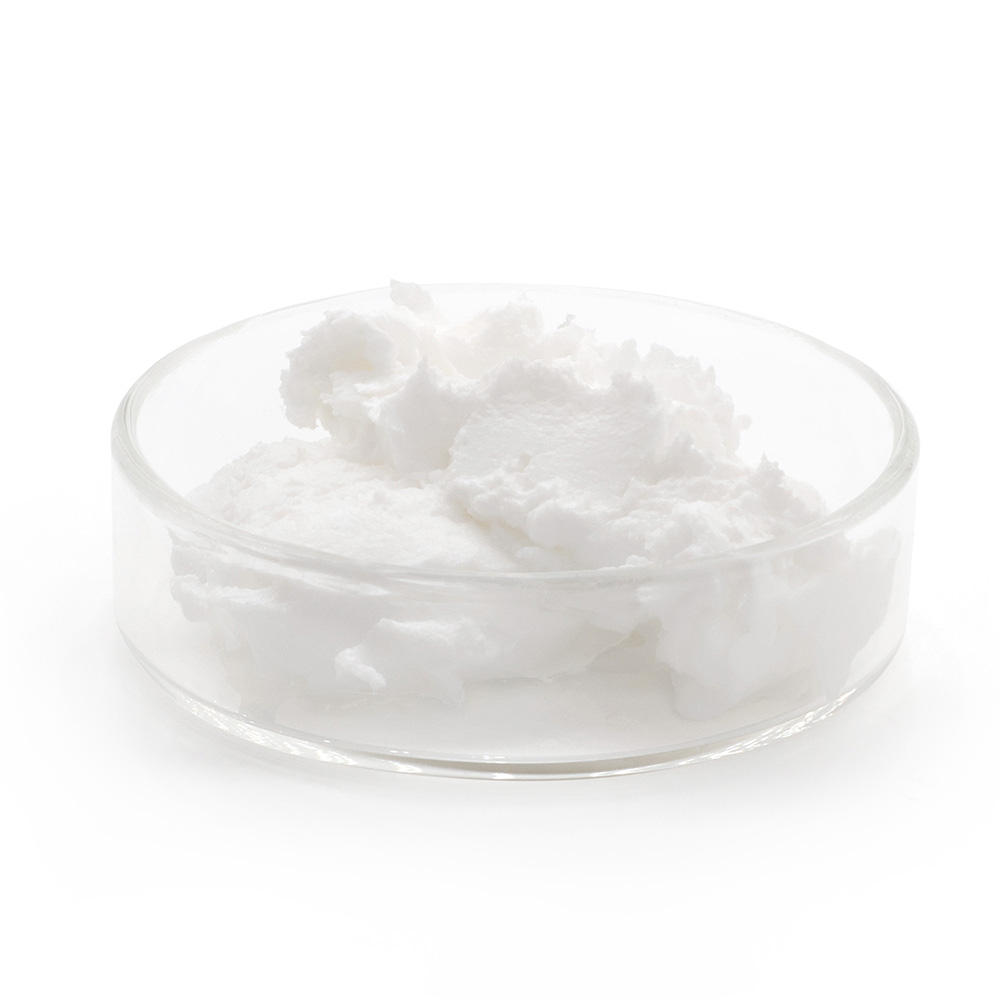
Sodium Methyl Cocoyl Taurate (CAS 12765-39-8), commonly abbreviated as SMCT, is a premium amino acid-based anionic surfactant utilizing its taurine-derived structure to provide exceptional mildness and high-foaming capabilities in sulfate-free formulations. Chemically identified as the sodium salt of the coconut fatty acid amide of N-methyltaurine, this white paste or powder acts to create a dense, creamy lather that is stable even in the presence of sebum and hard water. As a gentle Amide surfactant derived from natural coconut oil and taurine (an amino acid type structure), it is extensively integrated into high-end facial cleansers, baby shampoos, and sensitive skin body washes to impart a soft, non-drying after-feel. We ensure bulk supply capabilities for this material, providing access to competitive factory pricing and customized specifications to meet specific active content forms (e.g., 35-40% Paste or 80%+ Powder/Granules). Full technical documentation, including MSDS, TDS, COA, is available to support compliance and safety protocols.
Sodium Methyl Cocoyl Taurate CAS 12765-39-8
- CAS: 12765-39-8
- Synonyms: SMCT, Sodium N-cocoyl-N-methyltaurate, Sodium methyl cocoyl tauride, Sodium N-methyl-N-cocoyl taurate, Amides coco N-methyl-N-(2-sulfoethyl) sodium salts
- Einecs: 235-802-1
- Grade: Cosmetic Grade
- Package: 50kg/Plastic Drum or 200kg/Plastic Drum.

Product Description
Sodium Methyl Cocoyl Taurate is a high-performance mild surfactant. Unlike traditional surfactants, it maintains excellent foaming properties even in the presence of sebum and hard water.
Key Features:
- Extreme Mildness: Low irritation to skin and eyes, making it suitable for sensitive skin and baby products.
- Rich Foam: Produces a stable, creamy, and elastic lather that feels luxurious during washing.
- Hard Water Tolerance: Does not form soap scum; maintains clarity and foaming power in hard water.
- Compatibility: Works well with other anionic, non-ionic, and amphoteric surfactants. It can help solubilize cationic polymers in shampoos (2-in-1 formulations).
Physicochemical Properties
The specifications below refer to the standard 35-40% Paste content commonly exported.
| Parameter | Specification (Standard) |
|---|---|
| Appearance (25°C) | White to off-white viscous paste |
| Active Matter | 35.0% – 42.0% (Commonly ~38%) |
| pH Value (10% Solution, 25°C) | 7.0 – 8.5 |
| Sodium Chloride (NaCl) | 4.0% – 7.0% (Standard Type) |
| Free Fatty Acid | ≤ 2.0% |
| Solid Content | ≥ 45.0% |
| Odor | Characteristic, faint odor |
| Color (Hazen/APHA) | ≤ 100 |
| Stability | Stable at pH 5.0 – 9.0 |
Note: Low-salt versions are also available upon request, but the standard paste typically contains the salt byproduct from synthesis.
Applications
- Facial Cleansers:
- The primary surfactant for cream-type facial cleansers (often combined with Sodium Cocoyl Glycinate). It provides the “squeaky clean” yet non-dry feeling.
- Sulfate-Free Shampoos:
- Used as a primary or secondary surfactant to build viscosity and foam volume without sulfates.
- Body Washes:
- For luxury, moisturizing body wash formulations.
- Baby Care Products:
- Due to its low irritation profile.
- Shaving Creams:
- Helps create a dense foam structure.
Storage Conditions
- Temperature: Store in a cool, dry place between 10°C and 35°C.
- Phase Change: As a paste, it may solidify or become thicker at lower temperatures. This is reversible; warm gently to restore consistency before use.
- Packaging: Keep the drum tightly closed to prevent contamination and water loss.
- Shelf Life: 24 months in original unopened packaging.
Safety Precautions
- Handling: Although it is a mild surfactant, direct contact with the concentrated paste in the eyes may cause irritation.
- PPE: Wear safety goggles and gloves when handling bulk drums.
- First Aid:
- Eye Contact: Flush with plenty of water immediately.
- Skin Contact: Rinse with water.
- Biodegradability: The product is readily biodegradable and environmentally friendly.
FAQ - Technical & Supply Chain
-
Q:
How does Sodium Methyl Cocoyl Taurate CAS 12765-39-8 compare to traditional sulfates like SLS?
A: Unlike Sodium Lauryl Sulfate (SLS), Sodium Methyl Cocoyl Taurate (CAS 12765-39-8) is an amino acid-type surfactant that is significantly milder on the skin and eyes, non-stripping, and biodegradable, making it the preferred choice for "sulfate-free" and sensitive skin applications. -
Q:
Is this surfactant compatible with cationic conditioning agents?
A: Yes, despite being anionic, its amide structure makes it compatible with many cationic polymers and amphoteric surfactants, allowing for the formulation of conditioning shampoos (2-in-1 products) without precipitation.
Documents and Product Support
For product review and sourcing evaluation, supporting documents can be coordinated according to the product type, inquiry stage, and order requirements.
- COA for batch-based quality reference
- TDS for key physical and chemical information
- SDS / MSDS for handling, storage, and safety reference
- Packing information for sample, trial, and bulk orders
- Technical communication based on application and specification requirements
Information to Confirm Before Quotation
Clear sourcing information helps reduce specification mismatch and allows a more accurate quotation before sample or bulk order discussion.
- Product name and CAS number
- Application or intended end use
- Required purity, grade, or specification
- Sample quantity, trial order, or bulk demand
- Preferred packing form or net weight
- Destination country or port
- Required documents or compliance expectations
Packaging, Storage, and Handling Notes
Packaging form, storage conditions, shelf life, and shipment arrangements should be confirmed according to the product characteristics, package size, and destination requirements.
Before order confirmation, buyers are advised to review the corresponding product documents and confirm whether any special storage, labeling, or handling requirements apply.
Sample, Bulk Order and Repeat Supply Support
Support can be arranged for sample discussion, bulk supply planning, packaging confirmation, and routine sourcing communication based on the actual product and order requirements.
For repeat-use formulations or long-term procurement plans, buyers may discuss specification consistency, packaging preferences, delivery expectations, and document coordination in advance.


