










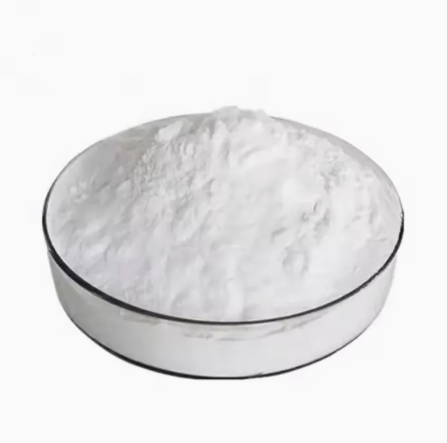
• Sodium Methyl Ester Sulfonate MES CAS 93348-22-2

Sodium Methyl Ester Sulfonate MES CAS 93348-22-2

Sodium Methyl Ester Sulfonate (CAS 93348-22-2), commercially abbreviated as MES, is a high-performance anionic surfactant utilizing renewable vegetable oils (palm or coconut) as its raw material base. Chemically identified as the sodium salt of sulfonated fatty acid methyl esters, this off-white powder or flake functions as an eco-friendly detergent active with superior detergency and calcium tolerance compared to petroleum-based surfactants like LABSA. As a highly biodegradable Alpha-sulfo methyl ester, it is extensively integrated into concentrated laundry powders, liquid detergents, and dishwashing pastes due to its excellent solubility in cold water and ability to resist hard water precipitation. We ensure bulk supply capabilities for this material, providing access to competitive factory pricing and customized specifications to meet specific active matter contents (e.g., 80% Powder/Flakes, 30% Paste). Full technical documentation, including MSDS, TDS, COA, is available to support compliance and safety protocols.

  • CAS: 93348-22-2
  • Synonyms: MES, Fatty acid methyl ester sulfonate sodium salt, Sodium alpha-sulfo fatty acid methyl ester, Methyl ester sulphonate, Sodium C12-18 alkyl methyl ester sulfonate
  • Einecs: 297-160-5
  • Grade: Detergent Grade / Industrial Grade
  • Package: 25kg/Woven Bag with inner PE liner.
Request a quote
Share:

Product Description

Sodium Methyl Ester Sulfonate (MES) is produced by the sulfonation of fatty acid methyl esters. It represents the new generation of surfactants.

Key Advantages:

  1. High Detergency: In hard water conditions, the detergency of MES is significantly better than LAS (Linear Alkylbenzene Sulfonate) and AOS. It maintains performance even with high calcium/magnesium ion concentration.
  2. Solubility: Good solubility in water, making it easy to formulate.
  3. Mildness: Less irritating to human skin compared to LAS, making it suitable for hand-washing products.
  4. Eco-Friendly: Made from renewable plant sources, carbon-neutral footprint, and readily biodegradable.
  5. Cost-Effective: Often used to replace a portion of LAS in formulas to reduce cost while boosting cleaning power.

Physicochemical Properties

The specifications below refer to the standard MES 80% (C16-18) Flakes commonly exported by Chinese factories.

ParameterSpecification (Standard)
AppearanceLight yellow to white flakes or powder
Active Matter (MES)≥ 80.0%
Di-Salt (Disodium Carboxy Sulfonate)≤ 10.0% (Common byproduct)
Free Oil≤ 2.5%
pH Value (1% Solution, 25°C)4.5 – 7.0
Color (Klett, 5% Am. Aq. Sol.)≤ 100
Water Content≤ 5.0%
Zeolite/Inorganic SaltBalance (as anti-caking)
Whiteness≥ 70

Applications

  1. Laundry Detergent Powders:
    • Used as the primary active ingredient or mixed with LAS. It reduces the need for STPP or zeolites due to its high calcium tolerance. Ideal for concentrated powders.
  2. Liquid Detergents:
    • Used in laundry liquids and dishwashing liquids (requires proper solubilization techniques).
  3. Soap Bars:
    • Added to soap noodles to improve lathering capacity and resistance to hard water scum (lime soap).
  4. Industrial Cleaning:
    • Used in textile scouring agents and hard surface cleaners due to its strong emulsification and wetting properties.

Storage Conditions

  • Temperature: Store in a cool place (below 45°C). MES can hydrolyze (break down) if exposed to high temperatures and moisture simultaneously.
  • Moisture: Highly hygroscopic. Keep bags tightly sealed. Store in a dry, well-ventilated warehouse.
  • Stacking: Avoid stacking pallets too high to prevent caking of the flakes at the bottom.
  • Shelf Life: 12 months in original unopened packaging under proper storage.

Safety Precautions

  • Dust Hazard: The powder/flakes can generate dust. Wear a dust mask (N95) to avoid respiratory irritation.
  • Eye Contact: Causes serious eye irritation (similar to soap). Wear safety goggles. If contact occurs, rinse thoroughly with water.
  • Skin Contact: Generally mild, but prolonged exposure to concentrated raw material may cause drying. Wear gloves.
  • Environmental: Readily biodegradable; however, do not dump large quantities of raw material into water sources.

FAQ - Technical & Supply Chain

  • Q:

    How does Sodium Methyl Ester Sulfonate (MES) CAS 93348-22-2 compare to traditional LAS/LABSA?

    A: MES is a bio-based surfactant derived from plant oils, whereas LAS is petroleum-based. MES offers better hard water tolerance (meaning less chelating agent is needed), lower irritation potential, and higher biodegradability, making it a superior choice for "Green" detergent formulations.
  • Q:

    Is this surfactant suitable for use in liquid detergent formulations?

    A: Yes, while widely used in powders due to its free-flowing flake form, MES is also available in paste form or can be dissolved to formulate liquid detergents, where it provides excellent cleaning power and viscosity synergy with other surfactants.
Documents

Documents and Product Support

For product review and sourcing evaluation, supporting documents can be coordinated according to the product type, inquiry stage, and order requirements.

  • COA for batch-based quality reference
  • TDS for key physical and chemical information
  • SDS / MSDS for handling, storage, and safety reference
  • Packing information for sample, trial, and bulk orders
  • Technical communication based on application and specification requirements
Quotation

Information to Confirm Before Quotation

Clear sourcing information helps reduce specification mismatch and allows a more accurate quotation before sample or bulk order discussion.

  • Product name and CAS number
  • Application or intended end use
  • Required purity, grade, or specification
  • Sample quantity, trial order, or bulk demand
  • Preferred packing form or net weight
  • Destination country or port
  • Required documents or compliance expectations
Storage & Handling

Packaging, Storage, and Handling Notes

Packaging form, storage conditions, shelf life, and shipment arrangements should be confirmed according to the product characteristics, package size, and destination requirements.

Before order confirmation, buyers are advised to review the corresponding product documents and confirm whether any special storage, labeling, or handling requirements apply.

Supply Support

Sample, Bulk Order and Repeat Supply Support

Support can be arranged for sample discussion, bulk supply planning, packaging confirmation, and routine sourcing communication based on the actual product and order requirements.

For repeat-use formulations or long-term procurement plans, buyers may discuss specification consistency, packaging preferences, delivery expectations, and document coordination in advance.

Contact Form

Use our contact form to send us your questions, suggestions or comments. We will respond as soon as possible.